How Many Parts in an Automatic Watch? All You Need to Know!
Have you ever wondered what makes an automatic watch tick? In this article, we will delve into the inner workings of automatic watches and explore how many parts make up these fascinating timepieces. Get ready to uncover the intricate mechanisms that power your favorite wrist accessory!
Contents
- Introduction: The Anatomy of an Automatic Watch
- Understanding the Movement: The Heart of the Watch
- Exploring the Case and Dial: The External Components
- Craftsmanship and Materials: A Closer Look at Watch Parts
- The Role of the Crown and Pushers in an Automatic Watch
- The Importance of the Crystal and Bezel in Watch Design
- Straps and Bracelets: Choosing the Right Band for Your Watch
- Key Considerations When Buying or Repairing an Automatic Watch
- Exploring the Inner Workings of an Automatic Watch
- In Retrospect
Introduction: The Anatomy of an Automatic Watch
An automatic watch is a marvel of engineering, comprised of numerous intricate parts working together seamlessly to keep time. Understanding the anatomy of an automatic watch can help you appreciate the craftsmanship and complexity behind these timepieces. Let’s dive into the inner workings of an automatic watch and explore how each component contributes to its functionality.
The main components of an automatic watch include:
Movement: The heart of the watch, the movement is the mechanism that drives the watch’s timekeeping functions. It consists of various parts such as the mainspring, balance wheel, escapement, and gears.
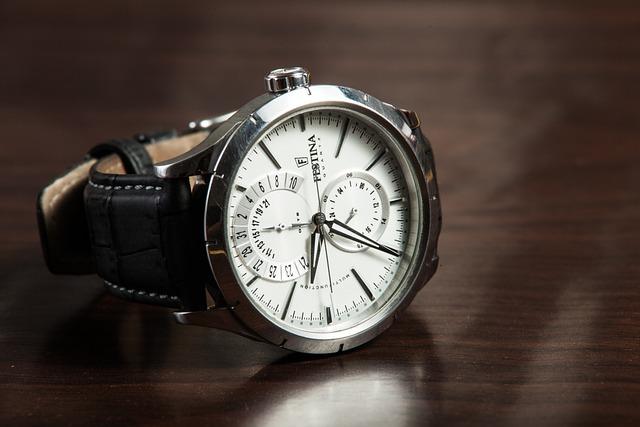
Dial: The face of the watch where the time is displayed. It typically includes hour markers, hands, and subdials for additional functions like a chronograph or date display.
Case: The outer shell that houses the movement and protects it from dust, moisture, and impact. The case is often made of stainless steel, gold, or other metals, and may feature a sapphire crystal window for viewing the dial.
- Crown: The knob on the side of the watch used for setting the time and winding the mainspring. Some crowns may also be used to adjust other functions like the date or a rotating bezel.
In addition to these main components, an automatic watch may also include other parts such as the rotor, which winds the mainspring as the watch is worn, and the balance wheel, which regulates the movement of the watch. Each part plays a vital role in the operation of the watch, showcasing the intricate craftsmanship and attention to detail that goes into creating these timeless timepieces.

Understanding the Movement: The Heart of the Watch
An automatic watch is a marvel of engineering, with many intricate parts working together to keep time accurately. Understanding the movement of an automatic watch is crucial to appreciate the craftsmanship behind these timepieces. The heart of the watch, known as the movement, is where all the magic happens.
The movement of an automatic watch consists of several key components that work in harmony to keep the watch running smoothly. Some of the main parts of an automatic watch movement include:
- Escapement: This component regulates the release of energy from the mainspring to the gear train, ensuring the watch ticks at a consistent rate.
- Mainspring: The mainspring is wound up either manually or by the movement of the wearer’s wrist, providing the energy needed to power the watch.
- Gear train: This series of gears transmits the energy from the mainspring to the escapement, regulating the movement of the hands on the dial.
- Balance wheel: The balance wheel oscillates back and forth, controlled by the hairspring, to regulate the watch’s timekeeping accuracy.
These are just a few of the essential parts that make up the movement of an automatic watch. Each component plays a vital role in ensuring the watch functions correctly and keeps accurate time. By understanding the intricate workings of an automatic watch movement, you can truly appreciate the craftsmanship and skill that goes into creating these mechanical marvels.

Exploring the Case and Dial: The External Components
As we delve into the intricate world of automatic watches, it is essential to understand the external components that make up these timepieces. The case and dial play a crucial role in not only protecting the delicate inner workings of the watch but also in displaying the time in a clear and stylish manner.
Case: The case of an automatic watch is the outer shell that houses all the internal components. It can come in various shapes, sizes, and materials, including stainless steel, titanium, and even precious metals like gold. The case not only protects the movement but also adds to the overall aesthetic appeal of the watch.
Dial: The dial is the face of the watch, where the time is displayed. It is typically adorned with hour markers, hands, and sometimes additional complications like date windows or chronograph subdials. Dials can also come in a variety of colors and finishes, from classic white and black to more adventurous hues like blue or green.
Understanding the intricacies of the case and dial of an automatic watch allows for a deeper appreciation of the craftsmanship and design that goes into creating these timepieces. Stay tuned for the next section where we will explore the internal components that make automatic watches tick!

Craftsmanship and Materials: A Closer Look at Watch Parts
When it comes to automatic watches, there are numerous intricate parts that work together seamlessly to keep time accurately. From the gears to the balance wheel, each component plays a crucial role in the functionality of the timepiece. Let’s take a closer look at some of the key parts that make up an automatic watch:
- Movement: The movement is the heart of the watch, containing the inner workings that power the timepiece. In an automatic watch, the movement is powered by the natural motion of the wearer’s wrist.
- Dial: The dial is the face of the watch, displaying the time and often other information such as date and chronograph functions.
- Case: The case houses all the components of the watch and protects it from damage. It is typically made of stainless steel, gold, or other high-quality materials.
Overall, an automatic watch can consist of anywhere from 100 to 200 individual parts, each precisely crafted to ensure the watch functions properly. From the rotor that winds the movement to the escapement that regulates the timekeeping, every part plays a crucial role in the watch’s overall performance.

The Role of the Crown and Pushers in an Automatic Watch
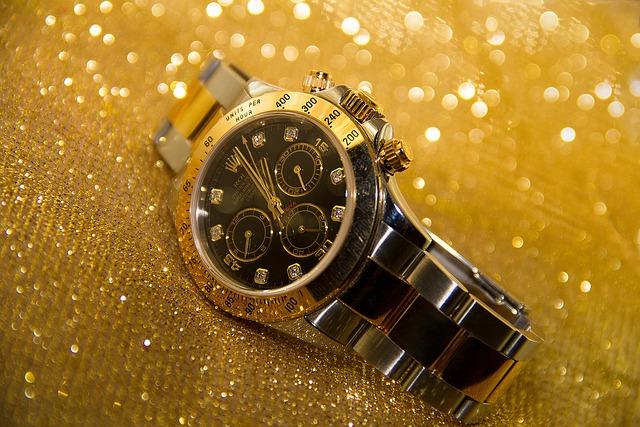
In an automatic watch, the Crown and Pushers play a crucial role in the operation and functionality of the timepiece. The Crown, usually located at the 3 o’clock position on the watch case, is used for setting the time and date, as well as winding the watch for power reserve. It can be twisted in and out to adjust the hands on the dial. The Pushers, usually found on the side of the case, are used for additional functions such as adjusting the chronograph (if the watch has one) or setting other complications on the watch.
The Crown and Pushers are essential components that work together to ensure the accuracy and precision of an automatic watch. Without proper operation and maintenance of these parts, the watch may not function correctly or could potentially have issues with timekeeping. It is important to handle these parts with care and follow the manufacturer’s instructions for usage to avoid any damage or malfunction.
When winding the Crown, it is important to remember not to overwind the watch as this could cause damage to the internal mechanisms. Similarly, when using the Pushers, it is essential to press them gently and not apply too much pressure to avoid misalignment or breakage. By understanding , watch enthusiasts can appreciate the intricate design and engineering that goes into creating these timepieces.

The Importance of the Crystal and Bezel in Watch Design
When it comes to the design of automatic watches, two key components play a crucial role in both functionality and aesthetics – the crystal and the bezel. These elements not only protect the watch movement but also enhance the overall look of the timepiece.
The Crystal: The crystal is the transparent cover that sits above the dial of the watch. It is typically made of either mineral glass, sapphire crystal, or acrylic. Each material offers its own set of benefits, such as scratch resistance, clarity, and durability. The crystal not only protects the watch face from damage but also allows for easy readability of the time.
The Bezel: The bezel is the ring that surrounds the watch face and is usually used for functionality purposes. It can be stationary or rotating, with the latter commonly found in dive watches for tracking elapsed time. The bezel can also add a decorative touch to the watch design, with options ranging from simple to intricately designed bezels.

Straps and Bracelets: Choosing the Right Band for Your Watch
When it comes to automatic watches, there are several key components that work together to keep everything running smoothly. One of the most important parts of an automatic watch is the movement, which powers the watch and keeps time accurately. Additionally, automatic watches are also equipped with a rotor, which winds the watch as you move your wrist.
In terms of physical parts, an automatic watch is typically made up of over 100 individual components. These include gears, jewels, springs, and screws, all working together to ensure the watch functions properly. The intricate design of an automatic watch is a testament to the craftsmanship and attention to detail that goes into creating these timepieces.
When choosing the right band for your automatic watch, it’s essential to consider both style and functionality. There are several options to choose from, including leather straps, metal bracelets, and rubber bands. Each type of band offers its own unique benefits, so be sure to select the one that best suits your personal style and comfort preferences. Remember to also consider factors like durability, ease of maintenance, and how the band looks with your watch face.
Key Considerations When Buying or Repairing an Automatic Watch
Exploring the Inner Workings of an Automatic Watch
When it comes to buying or repairing an automatic watch, understanding the various components that make up this intricate timepiece is crucial. The inner workings of an automatic watch are a marvel of engineering, with each part playing a vital role in its functionality. Here are some key considerations to keep in mind:
- Movement: The movement of an automatic watch is the heart of the timepiece, responsible for keeping time accurately. There are two main types of movements – mechanical and quartz. Mechanical movements are powered by the motion of the wearer’s wrist, while quartz movements are powered by a battery.
- Escapement: The escapement is a critical component in regulating the movement of the gears in an automatic watch. It controls the release of energy from the mainspring, ensuring that the watch keeps accurate time.
- Mainspring: The mainspring is what powers the movement of an automatic watch. When the mainspring is wound, it stores energy that is released gradually to power the movement of the watch.
| Component | Function |
|---|---|
| Balance Wheel | Regulates the movement of the watch |
| Gears | Transmit power from the mainspring to the hands of the watch |
| Balance Spring | Assists in regulating the movement of the balance wheel |
In Retrospect
In conclusion, an automatic watch consists of several key components that work together to keep time accurately. From the movement and rotor, to the escapement and balance wheel, each part plays a crucial role in ensuring the watch functions properly. Understanding the anatomy of an automatic watch can help you appreciate the intricate craftsmanship behind this timepiece. Whether you are a watch enthusiast or simply curious about how automatic watches work, this guide has provided valuable insights into the inner workings of these fascinating timepieces. Remember, the more you know about your automatic watch, the better equipped you’ll be to care for and appreciate it for years to come. Thank you for reading and happy timekeeping!
Get our latest guides, news, and insights highlighted in your Google Search & AI Overviews.