Unveiling Precision: Automatic Watch vs Chronograph Comparison
In the world of timepieces, two types of watches stand out for their precision and functionality: automatic watches and chronographs. While both are popular choices for watch enthusiasts and collectors, they each offer unique features and benefits. In this article, we will delve into the differences between automatic watches and chronographs, exploring their mechanisms, design, and performance to help you make an informed decision when choosing your next timepiece. Join us as we uncover the intricate details and unveil the precision of these classic watch styles.
Contents
- Understanding the Mechanisms of an Automatic Watch
- Accuracy and Precision: Automatic vs Chronograph
- Pros and Cons of Automatic Watches
- Choosing the Right Watch for Your Lifestyle
- Maintenance Tips for Automatic and Chronograph Watches
- Making an Informed Decision: Which Watch is Right for You
- Automatic Watch:
- Chronograph:
- Concluding Remarks
Understanding the Mechanisms of an Automatic Watch
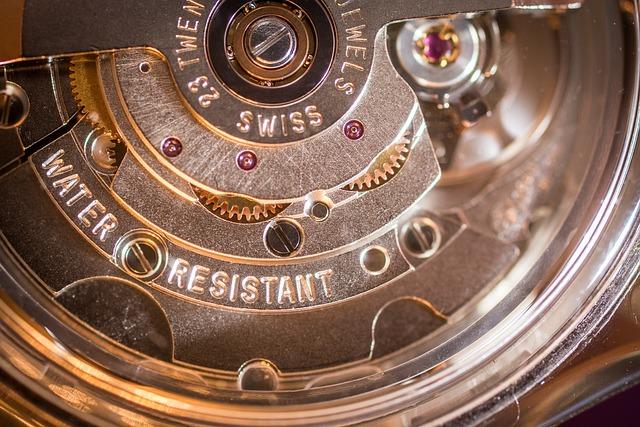
An automatic watch, also known as a self-winding watch, is a timepiece that operates without the need for a battery. Instead, it relies on the movement of the wearer’s wrist to keep the watch wound and running. This is achieved through a rotor inside the watch that rotates with the movement of the wrist, transferring energy to the mainspring. The mainspring then powers the gears and hands of the watch, allowing it to keep time accurately.
On the other hand, a chronograph is a type of watch that features additional stopwatch functions. These functions can include measuring elapsed time, tracking multiple time intervals, and even calculating speed. Chronograph watches have separate subdials and pushers on the case for controlling the stopwatch functions. Despite these added features, a chronograph watch can still be automatic, meaning it may have a self-winding mechanism similar to a traditional automatic watch.
When comparing an automatic watch to a chronograph, it’s important to understand that while all chronograph watches are timepieces, not all automatic watches are chronographs. In essence, an automatic watch is defined by its self-winding mechanism, while a chronograph is defined by its additional stopwatch functions. This distinction is crucial for watch enthusiasts looking to add a new timepiece to their collection, as it ultimately comes down to personal preference and desired functionality.

Accuracy and Precision: Automatic vs Chronograph
Accuracy and Precision
When it comes to comparing the accuracy and precision of automatic watches versus chronographs, there are key factors to consider. Automatic watches are known for their reliability and consistent timekeeping, thanks to their intricate automatic movement system. On the other hand, chronographs are favored for their precision timing capabilities, making them popular among athletes and professionals who require precise measurements.
Automatic watches rely on a rotor to wind the mainspring, which powers the watch’s movement. This mechanism allows for a continuous and smooth operation, resulting in accurate timekeeping over long periods. In comparison, chronographs are equipped with additional complications such as chronograph hands and subdials, enabling users to measure elapsed time with precision down to fractions of seconds.
Ultimately, the choice between an automatic watch and a chronograph depends on your priorities – do you value reliable timekeeping over extended periods, or do you require precise timing for specific activities? Both types of watches have their own strengths and weaknesses, so it’s essential to carefully consider your preferences and needs before making a decision.

Pros and Cons of Automatic Watches
When it comes to choosing between automatic watches and chronographs, there are various factors to consider. Let’s delve into the to help you make an informed decision.
Pros of Automatic Watches:
- Exquisite Craftsmanship: Automatic watches are often handcrafted with intricate detailing, making them a stylish and timeless accessory.
- No Battery Required: Automatic watches are powered by the natural movement of your wrist, eliminating the need for regular battery replacements.
- Precision Timekeeping: Automatic watches are known for their accuracy, with many luxury brands incorporating advanced mechanisms for optimal performance.
Cons of Automatic Watches:
- Regular Maintenance: Automatic watches require periodic servicing to ensure they continue to function properly over time.
- Higher Cost: Due to their intricate design and quality materials, automatic watches tend to come with a higher price tag compared to quartz watches.
- Accuracy: While automatic watches are known for their precision, they may require occasional adjustments to maintain accurate timekeeping.

Choosing the Right Watch for Your Lifestyle
When it comes to , there are a few key factors to consider. Two popular options on the market are automatic watches and chronographs, each offering unique features and functionality.
Automatic watches:
- Powered by the movement of the wearer’s wrist
- No need for battery changes
- Elegant and traditional design
- Suitable for everyday wear
Chronographs:
- Feature stopwatch functionality
- Great for timing events or activities
- Sporty and versatile design
- Popular among athletes and outdoor enthusiasts
| Feature | Automatic Watch | Chronograph |
| Power Source | Wearer’s wrist movement | Battery |
| Functionality | Timekeeping | Stopwatch |
| Design | Elegant and traditional | Sporty and versatile |

Maintenance Tips for Automatic and Chronograph Watches
Maintaining your automatic and chronograph watches is crucial to ensuring they run smoothly and accurately for years to come. Here are some maintenance tips to help you keep your timepieces in top condition:
- Regular Cleaning: Use a soft cloth to gently wipe down your watch regularly to remove any dust or dirt that may have accumulated.
- Water Resistance Check: If your watch is water-resistant, it’s important to have the seals checked regularly to ensure they are still intact and effective.
- Mechanism Inspection: Have a professional watchmaker inspect the movement of your watch every few years to make sure everything is running as it should.
When it comes to automatic watches, it’s important to keep them moving regularly to prevent the lubricants from congealing and causing the parts to seize. For chronograph watches, be mindful of not overusing the chronograph function, as this can put additional strain on the movement. By following these maintenance tips, you can enjoy your automatic and chronograph watches for years to come.
| Automatic Watches | Chronograph Watches |
|---|---|
| Requires regular movement to prevent parts from seizing | Be mindful of not overusing the chronograph function |
| Have movement inspected every few years | Keep the chronograph pushers free from debris |
| Keep away from strong magnetic fields | Regularly check the function of the sub-dials |

Making an Informed Decision: Which Watch is Right for You
When it comes to choosing the perfect watch, there are a few key factors to consider that can drastically impact your daily wear and overall satisfaction with your timepiece. Let’s dive into the differences between an automatic watch and a chronograph to help you make an informed decision on which one is right for you.
Automatic Watch:
- Powered by the natural motion of the wearer’s wrist
- No need for batteries or manual winding
- Known for their elegant and sophisticated designs
- Great for everyday wear and formal occasions
Chronograph:
- Features stopwatch function for measuring time intervals
- Often used by athletes, pilots, and professionals who require precise timekeeping
- Adds a sporty and dynamic element to your overall look
- Can be a versatile option for both casual and active lifestyles
| Type | Automatic Watch | Chronograph |
|---|---|---|
| Power Source | Wearer’s wrist movement | Battery operated |
| Functionality | Timekeeping | Stopwatch feature |
| Design | Elegant and sophisticated | Sporty and dynamic |
| Usage | Everyday wear, formal occasions | Casual wear, active lifestyles |
Concluding Remarks
In conclusion, when deciding between an automatic watch and a chronograph, it all comes down to personal preference and intended use. Automatic watches provide the timeless elegance of a traditional timepiece, while chronographs offer added functionality for those who require precise timing for various activities. Both types of watches showcase intricate craftsmanship and precision engineering. Whichever option you choose, you can rest assured that you are investing in a high-quality timepiece that will stand the test of time. Ultimately, the choice is yours to make based on your individual style and needs. Choose wisely and enjoy the lasting beauty and functionality of your watch for years to come.
Get our latest guides, news, and insights highlighted in your Google Search & AI Overviews.