Investment? The Timeless Timepieces You Should Pass On
Investment? The Timeless Timepieces You Should Pass On
Not every luxury watch is a golden ticket. Discover which heavily marketed, supposedly “timeless” timepieces you should actively avoid if you’re looking for a solid financial investment.
Contents
The Myth of the Watch as an Investment
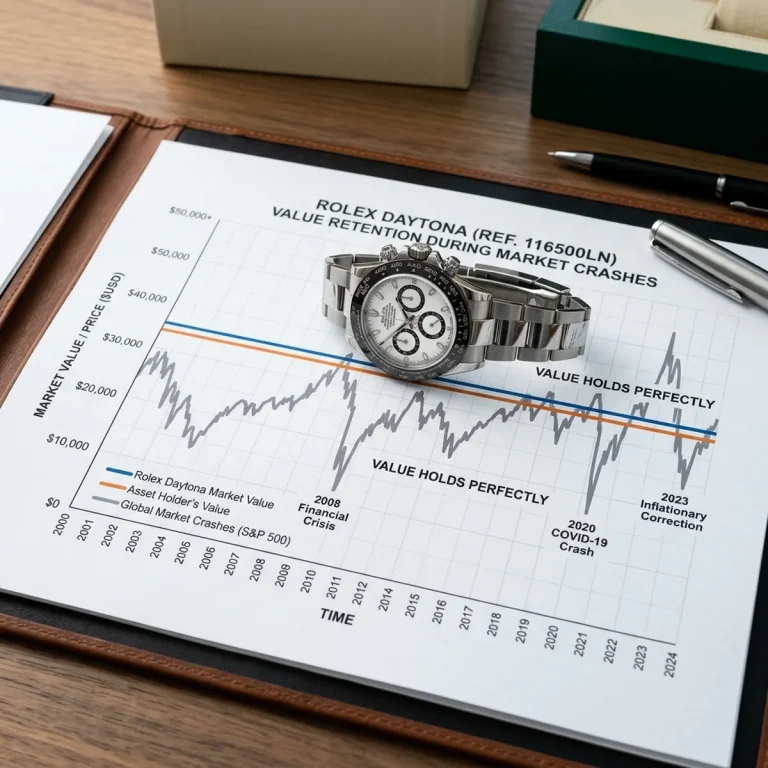
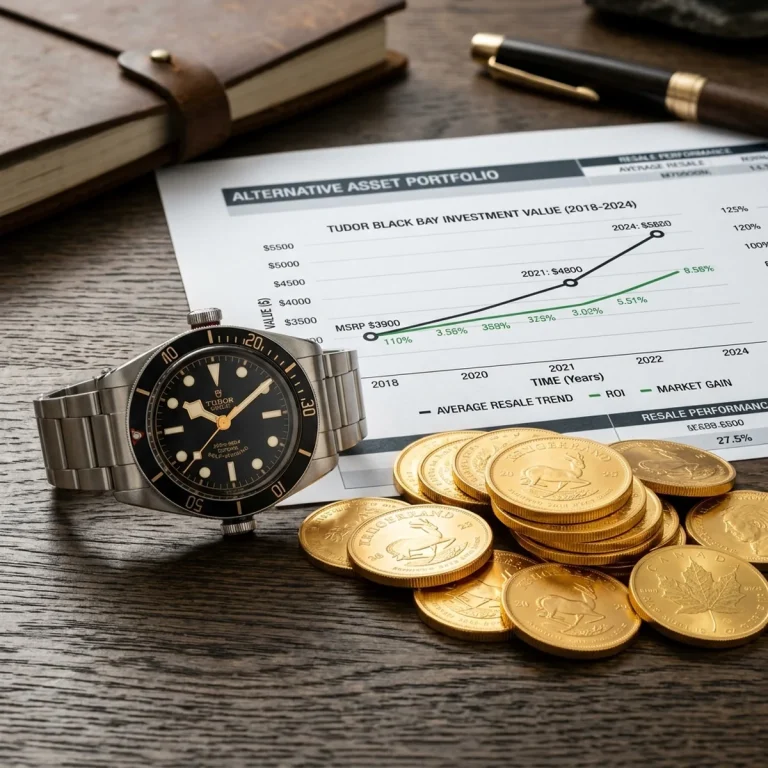
In recent years, the narrative surrounding luxury watches has dramatically shifted. No longer just instruments of timekeeping or symbols of personal style, watches are increasingly touted as alternative asset classes. Headlines highlight the astronomical auction results of Paul Newman Daytonas and the grey-market premiums of Patek Philippe Nautiluses. This hype has led to a dangerous assumption: buying a luxury watch is always a good investment.
This couldn’t be further from the truth. The reality is that the vast majority of luxury watches depreciate the moment you walk out of the boutique. While some pieces hold their value or appreciate, many others are financial sinks. If you are entering the watch market with investment in mind, knowing what to avoid is just as crucial as knowing what to buy. Here is our comprehensive guide to the “timeless timepieces” you should probably pass on if financial retention is your goal.
1. The “Franken-Watch” and Vintage Redials
Vintage watches carry a romantic allure, offering a tangible connection to the past. However, the vintage market is a minefield for the uninitiated.
Beware the Redial
A dial is the face of a watch, and in the vintage world, original condition is everything. A “redial” refers to a watch dial that has been repainted or restored. While it might look clean and brand new, a redial absolutely decimates the collector value of the timepiece. Serious collectors prize original patina, even if it shows signs of aging (like “tropical” dials). A flawlessly restored dial on a 1960s Omega Seamaster is a massive red flag for its investment potential.
The Franken-Watch
A “Franken-watch” is a timepiece cobbled together using parts from different watches, often from different eras or even different brands, to make it appear authentic. While the movement might be genuine Rolex and the case genuine Rolex, if they didn’t leave the factory together, the watch’s value is severely compromised. Always insist on matching serial numbers and authentic, period-correct components.
2. Diamond-Encrusted and “Bling” Watches
It’s a common misconception that adding precious gems to a luxury watch inherently increases its long-term investment value. In reality, the opposite is usually true.
Factory vs. Aftermarket Settings
While factory-set gem pieces from brands like Rolex or Audemars Piguet hold some value, they rarely appreciate like their stainless steel counterparts. The real danger, however, lies in aftermarket customization. Taking a stainless steel Datejust and paving the case and dial with aftermarket diamonds (“icing it out”) destroys the structural integrity and the original warranty of the watch. When it comes time to sell, you will rarely recoup the cost of the diamonds or the watch itself. Secondary buyers drastically undervalue customized pieces.
3. Heavily Produced “Limited Editions”
The term “Limited Edition” is one of the most abused phrases in horology. Brands frequently release limited editions to generate hype and artificially inflate retail prices. However, true investment value comes from genuine scarcity combined with high demand.
If a brand releases a “Limited Edition” of 10,000 pieces, it is not rare. A prime example is the Omega Speedmaster line. While the standard Speedmaster Professional Moonwatch is a staple of horology, Omega has released countless limited editions. While a few (like the Snoopy editions) have skyrocketed in value, many others sit on the secondary market at or below retail price. Before investing in a limited edition, research the production numbers and historical performance of similar releases from the brand.
4. High-Depreciation Fashion Watches
There is a stark difference between a watch made by a dedicated horological house and a watch bearing the name of a fashion brand. Brands like Emporio Armani, Michael Kors, and Gucci produce aesthetically pleasing timepieces, but they are generally powered by inexpensive quartz movements produced en masse.
These watches are fashion accessories, not investments. They carry a high retail markup based purely on brand name recognition and will lose the vast majority of their financial value the moment they are purchased. If you have a budget of $500 to $1,000, your money is much better spent on a mechanical watch from a heritage brand like Seiko, Hamilton, or Tissot, which will hold its value significantly better over time.
5. The Two-Tone Trap
Two-tone watches—timepieces featuring a combination of stainless steel and gold (often yellow or rose gold)—are incredibly popular and offer a distinctive, classic aesthetic. Rolex refers to this combination as “Rolesor.”
However, from a pure investment standpoint, two-tone watches consistently underperform compared to their full stainless steel siblings. Stainless steel sports watches are viewed as more versatile and have a broader appeal on the secondary market. A two-tone Rolex Submariner will almost always suffer a steeper initial depreciation and slower growth than a stainless steel Submariner. Buy two-tone because you love the look, not because you expect it to fund your retirement.
Frequently Asked Questions (FAQs)
Are quartz watches ever a good investment?
Generally, no. Mechanical watches (manual wind or automatic) hold their value far better than quartz watches. There are rare exceptions, such as early historical quartz pieces (like the Rolex Oysterquartz or early Patek Philippe Beta 21 models) and specific high-end quartz watches from brands like Grand Seiko or F.P. Journe (the Elégante), but the vast majority of standard quartz watches depreciate heavily.
Does polishing a vintage watch ruin its value?
Yes, in the vintage market, over-polishing a watch is considered detrimental to its value. Polishing removes metal and alters the original factory lines, chamfers, and finishing of the case. Collectors prioritize unpolished, original cases with sharp edges, even if they feature scratches and dings from wear.
How do I know if a watch is a good investment?
A good watch investment typically relies on a combination of strong brand heritage (e.g., Rolex, Patek Philippe, Audemars Piguet), iconic design (e.g., Submariner, Nautilus, Royal Oak), stainless steel construction, and a track record of demand outpacing supply. Always research historical secondary market pricing before buying for investment purposes.
Conclusion
The allure of watch investing is undeniable, but it is an arena fraught with financial pitfalls. To protect your capital, it is crucial to avoid redialed vintage pieces, aftermarket diamond customizations, mass-produced limited editions, and high-markup fashion watches. True horological investments require extensive research, patience, and a deep understanding of market nuances. Ultimately, the best advice any seasoned collector will give you is this: buy the watch you genuinely want to wear. If it appreciates in value, consider it a delightful bonus rather than an expectation.
Get our latest guides, news, and insights highlighted in your Google Search & AI Overviews.