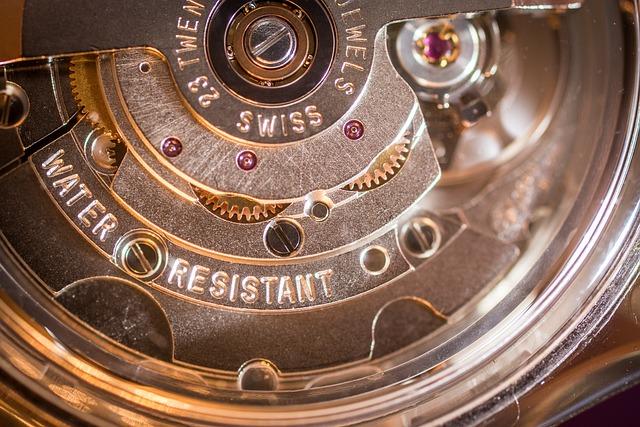
Master the Art of Winding a Mechanical Pocket Watch
As timeless as they are elegant, mechanical pocket watches hold a special place in the hearts of many. The art of winding these exquisite timepieces may seem daunting at first, but with a little knowledge and practice, anyone can master this essential skill. Join us as we explore the intricacies of winding a mechanical pocket watch, unlocking the secrets to keeping your beloved timepiece running smoothly for years to come.
Contents
Introduction to Winding a Mechanical Pocket Watch
Winding a mechanical pocket watch is a timeless art that requires precision and care. By mastering this practice, you can ensure that your pocket watch runs smoothly and accurately for years to come. Whether you are new to pocket watches or a seasoned collector, learning how to properly wind your timepiece is essential for its maintenance and longevity.
To begin the winding process, gently hold the pocket watch in one hand while using your other hand to locate the winding crown. The winding crown is typically located on the side of the watch and can be identified by its small size and ribbed edges for easy gripping. Once you have located the winding crown, carefully turn it in a clockwise direction until you feel resistance. Be sure not to overwind the watch, as this can cause damage to the internal mechanisms.
It is important to establish a regular winding routine to ensure that your pocket watch continues to function properly. Depending on the type of watch you have, you may need to wind it daily or every few days. Consistency is key when it comes to maintaining the accuracy and reliability of your pocket watch. By following these simple steps and taking the time to properly wind your mechanical pocket watch, you can enjoy its timeless elegance for years to come.

Taking Care to Not Overwind Your Timepiece
When winding a mechanical pocket watch, it is crucial to take care not to overwind the timepiece. Overwinding can cause damage to the delicate internal components of the watch, leading to costly repairs or even rendering the watch unusable.
To avoid overwinding, it is important to know the winding limits of your specific pocket watch. Some watches have a built-in mechanism that prevents overwinding, known as a “stop” or “slipping” mechanism. If your watch has this feature, you can wind it until you feel resistance, then stop to prevent overwinding.
For watches without a stop mechanism, it is essential to pay attention to the tension in the crown while winding. Once you start to feel resistance, do not force the crown any further. Overwinding can put unnecessary strain on the mainspring and other components, potentially causing permanent damage.
By mastering the art of winding your mechanical pocket watch with care and precision, you can ensure that your timepiece remains in excellent working condition for years to come.

Benefits of Regularly Winding Your Watch
Regularly winding your watch is essential to keeping it running smoothly and accurately. By taking the time to wind your mechanical pocket watch consistently, you can enjoy a variety of benefits that will enhance your overall experience with this timeless timepiece.
One of the main benefits of winding your watch is that it ensures the proper functioning of the movement. When you wind your watch regularly, you are effectively powering the gears and springs inside, keeping them in good working condition. This helps to prevent any issues with timekeeping and ensures that your watch continues to run accurately.
Additionally, winding your watch regularly can help to prolong its lifespan. By maintaining a consistent winding schedule, you are helping to reduce wear and tear on the internal components of the watch. This can ultimately help to extend the longevity of your timepiece, allowing you to enjoy it for years to come.
Furthermore, regularly winding your watch can also help you to develop a deeper connection with your timepiece. By taking the time to wind your watch each day, you are creating a ritual that can help you appreciate the craftsmanship and history behind your mechanical pocket watch. This simple act can add a sense of nostalgia and charm to your daily routine, making your watch even more special to you.
Tips for Maintaining Optimal Timekeeping
Maintaining optimal timekeeping with a mechanical pocket watch is an art that requires skill and precision. One of the most important aspects of this art is mastering the technique of winding the watch. To ensure your pocket watch runs smoothly and accurately, follow these tips:
– **Establish a Routine**: Set aside a specific time each day to wind your pocket watch. Consistency is key to maintaining its accuracy.
– **Use Gentle Movements**: When winding your watch, use gentle and steady movements to avoid damaging the delicate mechanism inside.
– **Avoid Overwinding**: Be careful not to overwind your pocket watch, as this can put unnecessary strain on the components and affect its performance.
– **Keep it Clean**: Regularly clean your pocket watch to prevent dust and debris from interfering with its timekeeping abilities. Use a soft cloth to gently wipe down the exterior and a small brush to clean the gears and springs.
By following these tips and mastering the art of winding your mechanical pocket watch, you can ensure that it remains in top-notch condition and keeps accurate time for years to come.
Exploring Different Winding Techniques
There are various winding techniques that can be used to ensure your mechanical pocket watch continues to keep accurate time and functions smoothly. Understanding these different methods can help you master the art of winding your pocket watch like a true connoisseur.
Hand-Winding: This traditional method involves manually winding the crown of the watch in a clockwise direction until it reaches its maximum tension. Be careful not to overwind the watch, as this can cause damage to the mechanism.
Automatic Winding: Some mechanical pocket watches come equipped with an automatic winding mechanism that winds the watch as you move your wrist throughout the day. This is a convenient option for those who prefer a hands-free approach to winding their timepiece.
Combination Winding: For watches that have both hand-winding and automatic winding capabilities, you can choose to use a combination of both methods to keep your watch running smoothly and accurately.
Final Thoughts on Mastering the Art of Winding
When it comes to mastering the art of winding a mechanical pocket watch, practice makes perfect. Remember to take your time and handle the watch with care to avoid any potential damage. Here are some final thoughts to keep in mind as you continue to refine your winding technique:
- Consistency is Key: Make it a habit to wind your pocket watch at the same time each day to ensure accurate timekeeping.
- Gentle but Firm: Use a gentle touch when winding the watch, but apply enough pressure to fully wind the mainspring.
- Listen for the Click: Pay attention to the sound of the click as you wind the watch to know when the mainspring is fully wound.
By following these tips and practicing regularly, you will soon become a master at winding a mechanical pocket watch. Enjoy the process and embrace the craftsmanship of these beautiful timepieces.
Future Outlook
In conclusion, mastering the art of winding a mechanical pocket watch is a simple yet essential skill for watch enthusiasts. Remember to wind your watch daily to keep it running smoothly and accurately. Be gentle but consistent when winding, and always follow the manufacturer’s guidelines. By following these key tips, you can ensure your timepiece remains in top condition for years to come. Happy winding!
Get our latest guides, news, and insights highlighted in your Google Search & AI Overviews.