Mastering Maintenance: A Practical Guide to Mechanical Watch Care
Hello watch enthusiasts and novices alike! Are you looking to extend the life of your mechanical timepiece and keep it in pristine condition for years to come? In our article, “Mastering Maintenance: A Practical Guide to Mechanical Watch Care,” we provide you with essential tips and techniques to ensure your watch stays in top-notch shape. Whether you’re a seasoned collector or a newcomer to the world of luxury watches, this comprehensive guide will equip you with the knowledge and skills needed to properly care for your timepiece. Let’s dive in and uncover the secrets to mastering watch maintenance!
Contents
- Introduction: The Importance of Regular Maintenance for Mechanical Watches
- Understanding the Anatomy of a Mechanical Watch: Components and Functionality
- Best Practices for Cleaning and Protecting Your Mechanical Watch
- Tips for Storing Your Mechanical Watch Properly to Maintain Its Integrity
- Common Signs of Wear and Tear to Watch Out For
- DIY Maintenance: Tools and Techniques for At-Home Care
- Maximizing the Lifespan of Your Mechanical Watch: Dos and Don’ts
- To Wrap It Up
Introduction: The Importance of Regular Maintenance for Mechanical Watches
Regular maintenance for mechanical watches is essential to ensure their longevity and accuracy. These intricate timepieces are made up of numerous moving parts that require regular care to keep them running smoothly. By following a diligent maintenance routine, watch owners can prevent potential issues and extend the lifespan of their beloved timepieces.
One of the primary reasons for regular maintenance is to keep the watch running accurately. Over time, the oils and lubricants inside the watch can dry out or degrade, causing the movement to slow down or stop altogether. By servicing the watch regularly, watchmakers can clean and reapply fresh lubricants to ensure that the movement functions as intended. This not only helps in maintaining accurate timekeeping but also prevents excessive wear on the delicate components.
In addition to keeping the movement running smoothly, regular maintenance can also help to identify any potential issues before they escalate into major problems. Watchmakers are trained to inspect the watch for signs of wear, damage, or misalignment during routine servicing. By catching these issues early on, owners can save themselves the cost and inconvenience of more extensive repairs down the line.
Overall, regular maintenance is crucial for preserving the beauty, functionality, and value of a mechanical watch. By staying on top of servicing schedules and entrusting their timepieces to reputable watchmakers, enthusiasts can enjoy their watches for years to come. It is a small investment that can make a significant difference in the performance and lifespan of a mechanical watch.

Understanding the Anatomy of a Mechanical Watch: Components and Functionality
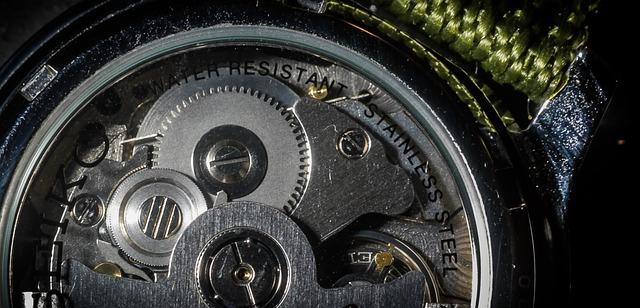
In order to properly care for your mechanical watch, it is crucial to have a deep understanding of its intricate components and how they function together. One of the key elements of a mechanical watch is the escapement mechanism, which regulates the movement of the gears and hands. This precise mechanism ensures that the watch keeps accurate time.
Another important component of a mechanical watch is the balance wheel, which oscillates back and forth at a consistent rate. This steady motion is essential for maintaining the watch’s accuracy. Additionally, the mainspring stores energy that is released in a controlled manner to power the watch.
Regular maintenance of these components is essential to ensure the longevity and accuracy of your mechanical watch. This can include periodic cleaning and lubrication of the gears, as well as adjustments to the balance wheel to ensure accurate timekeeping. By mastering the anatomy of a mechanical watch and understanding how each component functions, you can effectively care for your timepiece and enjoy its precise craftsmanship for years to come.
Best Practices for Cleaning and Protecting Your Mechanical Watch
To keep your mechanical watch running smoothly and looking its best, it’s important to follow best practices for cleaning and protecting it. Here are some tips to help you master maintenance and ensure your timepiece stays in pristine condition:
Regular Cleaning: Wipe down your watch with a soft, lint-free cloth to remove any dirt or smudges. You can also use a mild soap and water solution to gently clean the case and bracelet. Be sure to dry it thoroughly before wearing it again.
Avoid Water Exposure: While some watches are water-resistant, it’s best to avoid exposing your mechanical watch to water whenever possible. Moisture can damage the delicate internal components, so be cautious when wearing your watch near water.
Store Properly: When you’re not wearing your watch, store it in a cool, dry place away from direct sunlight. Consider investing in a watch box or case to protect it from dust and scratches.
- Professional Servicing: It’s recommended to have your mechanical watch serviced by a professional watchmaker every few years. This will help ensure that all the components are functioning properly and extend the lifespan of your timepiece.

Tips for Storing Your Mechanical Watch Properly to Maintain Its Integrity
Properly storing your mechanical watch is essential to maintaining its integrity and ensuring its longevity. Here are some tips to help you preserve the quality of your timepiece:

- Keep it away from magnets: Magnetic fields can negatively affect the accuracy of your watch. Store it away from magnets or magnetic objects to prevent any interference with its movements.
- Store it in a dry place: Moisture can damage the internal components of your watch. Keep it in a dry place to prevent any rust or corrosion from developing.
- Avoid extreme temperatures: Excessive heat or cold can impact the performance of your watch. Store it in a room-temperature environment to maintain its accuracy.
- Use a watch box or case: When not wearing your watch, store it in a watch box or case to protect it from dust, scratches, and other potential damage.
| Watch Care Tip | Summary |
|---|---|
| Avoid water exposure | Prevent water damage to your watch by keeping it away from water sources. |
| Regular servicing | Ensure the proper functioning of your watch by having it serviced regularly by a professional. |

Common Signs of Wear and Tear to Watch Out For
When it comes to caring for your mechanical watch, it’s important to keep an eye out for signs of wear and tear that may indicate the need for maintenance. Here are some common indicators to watch out for:
- Scratches: Check the crystal, case, and bracelet for any visible scratches that may affect the appearance of your watch.
- Lack of Timekeeping Accuracy: If you notice that your watch is consistently running fast or slow, it may be time for a professional service.
- Loose Crown: A loose or wobbly crown can lead to water infiltration and damage to the movement.
- Faded Dial: Over time, the dial of your watch may fade or show signs of discoloration, which could indicate exposure to sunlight or other elements.
By staying vigilant and proactive in monitoring these signs of wear and tear, you can prolong the life of your mechanical watch and ensure that it continues to function at its best for years to come.

DIY Maintenance: Tools and Techniques for At-Home Care
When it comes to caring for your mechanical watch at home, having the right tools and techniques is essential. Here are some practical tips to help you master maintenance and keep your timepiece running smoothly:
- Cleaning: Use a soft cloth to gently wipe down your watch to remove any dirt or debris. Avoid using harsh chemicals or abrasive materials, as they can damage the finish of your watch.
- Oiling: Regularly oiling your watch can help ensure that its parts move smoothly and prevent wear and tear. Be sure to use a high-quality watch oil and follow the manufacturer’s recommendations.
- Adjusting: If your watch is running too fast or too slow, you may need to adjust the timing. This can usually be done using the regulating lever or by changing the position of the hairspring regulator.
By following these simple tools and techniques for at-home care, you can help extend the life of your mechanical watch and keep it looking its best for years to come. Remember to handle your watch with care and consult a professional watchmaker if you encounter any issues that you are not comfortable addressing on your own.

Maximizing the Lifespan of Your Mechanical Watch: Dos and Don’ts
Proper care and maintenance are essential to keeping your mechanical watch in top condition for years to come. By following these dos and don’ts, you can ensure that your timepiece functions effectively and lasts a lifetime.
Do:
- Regularly wind your watch to keep it running smoothly.
- Store your watch in a cool, dry place away from direct sunlight.
- Get your watch serviced by a professional watchmaker every 3-5 years.
- Clean your watch regularly with a soft cloth to prevent dirt buildup.
Don’t:
- Expose your watch to extreme temperatures or magnetic fields.
- Adjust the time/date functions between 9 PM and 3 AM to prevent damage.
- Overwind your watch, as this can put unnecessary strain on the mechanism.
- Attempt to open the caseback yourself, as this can void the warranty and damage the watch.
| Do | Don’t |
|---|---|
| Regularly wind your watch. | Expose your watch to extreme temperatures. |
| Store your watch in a cool, dry place. | Adjust the time/date functions between 9 PM and 3 AM. |
To Wrap It Up
In conclusion, mastering maintenance for your mechanical watch is essential in preserving its longevity and performance. By following the practical guide outlined in this article, you can ensure that your timepiece remains in optimal condition for years to come. Remember to regularly clean, service, and store your watch properly to prevent unnecessary wear and tear. With a little care and attention, you can enjoy your mechanical watch for a lifetime. Thank you for reading and happy timekeeping!
Get our latest guides, news, and insights highlighted in your Google Search & AI Overviews.