Timekeeping Tales: How Long Mechanical Watch Lasts
Have you ever wondered how long a mechanical watch can truly last? In this article, we will delve into the fascinating world of timekeeping tales and explore the longevity of these intricate timepieces. From the inner workings of a mechanical watch to tips on how to ensure its longevity, join us as we unravel the mystery behind the lifespan of these timeless accessories.
Contents
Factors Affecting the Lifespan of a Mechanical Watch
can vary greatly, depending on various elements that come into play. One crucial aspect is the quality of materials used in the watch’s construction. High-grade materials like stainless steel, titanium, and sapphire crystals tend to be more durable and long-lasting compared to lower-quality alternatives.
Another factor to consider is the level of maintenance and care the watch receives. Regular servicing, proper storage, and avoiding exposure to extreme conditions can significantly extend the lifespan of a mechanical watch. Additionally, how often the watch is worn and the activities it is exposed to also play a role in its longevity.
Furthermore, the complexity of the watch movement can impact its lifespan. Simple movements may require less frequent servicing and maintenance compared to complicated ones, which have more intricate parts that can wear out faster. It’s essential to consider these factors when investing in a mechanical watch to ensure it lasts for generations to come.
In conclusion, a combination of high-quality materials, proper maintenance, and consideration of movement complexity are key factors in determining how long a mechanical watch will last. By taking good care of your timepiece and being mindful of these aspects, you can enjoy its beauty and functionality for years to come.

Recommended Maintenance Schedule for Mechanical Watches
Regular maintenance is essential to ensure the longevity and accuracy of your mechanical watch. Here is a recommended maintenance schedule to keep your timepiece running smoothly:
- Every 3-5 years: It is recommended to have your watch serviced by a professional watchmaker every 3-5 years. During this service, the watch will be cleaned, lubricated, and adjusted to ensure optimal performance.
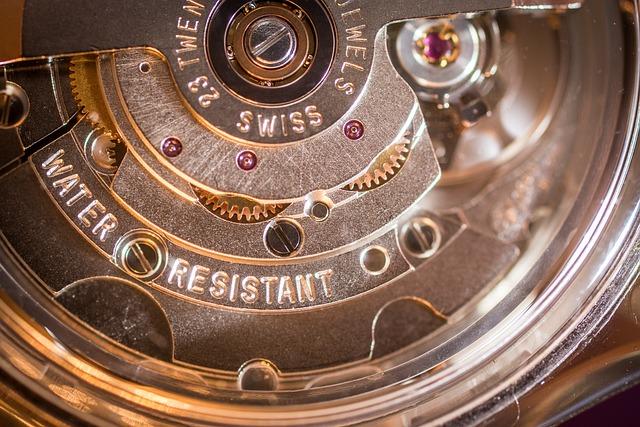
- Water Resistance Check: Ensure that the water resistance of your watch is tested annually to prevent any moisture from entering the movement.
- Storage: When not wearing your watch, store it in a cool, dry place away from sunlight and magnetic fields to prevent damage to the movement.
| Maintenance Task | Frequency |
|---|---|
| Complete Watch Service | Every 3-5 years |
| Water Resistance Check | Annually |
| Storage | Ongoing |
By following this recommended maintenance schedule, you can ensure that your mechanical watch lasts for generations to come.

Signs that Your Mechanical Watch Needs Servicing
One of the telltale signs that your mechanical watch is in need of servicing is when you notice a significant decrease in its accuracy. If you find that your watch is consistently running fast or slow, it may be time to have it checked out by a professional. Additionally, if your watch starts to skip seconds or minutes, this can also be an indication that it requires servicing.
Another sign that your mechanical watch may need attention is if you begin to hear unusual noises coming from it. If you notice any ticking, rattling, or grinding sounds when your watch is in use, this could be a sign of internal wear and tear that needs to be addressed.
Furthermore, if you observe any condensation or fogging on the inside of your watch crystal, this could be a sign that moisture has entered the case. Moisture can cause significant damage to the delicate components of a mechanical watch, so it is important to have it serviced as soon as possible.
It is important to remember that regular servicing is essential to ensure the longevity and accuracy of your mechanical watch. By paying attention to these signs and staying proactive in maintaining your timepiece, you can enjoy its precision and craftsmanship for many years to come.

Comparing the Lifespan of Manual vs. Automatic Mechanical Watches
When it comes to mechanical watches, whether manual or automatic, one of the most frequently asked questions is about their lifespan. Both manual and automatic mechanical watches are known for their durability and longevity, but there are some key differences between the two in terms of how long they can last.
Manual mechanical watches are often seen as more traditional and classic timepieces. They are powered by winding the crown by hand, which in turn winds the mainspring and powers the watch. With proper care and regular maintenance, manual mechanical watches can last for generations, sometimes even a lifetime. This is because there are fewer moving parts in manual watches, reducing the likelihood of wear and tear over time.
On the other hand, automatic mechanical watches are self-winding and do not require manual winding. They are powered by the movement of the wearer’s wrist, which winds the mainspring inside the watch. While automatic watches are convenient and require less manual intervention, they may require more regular servicing due to the additional moving parts involved in the self-winding mechanism. Despite this, with proper care and maintenance, automatic mechanical watches can also last for many years.

Common Misconceptions About the Lifespan of Mechanical Watches
There are several misconceptions surrounding the lifespan of mechanical watches that can lead to confusion for watch enthusiasts. One common misconception is that mechanical watches are delicate and prone to breaking easily. In reality, mechanical watches are built to last for generations if properly maintained.
Another misconception is that mechanical watches require frequent servicing and repairs. While it is true that mechanical watches do require regular maintenance to ensure their longevity, with proper care and servicing, a mechanical watch can last for decades without any major issues.
Furthermore, many people believe that quartz watches are more durable and long-lasting than mechanical watches. While quartz watches are known for their accuracy and reliability, mechanical watches have a timeless appeal and craftsmanship that can make them last a lifetime if well taken care of.
It is important to debunk these misconceptions and appreciate the artistry and durability of mechanical watches, as they can stand the test of time and become treasured heirlooms for future generations to enjoy.
In Conclusion
In conclusion, mechanical watches can last for generations if properly cared for. Regular maintenance and servicing are key to ensuring the longevity of these timepieces. Investing in a quality mechanical watch is not just a purchase, but a legacy that can be passed down through generations. Remember, time is precious, and a well-maintained mechanical watch can stand the test of time. So take care of your timepiece and it will reward you with years of reliable service. Thank you for reading and we hope you found this article informative and helpful.
Get our latest guides, news, and insights highlighted in your Google Search & AI Overviews.