Mastering the Art: How to Wind a Mechanical Watch
Are you ready to delve into the captivating world of mechanical watches? Brace yourself to unlock the secrets of mastering the art of winding these intricate timepieces. From the mesmerizing gears and springs to the delicate craftsmanship, winding a mechanical watch is not just a task, but a sublime ritual that connects you to a timeless tradition. In this enlightening article, we will guide you step by step on how to wind your beloved timepiece with confidence and finesse. Whether you’re a horology enthusiast or a beginner eager to explore this captivating craft, this article aims to equip you with the knowledge and skills to wind your mechanical watch like a seasoned connoisseur. So, grab your favorite timepiece and let us embark on this rewarding horological journey together.
Contents
- Understanding the Mechanics of a Mechanical Watch
- Essential Tools and Precautions for Winding a Mechanical Watch
- Mastering the Correct Technique for Mechanical Watch Winding
- Winding a Mechanical Watch: The Key to Timekeeping Precision
- Determining the Optimal Frequency for Winding Your Watch
- Exploring Different Winding Methods for Specific Watch Types
- Manual Winding
- Automatic Winding
- Bidirectional Winding
- Unidirectional Winding
- Taking Care of the Crown and Stem During Mechanical Watch Winding
- Avoiding Overwinding: Tips & Tricks for Safe Winding
- Unveiling the Benefits of Regular Mechanical Watch Winding
- Troubleshooting: Common Problems and Solutions in Winding a Mechanical Watch
- Recommended Maintenance Practices to Enhance Watch Winding Efficiency
- Key Takeaways
Understanding the Mechanics of a Mechanical Watch
A mechanical watch is not just a timekeeping device; it is a meticulous work of art that requires special care and attention. One of the most essential skills every watch enthusiast should master is the art of winding a mechanical watch. By understanding the mechanics behind this intricate piece, you can ensure its optimal performance and longevity.
Set the stage: Before you start winding your mechanical watch, it is crucial to create the perfect environment. Find a quiet and uncluttered space where you can focus entirely on the task at hand. Make sure your hands are clean, dry, and free from any lotion or oils that could potentially damage the delicate internal components.
Wind it up: Now that you’re in the ideal setting, it’s time to wind your mechanical watch. For manual wind watches, gently rotate the crown in a clockwise direction until you feel resistance. Avoid over-winding, as this can strain the delicate spring mechanism. Different watches have varying power reserves, so it’s important to refer to the manufacturer’s instructions for the recommended number of rotations.
Time it wisely: Knowing when and how often to wind your mechanical watch is crucial for its smooth operation. Ideally, you should wind your watch at the same time every day, preferably in the morning. This routine ensures that the watch is fully energized and maintains accurate timekeeping throughout the day. Remember, a neglected watch may lose its precision and even stop altogether.
The benefits of winding: Beyond the simple act of keeping your watch running, winding your mechanical timepiece offers numerous advantages. Firstly, it allows you to engage with your watch on a more intimate level, truly appreciating the craftsmanship and mechanical artistry. Secondly, regular winding ensures that the lubricants inside the watch are distributed evenly, preventing excessive wear and improving its lifespan. Lastly, manual winding watches offer a unique connection to the past, harkening back to a time when timekeeping was a personal act.
is an essential part of being a true watch aficionado. By mastering the art of winding, you can elevate your appreciation for these intricate timepieces while ensuring their longevity. So, seize the opportunity to immerse yourself in the world of mechanical watches and embrace the intimate connection they offer.

Essential Tools and Precautions for Winding a Mechanical Watch

Winding a mechanical watch is not just a routine task, but rather an art form that requires precision, care, and the right tools. To master this skill, it is crucial to have the essential tools at your disposal and to take necessary precautions. Here are some tools and precautions that every watch enthusiast should be familiar with:
- Watch Winder: A watch winder is a device that holds your mechanical watch and automatically winds it when you’re not wearing it. This tool is a must-have for those who own multiple watches or have a watch collection. It ensures that your watch is always wound and ready for use, eliminating the need for manual winding.
- Watch Winding Box: A watch winding box is another useful tool that allows you to wind your mechanical watch while also providing storage space for your watch collection. These boxes come in various sizes and designs, making them a stylish and practical addition to any watch enthusiast’s collection.
- Jeweler’s Screwdrivers: When it comes to winding a mechanical watch, having a set of jeweler’s screwdrivers is essential. These screwdrivers come in different sizes and are used to remove the watch case back, allowing you to access the watch’s movement for winding. It is important to use the correct size screwdriver to avoid damaging the case back.
Precautions
- Avoid Overwinding: Overwinding a mechanical watch can cause serious damage to its movement. When winding your watch, be careful not to apply excessive force or continue winding once you feel resistance. Stop winding once you can no longer turn the crown.
- Regular Maintenance: Mechanical watches require regular maintenance to ensure their proper functioning. It’s recommended to have your watch serviced by a professional every 3-5 years. They will clean, lubricate, and inspect the movement, ensuring its longevity and accuracy.
- Be Gentle: Treat your mechanical watch with care and avoid unnecessary shocks or impacts. Avoid wearing your watch during vigorous activities or sports that may subject it to excessive force. Additionally, when winding the watch, use gentle and steady movements to prevent any damage.
By having the essential tools and following these precautions, you can confidently wind your mechanical watch and enjoy the artistry and craftsmanship it embodies.

Mastering the Correct Technique for Mechanical Watch Winding
Winding a Mechanical Watch: The Key to Timekeeping Precision
Mastering the correct technique for winding a mechanical watch is undoubtedly an art that every horology enthusiast should strive to perfect. While it may seem like a simple task, winding a mechanical watch correctly is crucial for its longevity and accurate timekeeping. In this article, we will delve into the intricacies of this timeless ritual and guide you through the step-by-step process
To begin, it is important to understand the different types of mechanical watches: manual and automatic. A manual watch requires manual winding by turning the crown, usually in a clockwise direction. On the other hand, automatic watches feature a rotor mechanism that winds the mainspring as you move your wrist throughout the day. Regardless of the type, it is important to follow the recommended winding procedures to ensure optimal performance and longevity of your timepiece.
Here is a simple step-by-step guide to mastering the art of winding a mechanical watch:
- Step 1: Before winding your watch, gently unscrew or pull out the crown.
- Step 2: For a manual watch, rotate the crown clockwise in a gentle and smooth motion. Avoid excessive force or back-and-forth motions, as this may cause damage.
- Step 3: For an automatic watch, simply wear it throughout the day or use a watch winder when not in use to keep it sufficiently wound. However, if the watch has stopped or is running low on power reserve, you can manually wind it using the same clockwise motion.
- Step 4: Once the watch is adequately wound, push the crown back in or screw it down securely to maintain its water resistance and protect the movement from dust and moisture.
Remember, overwinding a manual watch can lead to stress on the parts and potential damage, so it is wise to stop winding as soon as you feel resistance. On the other hand, be mindful not to set excessive expectations on an automatic watch’s power reserve; regular winding is still beneficial to keep it functioning optimally.
By mastering the art of winding a mechanical watch, you not only contribute to its overall performance, but you also become an active participant in the timeless tradition of horology. So next time you wind your watch, savor the moment and appreciate the fine craftsmanship that goes into these extraordinary timepieces.

Determining the Optimal Frequency for Winding Your Watch
Determining the optimal frequency for winding your mechanical watch is a crucial aspect of mastering the art. Each watch has its own unique requirements, and understanding how often to wind it ensures optimal performance and longevity. Here are some key factors to consider when determining the frequency of winding your watch:
1. Watch type: Different types of mechanical watches have varying winding needs. Manual-wind watches require winding every day or every couple of days, whereas self-winding watches may only need to be wound once every 1-2 weeks. Understanding the type of watch you own is essential for setting the right winding routine.
2. Power reserve: The power reserve of your watch is the length of time it can run on a full wind. This duration can vary greatly, ranging from a few hours to several days. Check the manufacturer’s specifications to determine your watch’s power reserve. It is advisable to wind your watch before it reaches its minimum power reserve to ensure consistent and accurate timekeeping.
3. Usage: Your watch’s usage plays a significant role in determining the frequency of winding. If you wear your timepiece daily and engage in activities that involve regular wrist movements, a self-winding mechanism may suffice. However, if you tend to wear your watch intermittently or if it has a manual-wind mechanism, more frequent winding may be necessary.
4. Personal preference: Ultimately, your personal preference and lifestyle may dictate how often you choose to wind your watch. Some individuals enjoy the ritual of daily winding, while others opt for weekly winding to streamline their routine. Experimenting with different winding frequencies can help you find the perfect balance that suits your watch and lifestyle.
Determining the optimal winding frequency for your mechanical watch is a skill that comes with time and experience. By considering the watch type, power reserve, usage patterns, and personal preference, you can ensure that your timepiece runs smoothly and accurately, creating a seamless blend of functionality and style.
Exploring Different Winding Methods for Specific Watch Types
When it comes to winding a mechanical watch, there are several winding methods that are specific to different types of watches. Understanding these winding methods is crucial to maintaining and preserving the functionality of your timepiece. In this post, we will explore some of the different winding methods and how they are best suited for specific watch types.
Manual Winding
One of the most traditional winding methods, manual winding requires you to manually turn the crown of the watch to wind the mainspring. This method is commonly found in vintage and dress watches. To ensure efficient winding, it is important to wind the watch until you feel resistance. Overwinding can potentially damage the watch, so exercising caution is essential. Once fully wound, these watches typically have a power reserve of around 36-48 hours.
Automatic Winding
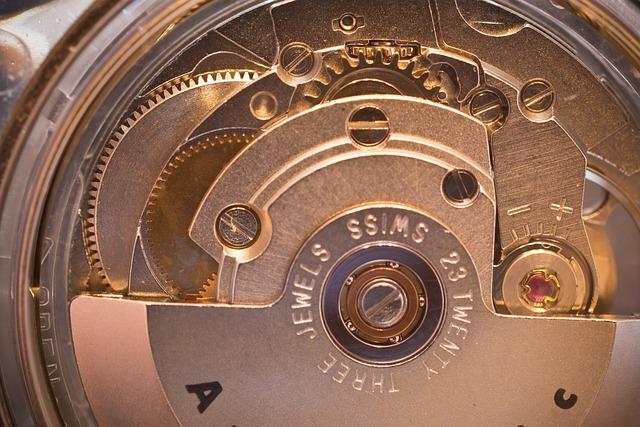
Automatic winding, also known as self-winding, is a popular winding method in modern mechanical watches. These watches feature a rotor that swings freely with the movements of your wrist, which winds the mainspring through a series of gears. This winding method is ideal for those who wear their watches regularly as the motion of your arm keeps the watch powered. However, if you do not wear your automatic watch for an extended period, it may require manual winding to start it up again.
Bidirectional Winding
Bidirectional winding is a variation of automatic winding that allows the rotor to rotate in both directions. This type of winding is commonly found in sports and diver watches. The advantage of bidirectional winding is that it allows the watch to wind more quickly and efficiently. The swinging motion of the rotor is effective whether it’s clockwise or counterclockwise, ensuring that the watch is always kept powered.
Unidirectional Winding
In contrast to bidirectional winding, unidirectional winding only allows the rotor to rotate in one direction. This winding method is mostly seen in pilot watches and chronographs. The advantage of unidirectional winding is its ability to efficiently wind the mainspring in a specific direction, which helps in maintaining more accurate timekeeping. However, it may require manual winding if the watch has been left idle for an extended period.
By understanding the different winding methods for specific watch types, you can effectively care for and maintain the longevity of your mechanical timepiece. Whether it’s manual winding, automatic winding, bidirectional winding, or unidirectional winding, there’s a method suited to every watch enthusiast’s needs. Remember to always consult your watch’s manufacturer or manual for specific instructions on winding your particular timepiece.

Taking Care of the Crown and Stem During Mechanical Watch Winding
When it comes to winding a mechanical watch, there are a few key steps you should follow to ensure you take proper care of the crown and stem. These are delicate components of your timepiece that require gentle handling and attention. Here’s how you can master the art of winding your mechanical watch while keeping its crown and stem in top-notch condition.
1. Know Your Watch’s Winding Direction: Before you start winding your watch, it’s crucial to determine its winding direction. Most mechanical watches are either manual-winding or automatic-winding. For manual-winding watches, the crown should be turned clockwise in short, gentle movements until you feel resistance. Avoid excessive force, as this can damage the delicate mechanism. On the other hand, automatic watches will wind themselves with the natural movement of your wrist, so no manual winding is required.
2. Be Gentle with the Crown: The crown, located on the side of your watch, is used to set the time and date as well as wind the mechanism. To ensure its longevity, it’s important to be gentle when handling the crown. Avoid pulling it out forcefully or turning it too vigorously. When winding your watch, apply gentle pressure and always turn the crown in a continuous motion. This will minimize the risk of straining or damaging the delicate stem inside.
3. Avoid Over-Winding: Over-winding your mechanical watch can lead to serious damage to the crown and stem. To prevent this, it’s important to pay attention to the resistance you feel while winding. Once you encounter resistance, stop winding immediately. Do not force the crown if it becomes difficult to turn, as this may indicate that your watch is already fully wound. By avoiding over-winding, you’ll protect your timepiece from unnecessary wear and tear.
4. Regular Maintenance: To ensure the longevity of your watch’s crown and stem, regular maintenance is vital. Professional servicing every few years will not only keep your timepiece running accurately but also allow experts to check and lubricate the crown and stem. Additionally, it’s important to keep your watch clean and dry, as moisture can damage these delicate components. Remember to store your watch in a protective case when not in use to further protect the crown and stem from potential harm.

Avoiding Overwinding: Tips & Tricks for Safe Winding
Mastering the art of winding a mechanical watch is essential for any watch enthusiast. However, it’s important to be cautious and avoid overwinding, which can damage the delicate mechanisms inside. We’ve put together a list of tips and tricks to help you safely wind your watch and ensure its longevity.
1. Know your watch’s winding limits
Every watch has its own winding limits, and it’s crucial to understand them. Take the time to read the manufacturer’s instructions or consult with a professional to determine the ideal number of turns for your specific timepiece. Overwinding occurs when you continuously wind the watch past its recommended limits, which can strain the internal components.
2. Use a gentle and even motion
When winding your watch, it’s important to maintain a gentle and even motion. Avoid applying excessive force or sudden jerks, as this can put unnecessary pressure on the winding mechanism. Instead, use a smooth and controlled motion while turning the crown.
3. Pay attention to the resistance
While winding, pay attention to the resistance you feel in the crown. Most mechanical watches have a natural stopping point when fully wound. Avoid forcing the crown past this point to prevent overwinding. If you encounter resistance while winding, it’s a sign that your watch is fully or nearing the end of its winding capacity.
4. Regularly wind your watch
Regular winding is essential to keep your mechanical watch running smoothly. Aim to wind your watch at least once a day, preferably in the morning. This ensures continuous power supply and prevents the movement from becoming stagnant.
5. Consider an automatic winding system
If you frequently forget to wind your watch or are concerned about overwinding, consider investing in an automatic or self-winding timepiece. These watches feature a rotor that automatically winds the mainspring as you move your wrist. This eliminates the need for manual winding while ensuring the watch is never overwound.
By following these tips and tricks, you’ll become a master at winding your mechanical watch safely. Remember to always treat your timepiece with care and consult with a professional if you have any concerns or questions regarding the winding process.

Unveiling the Benefits of Regular Mechanical Watch Winding
Regular mechanical watch winding is a crucial aspect of watch ownership that can significantly enhance the performance and longevity of your timepiece. With proper winding techniques, you can ensure that your mechanical watch remains accurate, reliable, and functional for years to come. Whether you enjoy the fine craftsmanship of luxury watches or have a sentimental attachment to a family heirloom, mastering the art of winding is an essential skill every watch enthusiast should possess.
One of the primary benefits of regular winding is the prevention of power reserve depletion. Mechanical watches rely on the energy stored in their mainspring, which slowly unwinds as the watch runs. By winding your watch regularly, you keep the mainspring fully tensioned, allowing it to deliver optimal power to the movement. This helps maintain accurate timekeeping and ensures that your watch continues to function smoothly.
Additionally, consistent winding can prevent the watch from stopping unexpectedly. If a mechanical watch is left unused for an extended period, the mainspring can lose its tension, causing the watch to stop. By winding your watch regularly, you keep the mainspring at an optimal tension level, reducing the chances of encountering a stopped watch when you next fasten it to your wrist.
Moreover, regular winding provides an opportunity for you to connect with your timepiece on a more intimate level. Manual winding allows you to appreciate the intricate mechanics inside your watch as you feel the resistance in the crown and observe the hands moving. This hands-on experience not only deepens your understanding of horology but also fosters a greater appreciation for the craftsmanship and artistry that goes into creating a mechanical watch.
To achieve the best results when winding your mechanical watch, follow these key steps:
1. Remove your watch from your wrist to ensure a comfortable and secure grip.
2. Locate the crown, which is usually located at the 3 o’clock position on the watch case.
3. Gently and carefully pull the crown out to its first position, allowing you to wind the mainspring.
4. Turn the crown clockwise until you feel slight resistance or until the seconds hand begins to move.
5. Avoid excessive force or over-winding, as this can potentially damage the movement or the mainspring.
6. Once the watch is sufficiently wound, push the crown back in, making sure it is securely in place.
7. Give your watch a few gentle shakes to get the movement going, and enjoy the accurate timekeeping and smooth operation.
In conclusion, regular mechanical watch winding offers numerous benefits, including improved accuracy, prevention of power reserve depletion, prevention of unexpected stoppage, and a more intimate connection with your timepiece. By mastering the art of winding, you can ensure the longevity and optimal performance of your mechanical watch, allowing you to appreciate its beauty and functionality for years to come.
Troubleshooting: Common Problems and Solutions in Winding a Mechanical Watch
As fascinating as mechanical watches can be, they often require a bit of careful attention and maintenance. Winding a mechanical watch might seem like a simple task, but there are common issues that can arise along the way. Here are some typical problems you may encounter when winding your timepiece, along with practical solutions.
1. Overwinding the Watch
One of the most common mistakes is overwinding the watch. This occurs when you continue to wind the watch even after you feel resistance. Overwinding can damage the delicate internal components, leading to costly repairs. To avoid this issue, always stop winding the watch as soon as you feel resistance. It’s better to be cautious than risk damaging your timepiece.
2. Inconsistent Timekeeping
If you notice that your mechanical watch is not keeping accurate time, it could be due to insufficient winding. Inconsistent timekeeping is often a result of inconsistent power distribution within the watch’s movement. To address this, make sure to wind your mechanical watch fully until you feel resistance. By doing so, you ensure a consistent and steady power supply to the timekeeping mechanism.
3. Difficulty in Winding
Sometimes, you may encounter difficulty when attempting to wind your mechanical watch. This can be frustrating, but there are some simple solutions. First, check if the crown is fully pushed in before attempting to wind. If it is not properly pushed in, the gears may not engage correctly, causing difficulty in winding. Additionally, ensure that your grip on the crown is firm but gentle, as excessive force can lead to unnecessary stress on the winding mechanism.
4. Uneven Winding Tension
If you find that the winding tension feels inconsistent or uneven, it could be due to a lubrication issue or dirt and debris affecting the movement. In this case, it is advisable to have your watch serviced by a professional. They can clean, lubricate, and properly adjust the winding mechanism to ensure smooth and consistent winding tension.
| Problem | Solution |
|---|---|
| Overwinding the watch | Stop winding as soon as you feel resistance. |
| Inconsistent timekeeping | Ensure full winding until you feel resistance for a steady power supply. |
| Difficulty in winding | Check if the crown is fully pushed in and wind with a firm yet gentle grip. |
| Uneven winding tension | Seek professional servicing to clean and lubricate the movement. |

Recommended Maintenance Practices to Enhance Watch Winding Efficiency
Mastering the art of winding a mechanical watch is not only about achieving precision and accuracy but also about maintaining its performance and longevity. To ensure your watch consistently performs at its best, here are some recommended maintenance practices to enhance its winding efficiency:
- Clean and Lubricate: Regularly clean your watch to remove any dust, dirt, or debris that may affect its winding mechanism. Apply a thin layer of high-quality lubricant to the gears and other moving parts to reduce friction and ensure smooth winding.
- Proper Storage: When you’re not wearing your watch, store it in a cool, dry place away from direct sunlight and extreme temperatures. This helps prevent any damage to the watch’s internal components and extends its lifespan.
- Regular Servicing: Schedule regular servicing with a certified watchmaker or the manufacturer to inspect and maintain your watch’s winding mechanism. This involves cleaning, lubrication, and adjustment to ensure optimal performance and accuracy.
- Set a Routine: Establish a consistent routine for winding your watch to ensure it receives the necessary energy to function properly. Avoid over-winding by knowing the limits of your watch’s winding mechanism, which may vary depending on the specific model.
By following these recommended maintenance practices, you can significantly enhance the winding efficiency of your mechanical watch. Not only will this ensure accurate timekeeping, but it will also safeguard its value and allow you to enjoy your timepiece for years to come.
Key Takeaways
In conclusion, mastering the art of winding a mechanical watch is an essential skill for any watch enthusiast. By following a few simple steps, you can ensure the longevity and accuracy of your timepiece. Remember to always wind your watch before wearing it and be mindful of the specific winding mechanism your watch uses. Regular winding is crucial to keeping the watch running smoothly and maintaining its timekeeping capabilities. Additionally, take care to wind the watch gently and avoid over-winding, as this can cause unnecessary stress on the movement. Lastly, do not forget to store your watch properly when not in use, as this will also contribute to its overall performance and lifespan. By incorporating these practices into your routine, you can confidently master the art of winding your mechanical watch and enjoy its timeless beauty for years to come.
Get our latest guides, news, and insights highlighted in your Google Search & AI Overviews.