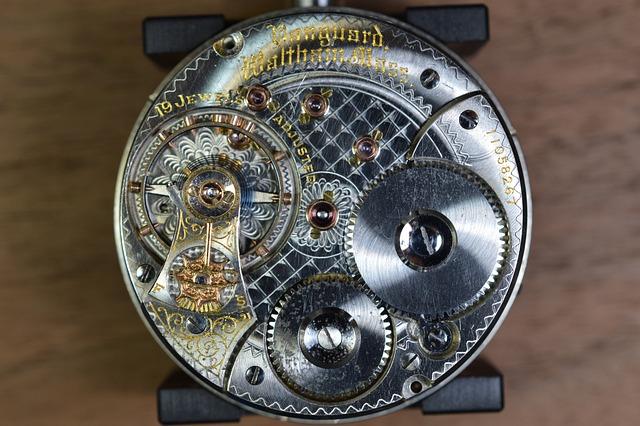
How Does a Mechanical Pocket Watch Work? Vintage Elegance Explained
Mechanical pocket watches have long been a symbol of vintage elegance, capturing the timeless appeal of craftsmanship and precision. But have you ever wondered how these intricate timepieces actually work? In this article, we will unravel the inner workings of a mechanical pocket watch, shedding light on the fascinating mechanisms that power these classic accessories. Join us as we explore the mechanics behind this timeless piece of history.
Contents
- Introduction to Mechanical Pocket Watches
- The Intricate Mechanisms at Work
- Exploring the Components of a Pocket Watch
- Understanding the Role of the Crown and Stem
- Unveiling the Escapement Mechanism
- Examining the Balance Wheel and Hairspring
- Delving into the Gear Train and Main Spring
- The Importance of Regular Maintenance and Care
- Tips for Keeping Your Mechanical Pocket Watch Running Smoothly
- Insights and Conclusions
Introduction to Mechanical Pocket Watches
Today, we are delving into the intricate world of mechanical pocket watches. These timepieces have a rich history dating back centuries, and their vintage elegance is truly timeless. From their intricate inner workings to their stylish exteriors, mechanical pocket watches are a true work of art.
At the heart of a mechanical pocket watch is a fascinating system of gears, springs, and levers that work together to keep time accurately. Unlike quartz watches which are powered by batteries, mechanical pocket watches are powered by winding a spring either manually or automatically.
When you wind a mechanical pocket watch, you are essentially storing energy in the mainspring. As the mainspring unwinds, it releases this energy through a series of gears that drive the hands of the watch. The ticking sound you hear is the escapement mechanism regulating the release of energy, ensuring the hands move at a constant rate.
Whether you are a collector, a horology enthusiast, or simply appreciate the charm of vintage timepieces, a mechanical pocket watch is a true marvel of engineering worth exploring.

The Intricate Mechanisms at Work
When you peer inside the mesmerizing world of a mechanical pocket watch, you uncover a realm of intricate mechanisms working together in perfect harmony. At its core, a pocket watch is a marvel of engineering, a symphony of gears, springs, and levers that come together to measure time with precision and elegance.
One of the key components of a mechanical pocket watch is the mainspring, a coiled spring that stores energy when wound up. As the mainspring unwinds, it releases this stored energy, powering the watch’s movement. The escapement mechanism controls the release of this energy in precise increments, allowing the gears to turn and move the hands of the watch.
| Component | Description |
|---|---|
| Balance Wheel | Regulates the movement of the gears |
| Escape Wheel | Controls the release of energy from the mainspring |
| Gears | Transmit energy from the mainspring to the hands of the watch |
As you watch the hypnotic dance of the balance wheel oscillating back and forth, you can’t help but appreciate the intricate craftsmanship that goes into creating a mechanical pocket watch. Each component plays a vital role in the overall functionality of the watch, working together seamlessly to keep time ticking in vintage elegance.

Exploring the Components of a Pocket Watch
When you open up a mechanical pocket watch, you will find a fascinating array of intricate components that work together to keep time with precision and elegance. Let’s take a closer look at some of the key parts that make up these vintage timepieces:
- Dial: The face of the pocket watch where the hour and minute hands are located, as well as any additional complications such as a date window or subdials.
- Movement: The inner mechanism of the pocket watch that drives the hands and keeps time. In a mechanical pocket watch, this movement is powered by a mainspring that is wound either manually or automatically.
- Balance Wheel: A crucial component of the movement that oscillates back and forth to regulate the timekeeping accuracy of the watch.
- Escapement: This mechanism controls the release of energy from the mainspring to the gear train, allowing the hands to move in a controlled manner.
| Component | Function |
|---|---|
| Gear Train | Transfers energy from the mainspring to the escapement |
| Crown | Used to wind the mainspring and set the time |
| Hands | Indicate the hours, minutes, and sometimes seconds |
Each of these components plays a vital role in the functioning of a mechanical pocket watch, combining craftsmanship and precision to create a timeless piece of vintage elegance.

Understanding the Role of the Crown and Stem
The crown and stem of a mechanical pocket watch play essential roles in its operation, allowing for precise timekeeping and adjustments. The crown is the small knob located on the side of the watch case, used for winding the watch and setting the time. When the crown is turned clockwise, it winds the mainspring, storing energy to power the watch. Turning the crown counterclockwise allows for the time to be set by moving the hands on the dial.
The stem, connected to the crown, serves as a bridge between the movement of the crown and the internal mechanisms of the watch. It transfers the energy from winding the mainspring to the gears that regulate the movement of the hands. Proper maintenance of the crown and stem is crucial to ensure the smooth operation of a mechanical pocket watch. Regular cleaning and lubrication can prevent wear and tear, prolonging the lifespan of these components.
In addition to their functional aspects, the crown and stem also contribute to the overall aesthetic appeal of a vintage mechanical pocket watch. The intricate designs and craftsmanship of these parts showcase the attention to detail and artistry of watchmakers from bygone eras. Whether adorned with ornate engravings or minimalist in style, the crown and stem add a touch of elegance to these timeless timepieces. Embracing the charm of vintage pocket watches means appreciating not only their historical significance but also the craftsmanship that goes into every intricate detail, including the crown and stem.
Unveiling the Escapement Mechanism
The escapement mechanism is a crucial component in the inner workings of a mechanical pocket watch, responsible for regulating the release of energy from the mainspring to the gears, which ultimately drive the hands of the watch. This intricate system, consisting of a pallet fork and an escape wheel, controls the timing of the watch by allowing the gears to advance at precise intervals.
The pallet fork, often referred to as the “heart” of the escapement, acts as a gatekeeper, alternately engaging with the teeth of the escape wheel to control the flow of energy. As the mainspring unwinds, it transfers energy to the escape wheel, causing it to rotate. The pallet fork then catches onto the teeth of the escape wheel, allowing the gear train to advance by a set amount before releasing it to trigger the next cycle.
With each tick of the escapement mechanism, the balance wheel oscillates back and forth, providing the familiar ticking sound of a mechanical watch. This rhythmic motion, regulated by the escapement, ensures that the timekeeping accuracy of the watch remains consistent. Combined with the intricate gear train and mainspring, the escapement mechanism plays a vital role in the vintage elegance and timeless appeal of a mechanical pocket watch.
Examining the Balance Wheel and Hairspring
The balance wheel and hairspring are crucial components in the functioning of a mechanical pocket watch. The balance wheel is responsible for regulating the movement of the watch, ensuring that it runs at a consistent and accurate pace. It swings back and forth, much like a pendulum, in a controlled manner thanks to the tension of the hairspring.
The hairspring, also known as the balance spring, is a delicate coil of metal that is attached to the balance wheel. It serves to control the speed at which the balance wheel oscillates, acting as a spring to push and pull the wheel back and forth. The tension of the hairspring can be adjusted to fine-tune the accuracy of the pocket watch.
Together, the balance wheel and hairspring work in harmony to keep time in a mechanical pocket watch. The precision and craftsmanship of these components are what give vintage timepieces their elegant and timeless appeal. Understanding how they function can deepen your appreciation for the intricate inner workings of these classic accessories.
Delving into the Gear Train and Main Spring
When it comes to understanding how a mechanical pocket watch operates, it’s essential to delve into the intricate components that make up its inner workings. The gear train and main spring are two critical elements that play a crucial role in keeping the watch running smoothly and accurately.
Gear Train:
- The gear train is a series of interconnected gears that transmit power from the mainspring to the escapement mechanism.
- Each gear within the train serves a specific purpose in regulating the speed at which the watch’s hands move.
- The gear train is carefully designed to ensure precise timekeeping and consistent performance.
Main Spring:
- The main spring is a tightly wound coil of metal that stores energy when the watch is wound.
- As the main spring unwinds, it releases this stored energy, which is then transferred through the gear train to power the watch’s movement.
- Regular winding of the main spring is essential to keep the watch running accurately and prevent it from stopping.

The Importance of Regular Maintenance and Care
Regular maintenance and care are essential for keeping your mechanical pocket watch in optimal working condition. By taking the time to properly care for your vintage timepiece, you can ensure that it continues to function smoothly and accurately for years to come. Here are some key reasons why regular maintenance is important:
– **Preventive Maintenance**: Regular cleaning and oiling of the watch movement can help prevent wear and tear on the delicate components, ensuring that the watch continues to run smoothly.
– **Accuracy**: Proper maintenance can help to keep the watch running accurately, allowing you to rely on it for keeping time.
– **Longevity**: With regular care, your pocket watch can last for generations, becoming a cherished heirloom that can be passed down through your family.
– **Preservation**: Maintaining your pocket watch can help preserve its vintage elegance and value, making it a prized possession for years to come.
Tips for Keeping Your Mechanical Pocket Watch Running Smoothly
There are a few key tips to keep in mind to ensure that your mechanical pocket watch continues to run smoothly for years to come. By following these simple steps, you can maintain the vintage elegance of your timepiece:
- Regularly wind your pocket watch to keep it running accurately. A mechanical pocket watch needs to be wound daily to ensure optimal performance.
- Avoid exposing your watch to extreme temperatures or humidity, as this can damage the delicate inner workings of the timepiece.
- Periodically clean your pocket watch using a soft cloth to remove any dust or dirt that may have accumulated on the exterior.
- Store your pocket watch in a protective case when not in use to prevent scratches or damage to the outer casing.
By following these tips, you can enjoy the beauty and craftsmanship of your mechanical pocket watch for generations to come.
Insights and Conclusions
In conclusion, the intricate workings of a mechanical pocket watch may seem complex at first glance, but with a deeper understanding of its components and functions, the vintage elegance of these timepieces truly shines. From the mainspring to the escapement, each part plays a crucial role in keeping accurate time. By appreciating the craftsmanship and artistry that goes into making a mechanical pocket watch tick, we gain a newfound respect for these timeless pieces of history. So next time you see a vintage pocket watch, you’ll have a deeper appreciation for how it all comes together to keep time ticking accurately.
Get our latest guides, news, and insights highlighted in your Google Search & AI Overviews.