Mechanical Watch Repair Guide: DIY Tips for Timepiece Maintenance
Have you ever found yourself marveling at the intricate craftsmanship of a mechanical watch and wondered how to keep it in pristine condition? Look no further than our comprehensive guide on DIY tips for timepiece maintenance. Whether you’re a seasoned collector or a novice enthusiast, this article will provide you with the knowledge and expertise needed to keep your beloved timepiece ticking for years to come. From common maintenance tasks to troubleshooting tips, we’ve got you covered. Let’s delve into the fascinating world of mechanical watch repair and ensure that your prized possession remains in top-notch condition.
Contents
- – Understanding the Inner Workings of Mechanical Watches
- – Essential Tools Needed for DIY Mechanical Watch Repair
- Essential Tools Needed for DIY Mechanical Watch Repair
- – Step-by-Step Guide to Basic Timepiece Maintenance
- – Common Issues to Look Out For in Mechanical Watches
- – Tips for Properly Cleaning and Lubricating Your Timepiece
- – Troubleshooting Tips for DIY Repairs
- – When to Seek Professional Help for Watch Repair
- – Preserving the Longevity of Your Mechanical Watch
- – Resources for Further Learning and Assistance in Timepiece Maintenance
- In Retrospect
– Understanding the Inner Workings of Mechanical Watches
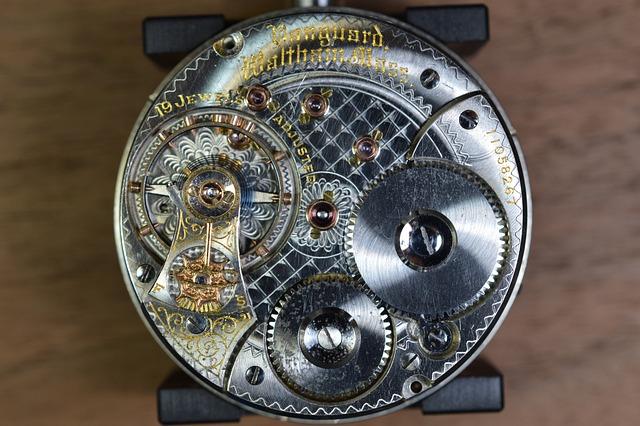
When it comes to understanding the inner workings of mechanical watches, it is important to recognize that these timepieces are intricate pieces of machinery that require regular maintenance to function properly. By gaining insight into how mechanical watches operate, you can better appreciate the craftsmanship that goes into creating these timeless pieces.
Here are some DIY tips for maintaining your mechanical watch:
- Regular Cleaning: Dust and dirt can accumulate inside your watch, affecting its accuracy. Use a soft, lint-free cloth to wipe down the exterior of your watch and a soft brush to gently clean the inside.
- Keep it Wound: If you have a manual winding watch, make sure to wind it regularly to keep the mainspring tensioned. For automatic watches, wearing them daily should be enough to keep them running smoothly.
- Avoid Water Exposure: Mechanical watches are not typically designed to be water-resistant, so avoid exposing them to water to prevent damage to the delicate internal components.
- Seek Professional Help: If you notice any issues with your watch, such as inaccurate timekeeping or unusual ticking sounds, it is best to consult a professional watchmaker for repairs.
| Issue | Solution |
|---|---|
| Watch is running slow | Have the watchmaker regulate the movement to improve accuracy. |
| Watch is not winding properly | Check if the crown is fully screwed in or consult a watchmaker for repairs. |

– Essential Tools Needed for DIY Mechanical Watch Repair
Essential Tools Needed for DIY Mechanical Watch Repair
When it comes to maintaining and repairing mechanical watches, having the right tools is essential. Here are some key tools you’ll need to have in your DIY watch repair kit:
- Watchmakers Loupe: A high-quality magnifying glass that will help you see small details and intricate parts.
- Screwdrivers: Precision screwdrivers in various sizes to help you access and repair different parts of the watch.
- Tweezers: Fine-tipped tweezers to handle small parts with precision and care.
- Spring Bar Tool: Used to remove and replace spring bars when changing watch straps.
- Case Back Opener: A tool designed to safely open the back of the watch case without damaging it.
- Hand Remover: Used to carefully remove the hands of the watch without causing any damage.
- Movement Holder: Keeps the movement secure when working on the watch, preventing any accidental damage.
Having these essential tools at your disposal will make DIY mechanical watch repair much easier and more successful. Remember to always work carefully and methodically to avoid any damage to your timepiece.

– Step-by-Step Guide to Basic Timepiece Maintenance
When it comes to maintaining your mechanical watch, regular care and attention can go a long way in ensuring its longevity and optimal performance. Follow these DIY tips to keep your timepiece in top condition:
- Cleaning: Gently wipe down your watch with a soft, lint-free cloth to remove dirt, dust, and sweat. For deeper cleaning, use a mild soap and water solution, being careful to avoid the watch’s movement.
- Strap Care: If your watch has a leather strap, avoid exposure to water as it can damage the material. For metal straps, use a damp cloth to clean and a toothbrush to reach small crevices.
- Movement Inspection: Periodically check the movement of your watch to ensure it is running smoothly and accurately. If you notice any issues, it may be time for a professional service.
| Timepiece Maintenance Tip | Details |
|---|---|
| Storage | Store your watch in a cool, dry place away from direct sunlight to prevent damage. |
| Water Resistance | Regularly check the water resistance of your watch and have it tested by a professional if needed. |
– Common Issues to Look Out For in Mechanical Watches
- Water damage: One of the most common issues with mechanical watches is water damage. Moisture can seep into the inner workings of the watch, causing rust and corrosion. To prevent this, make sure your watch is water-resistant and avoid exposing it to water for extended periods.
- Overwinding: Overwinding a mechanical watch can put undue stress on the delicate components, leading to damage. Be mindful not to turn the crown too forcefully, and stop winding once you feel resistance.
- Magnetization: Exposure to strong magnetic fields can disrupt the movement of a mechanical watch, causing it to run fast or slow. To avoid magnetization, keep your watch away from items like cellphones, speakers, and magnets.
- Impact damage: Dropping or bumping your watch can cause internal components to shift or break. Handle your watch carefully and consider getting a protective case if you lead an active lifestyle.
| Problem | Solution |
|---|---|
| Water damage | Ensure watch is water-resistant and avoid exposure to water |
| Overwinding | Stop winding once you feel resistance |
| Magnetization | Avoid strong magnetic fields |
| Impact damage | Handle watch carefully and consider protective case |

– Tips for Properly Cleaning and Lubricating Your Timepiece
Properly cleaning and lubricating your timepiece is essential for maintaining its accuracy and longevity. Here are some DIY tips to help you keep your mechanical watch in top condition:
- Clean Regularly: Use a soft, lint-free cloth to gently wipe down the exterior of your watch. Be sure to remove any dirt, dust, or fingerprints from the case, crystal, and bracelet.
- Clean the Caseback: To prevent moisture buildup, remove the caseback periodically and wipe it clean with a soft cloth. Check for any signs of corrosion or rust.
- Lubricate Wisely: If you notice that your watch movement is not running smoothly, it may be time to lubricate the gears. Use a small amount of high-quality watch oil to lubricate the key components.
By following these simple tips, you can help prolong the life of your timepiece and ensure that it continues to keep accurate time for years to come.

– Troubleshooting Tips for DIY Repairs
When it comes to maintaining your mechanical watch, a little DIY repair work can go a long way in keeping your timepiece running smoothly. Here are some troubleshooting tips to help you tackle common issues:
- Watch is running slow or fast: If your watch is not keeping accurate time, it may need to be regulated. You can adjust the timekeeping by using the regulator on the movement. Consult your watch’s manual for instructions on how to do this.
- Water damage: If your watch has been exposed to water, immediately remove the case back and place the watch in a bowl of uncooked rice. The rice will help absorb the moisture and prevent further damage. After a day or two, take the watch to a professional for a thorough inspection.
- Loose crown or stem: If the crown or stem of your watch feels loose, it may need tightening. You can carefully tighten the crown using a pair of tweezers. Be gentle to avoid damaging the delicate components of the movement.
- Crystal scratches: If the crystal of your watch has minor scratches, you can buff them out using a mild abrasive paste. Apply the paste to a soft cloth and gently rub it in a circular motion over the scratch until it fades. Wipe off any excess paste and your crystal will look good as new.

– When to Seek Professional Help for Watch Repair
There are times when DIY watch repair is not enough and seeking professional help is necessary. Here are some signs that indicate it’s time to take your timepiece to a watch repair expert:
- Water Damage: If your watch has been exposed to water and is no longer functioning properly, it’s best to have a professional inspect and repair it.
- Losing Time: If your watch is consistently losing time or stopping altogether, it may be a sign of a more serious issue that requires professional attention.
- Physical Damage: If your watch has been dropped or suffered any physical trauma, it’s important to have it checked by a professional to ensure all components are working properly.
Remember, attempting to repair a complicated mechanical watch on your own can potentially cause more harm than good. By seeking professional help, you can ensure the longevity and accuracy of your timepiece.

– Preserving the Longevity of Your Mechanical Watch
Proper maintenance is crucial to ensuring the longevity and accuracy of your mechanical watch. Here are some DIY tips to help you preserve the value of your timepiece:
- Keep your watch wound: Regularly winding your mechanical watch helps prevent the oils from drying out and keeps the movement running smoothly.
- Avoid magnetic fields: Magnetic fields can disrupt the movement of your watch, affecting its accuracy. Keep your watch away from electronic devices such as phones and laptops.
- Protect it from water: Unless your watch is specifically designed for diving, avoid exposing it to water to prevent damage to the movement.
- Store it properly: When not wearing your watch, store it in a watch box or pouch to protect it from dust, moisture, and scratches.
By following these simple maintenance tips, you can ensure that your mechanical watch remains in top condition for years to come. If you notice any issues with your watch, don’t hesitate to take it to a professional watchmaker for repairs.

– Resources for Further Learning and Assistance in Timepiece Maintenance
Whether you are a seasoned horologist or a novice enthusiast, taking care of your mechanical watch properly is crucial to ensure its longevity and accuracy. To assist you in this endeavor, we have compiled a comprehensive list of resources for further learning and assistance in timepiece maintenance.
Below are some helpful DIY tips and recommendations to keep your timepiece in top condition:
- Regular Cleaning: Use a soft cloth to gently clean the case and bracelet of your watch regularly to prevent dirt and grime buildup.
- Maintain Proper Water Resistance: Make sure to check the water resistance rating of your watch and have it tested by a professional if needed.
- Keep Your Watch Wound: If your mechanical watch is not self-winding, make sure to wind it regularly to keep it running smoothly.
| Resource | Description |
|---|---|
| Online Watch Forums | Join online communities where watch enthusiasts share maintenance tips and tricks. |
| Watchmaking Workshops | Attend workshops to learn hands-on techniques for maintaining your timepiece. |
| Watch Repair Manuals | Invest in repair manuals specific to your watch brand for detailed maintenance instructions. |
By following these DIY tips and utilizing the recommended resources, you can ensure that your mechanical watch stays in pristine condition for years to come.
In Retrospect
In conclusion, maintaining and repairing your mechanical watch can be a rewarding experience with the right knowledge and tools at hand. By following the DIY tips outlined in this guide, you can ensure that your timepiece continues to function smoothly for years to come. Remember to exercise caution and patience when working on your watch, and seek professional help if you encounter any issues beyond your expertise. With proper care and maintenance, your mechanical watch can be a lifelong companion that stands the test of time. Happy repairing, and may your timepiece always keep ticking!
Get our latest guides, news, and insights highlighted in your Google Search & AI Overviews.