Mechanical Watch vs Battery: Choosing the Right Timepiece for You
In the world of timepieces, the age-old debate between mechanical watches and battery-operated watches continues to spark interest and divide watch enthusiasts. While each type has its own unique characteristics and appeal, the decision ultimately comes down to personal preference and lifestyle. Whether you appreciate the intricate craftsmanship of a mechanical watch or the convenience of a battery-operated one, choosing the right timepiece for you is a decision worth exploring. Let’s dive into the differences between these two types of watches to help you make an informed choice.
Contents
- Mechanical Watch vs Battery: Understanding the Differences
- Craftsmanship and Elegance: The Appeal of Mechanical Watches
- Precision and Convenience: The Benefits of Battery Watches
- Longevity and Durability: Which Timepiece Lasts Longer?
- Maintenance and Cost: Comparing the Ownership Experience
- Environmental Impact: Eco-Friendly Choices for Your Wrist
- Personal Style and Functionality: Matching Your Watch to Your Lifestyle
- Resale Value and Investment: Which Timepiece Holds Its Value Better?
- Choosing the Right Watch for You: Factors to Consider
- Final Decision: Making the Choice Between Mechanical and Battery Watches
- Key Takeaways
Mechanical Watch vs Battery: Understanding the Differences
When it comes to choosing a timepiece, one of the key decisions you’ll need to make is whether you want a mechanical watch or a battery-powered one. Each type of watch has its own unique characteristics and advantages, so it’s important to understand the differences between them before making your choice.
**Mechanical Watches:**
- Powered by a mainspring
- No need for batteries
- Handcrafted and often considered luxury items
- Require regular winding to keep accurate time
- Can be more expensive upfront but can last for generations
**Battery-Powered Watches:**
- Run on a battery
- No winding required
- Usually more affordable than mechanical watches
- Accurate timekeeping with minimal maintenance
- May need the battery replaced every few years
Ultimately, the decision between a mechanical watch and a battery-powered watch comes down to personal preference and lifestyle. If you appreciate the craftsmanship and tradition of mechanical watches and don’t mind the extra maintenance, a mechanical watch may be the right choice for you. However, if you prioritize convenience, accuracy, and affordability, a battery-powered watch might be more suitable. Whichever you choose, both types of watches can be stylish, functional timepieces that serve you well for years to come.

Craftsmanship and Elegance: The Appeal of Mechanical Watches
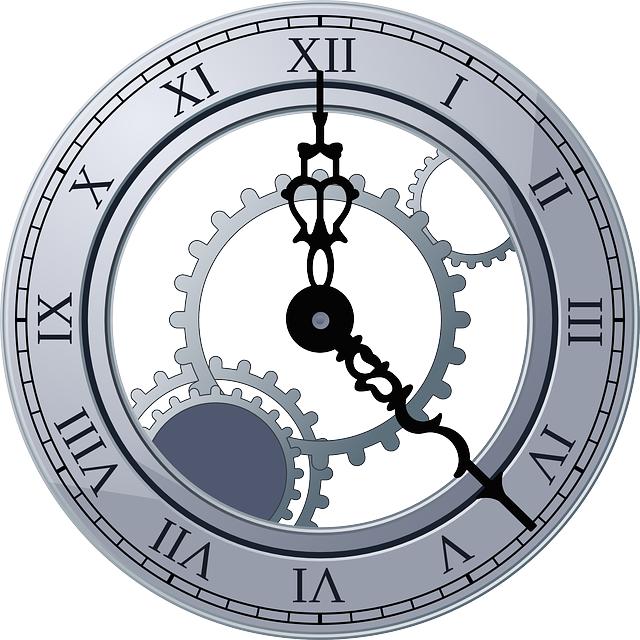
Mechanical watches have a timeless appeal that stems from the intricate craftsmanship and attention to detail put into each piece. The intricate inner workings of a mechanical watch are like a miniature masterpiece, with gears, springs, and wheels all working together harmoniously to keep time ticking accurately.
When comparing mechanical watches to battery-powered timepieces, one key factor to consider is the longevity and durability of the watch. Mechanical watches are known for their longevity, with many being passed down through generations as heirlooms. These watches are often hand-crafted by skilled artisans, adding a touch of elegance and sophistication to any outfit.
In terms of style and design, mechanical watches offer a wide range of options to suit every taste and preference. Whether you prefer a classic design with a leather strap or a more modern look with a metal bracelet, there is a mechanical watch out there for everyone. Additionally, the intricate details and craftsmanship of mechanical watches can add a touch of luxury to any ensemble, making them a stylish accessory for any occasion.
Precision and Convenience: The Benefits of Battery Watches
Battery watches offer a combination of precision and convenience that is hard to beat. Unlike mechanical watches that require regular winding or wearing to keep time accurately, battery watches run on a small battery that can last for years without needing to be replaced. This means you can rely on your battery watch to always keep accurate time without any extra maintenance.
Another benefit of battery watches is their durability. Because they don’t have intricate mechanical components, battery watches are less prone to damage from everyday wear and tear. This makes them ideal for active individuals or those who want a timepiece that can withstand the test of time.
Additionally, battery watches are often more affordable than their mechanical counterparts. This means you can enjoy the benefits of a reliable timepiece without breaking the bank. With a wide range of styles and designs available, there is sure to be a battery watch that suits your preferences and lifestyle.

Longevity and Durability: Which Timepiece Lasts Longer?
When considering longevity and durability in a timepiece, the choice between a mechanical watch and a battery-powered watch is crucial. Mechanical watches are known for their intricate craftsmanship and engineering, with each component meticulously designed to last for generations. The movements of a mechanical watch are powered by a mainspring, which is wound either manually or automatically, resulting in a continuous and precise timekeeping experience.
On the other hand, battery-powered watches, also known as quartz watches, use a battery to power the movement, providing accurate timekeeping with minimal maintenance. While quartz watches may not have the same level of craftsmanship as mechanical watches, they are highly reliable and require fewer servicing intervals. The choice between the two ultimately comes down to personal preference and lifestyle.
In terms of longevity, mechanical watches have the edge over battery-powered watches. With proper care and regular servicing, a mechanical watch can last a lifetime and even be passed down to future generations as a cherished heirloom. Battery-powered watches, on the other hand, may require battery replacements every few years and have a limited lifespan due to the electronic components inside.
In conclusion, when choosing between a mechanical watch and a battery-powered watch, consider your lifestyle, preferences, and long-term goals. Whether you value the tradition and craftsmanship of a mechanical watch or the convenience and accuracy of a battery-powered watch, both options offer unique benefits that cater to different individuals’ needs.
Maintenance and Cost: Comparing the Ownership Experience
When it comes to choosing between a mechanical watch and a battery-powered watch, one of the key factors to consider is the maintenance and cost associated with each type of timepiece.
**Maintenance:**
– **Mechanical Watch:** Mechanical watches require regular servicing every 3-5 years to ensure they continue to function accurately. This involves intricate work by a skilled watchmaker to clean, oil, and adjust the movement. While this can be more expensive and time-consuming, many watch enthusiasts appreciate the craftsmanship and tradition behind mechanical watches.
– **Battery-Powered Watch:** Battery-powered watches, on the other hand, are low maintenance and do not require regular servicing. Simply replace the battery when it runs out, and your watch will continue to run smoothly. This makes battery-powered watches a more convenient option for those who prefer a low-maintenance timepiece.
**Cost:**
– **Mechanical Watch:** The initial cost of a mechanical watch can be higher than a battery-powered watch due to the intricate craftsmanship and materials used. In addition, the cost of servicing a mechanical watch every few years can add up over time. However, many enthusiasts are willing to invest in a mechanical watch for its quality, longevity, and unique appeal.
– **Battery-Powered Watch:** Battery-powered watches are typically more affordable compared to mechanical watches, both in terms of the initial purchase price and maintenance costs. While they may not have the same prestige as mechanical watches, battery-powered watches offer reliable timekeeping at a lower price point.
Environmental Impact: Eco-Friendly Choices for Your Wrist
When considering the environmental impact of your wristwatch, it’s essential to weigh the benefits of a mechanical watch versus a battery-powered one. Mechanical watches are powered by a complex system of gears and springs, eliminating the need for batteries that contribute to electronic waste. Opting for a mechanical watch is a sustainable choice that reduces your carbon footprint.
Mechanical watches are timeless pieces of craftsmanship that can last for generations with proper care and maintenance. By investing in a quality mechanical watch, you are not only making an eco-friendly choice but also supporting traditional watchmaking techniques. These watches are often handed down as heirlooms, reducing the need for new production and further decreasing environmental impact.
On the other hand, battery-powered watches are convenient and accurate timepieces that require minimal maintenance. However, the environmental impact of disposable batteries is a concern. When choosing a battery-powered watch, opt for rechargeable batteries or look for brands that prioritize sustainability and offer recycling programs for old batteries. Make the conscious choice to reduce waste and lessen your environmental footprint with every tick of your wristwatch.
Personal Style and Functionality: Matching Your Watch to Your Lifestyle
When it comes to choosing a watch that suits your lifestyle, one of the key factors to consider is whether to opt for a mechanical watch or a battery-powered one. Each type has its own pros and cons, and it’s important to weigh them against your personal style and functionality needs.
Mechanical Watches:
- Are powered by a complex system of gears, springs, and wheels that require regular winding
- Are often handmade and can be considered a piece of art
- Usually have a longer lifespan and can be passed down through generations
Battery-Powered Watches:
- Run on a quartz movement powered by a battery, requiring minimal maintenance
- Are usually more affordable and widely available
- Offer more accurate timekeeping compared to mechanical watches
| Aspect | Mechanical Watch | Battery-Powered Watch |
|---|---|---|
| Cost | Higher initial cost | More affordable |
| Maintenance | Requires regular winding | Minimal maintenance required |
| Lifespan | Longer lifespan | Shorter lifespan |

Resale Value and Investment: Which Timepiece Holds Its Value Better?
When considering the resale value and investment potential of a timepiece, the type of movement plays a significant role. Mechanical watches, known for their intricate craftsmanship and manual winding, generally hold their value better over time compared to battery-operated watches. This is due to the higher quality materials used in mechanical watches, as well as the expertise required to maintain and repair them.
In terms of investment, choosing a mechanical watch can be a wise decision as these timepieces often appreciate in value, especially if they are limited edition or from a prestigious brand. On the other hand, battery-operated watches, while more affordable initially, tend to depreciate in value over time due to their lower quality materials and lack of collectability.
When deciding between a mechanical watch and a battery-operated watch, consider your personal style, budget, and long-term investment goals. While mechanical watches may require more maintenance and care, their timeless appeal and potential for appreciation make them a valuable addition to any watch collection.
Choosing the Right Watch for You: Factors to Consider
When it comes to choosing a watch, there are several factors to consider to ensure you select the perfect timepiece for your needs. One of the main decisions you will need to make is whether you prefer a mechanical watch or a battery-powered one. Both types have their pros and cons, so it’s essential to weigh them carefully before making your final choice.
Mechanical Watches:
- Classic and timeless appeal
- No need for batteries, powered by winding or movement
- Potentially higher maintenance costs
- Typically more expensive upfront
Battery-Powered Watches:
- Accurate timekeeping with minimal effort
- Low maintenance requirements
- Less expensive upfront cost
- May need battery replacements over time
| Aspect | Mechanical Watch | Battery-Powered Watch |
|---|---|---|
| Cost | Higher upfront cost | Lower upfront cost |
| Maintenance | Potentially higher maintenance costs | Low maintenance requirements |
| Power Source | Winding or movement | Batteries |

Final Decision: Making the Choice Between Mechanical and Battery Watches
When it comes to choosing between a mechanical watch and a battery-operated timepiece, there are a few key factors to consider to make the right decision for you.
If you appreciate craftsmanship and tradition, a mechanical watch may be the perfect choice for you. These watches are powered by a complex system of gears and springs, often handmade by skilled artisans. The intricate mechanisms inside a mechanical watch can be a work of art in themselves, making them a beloved heirloom that can be passed down through generations.
On the other hand, if you value convenience and accuracy, a battery watch might suit your needs better. Battery watches are powered by a small battery that can easily be replaced, eliminating the need for winding or regular maintenance. These watches are known for their accuracy and reliability, making them a practical choice for everyday wear.
| Mechanical Watch | Battery Watch |
| Handcrafted with intricate mechanisms | Powered by a replaceable battery |
| Tradition and craftsmanship | Convenience and accuracy |
Ultimately, the choice between a mechanical watch and a battery watch comes down to your personal preferences and lifestyle. Whichever option you choose, both types of timepieces have their own unique charm and benefits.
Key Takeaways
In conclusion, when it comes to choosing between a mechanical watch and a battery-powered one, it ultimately depends on your personal preferences and lifestyle. Mechanical watches offer a timeless elegance and intricate craftsmanship, whereas battery-powered watches provide convenience and reliability. Consider factors such as maintenance, accuracy, and style when making your decision. Regardless of your choice, both types of timepieces have their own unique charms and appeal. Choose the watch that resonates with you the most and enjoy wearing it with confidence. Remember, the right timepiece is the one that suits your individual tastes and lifestyle.
Get our latest guides, news, and insights highlighted in your Google Search & AI Overviews.