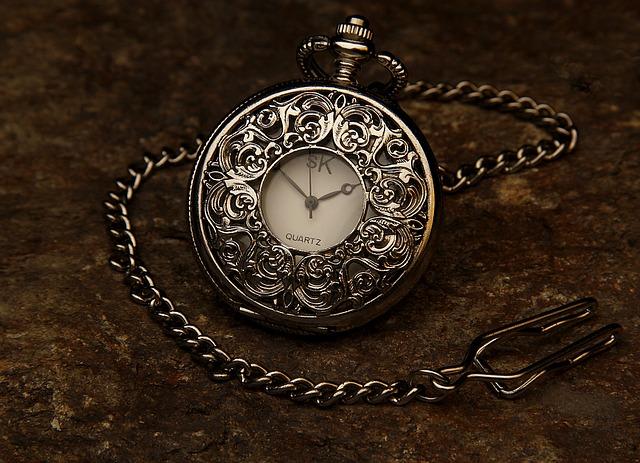
Power Your Timepiece: Self Winding Watch vs Automatic Comparison
Are you on the hunt for a new timepiece but can’t decide between a self-winding watch and an automatic one? Look no further! In this in-depth comparison, we’ll break down the differences between these two popular watch movements, so you can power your wrist with the perfect timepiece. Let’s dive in and explore the world of self-winding watches and automatics together.
Contents
- Self-Winding Watch vs Automatic: Understanding the Difference
- The Mechanics Behind Self-Winding Watches
- Pros and Cons of Self-Winding Timepieces
- Automatic Watches: How Do They Work?
- Comparing the Accuracy of Self-Winding vs Automatic Watches
- Maintenance and Longevity: Self-Winding vs Automatic Watches
- Choosing the Right Watch for Your Lifestyle
- Self Winding Watch vs Automatic Comparison
- Key Considerations When Investing in a Timepiece
- Our Top Picks for Self-Winding and Automatic Watches
- Key Takeaways
Self-Winding Watch vs Automatic: Understanding the Difference
When it comes to choosing a timepiece, the terms “self-winding” and “automatic” are often used interchangeably, but they actually refer to slightly different mechanisms. Understanding the difference between a self-winding watch and an automatic watch can help you make an informed decision when shopping for a new timepiece.
Self-Winding Watch:
- A self-winding watch is powered by the natural motion of the wearer’s wrist.
- It contains a rotor that moves with the wearer’s movements, winding the mainspring of the watch.
- They typically have a power reserve of around 48 hours, meaning they can continue to keep time even when not being worn.
Automatic Watch:
- An automatic watch is also powered by the natural motion of the wearer’s wrist.
- It contains a rotor, similar to a self-winding watch, that winds the mainspring of the watch with the wearer’s movements.
- The main difference is that automatic watches also have a manual winding option, allowing the wearer to manually wind the watch if needed.

The Mechanics Behind Self-Winding Watches
Self-winding watches, also known as automatic watches, are timepieces that are powered by the natural motion of the wearer’s wrist. These watches do not require manual winding like traditional mechanical watches, making them a convenient option for those who are always on the go.
involve a small rotor inside the watch that moves every time the wearer’s wrist moves. This rotor winds the mainspring of the watch, storing energy that powers the watch’s movement. The movement of the rotor is transferred to gears that then power the hands of the watch, keeping accurate time.
One key advantage of self-winding watches is that they do not require batteries to operate, making them a more sustainable option in the long run. Additionally, the continuous motion of the rotor ensures that the watch remains powered as long as it is being worn.
In comparison to manual winding watches, self-winding watches offer the convenience of not having to remember to wind the watch daily. However, it is important to note that self-winding watches may still require occasional manual winding if they are not worn for an extended period of time.
Pros and Cons of Self-Winding Timepieces
When it comes to choosing a timepiece, self-winding watches and automatic watches are two popular options to consider. Each type has its own set of pros and cons that can help you make the best decision for your needs. Here are some key points to consider when comparing self-winding watches and automatic watches:
- Pros of Self-Winding Timepieces:
- Convenience: Self-winding watches do not require a battery and are powered by the movement of your wrist.
- Low Maintenance: With regular wear, self-winding watches stay wound and keep accurate time without needing manual winding.
- Unique Mechanism: The intricate design of a self-winding mechanism adds a touch of craftsmanship to your timepiece.
- Cons of Self-Winding Timepieces:
- Accuracy: Self-winding watches may lose time if not worn regularly, requiring adjustment.
- Cost: Self-winding watches can be more expensive to manufacture due to their complex mechanisms.
- Additional Weight: The intricate self-winding mechanism can add extra weight to the watch.

Automatic Watches: How Do They Work?
When it comes to automatic watches, many people wonder how they actually work. These timepieces are a marvel of engineering, combining traditional craftsmanship with modern technology to create a watch that requires no manual winding. Instead, automatic watches are powered by the movement of your wrist, keeping them ticking as long as you wear them.
So, how exactly does this mechanism work? Inside an automatic watch are a few key components that work together to keep the watch running smoothly:
- 1. Rotor: This is a weight that rotates freely inside the watch, responding to the natural movements of your wrist.
- 2. Gear train: The rotor is connected to the gear train, transferring the energy generated by your wrist movement to the mainspring.
- 3. Mainspring: This is the spring that stores the energy and releases it slowly to power the watch.
Overall, automatic watches are a fascinating combination of mechanical ingenuity and wearable technology. They offer the convenience of never needing a battery change while providing a sense of connection to the tradition of watchmaking.

Comparing the Accuracy of Self-Winding vs Automatic Watches
When it comes to the accuracy of timepieces, the debate between self-winding and automatic watches is a popular topic among watch enthusiasts. Each type of watch has its own unique features and benefits that can affect how accurately it tells time.
Self-Winding Watches:
- Also known as automatic watches, self-winding timepieces are powered by the natural motion of the wearer’s wrist.
- They contain a rotor that spins with the movement of the wrist, which winds the mainspring and powers the watch.
- Self-winding watches are known for their convenience, as they do not require manual winding or a battery change.
Automatic Watches:
- Automatic watches are similar to self-winding watches but often have the option to be manually wound if they have not been worn for a period of time.
- They may also have a power reserve indicator to show how much energy is left in the watch.
- Automatic watches can be more accurate than self-winding watches, as they are typically fine-tuned and regulated by watchmakers.
| Feature | Self-Winding Watches | Automatic Watches |
|---|---|---|
| Power Source | Wearer’s wrist motion | Wearer’s wrist motion or manual winding |
| Convenience | No manual winding necessary | Option to manually wind |
| Accuracy | May require more frequent adjustment | Fine-tuned by watchmakers for accuracy |

Maintenance and Longevity: Self-Winding vs Automatic Watches
When it comes to choosing between a self-winding watch and an automatic watch, it’s important to consider the maintenance and longevity of these timepieces. Both options have their own unique features and benefits that cater to different preferences and lifestyles.
Let’s break it down:
- Self-Winding Watches: These watches are powered by the movement of your wrist. They require regular wear to keep the watch running efficiently and accurately. If you don’t wear the watch often, you may need a watch winder to ensure it stays powered. Self-winding watches are known for their traditional elegance and craftsmanship.
- Automatic Watches: Automatic watches also rely on wrist movement to keep them running, but they have a more advanced mechanism that winds the watch as you move. These watches are low-maintenance and convenient for those who may not wear a watch every day. Automatic watches are valued for their precision and durability.
| Feature | Self-Winding | Automatic |
|---|---|---|
| Maintenance | Requires regular wear or a watch winder | Low-maintenance |
| Longevity | May need servicing if not worn regularly | Durable and precise |
| Power Source | Wrist movement | Advanced mechanism |
Ultimately, the choice between a self-winding watch and an automatic watch comes down to personal preference and lifestyle. Both options offer quality craftsmanship and reliable timekeeping, so you can’t go wrong with either choice!

Choosing the Right Watch for Your Lifestyle
Self Winding Watch vs Automatic Comparison
When it comes to , understanding the difference between a self-winding watch and an automatic watch is crucial. Both types of timepieces offer unique features and benefits, but there are key distinctions to consider.
Self-Winding Watch:
- Powered by the movement of your wrist
- No battery required
- Needs to be worn regularly to maintain power reserve
- May require manual winding if not worn for an extended period
Automatic Watch:
- Also known as a mechanical watch
- Powered by a mainspring and regulated by a balance wheel
- Does not require manual winding like a self-winding watch
- May still need occasional winding to keep accurate time
| Feature | Self-Winding Watch | Automatic Watch |
|---|---|---|
| Power Source | Movement of wrist | Mainspring |
| Battery Requirement | No | No |
| Maintenance | Regular wear | Occasional winding |

Key Considerations When Investing in a Timepiece
When investing in a timepiece, there are several key considerations to keep in mind to ensure you are making the best choice for your needs and style. One important factor to consider is the difference between self-winding watches and automatic watches. Both types of watches rely on the movement of the wearer’s wrist to power the watch, but there are some key differences between the two.
**Accuracy**: Self-winding watches are typically more accurate than automatic watches, as they are designed to wind themselves more efficiently. This means that self-winding watches are less likely to lose time over the course of a day.
**Maintenance**: Automatic watches require more maintenance than self-winding watches, as they need to be manually wound every few days to keep them running smoothly. Self-winding watches, on the other hand, will continue to wind themselves as long as they are being worn regularly.
**Price**: In general, self-winding watches tend to be more expensive than automatic watches due to their higher level of craftsmanship and accuracy. However, both types of watches can be found at a range of price points to suit different budgets.
Overall, when investing in a timepiece, it is important to consider your personal preferences and lifestyle to determine whether a self-winding watch or an automatic watch is the right choice for you. Both types of watches offer unique benefits, so it ultimately comes down to what features are most important to you in a timepiece.
Our Top Picks for Self-Winding and Automatic Watches
When it comes to choosing a timepiece that suits your lifestyle, self-winding and automatic watches are top contenders for watch enthusiasts. Both types of watches eliminate the need for manual winding, making them convenient and reliable options for everyday wear.
Self-winding watches use a rotor that moves with the natural motion of the wearer’s wrist to wind the mainspring. On the other hand, automatic watches utilize the same mechanism but also have a winding rotor that winds the mainspring through the kinetic energy generated by the wearer’s movements.
Here are that combine style and functionality:
- Rolex Submariner: A classic choice for diving enthusiasts, the Rolex Submariner is a durable and stylish self-winding watch with a reputation for precision and reliability.
- Omega Seamaster: Known for its association with James Bond, the Omega Seamaster is an iconic automatic watch with a sleek design and robust performance.
- Tag Heuer Carrera: A favorite among racing enthusiasts, the Tag Heuer Carrera is a self-winding watch with a chronograph function and a sporty yet sophisticated look.
Key Takeaways
In conclusion, both self-winding and automatic watches offer convenience and reliability by harnessing kinetic energy to power themselves. While self-winding watches require manual winding, automatic watches maintain power through daily wear. Ultimately, the choice between the two comes down to personal preference and lifestyle. Whether you opt for the hands-on approach of a self-winding watch or the effortless operation of an automatic, both options ensure accurate timekeeping and craftsmanship that is sure to stand the test of time. So, consider your daily routine and select the timepiece that suits you best. Whichever you choose, rest assured that you are investing in a quality piece that will keep you on schedule for years to come.
Get our latest guides, news, and insights highlighted in your Google Search & AI Overviews.