Power Up: Kinetic vs Mechanical Watch – Which Wins?
When it comes to choosing a timepiece, the debate between kinetic and mechanical watches has long been a topic of discussion among horology enthusiasts. Both technologies have their unique strengths and features, but which one comes out on top? In this article, we’ll delve into the differences between kinetic and mechanical watches, examining their functions, advantages, and overall performance to help you make an informed decision on which type of watch is right for you. Let’s power up and dive into the world of timekeeping!
Contents
- Power Up: The Ultimate Showdown between Kinetic and Mechanical Watches
- Comparing Kinetic and Mechanical Watches
- Unveiling the Mechanics Behind Kinetic Watches
- Comparing Accuracy: Kinetic vs Mechanical Watches
- The Environmental Impact: Kinetic vs Mechanical Watches
- What’s the Right Choice for You: Kinetic or Mechanical Watch?
- Understanding the Inner Workings of Kinetic Watches
- Durability Test: Kinetic Watches vs Mechanical Watches
- Making a Statement: Fashion and Functionality of Kinetic vs Mechanical Watches
- Key Takeaways
Power Up: The Ultimate Showdown between Kinetic and Mechanical Watches
Comparing Kinetic and Mechanical Watches
When it comes to choosing a watch, the decision between kinetic and mechanical can be a tough one. Both types of watches have their own unique advantages and disadvantages, making it important to consider your preferences and lifestyle when making a choice.
One of the main differences between kinetic and mechanical watches is how they are powered. Kinetic watches are powered by the movement of the wearer’s wrist, while mechanical watches require regular winding to keep them running. This means that kinetic watches are often a more convenient option for those who are constantly on the go, while mechanical watches may appeal more to those who appreciate the craftsmanship and tradition of traditional watchmaking.
Another key factor to consider when choosing between kinetic and mechanical watches is their accuracy. Kinetic watches tend to be more accurate than mechanical watches, as they are powered by a quartz crystal that regulates the movement of the watch. However, some watch enthusiasts may argue that the craftsmanship and intricacy of mechanical watches make up for any slight differences in accuracy.

Unveiling the Mechanics Behind Kinetic Watches
Kinetic watches and mechanical watches both have their own unique mechanisms that power them. While both are fascinating in their own right, there are distinct differences between the two that make them stand out. Let’s take a closer look at the mechanics behind kinetic watches and how they compare to their mechanical counterparts.
Kinetic Watches:
- Utilize a rechargeable battery that is powered by the motion of the wearer’s wrist
- Convert kinetic energy into electrical energy through a rotor, which then charges the battery
- Offer the convenience of not needing regular winding like mechanical watches
Mechanical Watches:
- Use a mainspring to store energy, which is wound by hand or through the motion of the wearer’s wrist
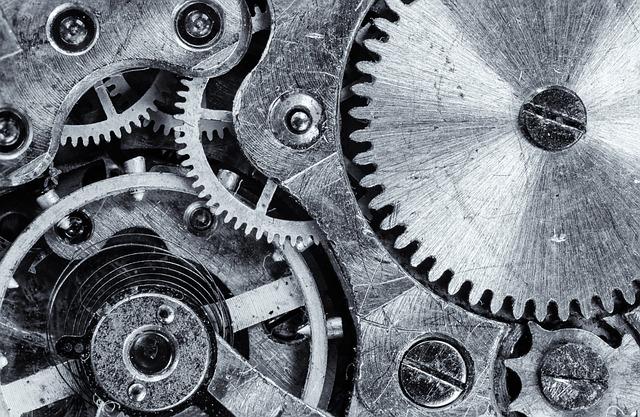
- Rely on a series of gears and escapements to regulate the release of energy and power the watch
- Require regular winding to keep accurate time and maintain power reserve
| Feature | Kinetic Watch | Mechanical Watch |
|---|---|---|
| Energy Source | Motion of wearer’s wrist | Mainspring |
| Convenience | Does not require regular winding | Requires regular winding |
| Precision | High accuracy due to quartz crystal regulation | May need more frequent time adjustments |
Comparing Accuracy: Kinetic vs Mechanical Watches
When it comes to accuracy, kinetic and mechanical watches have their own strengths and weaknesses. Below, we will break down the key differences between the two types of timepieces:
Kinetic Watches:
- Powered by the movement of the wearer’s wrist
- Typically more accurate than mechanical watches
- Do not require manual winding
- May need to be reset if not worn regularly
Mechanical Watches:
- Powered by a mainspring and gears
- May lose or gain a few seconds per day
- Require regular winding to maintain accuracy
- Considered more traditional and luxurious
Ultimately, the choice between a kinetic and mechanical watch comes down to personal preference and lifestyle. If accuracy is your top priority, a kinetic watch may be the better option. However, if you appreciate the craftsmanship and history of mechanical watches, then a mechanical timepiece might be the right choice for you.

The Environmental Impact: Kinetic vs Mechanical Watches
When it comes to choosing between a kinetic and a mechanical watch, one important factor to consider is the environmental impact. Both types of watches have their own set of pros and cons when it comes to sustainability and energy efficiency.
Kinetic watches:
- Utilize the motion of the wearer to generate power
- Do not require batteries, reducing electronic waste
- Can be considered a more eco-friendly option
Mechanical watches:
- Operate using a mainspring and gears
- Do not rely on external power sources like batteries
- Are typically more durable and longer-lasting
Ultimately, both kinetic and mechanical watches have their own environmental advantages. While kinetic watches may be more sustainable due to their energy-generating capabilities and lack of batteries, mechanical watches are known for their longevity and timeless appeal. It ultimately depends on your personal preference and values when choosing between the two options.

What’s the Right Choice for You: Kinetic or Mechanical Watch?
When it comes to choosing between a kinetic or mechanical watch, it all comes down to personal preference and lifestyle. Kinetic watches, also known as automatic watches, are powered by the movement of the wearer’s wrist. This means they don’t require a battery and are more environmentally friendly. On the other hand, mechanical watches are powered by a spring that needs to be manually wound on a regular basis.
If you lead an active lifestyle or simply prefer the convenience of not having to worry about winding your watch, a kinetic watch may be the right choice for you. However, if you appreciate the intricate craftsmanship and history behind mechanical watches, you may find yourself drawn to the charm of a traditional timepiece.
Ultimately, the decision between a kinetic and mechanical watch comes down to your personal style, preferences, and values. Whichever you choose, both types of watches offer their own unique advantages and charm. So, whether you opt for the modern convenience of a kinetic watch or the timeless elegance of a mechanical watch, rest assured that you’re making a stylish and sophisticated choice.
Understanding the Inner Workings of Kinetic Watches
When it comes to timepieces, Kinetic and Mechanical watches are two of the most popular choices for watch enthusiasts. Both types of watches have their own unique mechanisms and functions, but which one comes out on top?
Kinetic Watches:
- Powered by the movement of the wearer’s arm
- Utilizes a quartz crystal to regulate timekeeping
- Does not require manual winding
Mechanical Watches:
- Powered by a complex system of gears and springs
- Requires manual winding or automatic winding via a rotor
- Precise craftsmanship and attention to detail required
So, which wins in the battle of Kinetic vs Mechanical watches? It ultimately comes down to personal preference. Kinetic watches are known for their convenience and accuracy, while mechanical watches are prized for their craftsmanship and tradition. Whichever you choose, both types of watches offer a unique and timeless appeal that will elevate your style and sophistication.

Durability Test: Kinetic Watches vs Mechanical Watches
In the world of watches, there has always been a debate between kinetic and mechanical timepieces. Both types have their loyal followers, but when it comes to durability, which one reigns supreme? Let’s take a closer look at the strengths and weaknesses of each to find out which one comes out on top.
**Kinetic Watches:**
– Self-charging through movement
– Less maintenance required
– More accurate timekeeping
– Resistant to shocks and impacts
**Mechanical Watches:**
– Hand-wound or automatic winding
– Classic appeal and craftsmanship
– Potentially longer life span with proper care
– More traditional movement
When it comes to durability, both kinetic and mechanical watches have their strengths. Kinetic watches are known for their resilience to shocks and impacts, making them ideal for everyday wear. On the other hand, mechanical watches have a timeless appeal and can last for generations with proper maintenance. Ultimately, the choice between the two comes down to personal preference and lifestyle.
Making a Statement: Fashion and Functionality of Kinetic vs Mechanical Watches
When it comes to timepieces, the debate between kinetic and mechanical watches has been ongoing for years. Both types of watches have their own unique features and benefits, making it a difficult choice for watch enthusiasts.
Kinetic watches are powered by the movement of the wearer’s arm, converting kinetic energy into electrical energy that powers the watch. This technology allows for a more environmentally friendly option as it eliminates the need for battery replacements. On the other hand, mechanical watches are powered by a complex system of gears and springs that require manual winding to keep them running.
While kinetic watches offer the convenience of not needing to be wound regularly, mechanical watches have a timeless appeal and craftsmanship that is hard to beat. The intricate movements of a mechanical watch are often considered a work of art, with each component carefully designed and assembled by skilled watchmakers.
Key Takeaways
In conclusion, when it comes to choosing between a kinetic and mechanical watch, it ultimately comes down to personal preference. Both types of watches have their own strengths and weaknesses, with kinetic watches offering the convenience of not needing regular winding, while mechanical watches provide a traditional and timeless appeal.
When considering factors such as accuracy, longevity, and maintenance, it’s important to weigh the pros and cons of each type of watch to determine which one best suits your lifestyle and preferences. Whichever option you choose, both kinetic and mechanical watches are built with precision and craftsmanship, making them reliable timepieces that can elevate your style and functionality.
Whether you opt for the self-sustaining energy of a kinetic watch or the intricate mechanics of a mechanical watch, the most important thing is to choose a watch that resonates with you and fits seamlessly into your daily routine. Ultimately, the decision between kinetic and mechanical watches is a personal one that should reflect your unique style and needs.
Get our latest guides, news, and insights highlighted in your Google Search & AI Overviews.