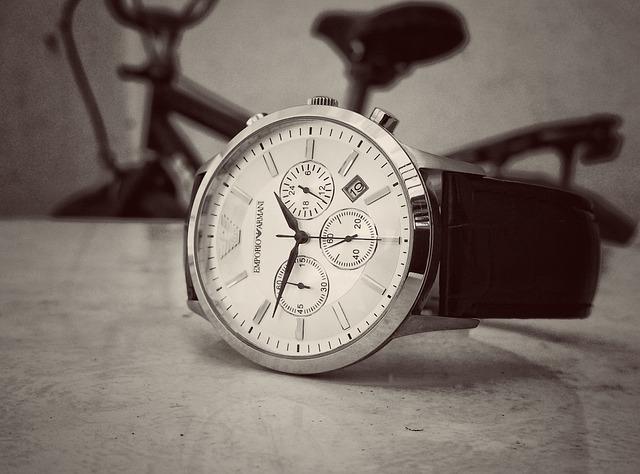
Powering Time: How Often Wind Mechanical Watch?
Have you ever wondered how mechanical watches keep ticking without the need for batteries or charging? In this article, we’ll delve into the fascinating world of wind-powered timepieces and explore how often you need to wind them to keep them running smoothly. Get ready to uncover the inner workings of these timeless classics and discover the art of powering time with the simple turn of a crown.
Contents
- Understanding Wind Mechanical Watches
- The Importance of Regularly Winding Your Watch
- Factors Affecting How Often You Need to Wind Your Watch
- Benefits of Consistently Winding Your Watch
- Signs Your Watch Needs to be Wound
- Common Indications Your Watch Requires Winding
- Tips for Maintaining Your Wind Mechanical Watch
- Future Outlook
Understanding Wind Mechanical Watches
In order to keep your wind mechanical watch running smoothly and accurately, it is important to wind it regularly. The frequency at which you need to wind your watch will depend on the specific movement and power reserve of your timepiece. Some watches may need to be wound daily, while others can go up to two days without needing to be wound.
When winding your mechanical watch, it is important to do so gently and consistently to avoid damaging the delicate components inside. Overwinding can cause stress on the mainspring, so be sure to stop winding once you feel resistance. It is recommended to wind your watch at the same time each day to establish a routine and ensure your watch stays on time.
Related: Powering Precision: How Often Should You Wind a Mechanical Watch?
If you have a watch with a power reserve indicator, this can be a helpful tool to determine when it is time to wind your watch. Keeping track of the power reserve can help prevent your watch from stopping unexpectedly. By understanding the power requirements of your wind mechanical watch, you can ensure that it continues to keep precise time day after day.

The Importance of Regularly Winding Your Watch
When it comes to mechanical watches, winding them regularly is essential for keeping them running smoothly and accurately. By winding your watch consistently, you ensure that the mainspring is tensioned, providing the energy needed to power the movement. This simple act of winding also helps to prevent the lubricants in the movement from drying out, which can cause unnecessary wear and tear over time.
So, how often should you wind your watch? The frequency of winding largely depends on the type of movement your watch has. Here are some general guidelines:
- Manual Wind Watches: These watches typically need to be wound every day to keep them running accurately. Taking a few moments each morning to wind your watch can become a meditative ritual, connecting you to your timepiece.
- Automatic Watches: If you wear your automatic watch regularly, the natural movement of your wrist will keep the watch wound. However, if you have multiple watches in your collection, rotating them regularly and giving them a gentle wind every now and then will ensure they stay powered.
| Watch Type | Recommended Winding Frequency |
|---|---|
| Manual Wind | Once a day |
| Automatic | Wear regularly or give a gentle wind every few days |
In conclusion, regular winding of your mechanical watch is not only important for its function but also for its longevity. By establishing a routine and taking the time to wind your watch, you can ensure that it continues to keep time accurately for years to come.

Factors Affecting How Often You Need to Wind Your Watch
include the type of movement it has, the power reserve it offers, and your level of physical activity.
**1. Type of movement:**
– Automatic watches self-wind as you move your wrist, so they may require less frequent manual winding compared to manual watches.
– Manual watches require winding every day or two to keep them running accurately.
**2. Power reserve:**
– Watches with longer power reserves can go longer without needing to be wound.
– If you have a watch with a power reserve indicator, you can track when it’s time to wind it up again.
**3. Physical activity:**
– If you are a sedentary person, your watch may need winding more often than someone who is constantly active.
– Physical movement helps keep automatic watches wound, so if you lead a more active lifestyle, you may not need to manually wind your watch as frequently.
**4. Additional considerations:**
– Temperature and humidity can affect the lubricants inside your watch, impacting how often it needs winding.
– Regular maintenance and servicing can also help regulate the accuracy of your watch and determine how often winding is necessary.
For a quick reference, here’s a general guide for how often you may need to wind your watch based on its movement type:
| Movement Type | How Often to Wind |
| ————- | —————– |
| Manual | Daily or every 2 days |
| Automatic | Every 1-2 weeks |
| Quartz | Rarely, only when the battery needs to be replaced |
Benefits of Consistently Winding Your Watch
Consistent Winding, Consistent Performance
One of the key benefits of consistently winding your mechanical watch is the guarantee of accurate timekeeping. By winding your watch at the same time each day, you ensure that the movement is always powered and running smoothly. This can help prevent your watch from losing time or stopping altogether, keeping you punctual and on schedule.
Another advantage of regular winding is the opportunity to bond with your timepiece. Taking the time each day to wind your watch can create a sense of connection and care for the intricate mechanics inside. It’s a simple yet meaningful ritual that can enhance your appreciation for the craftsmanship and artistry of your watch.
Additionally, consistent winding can help prolong the lifespan of your watch. By keeping the movement engaged and operational, you reduce the risk of internal components becoming stagnant or deteriorating over time. This can lead to fewer repairs and maintenance in the long run, saving you time and money in the process.

Signs Your Watch Needs to be Wound
Common Indications Your Watch Requires Winding
For those who own a manual wind timepiece, it is crucial to understand when it needs to be wound to ensure accurate timekeeping. Here are some signs your watch may need winding:
- Your watch has stopped ticking: If you notice that your watch has stopped running, this is a clear indication that it needs to be wound.
- The crown feels loose: If the crown of your watch feels loose or doesn’t engage properly, it may be time to wind it up.
- The time is off: If you notice that your watch is losing time or running slower than usual, winding it may help improve its accuracy.
- You hear a ticking sound: A faint ticking sound coming from your watch can be a sign that it’s time to give it a good wind.

Tips for Maintaining Your Wind Mechanical Watch
When it comes to maintaining your wind mechanical watch, it’s important to follow a few key tips to ensure it stays in top condition for years to come.
- Regularly Wind Your Watch: Unlike automatic watches, wind mechanical watches need to be manually wound to keep them running smoothly. Make it a habit to wind your watch daily to keep it ticking accurately.
- Avoid Over-Winding: Be careful not to over-wind your watch, as this can cause damage to the internal mechanisms. Once you feel resistance while winding, stop immediately.
- Store Your Watch Properly: When not wearing your watch, store it in a watch box or watch roll to protect it from dust and moisture. Avoid placing your watch near magnets or extreme temperatures.
- Get Regular Servicing: To keep your wind mechanical watch in top condition, it’s recommended to have it serviced by a professional every 3-5 years. This will ensure that any issues are caught early and prevent major damage.
Future Outlook
In conclusion, powering a wind mechanical watch depends on the specific model and movement type. The frequency of winding can vary and is typically required every 1-2 days to ensure accurate timekeeping. Remember to always refer to the manufacturer’s instructions for the recommended winding schedule for your watch. By understanding the mechanics of your timepiece and incorporating proper winding habits, you can enjoy the craftsmanship and precision of a wind mechanical watch for years to come. Thank you for reading and happy timekeeping!
Get our latest guides, news, and insights highlighted in your Google Search & AI Overviews.