Battery Watch vs Mechanical Watch: Choosing Your Ideal Timepiece
When it comes to choosing the perfect timepiece, the age-old debate between battery watch and mechanical watch continues to divide watch enthusiasts. Both options offer unique advantages and possibilities, making the decision a personal one. In this article, we will explore the differences between battery watches and mechanical watches to help you make an informed choice for your ideal timepiece.
Contents
- Battery-powered watches: convenience and reliability
- Mechanical watches: timeless craftsmanship and precision
- Comparing battery life: practical considerations
- Durability and maintenance: factors to consider
- Accuracy and precision: the importance of timekeeping
- Design and style: expressing your personal taste
- Cost considerations: weighing your options
- Environmental impact: sustainability in watchmaking
- Choosing the right watch for your lifestyle: practical tips and recommendations
- The Way Forward
Battery-powered watches: convenience and reliability
Battery-powered watches offer a level of convenience that is hard to beat. With a simple battery change every couple of years, you can enjoy accurate timekeeping without the need for regular winding or maintenance. This is perfect for those who lead busy lives and prefer a hassle-free option when it comes to their timepiece.
In terms of reliability, battery-powered watches are known for their accuracy and precision. Unlike mechanical watches that can lose or gain time over time, battery-powered watches typically stay consistent with their timekeeping. This makes them a reliable choice for everyday wear, whether you’re heading to the office or hitting the gym.
When choosing between a battery-powered watch and a mechanical watch, it ultimately comes down to personal preference. Battery-powered watches are ideal for those who value convenience and reliability, while mechanical watches may appeal to those who appreciate the craftsmanship and tradition behind them. Whichever you choose, both options have their own unique charm and functionality.
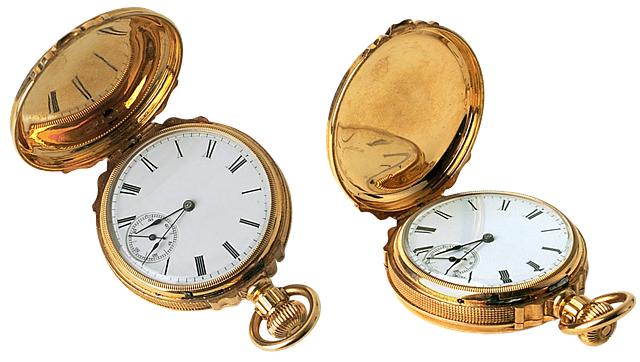
Mechanical watches: timeless craftsmanship and precision
When it comes to choosing a timepiece that reflects both timeless craftsmanship and precision, mechanical watches stand out as a symbol of true artistry. Unlike battery watches, which rely on a quartz crystal to keep time, mechanical watches are powered by intricate movements that are carefully assembled by skilled watchmakers. These movements consist of hundreds of tiny parts working together to keep accurate time, showcasing the dedication and expertise of the artisans behind each piece.
One of the main advantages of mechanical watches is their longevity. With proper care and maintenance, a well-crafted mechanical watch can last for generations, becoming a treasured heirloom that tells a story of tradition and excellence. In addition, mechanical watches offer a level of craftsmanship that is unmatched by battery-powered alternatives, with intricate designs and intricate detailing that showcase the artistry and skill of the watchmaker.
- Combines timeless craftsmanship and precision
- Powered by delicate mechanical movements
| Pros of Mechanical Watches | Cons of Battery Watches |
| Symbol of true artistry | Reliance on quartz crystal |
| Longevity with proper care | Lack of intricate craftsmanship |

Comparing battery life: practical considerations
When comparing battery life between a battery-powered watch and a mechanical watch, there are several practical considerations to keep in mind before making your decision.
Battery Life:
- A battery-powered watch generally has a lifespan of 1-2 years before needing a new battery, whereas a mechanical watch can last a lifetime with regular maintenance.
- While a mechanical watch does not require a battery replacement, it may need to be serviced every 3-5 years to ensure proper functioning.
Convenience:
- A battery-powered watch offers the convenience of not having to wind it regularly, as the battery keeps it running smoothly.
- On the other hand, a mechanical watch requires manual winding or wearing it daily to keep it running accurately.
Durability:
- Battery-powered watches are usually more durable and resistant to shock and water damage due to their sealed construction.
- Mechanical watches are more delicate and require careful handling to prevent damage to their intricate movements.
Overall Cost:
- While a battery-powered watch may be initially cheaper, the cost of replacing batteries every few years can add up over time.
- Investing in a quality mechanical watch may require a larger upfront cost, but it can be a timeless piece that lasts for generations.
In conclusion, the choice between a battery-powered watch and a mechanical watch ultimately comes down to your personal preferences and lifestyle. Consider factors such as convenience, durability, maintenance, and cost before deciding on your ideal timepiece.
Durability and maintenance: factors to consider
When choosing between a battery-powered watch and a mechanical watch, it’s important to consider factors such as durability and maintenance. Battery watches tend to be more durable in terms of water resistance and shock resistance, making them ideal for everyday wear. On the other hand, mechanical watches are known for their craftsmanship and longevity, often lasting for generations with proper care.
Maintenance is another crucial aspect to consider. Battery watches require regular battery replacements, typically every 1-2 years, to ensure optimal performance. On the other hand, mechanical watches need to be serviced every 3-5 years to keep them running smoothly. This maintenance can be more costly and time-consuming, but it’s necessary to preserve the intricate mechanisms of a mechanical timepiece.
In summary, when choosing between a battery watch and a mechanical watch, consider your lifestyle and preferences. If you value durability and low maintenance, a battery watch may be the way to go. However, if you appreciate the artistry and heritage of mechanical watches and are willing to invest in their upkeep, a mechanical timepiece could be your ideal choice. Ultimately, both types of watches offer unique benefits, so it’s all about finding the one that suits your needs best.
Accuracy and precision: the importance of timekeeping
Battery watches and mechanical watches are two popular choices when it comes to timepieces. The decision between the two often comes down to personal preference and priorities. Both types of watches have their own strengths and weaknesses, particularly when it comes to accuracy and precision.
Battery watches are known for their accuracy, as they are powered by a quartz crystal that vibrates at a specific frequency to keep time. This means that battery watches are incredibly precise, losing only a few seconds per month. If you prioritize accuracy above all else, a battery watch may be the best choice for you.
On the other hand, mechanical watches operate using a complex system of gears and springs that require regular winding to keep time. While mechanical watches may not be as accurate as battery watches, they are known for their craftsmanship and timeless appeal. If you appreciate the artistry and tradition of watchmaking, a mechanical watch may be the perfect choice for you.
Ultimately, the decision between a battery watch and a mechanical watch comes down to your individual needs and preferences. Whether you prioritize accuracy or craftsmanship, both types of watches offer unique benefits that can enhance your overall timekeeping experience. Consider what matters most to you in a timepiece, and choose the watch that aligns with your priorities.
Design and style: expressing your personal taste
When it comes to choosing a timepiece that aligns with your personal taste, the debate between a battery watch and a mechanical watch is one that is worth exploring. Both types of watches offer unique design elements and styles that can help you express your individuality.
Battery watches, also known as quartz watches, are known for their accuracy and reliability. They are powered by a battery that sends an electric current through a quartz crystal to keep time. These watches tend to be more affordable and require less maintenance than their mechanical counterparts. Battery watches are often sleek and modern in design, making them a popular choice for those who prefer a minimalist and clean look.
On the other hand, mechanical watches are prized for their craftsmanship and intricate mechanics. These watches are powered by a complex system of gears and springs that must be wound either manually or automatically. Mechanical watches are often seen as a statement piece, with intricate detailing and a sense of heritage and tradition. The craftsmanship that goes into creating a mechanical watch can make them a desirable choice for those who appreciate fine artistry and attention to detail.
Ultimately, the choice between a battery watch and a mechanical watch comes down to personal preference. Consider your lifestyle, budget, and design aesthetic when choosing the ideal timepiece to express your unique style. Whether you opt for the precision of a battery watch or the craftsmanship of a mechanical watch, both options offer a way to showcase your individual taste and personality.
Cost considerations: weighing your options
When it comes to choosing between a battery-powered watch and a mechanical watch, cost considerations play a significant role in the decision-making process. Battery watches are generally more affordable upfront, as they require less intricate craftsmanship and materials compared to mechanical watches. On the other hand, mechanical watches tend to have a higher initial cost due to their complex inner workings and handcrafted components.
Battery Watch:
- Lower upfront cost
- Minimal maintenance required
- Battery replacement needed every 1-2 years
- Easy to find replacement parts
Mechanical Watch:
- Higher initial cost
- Requires regular servicing every 3-5 years
- Longevity of 20-30 years or more
- Appreciates in value over time
Ultimately, your budget and preference for style and craftsmanship will determine which type of watch is the best fit for you. Consider the long-term costs and benefits of each option before making your decision.
Environmental impact: sustainability in watchmaking
Battery watches are known for their convenience and accuracy, as they require minimal maintenance compared to mechanical watches. However, when it comes to environmental impact, battery watches fall short in terms of sustainability. The constant need to replace batteries results in a significant amount of waste being generated, contributing to environmental pollution.
On the other hand, mechanical watches are powered by intricate movements and do not rely on batteries. This makes them a more sustainable option for eco-conscious consumers. Mechanical watches are designed to last for generations, reducing the need for frequent replacements and ultimately decreasing the overall environmental footprint.
When choosing between a battery watch and a mechanical watch, consider the long-term impact on the environment. By opting for a mechanical watch, you are not only investing in a timeless timepiece but also making a conscious choice to support sustainability in watchmaking. Make a difference by choosing a watch that aligns with your values and contributes to a greener future.
Choosing the right watch for your lifestyle: practical tips and recommendations
Battery watches and mechanical watches each have their own unique characteristics and benefits, making the choice between the two a personal decision based on your lifestyle and preferences. If you’re looking for convenience and reliability, a battery watch might be the way to go. These watches are powered by a small battery that typically lasts anywhere from one to three years, eliminating the need for regular winding.
On the other hand, mechanical watches are a favorite among watch enthusiasts for their craftsmanship and intricate design. These watches are powered by a series of gears and springs, requiring regular winding to keep accurate time. While they may require more attention and care, many people appreciate the artistry and tradition behind mechanical watches.
When choosing between a battery watch and a mechanical watch, consider the following factors:
- Accuracy: Battery watches tend to be more accurate than mechanical watches, as they rely on quartz movement for precise timekeeping.
- Maintenance: Mechanical watches require regular servicing to keep them in top condition, while battery watches are generally low maintenance.
- Style: Mechanical watches are often prized for their aesthetic appeal and intricate movements, making them a stylish choice for many watch enthusiasts.
Ultimately, the decision between a battery watch and a mechanical watch comes down to your personal preferences and lifestyle. Whether you prioritize convenience, craftsmanship, or style, there’s a timepiece out there that’s perfect for you.
The Way Forward
In conclusion, when choosing between a battery watch and a mechanical watch, it ultimately comes down to personal preference and lifestyle. Battery watches offer convenience and accuracy, while mechanical watches boast craftsmanship and tradition. Consider your priorities and daily routine to make the best choice for your ideal timepiece. Whichever you choose, both options have their unique features that can cater to different needs and styles. Remember to choose a watch that not only tells time but also reflects your personality and preferences. Ultimately, the perfect timepiece is the one that makes you feel not only punctual but also confident and stylish.
Get our latest guides, news, and insights highlighted in your Google Search & AI Overviews.