Powering Your Timepiece: Automatic vs Battery Watch Guide
Have you ever wondered about the difference between automatic and battery-powered watches? Whether you’re a watch enthusiast or a casual wearer, understanding how your timepiece is powered can make a significant impact on its performance and longevity. In this guide, we will explore the differences between automatic and battery watches, helping you make an informed decision for your next timepiece purchase.
Contents
- Automatic vs Battery Watch Movement: Understanding the Key Differences
- Pros and Cons of Automatic Watches: Why They Stand Out
- Durability and Longevity: Which Movement Type is More Reliable?
- Maintenance and Upkeep: Simplifying Your Watch Care Routine
- Choosing the Right Movement: Factors to Consider Before Making a Decision
- Budget-Friendly Options: Finding the Best Value for Your Money
- Personal Preference: How to Determine the Perfect Movement for Your Needs
- In Retrospect
Automatic vs Battery Watch Movement: Understanding the Key Differences
When it comes to choosing a watch, one of the most important decisions to make is whether to opt for an automatic or battery-powered movement. Both of these options have their own set of advantages and drawbacks, so it’s essential to understand the key differences between the two before making a decision.
Related: What Size Battery in Fossil College Collection Charm Watch? Battery Guide
Automatic Movement:
- Relies on the movement of the wearer’s wrist to keep the watch running
- Does not require battery changes
- Usually more expensive than battery-powered watches
- Considered a more traditional and luxury option
Battery Movement:
- Relies on a battery to power the watch
- Requires regular battery changes every 1-2 years
- Generally more affordable than automatic watches
- Considered a more practical and low-maintenance option
Ultimately, the choice between automatic and battery-powered watches comes down to personal preference and lifestyle. Whether you prioritize convenience, tradition, or cost, understanding the key differences between these two types of movements is crucial in selecting the perfect timepiece for you.
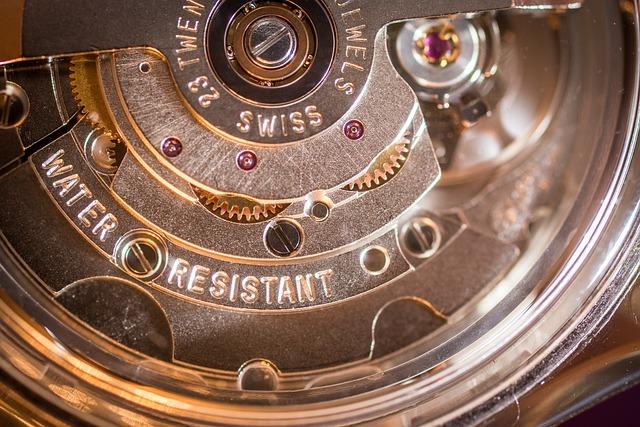
Pros and Cons of Automatic Watches: Why They Stand Out
Automatic watches are a timeless classic that have been around for centuries, offering a blend of traditional craftsmanship and modern technology. Here are some of the pros and cons of automatic watches that set them apart:
- Pros:
- 1. No need for battery replacements, as automatic watches are powered by the movement of your wrist.
- 2. They have a sophisticated and intricate design, often considered a piece of art on your wrist.
- 3. Automatic watches tend to hold their value over time and can even become valuable collector’s items.
- 4. They provide a smooth sweeping motion of the second hand, unlike the ticking motion of quartz watches.
- Cons:
- 1. Automatic watches require regular maintenance to ensure they continue to run accurately.
- 2. They can be more expensive upfront compared to battery-operated watches.
- 3. Automatic watches are not as accurate as quartz watches, with most models losing or gaining a few seconds per day.
- 4. They have a limited power reserve, so you may need to reset the time if you haven’t worn the watch for a few days.

Durability and Longevity: Which Movement Type is More Reliable?
When it comes to choosing between an automatic or battery-powered watch, durability and longevity are key factors to consider. Both types of movements have their own advantages and drawbacks, so it is important to understand which one may be more reliable for your needs.
Automatic movements, powered by the natural movement of your wrist, are known for their craftsmanship and longevity. These watches are often seen as heirloom pieces that can last for generations if properly maintained. With fewer parts susceptible to wear and tear, automatic watches can be a reliable choice for those looking for a timepiece that will stand the test of time.
On the other hand, battery-powered watches, also known as quartz movements, are highly accurate and require minimal maintenance. The battery in these watches can last for several years before needing to be replaced, making them a convenient option for those who prefer a low-maintenance timepiece. While quartz watches may not have the same level of craftsmanship as automatic watches, they are still a reliable choice for everyday wear.
In conclusion, both automatic and battery-powered watches have their own benefits when it comes to durability and longevity. It ultimately comes down to personal preference and lifestyle when choosing which movement type is more reliable for you. Whether you prefer the craftsmanship of an automatic watch or the convenience of a quartz watch, both options can provide you with a reliable timekeeping experience.
Maintenance and Upkeep: Simplifying Your Watch Care Routine
When it comes to maintaining your watch, understanding the power source is crucial. Automatic and battery-powered watches are two common types that require different care routines. Let’s break down the key differences between the two to help you simplify your watch care routine.
Automatic Watches:
- Do not require a battery and are powered by the movement of your wrist.
- Need to be worn regularly to stay powered.
- Should be serviced every 3-5 years to keep them running smoothly.
Battery-Powered Watches:
- Require a battery to function.
- Need to have the battery replaced every 1-2 years, depending on usage.
- Do not require regular wearing to keep them powered.
Which One to Choose?
Both automatic and battery-powered watches have their advantages and disadvantages. If you prefer a watch that you can just grab and go without worrying about winding it, a battery-powered watch may be the best choice for you. However, if you appreciate the craftsmanship and engineering of a mechanical watch that you can pass down through generations, an automatic watch is a great option.

Choosing the Right Movement: Factors to Consider Before Making a Decision
When it comes to selecting the right movement for your timepiece, there are several important factors to consider before making a decision. Whether you’re deciding between an automatic or battery-powered watch, it’s essential to weigh the pros and cons of each to ensure you make the best choice for your lifestyle and preferences.
Automatic Watches:
- Utilizes mechanical movement powered by the wearer’s wrist movement.
- No need for battery replacements, which can save time and money in the long run.
- Typically more expensive upfront but can be considered an investment piece.
- Require regular wear to keep accurate time.
Battery-Powered Watches:
- Operates using a battery that needs to be replaced every 1-2 years.
- Generally less expensive than automatic watches.
- Low maintenance and more accurate timekeeping.
- Convenient for individuals who prefer a hassle-free option.
| Factor | Automatic Watches | Battery-Powered Watches |
|---|---|---|
| Cost | Higher upfront cost | Lower upfront cost |
| Maintenance | Regular wear needed | Battery replacement every 1-2 years |
| Accuracy | May lose or gain time | More accurate timekeeping |

Budget-Friendly Options: Finding the Best Value for Your Money
When it comes to choosing a timepiece, one of the key factors to consider is whether you prefer an automatic or battery-powered watch. Both options have their own set of advantages and disadvantages, so it’s important to weigh them carefully before making a decision.
Automatic Watches:
- Powered by the movement of your wrist
- No need for battery replacements
- Often more expensive upfront
- Require regular maintenance and servicing
Battery Watches:
- Reliable and accurate timekeeping
- Convenient and low maintenance
- Battery replacements needed every 1-2 years
- Generally more affordable than automatic watches
| Features | Automatic Watch | Battery Watch |
| Power Source | Movement of wrist | Battery |
| Maintenance | Regular servicing | Battery replacement |
| Cost | Higher upfront | Lower upfront |
Ultimately, the choice between an automatic and battery watch comes down to personal preference and lifestyle. If you value convenience and affordability, a battery-powered watch may be the best option for you. However, if you appreciate the craftsmanship and tradition of watchmaking, an automatic watch could be worth the investment. Whatever you decide, be sure to choose a timepiece that suits your style and needs.

Personal Preference: How to Determine the Perfect Movement for Your Needs
When it comes to choosing the right movement for your timepiece, there are two main options to consider: automatic and battery-powered watches. Understanding the differences between these two types of movements can help you determine which one is the perfect fit for your needs.
Automatic Watches:
- Powered by the movement of your wrist
- No need to replace batteries
- Require regular wear to stay accurate
- Often preferred by watch enthusiasts for their craftsmanship and intricate mechanics
Battery-Powered Watches:
- Run on a battery that needs to be replaced every 1-2 years
- Low maintenance and highly accurate
- Great for those who prefer a hassle-free timepiece
- Affordable and widely available
| Feature | Automatic Watch | Battery-Powered Watch |
| Power Source | Movement of wrist | Battery |
| Maintenance | Regular wear | Battery replacement every 1-2 years |
| Accuracy | Depends on wear | Highly accurate |
| Cost | Higher initial cost | Affordable |
In Retrospect
In conclusion, when deciding between an automatic or battery-powered watch, it ultimately comes down to personal preference and lifestyle. Automatic watches offer a traditional and mechanical allure, while battery-powered watches are convenient and low-maintenance.
Key takeaways from this guide include understanding the inner workings of both types of timepieces, considering factors such as accuracy, upkeep, and longevity, and ultimately choosing the watch that best suits your individual needs. Whether you opt for the intriguing craftsmanship of an automatic watch or the practicality of a battery watch, rest assured that both options can beautifully adorn your wrist while keeping you on time. Make an informed decision and enjoy the timeless elegance of your chosen timepiece.
Get our latest guides, news, and insights highlighted in your Google Search & AI Overviews.