Precision Matters: The Most Accurate Mechanical Watches Revealed
Have you ever wondered what makes a mechanical watch truly stand out from the rest? In the world of horology, precision is the ultimate measure of quality, and the most accurate watches are a true testament to the craftsmanship and skill of their makers. Join us as we delve into the world of precision and reveal the most accurate mechanical watches that are setting the bar for excellence in the industry.
Contents
- The Role of Movement Types in Achieving Accuracy
- Materials and Craftsmanship: Key Factors for Precision in Mechanical Watches
- Comparing Chronometer-Certified Watches for Ultimate Accuracy
- Understanding the Impact of Complications on Accuracy
- Expert Recommendations for Choosing the Most Accurate Mechanical Watches
- To Conclude
The Role of Movement Types in Achieving Accuracy
When it comes to the world of mechanical watches, precision is key. The type of movement in a watch plays a crucial role in achieving accuracy. There are several movement types that are known for their precision and reliability:
Related: Precision Perfected: Who Makes the Most Accurate Mechanical Watch?
- Quartz Movement: Known for its accuracy, quartz movement watches are powered by a battery and use a quartz crystal to regulate timekeeping.
- Mechanical Movement: Mechanical watches are powered by a mainspring and use intricate gears and springs to keep time. While they may not be as accurate as quartz watches, they are highly prized for their craftsmanship and tradition.
- Automatic Movement: Automatic watches also use a mainspring to power the watch, but they are self-winding, thanks to a rotor that winds the mainspring as the wearer moves their wrist.
Each movement type has its own unique characteristics and advantages, making them suitable for different preferences and lifestyles. Whether you’re a fan of the precision of quartz movement watches or the tradition of mechanical watches, there is a timepiece out there that will suit your needs.

Materials and Craftsmanship: Key Factors for Precision in Mechanical Watches
When it comes to mechanical watches, precision is of utmost importance. The key factors that contribute to the accuracy of these timepieces are the materials used and the craftsmanship involved in their creation.
High-quality materials such as stainless steel, titanium, and sapphire crystal are commonly used in the construction of mechanical watches. These materials are durable and resistant to scratches, ensuring that the watch remains in optimal condition for years to come.
The craftsmanship of skilled watchmakers is also crucial in achieving precision in mechanical watches. Each component of the watch must be meticulously designed and assembled with the utmost care and attention to detail.
Ultimately, the combination of superior materials and expert craftsmanship results in mechanical watches that are not only accurate but also stunning works of art that can be passed down for generations.
Comparing Chronometer-Certified Watches for Ultimate Accuracy
When it comes to the world of horology, precision matters. For those seeking the utmost accuracy in a mechanical watch, chronometer-certified timepieces are the gold standard. These watches undergo rigorous testing by an independent body, such as COSC (Contrôle Officiel Suisse des Chronomètres), to ensure they meet strict standards of accuracy and precision.
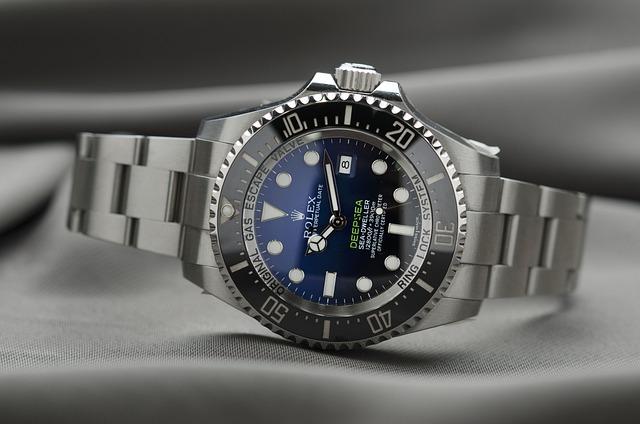
One of the most renowned chronometer-certified watches is the Rolex Oyster Perpetual. Known for its impeccable timekeeping abilities, this watch has been a favorite among collectors and enthusiasts alike. Its precision is unmatched, with a deviation of only a few seconds per day.
Another notable contender in the realm of chronometer-certified watches is the Omega Speedmaster Professional. This iconic timepiece has been worn by astronauts on NASA missions, solidifying its reputation as a watch of unparalleled accuracy and reliability.
Whether you opt for the timeless elegance of a Rolex or the storied history of an Omega, one thing is certain – when it comes to ultimate accuracy, chronometer-certified watches are in a league of their own.

Understanding the Impact of Complications on Accuracy
When it comes to mechanical watches, accuracy is paramount. Complications in a timepiece can have a direct impact on its precision, affecting how well it keeps time. Understanding these complications is crucial for anyone looking to invest in a high-quality mechanical watch.
One common complication that can impact accuracy is the power reserve. A watch with a shorter power reserve may not run as consistently as one with a longer reserve, as it may lose or gain time depending on how frequently it is wound. Additionally, complications such as moon phases or chronograph functions can also affect a watch’s accuracy, as they require additional gears and mechanisms that can introduce potential for error.
For those seeking the most accurate mechanical watches, it’s essential to look for timepieces with a high level of precision engineering. Brands known for their exceptional accuracy include Rolex, Omega, and Patek Philippe. These watches often undergo rigorous testing to ensure they meet strict standards for accuracy.
Ultimately, is key to selecting a mechanical watch that will keep time reliably for years to come. By choosing a watch with minimal complications and a strong focus on precision, you can be confident that you’re investing in a timepiece that will stand the test of time.

Expert Recommendations for Choosing the Most Accurate Mechanical Watches
When it comes to selecting the most accurate mechanical watches, precision is key. Not all timepieces are created equal, and some stand out for their accuracy and reliability. Here are a few expert recommendations to help you choose the perfect mechanical watch for your needs:
- Look for Chronometer Certification: One of the best ways to ensure accuracy in a mechanical watch is to look for models that are certified as chronometers. These timepieces undergo rigorous testing by an independent authority to guarantee their precision.
- Consider Movement Type: The type of movement in a mechanical watch can also impact its accuracy. Watches with a high-quality, Swiss-made movement are often more precise than those with generic movements.
- Check for Complications: While complications like tourbillons and perpetual calendars can add functionality to a watch, they can also impact its accuracy. Simple, time-only watches tend to be more accurate than those with complex complications.
By keeping these expert recommendations in mind, you can choose a mechanical watch that offers unparalleled accuracy and reliability. Remember, precision matters when it comes to selecting the perfect timepiece.
To Conclude
In conclusion, when it comes to mechanical watches, precision truly matters. The most accurate mechanical watches revealed in this article showcase the intricate craftsmanship and attention to detail that goes into creating these timepieces. From tourbillons to escapements, each component plays a crucial role in ensuring impeccable timekeeping. By understanding the importance of precision in watchmaking, you can make a more informed decision when selecting the perfect timepiece for your collection. Remember, when it comes to mechanical watches, accuracy is key. Choose wisely and enjoy the precision of your timepiece for years to come.
Get our latest guides, news, and insights highlighted in your Google Search & AI Overviews.