Quartz vs Automatic Watch: Unraveling the Timekeeping Debate
In the fascinating realm of horology, a timeless debate has captivated watch enthusiasts for decades: the Quartz vs Automatic Watch battle. With enthusiasts on both sides fervently defending their preferred timekeeping method, it’s high time we unravel the intricacies of this enduring controversy. In this informative article, we delve deep into the inner workings of quartz and automatic watches, shedding light on their mechanisms, accuracy, maintenance, and of course, their distinct charm. So sit back, relax, and join us on this enlightening journey through the captivating world of timekeeping technology.
Contents
- Quartz vs Automatic Watch: Unraveling the Timekeeping Debate
- Understanding the Fundamental Differences between Quartz and Automatic Movements
- Quartz Movement
- Automatic Movement
- Comparing Accuracy: Revealing the Precision of Quartz and Automatic Watches
- Exploring the Mechanical Craftsmanship: The Intricate Mechanics behind Automatic Watches
- Examining Battery Life: The Longevity of Quartz Movements versus Automatic Movements
- Choosing a Watch for Precision: Why Quartz Watches Are the Clear Winner
- Appreciating the Artistry: Why Collectors Favor Automatic Watches
- Considering Maintenance & Reliability: The Durability and Practicality of Quartz Watches
- The Durability of Quartz Watches
- The Practicality of Quartz Watches
- Decoding the Significance of Heritage: The Timeless Appeal of Automatic Watches
- Navigating the Price Factor: Weighing in on the Costs of Quartz and Automatic Watches
- Making the Ultimate Choice: Personal Preference and Final Recommendations for Watch Enthusiasts
- The Accuracy Dilemma
- The Craftsmanship Factor
- Maintenance and Durability
- Final Recommendations
- Future Outlook
Quartz vs Automatic Watch: Unraveling the Timekeeping Debate
When it comes to choosing a watch, one of the most debated topics among watch enthusiasts is Quartz vs Automatic timekeeping. Both of these types of watches have their own unique features and advantages, and understanding the difference between them can help you make an informed decision.
A quartz watch is powered by a battery and uses a quartz crystal to regulate the time. This type of watch is known for its accuracy, as it relies on the vibrations of the quartz crystal to keep time. Quartz watches are also known for their affordability and low maintenance, as they require minimal winding and upkeep. Additionally, quartz watches tend to be more durable and resistant to shock and magnetism, making them a great choice for active individuals.
On the other hand, automatic watches are powered by the movement of the wearer’s wrist. They use a complex system of gears and springs to keep time. One of the key advantages of automatic watches is their craftsmanship and artistry. These watches are often considered to be a work of art, as they require intricate detailing and precise engineering. Automatic watches also have a unique charm, as they offer a certain level of exclusivity and prestige.
While quartz watches are known for their accuracy and reliability, some watch enthusiasts argue that automatic watches offer a more authentic and traditional experience. With an automatic watch, you can feel the mechanics and craftsmanship on your wrist. Additionally, automatic watches often have a longer lifespan and can be passed down through generations, making them a valuable heirloom.
In the end, the choice between a quartz watch and an automatic watch comes down to personal preference and lifestyle. Some individuals prefer the accuracy and low maintenance of a quartz watch, while others appreciate the craftsmanship and artistry of an automatic watch. Whichever type of watch you choose, both quartz and automatic watches have their own unique charm and can be a stylish accessory for any occasion.

Understanding the Fundamental Differences between Quartz and Automatic Movements
When it comes to choosing a wristwatch, one of the most significant decisions you will make is whether to opt for a quartz or an automatic movement. These two types of movements have distinct differences that can impact their performance, maintenance, and overall appeal.
Quartz Movement
A quartz movement relies on a battery-powered electronic circuit to keep time. Here are some key points to understand about quartz watches:
- Quartz watches are known for their accuracy, typically losing or gaining only a few seconds per month, making them highly reliable for keeping time.
- Unlike automatic watches, quartz watches require minimal maintenance. The battery will need to be replaced approximately every 1-2 years, depending on the model and usage.
- Quartz watches tend to have a more modern and sleek design, with thinner cases and lighter weights. They often incorporate advanced features such as chronographs, multiple time zones, and electronic displays.
- They are generally more affordable compared to automatic watches, making them a popular choice for those who prioritize functionality and value for the price.
Automatic Movement
An automatic movement, also known as a self-winding movement, harnesses the natural motion of the wearer’s wrist to wind the watch. Here’s what you need to know about automatic watches:
- Automatic watches require no battery as the movement of the wrist generates power to keep the watch running. However, they do need to be worn regularly or placed in a watch winder to prevent them from stopping.
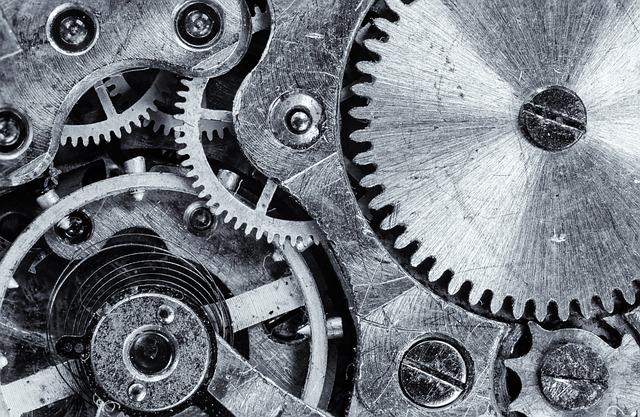
- Automatic watches are often praised for their craftsmanship and mechanical intricacy. The gears and springs inside an automatic watch are considered a testament to traditional watchmaking techniques.
- They offer a sweeping second hand motion, which many consider more visually appealing compared to the tick-tock movement of quartz watches.
- While automatic watches may not be as accurate as quartz watches, most modern automatic movements still maintain decent precision, losing or gaining around 5-20 seconds per day depending on the brand and quality of the movement.
In conclusion, both quartz and automatic watches have their unique advantages. Whether you prioritize accuracy, convenience, or traditional craftsmanship, understanding the fundamental differences between the two movements will help you choose the perfect timepiece for your needs and style.

Comparing Accuracy: Revealing the Precision of Quartz and Automatic Watches
When it comes to timekeeping, the debate between quartz and automatic watches has been ongoing. Both types of watches have their dedicated fans, but which one is more accurate? Let’s delve into the intricacies of these timepieces to uncover their precise timekeeping abilities.
Quartz Watches: Precision in Every Second
Quartz watches are renowned for their exceptional accuracy. The secret lies in their quartz crystal oscillator, which vibrates at a consistent frequency when subjected to an electric current. This steady oscillation ensures that quartz watches lose only a few seconds per month, making them incredibly reliable timekeepers.
Additionally, quartz watches are equipped with a battery-powered electronic circuit, reducing the margin of error. With proper maintenance, these timepieces can maintain their accuracy for years, requiring minimal adjustments. The streamlined precision of quartz watches makes them ideal for those who value punctuality down to the second.
Automatic Watches: The Mechanical Marvels
On the other hand, automatic watches operate purely through intricate mechanical movements. Powered by the natural motion of the wearer’s arm, the watch’s rotor winds the mainspring, which creates energy that drives the mechanism. This self-winding feature sets automatic watches apart, eliminating the need for manual winding or batteries.
While automatic watches boast impressive craftsmanship, they may not match the quartz watches in terms of accuracy. These mechanical marvels typically lose or gain a few seconds per day, relying on regular manual adjustments or a watch winder to maintain precision. However, the charm of automatic watches lies in their craftsmanship and the intricate display of the mechanical movement, enchanting watch enthusiasts with a captivating sense of artistry.
So, Which is More Accurate?
When it comes to accuracy, it’s undeniable that quartz watches provide superior precision, ticking away with a near-flawless consistency. If accuracy is your primary concern, quartz watches are the way to go. However, if you appreciate the artistry and craftsmanship of a mechanical timepiece, the slight potential deviation of automatic watches may not be a dealbreaker. Ultimately, the choice between quartz and automatic watches boils down to personal preference and the unique qualities each type brings to the table.

Exploring the Mechanical Craftsmanship: The Intricate Mechanics behind Automatic Watches
Automatic watches and quartz watches are both popular choices for timekeeping, but they operate on completely different mechanisms. Understanding the intricate mechanics behind automatic watches can shed light on the ongoing debate between these two types of timepieces.
1. Movement: The most significant difference lies in the movement of the watch. Automatic watches, also known as self-winding watches, rely on the natural motion of the wearer’s wrist to generate energy. This energy is stored in a spring called the mainspring, which is wound automatically as the wearer moves. On the other hand, quartz watches operate on quartz crystals that vibrate at a precise frequency when an electric current is applied.
2. Accuracy: When it comes to accuracy, quartz watches take the lead. These watches have a reputation for exceptional precision, losing or gaining only a few seconds a month. On the contrary, automatic watches may show slight variations in timekeeping and might require periodic adjustment.
3. Maintenance: One advantage of automatic watches is their low maintenance requirements. As long as the watch is worn regularly, the self-winding mechanism keeps the watch powered. However, if left unworn for an extended period, automatic watches may stop and need manual winding. In contrast, quartz watches require a battery change every few years.
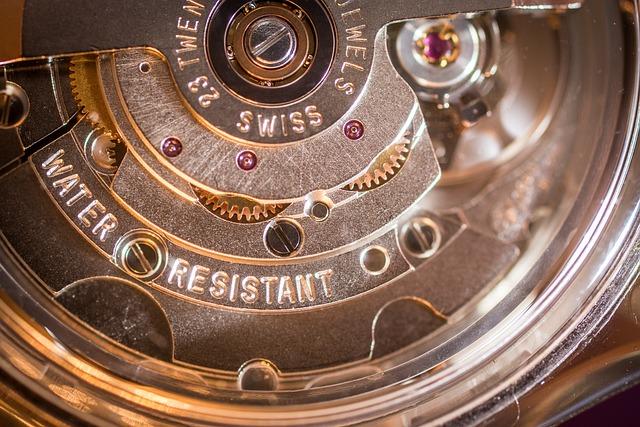
4. Craftsmanship: The artistry and craftsmanship behind automatic watches make them highly sought after by watch enthusiasts. The intricate gears, rotors, and jewels that make up an automatic movement are a testament to the skill and precision involved in creating these timepieces. Each movement is a work of art, creating a connection between the wearer and the history of horology.
In the end, choosing between a quartz watch and an automatic watch depends on personal preferences and needs. While quartz watches offer superior accuracy and convenience, automatic watches provide a unique charm and appreciation for mechanical craftsmanship. Whether you opt for the seamless precision of quartz or the intricate mechanics of automatic, both types have their place in the watch world, satisfying the diverse tastes and preferences of watch aficionados.
Examining Battery Life: The Longevity of Quartz Movements versus Automatic Movements
When it comes to watches, one of the most significant factors buyers consider is the battery life. In this post, we will delve into the longevity of quartz movements versus automatic movements, shedding light on the enduring debate between these two types of timepieces.
Quartz movements, often found in battery-operated watches, are known for their exceptional accuracy and reliability. These movements are powered by a battery, which typically needs to be replaced every 1 to 2 years, depending on usage. Since quartz movements rely on electrical energy, they tend to have a longer battery life than their automatic counterparts. This makes them a popular choice for those seeking low-maintenance watches that require minimal upkeep.
Automatic movements, on the other hand, set themselves apart with their mechanical precision. These movements harness the natural motion of the wearer’s wrist to power the watch, eliminating the need for a battery. While automatic watches do not require battery replacements, they do need regular winding or wearing to keep them running smoothly. If left unworn for an extended period, automatic watches may stop and require resetting. However, with proper care, an automatic watch can last a lifetime and even become a family heirloom.
To summarize:
– Quartz movements offer exceptional accuracy and reliability, with a longer battery life.
– Automatic movements boast mechanical precision and longevity, requiring regular winding or wearing.
– Each type of movement appeals to different preferences and lifestyles.
Ultimately, the choice between quartz and automatic watches depends on personal preferences, including the desire for hassle-free timekeeping or the allure of intricate mechanics. Both types have their distinctive advantages, making it essential to consider factors such as battery life, maintenance requirements, and personal style when selecting the perfect timepiece for your needs.
Choosing a Watch for Precision: Why Quartz Watches Are the Clear Winner
When it comes to choosing a watch for precision, quartz watches reign supreme over their automatic counterparts. These timepieces have steadily gained popularity over the years due to their exceptional accuracy and reliability.
One of the main reasons why quartz watches are the clear winner in the timekeeping debate is their use of quartz crystals. These crystals possess a unique property called piezoelectricity, which allows them to vibrate at a remarkably consistent frequency when an electric current is applied to them.
This precise oscillation is what enables quartz watches to maintain their accuracy, often within a few seconds per month. In contrast, automatic watches rely on mechanical movements and are more susceptible to environmental factors such as temperature and magnetism, making them less reliable in terms of precision.
In addition to their superior accuracy, quartz watches also have the advantage of requiring minimal maintenance. Unlike automatic watches that need regular servicing and winding, quartz watches can simply be powered by a small battery that lasts for an extended period of time.
So, whether you’re a professional in need of precise timekeeping or simply someone who values accuracy in their watch, it’s clear that quartz watches are the ultimate choice. Their unbeatable precision, reliability, and low maintenance make them the preferred option for those who prioritize accuracy above all else.

Appreciating the Artistry: Why Collectors Favor Automatic Watches
When it comes to timepieces, collectors are often drawn to the captivating artistry found in automatic watches. Unlike their quartz counterparts, automatic watches showcase the intricate craftsmanship and mechanical mastery that has been cherished for centuries.
One of the primary reasons why collectors favor automatic watches is their unparalleled attention to detail. These timepieces are meticulously handcrafted, with skilled artisans dedicating countless hours to the assembly and finishing of each component. From the precision of the movement to the delicate engravings on the dial, every aspect of an automatic watch is a testament to the exquisite artistry involved.
Another aspect that sets automatic watches apart is their mechanical complexity. These timepieces are powered by a complex system of gears and springs, which work together seamlessly to keep accurate time. This intricate mechanism not only adds to the allure of the watch but also allows collectors to appreciate the technical ingenuity behind its operation.
Furthermore, automatic watches offer a sense of heritage and tradition. Many renowned watchmakers have been producing automatic watches for generations, adhering to time-honored techniques that have stood the test of time. By owning an automatic watch, collectors become part of a legacy that spans generations, connecting them to a rich history of horological craftsmanship.
In conclusion, the artistry found in automatic watches is what sets them apart and makes them highly sought after by collectors. Their painstaking attention to detail, mechanical complexity, and rich heritage make them truly extraordinary timepieces that are cherished by those seeking a blend of elegance and functionality.

Considering Maintenance & Reliability: The Durability and Practicality of Quartz Watches
When it comes to watches, the debate between quartz and automatic movements has been a long-standing one. Both types have their own set of advantages and disadvantages, and understanding them is crucial in making an informed choice. In this article, we will focus on quartz watches, particularly examining their durability and practicality.
The Durability of Quartz Watches
Quartz watches are renowned for their durability. Unlike automatic watches that rely on complex mechanical movements, quartz watches are powered by a battery-operated movement. This means that they are not susceptible to the same wear and tear that automatic watches might experience.
Furthermore, quartz watches are built with precision and accuracy in mind. Their electronic movements ensure that the timekeeping is reliable and consistent, often exceeding the accuracy of automatic watches. This makes them an excellent choice for those who require highly accurate timekeeping.
The Practicality of Quartz Watches
Quartz watches are known for their practicality and low maintenance requirements. With their battery-powered movements, they require little to no winding and do not need to be worn regularly to keep them running. This makes quartz watches perfect for those who want a hassle-free timepiece that can be worn on any occasion.
Additionally, quartz watches often have a longer battery life compared to automatic watches. Depending on the model, a quartz watch can last several years before needing a battery replacement. This convenience is particularly attractive for individuals who prefer not to worry about frequent servicing or winding their watches.
- Highly accurate timekeeping
- Reliable and consistent movements
- Low maintenance requirements
- Long battery life
In conclusion, quartz watches offer a durable and practical solution for timekeeping. Their precision, reliability, and low maintenance requirements make them a popular choice among watch enthusiasts. Whether you prioritize accuracy or convenience, quartz watches are a reliable companion that will stand the test of time.

Decoding the Significance of Heritage: The Timeless Appeal of Automatic Watches
When it comes to timepieces, the debate between quartz and automatic watches is as old as time. Both types of watches have their own unique qualities, but today we will focus on unraveling the timekeeping debate between quartz and automatic watches.
Quartz watches, known for their precision and affordability, have a battery-powered movement that sends an electrical current through a quartz crystal to keep time. This results in consistently accurate timekeeping and requires minimal maintenance. With a quartz watch, you’ll never have to worry about winding it or adjusting the time frequently.
On the other hand, automatic watches are powered by a series of gears and springs that are wound manually or automatically by the movement of the wearer’s wrist. This mechanical movement adds a touch of traditional charm to the timepiece, capturing the hearts of watch enthusiasts worldwide. The intricate craftsmanship involved in the design of automatic watches is a testament to their timeless appeal.
While quartz watches provide excellent accuracy and convenience, automatic watches offer a connection to heritage and watchmaking traditions. They are a symbol of craftsmanship and the art of horology, showcasing the intricate workings of a mechanical masterpiece on your wrist. The mesmerizing movement of the gears and the winding process create an experience that simply cannot be replicated by a quartz watch.
Quartz vs Automatic Watch: A Comparison
Here’s a quick comparison between quartz and automatic watches to help you make an informed decision:
- Precision: Quartz watches are more precise and accurate compared to automatic watches.
- Maintenance: Quartz watches require minimal maintenance, while automatic watches need regular winding or wearing to keep them running.
- Power Source: Quartz watches are battery-powered, while automatic watches rely on mechanical movement.
- Heritage and Craftsmanship: Automatic watches hold a special place for watch enthusiasts due to their connection to heritage and traditional watchmaking.
In conclusion, the debate between quartz and automatic watches boils down to personal preference. If you prioritize accuracy and ease of use, a quartz watch may be the way to go. However, if you value the timeless appeal, craftsmanship, and the connection to horological traditions, an automatic watch will be a cherished addition to your collection.
| Quartz Watch | Automatic Watch |
|---|---|
| High precision and accuracy | Traditional charm and connection to heritage |
| Low maintenance | Regular winding or wearing required |
| Battery-powered | Mechanical movement |
| Affordable | Priced higher for craftsmanship and tradition |

Quartz and automatic watches have long been at the center of the timekeeping debate. But as much as enthusiasts argue about the mechanics and craftsmanship of these timepieces, the price factor is an aspect that cannot be overlooked. So, let’s dive into the world of pricing and explore the costs associated with quartz and automatic watches.
When it comes to affordability, quartz watches take the lead. These watches are powered by a battery-controlled quartz crystal, which provides precise timekeeping at a lower cost. The production process of quartz watches is highly streamlined, resulting in mass production and reduced manufacturing expenses. As a result, you can find a wide range of quartz watches in different price ranges, from inexpensive options to luxury brands.
On the other hand, automatic watches, also known as self-winding watches, contain intricate mechanical movements that require craftsmanship and precision. This craftsmanship and the use of high-quality materials contribute to the higher price tag of automatic watches. While you may have to pay more upfront, automatic watches are often perceived as long-term investments due to their durability and collectible value.
To help you understand the price factors further, let’s compare the costs of quartz and automatic watches in a table:
| Feature | Quartz Watches | Automatic Watches |
|———|—————-|——————|
| Cost | Lower | Higher |
| Accuracy| Very precise | Mechanical precision |
| Movements| Battery-powered| Self-winding |
| Maintenance | Minimal | Regular servicing |
| Design options | Diverse | Limited to mechanical aesthetics |
In conclusion, the price factor comes down to personal preferences and budget. If you are looking for a reliable and cost-effective option, a quartz watch might be the right choice. However, if you have a higher budget and appreciate the craftsmanship and mechanical intricacies, an automatic watch could be worth the investment. Ultimately, it’s about finding the balance between price, functionality, and personal style when choosing between quartz and automatic watches.
Making the Ultimate Choice: Personal Preference and Final Recommendations for Watch Enthusiasts
When it comes to choosing a timepiece, watch enthusiasts often find themselves entangled in the ongoing debate between quartz and automatic watches. Both have their own merits and shortcomings, making it quite challenging for watch aficionados to make the ultimate choice. In this section, we will unravel the timekeeping debate, guiding you through the factors that influence personal preference and providing final recommendations for watch enthusiasts.
The Accuracy Dilemma
A key consideration in the quartz vs automatic watch debate is the accuracy of timekeeping. Quartz watches are known for their unparalleled precision, as they rely on an electronic oscillator powered by a battery. This results in a watch that loses or gains only a few seconds per month. On the other hand, automatic watches, which are powered by the wearer’s movement, are generally less accurate, with a rate of losing or gaining several seconds per day. However, it’s important to note that advancements in mechanical engineering have led to the development of high-precision automatic movements, closing the accuracy gap to some extent.
The Craftsmanship Factor
For many watch enthusiasts, the craftsmanship and intricate mechanics of automatic watches hold a special allure. The complex and intricate movements of these timepieces are often skillfully assembled by master watchmakers, resulting in a work of art on the wrist. On the other hand, quartz watches are typically mass-produced with fewer mechanical components, focusing more on convenience and practicality. However, it’s worth mentioning that some luxury quartz watches also showcase exquisite craftsmanship, particularly in their design and construction.
Maintenance and Durability
Another crucial aspect to consider is the maintenance and durability of the timepiece. Quartz watches require minimal upkeep as they generally have fewer moving parts and are powered by long-lasting batteries. They are also more resistant to shock and external stressors. On the other hand, automatic watches require regular servicing to ensure optimal performance. The delicate mechanical movements necessitate occasional oiling and adjustment, which contribute to their longevity and reliability. However, it’s important to note that the durability and lifespan of any watch depend on various factors such as build quality, materials used, and how well it is cared for.
Final Recommendations
Ultimately, the choice between a quartz and an automatic watch boils down to personal preference and lifestyle. If you prioritize accuracy and low-maintenance, a quartz watch is an excellent choice. On the other hand, if you appreciate the marvels of mechanical engineering and the tradition behind watchmaking, an automatic watch may be more suited to your taste. Whichever type you choose, it’s essential to select a timepiece that resonates with your style and provides the functionality you desire. Remember, a watch is more than just a timekeeping device; it’s a reflection of your personality and passion for horology.
Future Outlook
In conclusion, the debate between quartz and automatic watches has been unraveled, giving us a clear understanding of the differences in timekeeping mechanisms. While quartz watches are known for their accuracy, affordability, and low maintenance, automatic watches offer a sense of craftsmanship, intricate engineering, and a connection to traditional watchmaking.
Key takeaways from this discussion include the fact that quartz watches rely on an electronic movement powered by a battery, while automatic watches harness the natural movement of the wearer to power their intricate mechanisms. This fundamental difference results in variations in accuracy, with quartz watches being highly precise and automatic watches having a margin of error.
It is important to consider one’s preferences and lifestyle when choosing between these timepieces. If accuracy and convenience are paramount, a quartz watch may be the ideal choice. On the other hand, if you appreciate the artistry and heritage of watchmaking, as well as the constant need for self-winding or manual winding, then an automatic watch will suit your tastes.
Ultimately, both quartz and automatic watches offer unique advantages and cater to different individuals. The decision between the two comes down to personal preference, budget, and the purpose for which the watch is intended. Whether you opt for the precise tick of a quartz watch or the elegant dance of an automatic, rest assured that both will serve their purpose admirably, keeping you stylishly punctual for years to come.
Get our latest guides, news, and insights highlighted in your Google Search & AI Overviews.