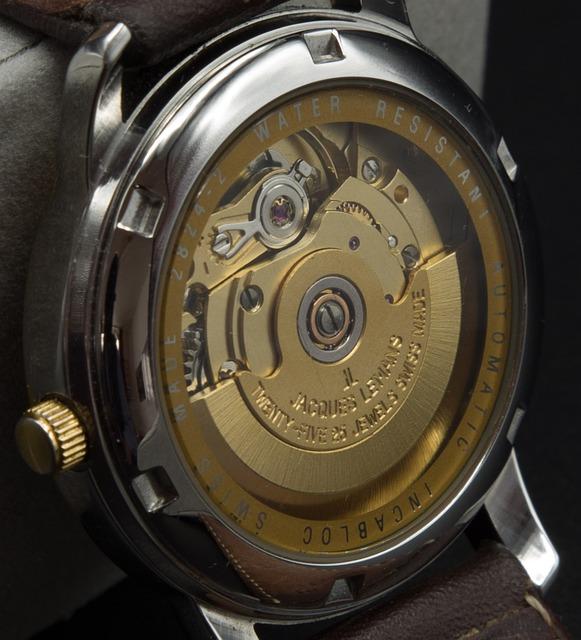
Quartz vs Mechanical Watch Accuracy: Debunking the Myths
Have you ever wondered about the accuracy of quartz versus mechanical watches? In this article, we will explore the common myths surrounding the accuracy of these two types of timepieces. By debunking misconceptions and sharing factual information, you will gain a better understanding of the true accuracy of quartz and mechanical watches. So, let’s delve into the world of horology and separate fact from fiction.
Contents
- Quartz Watch Accuracy Explained
- The Myth of Mechanical Watches Being More Accurate
- Factors Affecting the Accuracy of Quartz Watches
- Mechanical Watch Accuracy: Understanding the Limitations
- Debunking the Notion of Mechanical Watches Always Being Superior
- Why Parameters like Temperature and Position Matter in Watch Accuracy
- Tips for Improving the Accuracy of Your Quartz Watch
- The Role of Regular Maintenance in Ensuring Accuracy of Mechanical Watches
- Comparing the Durability of Quartz vs Mechanical Watches
- Final Verdict: Choosing the Right Watch Based on Your Personal Preferences
- Insights and Conclusions
Quartz Watch Accuracy Explained
When it comes to wristwatches, the debate between quartz and mechanical watches often centers around accuracy. Is one type truly more accurate than the other? Let’s debunk some common myths surrounding quartz watch accuracy.
Related: Accuracy of Mechanical versus Quartz Watches: Debunking the Timekeeping Myth
Related: Tudor Black Bay Replica vs Original: Debunking the Myths
Firstly, it’s important to note that the accuracy of a quartz watch is typically superior to that of a mechanical watch. Quartz watches are powered by a battery that sends an electrical current through a piece of quartz crystal, creating vibrations that drive the watch’s timekeeping mechanism. This precise oscillation results in quartz watches being incredibly accurate, with most models losing or gaining only a few seconds per month.
On the other hand, mechanical watches rely on intricate gears and springs to keep time. While mechanical watches can be incredibly precise, they are generally less accurate than quartz watches due to factors such as temperature, movement, and the quality of craftsmanship.

The Myth of Mechanical Watches Being More Accurate
Many watch enthusiasts believe that mechanical watches are more accurate than quartz watches, but this is actually a common misconception. In reality, quartz watches are significantly more accurate than mechanical watches due to their use of electronic oscillators regulated by quartz crystals.
Key factors that contribute to quartz watch accuracy include:
- Consistent frequency of vibrations
- Minimal external influences on timekeeping
- Precision engineering of components
- Low maintenance requirements
On the other hand, mechanical watches rely on a balance wheel and escapement mechanism that are susceptible to external factors such as temperature fluctuations, gravity, and shock, leading to variations in timekeeping. While the craftsmanship and artistry of mechanical watches are undeniable, when it comes to accuracy, quartz watches reign supreme.
| Quartz Watches | Mechanical Watches |
|---|---|
| Use electronic oscillators regulated by quartz crystals | Rely on a balance wheel and escapement mechanism |
| More accurate due to consistent frequency vibrations | Less accurate due to susceptibility to external influences |
| Low maintenance requirements | Require regular maintenance and adjustments |

Factors Affecting the Accuracy of Quartz Watches
Many people believe that mechanical watches are more accurate than quartz watches, but in reality, this is just a myth. There are several factors that can affect the accuracy of a quartz watch, just as there are factors that can impact the accuracy of a mechanical watch. Here, we will debunk some of the common misconceptions surrounding quartz watch accuracy.
One of the main factors that can affect the accuracy of a quartz watch is temperature. Extreme temperature fluctuations can cause the crystal oscillator in a quartz watch to expand or contract, leading to inaccurate timekeeping. Another factor is magnetism, which can disrupt the movement of the quartz crystal and cause the watch to run fast or slow.
Additionally, the quality of the components used in a quartz watch can also impact its accuracy. Cheaper quartz watches may use lower quality materials, which can lead to less precise timekeeping. On the other hand, higher-end quartz watches are often made with more accurate components, resulting in better overall accuracy.
Overall, while it is true that quartz watches are generally more accurate than mechanical watches, there are still several factors that can affect their accuracy. By understanding these factors, owners of quartz watches can take steps to ensure that their timepieces are keeping accurate time.
Mechanical Watch Accuracy: Understanding the Limitations
When it comes to the debate between quartz and mechanical watches, one of the key points of contention is accuracy. While quartz watches are known for their precision timekeeping, mechanical watches have their own unique charm and appeal. However, understanding the limitations of mechanical watch accuracy is crucial for watch enthusiasts.
One of the main factors that affect the accuracy of a mechanical watch is its movement. Mechanical watches rely on a complex system of gears, springs, and levers to keep time, which can be influenced by various external factors such as temperature fluctuations, magnetic fields, and even the position of the watch itself.
Another factor to consider is that mechanical watches are typically less accurate than quartz watches. While a quartz watch can be accurate to within a few seconds per month, a mechanical watch may gain or lose several seconds per day. This is due to the inherent design of mechanical movements, which are more susceptible to the effects of wear and tear over time.
In conclusion, while mechanical watches may not be as accurate as their quartz counterparts, they offer a level of craftsmanship and artistry that is unmatched. Understanding the limitations of mechanical watch accuracy is important for discerning watch collectors who appreciate the beauty and heritage of traditional watchmaking.

Debunking the Notion of Mechanical Watches Always Being Superior
When it comes to the debate between quartz and mechanical watches, one of the most common misconceptions is that mechanical watches are always superior in terms of accuracy. While it’s true that mechanical watches have a certain allure and craftsmanship that can’t be denied, the idea that they are always more accurate than quartz watches is simply not accurate.
Quartz watches, powered by a battery and regulated by a quartz crystal, are known for their precision and reliability. In fact, quartz watches are typically much more accurate than their mechanical counterparts, with most quartz watches losing or gaining only a few seconds per month, compared to mechanical watches which can lose or gain several seconds per day.
It’s important to remember that accuracy is just one factor to consider when choosing between a quartz or mechanical watch. Ultimately, the decision comes down to personal preference and what features are most important to you. Whether it’s the history and tradition of a mechanical watch or the precision and reliability of a quartz watch, the choice is yours to make.

Why Parameters like Temperature and Position Matter in Watch Accuracy
Whether you prefer a quartz or mechanical watch, understanding the parameters that affect watch accuracy is essential for any watch enthusiast. Temperature and position are two critical factors that can significantly impact the accuracy of your timepiece. Here’s why these parameters matter:
**Temperature**: Changes in temperature can affect the movement of a watch, especially in mechanical timepieces. Extreme cold or heat can cause the lubricants in the movement to expand or contract, leading to inconsistent timekeeping. Quartz watches are generally more resistant to temperature variations, but they can still be affected if exposed to extreme conditions.
**Position**: The position in which a watch is stored or worn can also impact its accuracy. Mechanical watches are particularly sensitive to positional changes, as gravity can affect the balance wheel, leading to variations in timekeeping. Quartz watches are less affected by positional changes but may still experience slight discrepancies in accuracy if not stored properly.
In conclusion, both temperature and position play a crucial role in the overall accuracy of your watch, regardless of whether it is quartz or mechanical. By understanding these parameters and taking proper care of your timepiece, you can ensure that it continues to keep precise time for years to come.
Tips for Improving the Accuracy of Your Quartz Watch
When it comes to the accuracy of your watch, there is a common misconception that mechanical watches are more accurate than quartz watches. However, this is not always the case. In fact, quartz watches are known for their superior accuracy due to the use of a quartz crystal that vibrates at a precise frequency.
Here are some tips to help you improve the accuracy of your quartz watch:
- Keep your watch properly maintained by getting it serviced regularly by a professional.
- Avoid exposing your watch to extreme temperatures, as this can affect its accuracy.
- Store your watch in a safe place when not in use to prevent any damage that could impact its performance.
- Make sure to replace the battery of your quartz watch as soon as it runs out to ensure it continues to keep accurate time.
| Tip | Description |
|---|---|
| 1 | Keep your watch properly maintained. |
| 2 | Avoid extreme temperatures. |
| 3 | Store your watch in a safe place. |
| 4 | Replace the battery when needed. |
By following these tips, you can ensure that your quartz watch remains accurate and reliable for years to come.

The Role of Regular Maintenance in Ensuring Accuracy of Mechanical Watches
Regular maintenance plays a crucial role in ensuring the accuracy of mechanical watches. Despite popular belief, mechanical watches can be just as accurate as quartz watches if they are properly maintained. Here are a few key points to consider:
1. **Lubrication**: Mechanical watches have many moving parts that require regular lubrication to function smoothly. Over time, the lubricants can dry up or collect dirt, leading to decreased accuracy. Regular maintenance includes cleaning and reapplying lubrication to ensure optimal performance.
2. **Adjustments**: Mechanical watches can be affected by changes in temperature, position, and even magnetic fields. A trained watchmaker can make adjustments to compensate for these factors and keep the watch running accurately.
3. **Cleaning**: Dust, dirt, and moisture can affect the accuracy of a mechanical watch. Regular cleaning of the exterior and interior components can help prevent these issues and maintain the watch’s accuracy over time.
4. **Timing**: Periodic timing checks can help identify any issues with the watch’s accuracy and make necessary adjustments. A watchmaker can fine-tune the movement to ensure that it keeps accurate time.
In conclusion, regular maintenance is essential for ensuring the accuracy of mechanical watches. By taking proper care of your timepiece, you can enjoy reliable and precise timekeeping for years to come.
Comparing the Durability of Quartz vs Mechanical Watches
One common misconception when comparing quartz and mechanical watches is that mechanical watches are inherently more durable. While it is true that mechanical watches require regular maintenance to ensure longevity, quartz watches are actually known for their robustness and resistance to wear and tear. This is due to their simplified construction with fewer moving parts, reducing the risk of mechanical failure.
Quartz watches are also less susceptible to shocks and vibrations, making them ideal for everyday wear and activities. On the other hand, mechanical watches, while more delicate, can still be highly durable when properly cared for. Regular servicing and avoiding extreme conditions can significantly prolong the lifespan of a mechanical watch.
When it comes to water resistance, both quartz and mechanical watches can be designed to withstand various depths. However, quartz watches tend to have tighter seals and better resistance to moisture, making them a more reliable option for water-related activities. It is important to note that not all quartz watches are created equal, and quality can vary between brands and models.

Final Verdict: Choosing the Right Watch Based on Your Personal Preferences
When it comes to choosing the right watch for yourself, it ultimately comes down to your personal preferences and lifestyle. While some may prefer the accuracy and convenience of a quartz watch, others may appreciate the craftsmanship and tradition of a mechanical timepiece.
Quartz watches are known for their precision, as they are powered by a battery that sends an electrical current through a small quartz crystal, causing it to vibrate at a specific frequency. This vibration is then translated into movement, resulting in accurate timekeeping. On the other hand, mechanical watches are powered by a complex system of gears and springs that require regular winding or wearing to keep time. While mechanical watches may not be as precise as their quartz counterparts, they are beloved for their artistry and craftsmanship.
Ultimately, the choice between a quartz and mechanical watch comes down to what you value most in a timepiece. If you prioritize accuracy and low maintenance, a quartz watch may be the right choice for you. However, if you appreciate the intricate mechanics and tradition of mechanical watches, then a mechanical timepiece may be more to your liking.
Whichever type of watch you choose, remember that the most important thing is that you wear a timepiece that resonates with you and suits your personal style. After all, a watch is not just a tool for telling time – it’s a reflection of your personality and taste.
Insights and Conclusions
In conclusion, the debate between quartz and mechanical watch accuracy often comes down to personal preference rather than clear-cut superiority. While quartz watches are typically more accurate over time, mechanical watches offer a unique craftsmanship and aesthetic that many watch enthusiasts value. Ultimately, the choice between the two types of watches should be based on your individual priorities and preferences. Remember, accuracy is just one factor to consider when selecting a watch that best suits your style and needs. Happy timekeeping!
Get our latest guides, news, and insights highlighted in your Google Search & AI Overviews.