Quartz vs. Mechanical Watches: Spotting the Difference
Have you ever wondered about the differences between quartz and mechanical watches? In the world of horology, these two types of timepieces stand out for their unique characteristics and craftsmanship. Join us as we explore the key distinctions between quartz and mechanical watches, helping you spot the difference and make an informed choice for your next timepiece investment.
Contents
- – Introduction to Quartz and Mechanical Watches
- – Key Differences in Movements and Components
- – Pros and Cons of Quartz Watches
- Pros and Cons of Quartz Watches
- – Pros and Cons of Mechanical Watches
- Pros and Cons of Mechanical Watches
- – Understanding Accuracy and Precision
- – Factors to Consider When Choosing Between Quartz and Mechanical
- – Benefits of Quartz Watches for Everyday Wear
- – Tips for Maintenance and care for Quartz and Mechanical Watches
- – Making an Informed Decision: Finding the Right Watch for You
- Wrapping Up
– Introduction to Quartz and Mechanical Watches
Quartz and mechanical watches are two distinct types of timepieces that are popular among watch enthusiasts. Understanding the difference between the two can help you make an informed decision when choosing a watch that suits your style and preferences. Let’s dive into the world of quartz and mechanical watches to help you spot the difference.
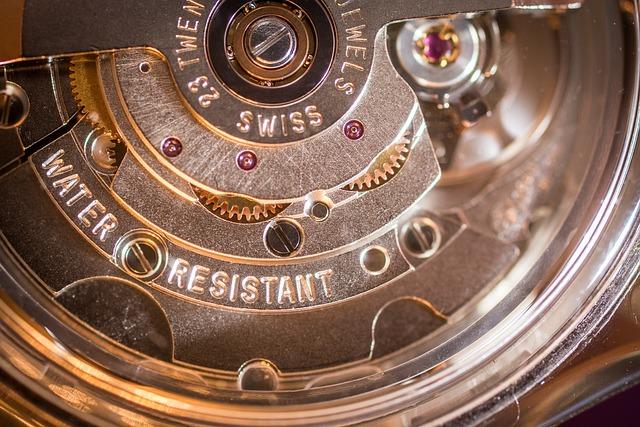
Quartz watches are powered by a battery that sends an electrical current through a small piece of quartz crystal, causing it to vibrate at a precise frequency. This vibration is then converted into mechanical energy that moves the watch hands. On the other hand, mechanical watches rely on a complex system of gears, springs, and escapements to keep time. They are powered by winding the mainspring either manually or through the motion of the wearer’s wrist.
Key Differences Between Quartz and Mechanical Watches:
- Accuracy: Quartz watches are known for their precision and can typically keep time within a few seconds per month. Mechanical watches, on the other hand, are less accurate and can lose or gain a few seconds each day.
- Maintenance: Quartz watches require minimal maintenance, usually just a battery replacement every few years. Mechanical watches, however, need regular servicing to ensure they continue to function properly.
- Price: Generally, quartz watches are more affordable than mechanical watches due to their simpler construction and mass production.
| Quartz Watches | Mechanical Watches |
|---|---|
| Battery-powered | Spring-powered |
| High accuracy | Limited accuracy |
| Low maintenance | Regular servicing required |
| Affordable | More expensive |

– Key Differences in Movements and Components
When it comes to spotting the difference between quartz and mechanical watches, one of the key distinctions lies in their movements. Quartz watches are powered by a battery that sends an electric current through a quartz crystal, causing it to vibrate at a precise frequency. This vibration is then measured to keep time accurately. On the other hand, mechanical watches rely on a complex system of gears, springs, and escapements to function, without the need for a battery.
In addition to their movements, another notable difference between quartz and mechanical watches is their components. Quartz watches typically have fewer moving parts, making them more reliable and accurate in terms of timekeeping. They also require less maintenance compared to mechanical watches, which need regular servicing to keep them running smoothly.
Furthermore, quartz watches are known for their affordability and accessibility, making them popular choices for everyday wear. On the contrary, mechanical watches are often prized for their craftsmanship, intricate designs, and historical significance, appealing to watch enthusiasts and collectors alike.
| Quartz Watches | Mechanical Watches |
|---|---|
| Powered by a battery | Do not require a battery |
| Less maintenance needed | Regular servicing required |
| Affordable and accessible | Prized for craftsmanship |

– Pros and Cons of Quartz Watches
Pros and Cons of Quartz Watches
When comparing quartz watches with mechanical watches, there are several key differences to consider. Quartz watches have gained popularity for their accuracy and reliability, but they also come with their own set of advantages and disadvantages.
Pros:
- Accuracy: Quartz watches are known for their precision timekeeping, as they rely on an electronic oscillator regulated by a quartz crystal.
- Maintenance: Quartz watches are generally low maintenance, requiring only a battery change every few years.
- Affordability: Quartz watches are typically more cost-effective than mechanical watches, making them accessible to a wider range of consumers.
- Durability: Quartz movements are less susceptible to shocks and impacts, making them a practical choice for everyday wear.
Cons:
- Lack of Tradition: Some watch enthusiasts prefer the artistry and craftsmanship of mechanical watches over the efficiency of quartz movements.
- Battery Dependency: Quartz watches rely on batteries for power, requiring periodic replacements that can be seen as a hassle for some users.
- Limited Value Appreciation: While some high-end quartz watches can retain their value, they are generally not as sought after by collectors compared to mechanical watches.
- Less Prestige: In the world of horology, mechanical watches often hold a higher status and prestige than their quartz counterparts.

– Pros and Cons of Mechanical Watches
Pros and Cons of Mechanical Watches
When it comes to choosing between quartz and mechanical watches, there are several pros and cons to consider. Mechanical watches have been around for centuries and are prized for their intricate craftsmanship and traditional appeal. Here are some key advantages and disadvantages of mechanical watches:
Pros of Mechanical Watches:
- Craftsmanship: Mechanical watches are meticulously crafted by skilled watchmakers, making them heirloom pieces with a high level of artistry.
- No Battery Required: Unlike quartz watches, mechanical watches do not require a battery, making them more environmentally friendly and eliminating the need for regular battery replacements.
- Smoother Movement: The sweeping motion of a mechanical watch’s second hand is often preferred by watch enthusiasts for its smooth and continuous movement.
Cons of Mechanical Watches:
- Precision: Mechanical watches are generally less accurate than quartz watches, as they can lose or gain a few seconds per day.
- Cost: Mechanical watches tend to be more expensive than quartz watches due to the intricate craftsmanship and labor involved in their production.
- Maintenance: Mechanical watches require regular servicing and maintenance to keep them running smoothly, which can be costly and time-consuming.

– Understanding Accuracy and Precision
When it comes to spotting the difference between quartz and mechanical watches, one of the key factors to consider is accuracy and precision. While both types of watches are designed to keep time, they do so in distinct ways that impact their performance. Understanding the nuances of accuracy and precision can help you make an informed decision when choosing between a quartz or mechanical timepiece.
Accuracy: Quartz watches are known for their high accuracy, with some models losing only a few seconds per month. This is because quartz watches use an electronic oscillator regulated by a piece of quartz crystal to keep time. On the other hand, mechanical watches are less accurate, with most models losing or gaining several seconds per day. This is due to the intricate mechanisms within the watch that rely on the energy from a wound spring to function.
Precision: While accuracy refers to how closely a watch keeps time, precision refers to how consistently it does so. Quartz watches are known for their precision, as they typically have a stable rate of timekeeping over long periods. Mechanical watches, on the other hand, can be affected by various external factors such as temperature and position, making them less precise in the long run.
Overall, when it comes to choosing between a quartz and mechanical watch, understanding the differences in accuracy and precision can help you select the timepiece that best suits your needs and preferences.

– Factors to Consider When Choosing Between Quartz and Mechanical
When deciding between quartz and mechanical watches, there are several factors to consider to help you make the right choice.
Accuracy: Quartz watches are known for their precision timekeeping, as they are powered by a battery that sends electrical currents through a quartz crystal to regulate the movement. On the other hand, mechanical watches are powered by a complex system of springs and gears, which can lead to slight variations in timekeeping.
Maintenance: Quartz watches generally require less maintenance compared to mechanical watches. While a quartz watch may only need a battery replacement every few years, a mechanical watch needs regular servicing to ensure its longevity.
Craftsmanship: Mechanical watches are often considered to be more of a work of art, as they are meticulously crafted with intricate movements and detailing. Quartz watches, while still well-made, do not have the same level of craftsmanship and are typically mass-produced.
Cost: In general, quartz watches are more affordable than mechanical watches. However, there are also luxury quartz watches that can cost just as much, if not more, than mechanical watches due to their brand, materials, and design.
Consider these factors carefully when choosing between quartz and mechanical watches to find the timepiece that best suits your style and needs.
– Benefits of Quartz Watches for Everyday Wear
When it comes to choosing between quartz and mechanical watches for everyday wear, there are a few key differences you should be aware of. Quartz watches are known for their accuracy and reliability, making them a popular choice for those who value precision timekeeping. Here are some benefits of quartz watches that make them ideal for everyday use:
- Accuracy: Quartz watches are powered by a quartz crystal that vibrates at a consistent rate, resulting in highly accurate timekeeping.
- Low Maintenance: Unlike mechanical watches, quartz watches require minimal maintenance and typically only need a battery replacement every few years.
- Durability: Quartz watches are often more durable and shock-resistant than mechanical watches, making them an excellent choice for everyday wear.
- Affordability: Quartz watches are generally more affordable than their mechanical counterparts, making them accessible to a wider range of consumers.

– Tips for Maintenance and care for Quartz and Mechanical Watches
When it comes to caring for your watches, whether they are quartz or mechanical, there are some key differences that you should be aware of. Understanding these variations will help you maintain the longevity and accuracy of your timepiece.
– **Quartz Watches:**
Quartz watches are powered by a battery that sends an electric current through quartz crystals to keep time. Here are some tips for maintaining and caring for your quartz watch:
– Avoid exposure to extreme temperatures, as this can affect the battery life.
– Replace the battery every 1-2 years to prevent leakage and damage to the movement.
– Regularly clean your watch with a soft cloth to prevent dirt and grime build-up.
– **Mechanical Watches:**
Mechanical watches are powered by a complex system of gears and springs that work together to keep time. Here are some tips for maintaining and caring for your mechanical watch:
– Wind your watch regularly if it is a manual winding movement, or wear it daily to keep it running smoothly.
– Have your watch serviced by a professional every 3-5 years to ensure the movement is properly lubricated and functioning correctly.
– Store your watch in a watch winder when not in use to keep the movement running smoothly.
By following these maintenance and care tips, you can ensure that your quartz or mechanical watch stays in top condition for years to come. Remember, regular upkeep is key to preserving the accuracy and beauty of your timepiece.
– Making an Informed Decision: Finding the Right Watch for You
When it comes to choosing the right watch for you, one of the key decisions you’ll need to make is between quartz and mechanical watches. While both types of watches are popular and have their own unique features, there are some key differences between the two that you should be aware of before making your decision.
Quartz watches are known for their accuracy and precision, as they are powered by a battery that sends an electrical current through a quartz crystal to keep time. These watches are generally more affordable and low-maintenance compared to mechanical watches. On the other hand, mechanical watches are powered by a complex system of gears and springs that require regular winding or movement to keep accurate time.
One way to spot the difference between quartz and mechanical watches is by looking at the movement of the second hand. In quartz watches, the second hand moves in a smooth, continuous motion, while in mechanical watches, the second hand moves in a series of small, ticking motions. Additionally, quartz watches are often lighter in weight and have a thinner profile compared to mechanical watches.
In summary, when choosing between quartz and mechanical watches, consider factors such as accuracy, maintenance, and style to find the right watch for you. Whether you prefer the precision of quartz or the craftsmanship of mechanical, there is a watch out there that suits your individual preferences and needs.
Wrapping Up
In conclusion, being able to spot the difference between quartz and mechanical watches is crucial for watch enthusiasts and collectors. While quartz watches are known for their accuracy and affordability, mechanical watches offer a sense of craftsmanship and tradition. By considering factors such as movement, ticking sound, and price, you can easily determine whether a watch is quartz or mechanical. Whether you prefer the convenience of a quartz watch or the charm of a mechanical timepiece, knowing how to distinguish between the two will help you make an informed choice when adding to your collection. Happy watch hunting!
Get our latest guides, news, and insights highlighted in your Google Search & AI Overviews.