Smartwatch vs Mechanical Watch: Navigating the Timekeeping Debate
Timekeeping has long been an essential cornerstone of our daily routines. In recent years, the emergence of smartwatches has revolutionized how we keep track of time. However, traditionalists still swear by the timeless appeal of mechanical watches. In this article, we will delve into the age-old debate of Smartwatch vs Mechanical Watch to help you navigate the world of timekeeping options. Whether you’re a tech-savvy trendsetter or a classic timepiece enthusiast, we’ve got you covered. Let’s uncover the facts and weigh the pros and cons of each option to help you make an informed decision.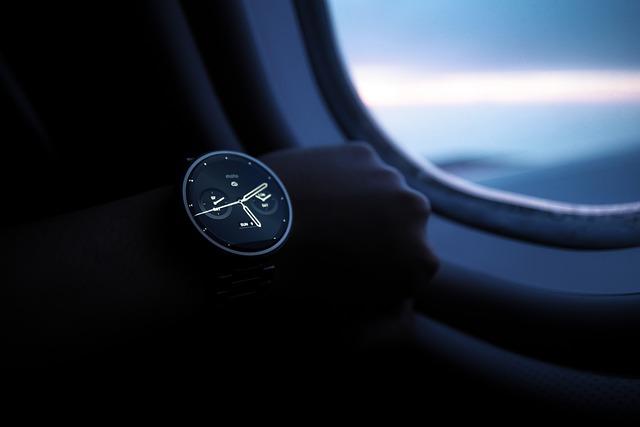
Contents
- Smartwatch Technology: Convenience and Connectivity
- Mechanical Watch Craftsmanship: Timeless Elegance and Tradition
- Battery Life: Comparing Smartwatch and Mechanical Watch Durability
- Accuracy: Examining the Precision of Smartwatches and Mechanical Watches
- Cost Analysis: Smartwatches vs Mechanical Watches Investment
- Maintenance and Repair: Long-term Considerations for Smartwatches and Mechanical Watches
- Maintenance and Repair: Long-term Considerations
- Fashion and Style: Incorporating Smartwatches and Mechanical Watches into Your Wardrobe
- Closing Remarks
Smartwatch Technology: Convenience and Connectivity
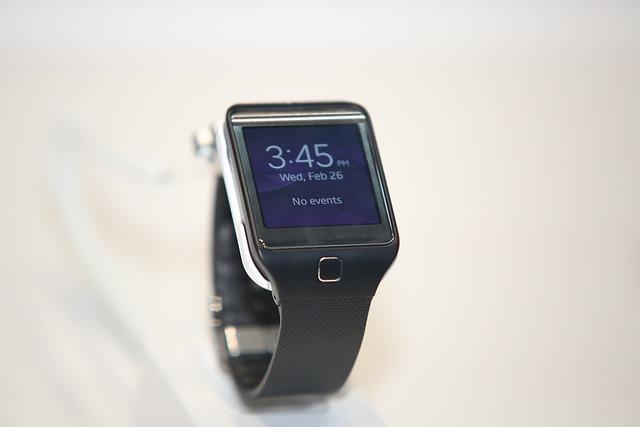
Smartwatches and mechanical watches have long been at the center of a debate over timekeeping technology. While traditionalists may argue for the craftsmanship and timeless design of mechanical watches, the convenience and connectivity offered by smartwatches cannot be ignored.
Key Differences:
- Functionality: Smartwatches offer a wide range of functionalities beyond just telling time, such as fitness tracking, notifications, and even mobile payments. Mechanical watches are purely timekeeping devices.
- Connectivity: Smartwatches are designed to sync with your smartphone, providing seamless integration with your digital life. Mechanical watches operate independently of any other devices.
- Customization: With smartwatches, you can easily change watch faces, bands, and even download apps to personalize your device. Mechanical watches offer limited customization options.
In the end, the choice between a smartwatch and a mechanical watch ultimately comes down to personal preference. Whether you value the heritage and elegance of a mechanical watch or the convenience and connectivity of a smartwatch, both offer unique benefits that cater to different lifestyles.
Mechanical Watch Craftsmanship: Timeless Elegance and Tradition
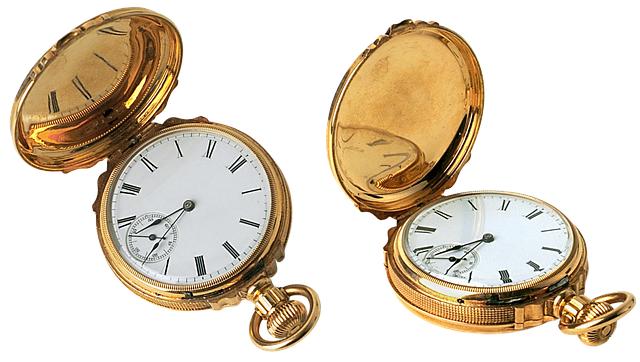
In the world of timekeeping, the debate between smartwatches and mechanical watches has been ongoing. While smartwatches offer cutting-edge technology and modern features, there is a timeless elegance and tradition associated with mechanical watches that is hard to match.
- Craftsmanship: Mechanical watches are known for their intricate craftsmanship, with each watch being meticulously assembled by skilled artisans. The attention to detail and precision that goes into making a mechanical watch is truly impressive.
- Elegance: Mechanical watches exude a sense of sophistication and class that is unmatched by smartwatches. The intricate movements and beautiful designs of mechanical watches make them a timeless accessory.
- Tradition: Mechanical watches have a long history and tradition that dates back centuries. The art of watchmaking has been passed down through generations, with each watch paying homage to this rich heritage.
| Smartwatch | Mechanical Watch |
|---|---|
| High-tech features | Handcrafted precision |
| Modern design | Timeless elegance |
| Digital display | Analog movement |
Battery Life: Comparing Smartwatch and Mechanical Watch Durability
When it comes to comparing the battery life of a smartwatch and a mechanical watch, durability is a key factor to consider. Smartwatches are known for their advanced features and capabilities, but they often require frequent charging to maintain functionality. On the other hand, mechanical watches are powered by intricate mechanisms that do not rely on batteries, making them a reliable choice for long-term timekeeping.
One of the main advantages of a mechanical watch is its longevity. With proper maintenance, a high-quality mechanical watch can last for generations, offering a timeless and classic look that never goes out of style. In contrast, smartwatches may need to be replaced every few years as technology advances and older models become obsolete.
While smartwatches may offer convenience and modern features like notifications, fitness tracking, and GPS navigation, they often fall short in terms of battery life. Most smartwatches need to be charged daily or every few days, depending on usage, whereas mechanical watches can run for years without needing any power source.
Ultimately, the choice between a smartwatch and a mechanical watch comes down to personal preference and lifestyle. If you value longevity, tradition, and reliability, a mechanical watch may be the best option for you. However, if you prioritize modern technology, convenience, and advanced features, a smartwatch may better suit your needs.
Accuracy: Examining the Precision of Smartwatches and Mechanical Watches
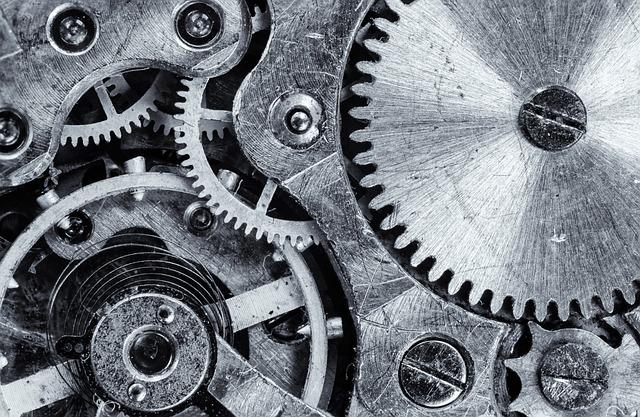
When it comes to choosing between a smartwatch and a mechanical watch, one of the key factors to consider is accuracy in timekeeping. Smartwatches are known for their precise digital movements, synced to atomic clocks for ultimate accuracy. On the other hand, mechanical watches rely on intricate gears and springs to keep time, which can sometimes lead to slight variations in accuracy.
Here are some factors to consider when examining the precision of smartwatches and mechanical watches:
- **Quartz vs Automatic:** Smartwatches predominantly use quartz movements, known for their high accuracy due to the oscillation of a quartz crystal. Mechanical watches, especially automatic ones, rely on the tension of a mainspring and can lose or gain a few seconds a day.
- **Calibration:** Smartwatches can be calibrated regularly to ensure accuracy, while mechanical watches may require periodic adjustments to maintain precision.
- **Durability:** Smartwatches are more resistant to shocks and external influences that can affect accuracy, while mechanical watches are more delicate and susceptible to variations in precision.
In conclusion, while smartwatches offer unparalleled accuracy in timekeeping, the charm and craftsmanship of a mechanical watch can outweigh the slight differences in precision. Ultimately, the choice between a smartwatch and a mechanical watch comes down to personal preference and the desired balance between tradition and technology.

Cost Analysis: Smartwatches vs Mechanical Watches Investment
When considering whether to invest in a smartwatch or a mechanical watch, cost analysis plays a crucial role in decision-making. Smartwatches typically come with a higher upfront cost due to their advanced technology and features, whereas mechanical watches are often seen as a traditional and timeless investment.
It’s important to consider the following factors when comparing the cost of smartwatches vs mechanical watches:
– **Initial Investment**: Smartwatches usually have a higher initial cost, especially those from well-known brands such as Apple or Samsung. Mechanical watches, on the other hand, can vary widely in price depending on the brand, materials, and complications.
– **Maintenance Costs**: Smartwatches may require software updates, battery replacements, and repairs over time, which can add to the overall cost. Mechanical watches, while they may need servicing every few years, generally have lower maintenance costs in the long run.
– **Resale Value**: Mechanical watches, particularly those from renowned Swiss brands like Rolex or Patek Philippe, tend to hold their value or even appreciate over time. In contrast, smartwatches can quickly lose value as newer models are released.
In conclusion, while smartwatches offer convenience and advanced features, those looking for a long-term investment with potential resale value may opt for a mechanical watch. Ultimately, the decision between the two will depend on individual preferences and budget considerations.
Maintenance and Repair: Long-term Considerations for Smartwatches and Mechanical Watches
Maintenance and Repair: Long-term Considerations
When it comes to deciding between a smartwatch and a mechanical watch, one important factor to consider is the long-term maintenance and repair costs. Both types of watches require regular maintenance to ensure they function properly and last for years to come.
Smartwatches:
- Require software updates to stay current and functional
- Batteries need to be replaced every 1-2 years
- Often have shorter lifespans due to technological advancements
Mechanical Watches:
- Require regular servicing every 3-5 years
- Mechanical parts may need to be replaced over time
- Can last for generations with proper care and maintenance
Ultimately, the decision between a smartwatch and a mechanical watch comes down to personal preference and lifestyle. Consider your long-term commitment to maintenance and repair when choosing the perfect timepiece for you.

Fashion and Style: Incorporating Smartwatches and Mechanical Watches into Your Wardrobe
Incorporating smartwatches and mechanical watches into your wardrobe can be a stylish and functional choice. Both types of watches have their own unique features and benefits, allowing you to showcase your personal style while also staying on top of your schedule.
Smartwatches offer a wide range of features, such as notifications, health tracking, and even the ability to make phone calls. These high-tech gadgets can be seamlessly integrated into your daily life, adding a modern touch to any outfit. On the other hand, mechanical watches exude a classic and timeless elegance, with intricate movements and craftsmanship that have been perfected over centuries.
Whether you prefer the convenience of a smartwatch or the craftsmanship of a mechanical watch, there are endless ways to incorporate these timepieces into your wardrobe. From pairing a smartwatch with your workout gear for fitness tracking, to wearing a sleek mechanical watch with a tailored suit for a formal event, the options are limitless. Mixing and matching different watch styles can add depth and personality to your overall look, making a statement that is both fashionable and functional.
Closing Remarks
In conclusion, the debate between smartwatches and mechanical watches ultimately comes down to personal preference and lifestyle. Smartwatches offer a wide range of features and connectivity, while mechanical watches provide a timeless elegance and craftsmanship. When choosing between the two, it’s important to consider your priorities in terms of functionality, style, and long-term value. No matter which type of watch you choose, both smartwatches and mechanical watches have their own unique appeal and can enhance your overall timekeeping experience. Ultimately, the choice is yours to make based on what best fits your individual needs and preferences.
Get our latest guides, news, and insights highlighted in your Google Search & AI Overviews.