Watches Quartz vs Mechanical Movement: Exploring Timekeeping Technology
In the world of timekeeping, there are two prominent types of movements that power watches: quartz and mechanical. Both technologies have their own unique characteristics and appeal to different types of watch enthusiasts. In this article, we will delve into the intricacies of quartz vs mechanical movement, exploring the strengths and weaknesses of each in the realm of timekeeping technology. Whether you’re a seasoned collector or a novice horologist, understanding the differences between these two movement types will deepen your appreciation for the art of watchmaking.
Contents
- Introduction to Watch Movements
- Understanding Quartz Movement Technology
- Exploring the Intricacies of Mechanical Movements
- Key Differences Between Quartz and Mechanical Watches
- Advantages of Quartz Timekeeping Technology
- Factors to Consider When Choosing Between Quartz and Mechanical Watches
- Recommendations for Novice Watch Enthusiasts
- Expert Tips for Maintaining Quartz and Mechanical Watches
- The Way Forward
Introduction to Watch Movements
When it comes to watch movements, there are two main types that dominate the market: quartz and mechanical. Both come with their own set of advantages and disadvantages, making it important for watch enthusiasts to understand the differences between the two.
**Quartz Movements:**
- Utilize a battery to power the movement
- Known for their accuracy and low maintenance
- Typically cheaper to produce and purchase
**Mechanical Movements:**
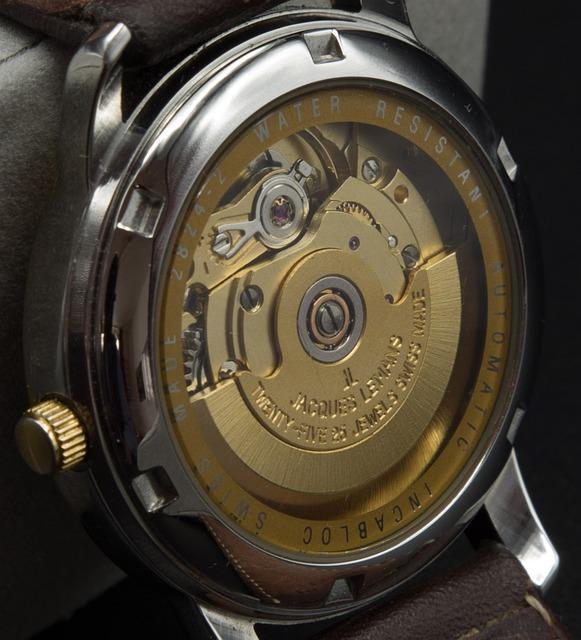
- Operate through a complex system of gears and springs
- Require winding or automatic movement of the wrist to function
- Often appreciated for their craftsmanship and traditional appeal
Whether you prefer the reliability of quartz or the intricate mechanics of a mechanical movement, understanding the technology behind each can help you make an informed decision when it comes to choosing your next timepiece.

Understanding Quartz Movement Technology
Quartz movement technology has revolutionized the world of timekeeping, offering unparalleled accuracy and reliability in modern watches. Unlike traditional mechanical movements that rely on intricate gears and springs, quartz watches operate using a battery-powered electronic oscillator. This oscillator vibrates at a consistent frequency when an electric current is passed through it, providing a precise timekeeping mechanism.
One of the key advantages of quartz movement is its exceptional accuracy, with most quartz watches deviating only a few seconds per month. This level of precision far surpasses that of mechanical watches, making quartz timepieces a popular choice for those who require accuracy in their daily activities. Additionally, quartz watches are known for their low maintenance requirements, as they do not require regular winding or calibration like mechanical watches.
In terms of cost, quartz watches are generally more affordable than their mechanical counterparts, making them accessible to a wider range of consumers. Despite their lower price point, quartz watches can still offer a wide range of features and designs to suit individual preferences. Whether you prefer a classic analog display or a digital interface with multifunction capabilities, there is a quartz watch out there for everyone.
Exploring the Intricacies of Mechanical Movements
When it comes to timekeeping technology in watches, the debate between Quartz and Mechanical movements has been ongoing for years. Each type of movement has its own intricacies and characteristics that appeal to different watch enthusiasts.
Quartz Movement:
- Uses a battery to power the watch
- Reliable and accurate timekeeping
- Low maintenance with fewer moving parts
Mechanical Movement:
- Powered by a mainspring and gears
- Requires regular winding or wearing to keep time
- Offers a traditional and craftsmanship appeal
Choosing between Quartz and Mechanical movements ultimately comes down to personal preference. Quartz movements are practical and convenient, while Mechanical movements offer a sense of tradition and craftsmanship. Both types of movements have their own unique charm that appeals to different watch collectors.

Key Differences Between Quartz and Mechanical Watches
When it comes to watches, the choice between quartz and mechanical movements can be a significant factor in your decision-making process. Both technologies have their unique attributes and advantages, making it essential to understand the key differences between them.
- Accuracy: Quartz watches are known for their precision, as they are powered by a battery that sends electrical currents through a quartz crystal to keep time. Mechanical watches, on the other hand, rely on intricate gears and springs, which may not be as accurate as quartz movements.
- Maintenance: Quartz watches are generally low maintenance, requiring battery replacements every few years. In contrast, mechanical watches need regular servicing to ensure smooth operation and longevity.
- Craftsmanship: Mechanical watches are often seen as a work of art, with their intricate designs and visible movements. Quartz watches are more straightforward in design but can still be stylish and modern.
| Aspect | Quartz Watches | Mechanical Watches |
| Power Source | Battery | Gears and Springs |
| Accuracy | High | May vary |
| Maintenance | Low | Regular servicing |
Ultimately, the choice between a quartz or mechanical watch depends on your personal preferences and priorities. Whether you value precision, craftsmanship, or tradition, both technologies offer unique benefits that cater to different tastes and lifestyles.

Advantages of Quartz Timekeeping Technology
Quartz timekeeping technology offers several advantages over traditional mechanical movement in watches. One of the key benefits is its accuracy. Quartz movements are known for their precision, with most quartz watches only losing or gaining a few seconds per month. This is due to the quartz crystal inside the watch that vibrates at a consistent frequency, providing a reliable timekeeping experience.
Another advantage of quartz technology is its low maintenance requirements. Unlike mechanical watches that need to be wound regularly, quartz watches are powered by a battery that can last for several years before needing to be replaced. This makes quartz watches more convenient for everyday use, as you don’t have to worry about winding them or keeping them running.
Quartz watches are also more affordable compared to mechanical watches. The manufacturing process for quartz movements is simpler and less labor-intensive, resulting in lower production costs. This means that you can get a high-quality, reliable watch with quartz technology at a much more accessible price point. Additionally, quartz watches are often more durable and resistant to shocks and vibrations, making them ideal for active lifestyles.
Factors to Consider When Choosing Between Quartz and Mechanical Watches
When choosing between quartz and mechanical watches, there are several key factors to consider that can help you make an informed decision. Quartz watches are known for their accuracy and low maintenance, making them a practical choice for everyday wear. These watches are powered by a battery which sends an electric current through a quartz crystal to keep time. On the other hand, mechanical watches are appreciated for their craftsmanship and intricate engineering. These watches are powered by a mainspring which is wound either manually or through the movement of the wearer’s wrist.
One important factor to consider is accuracy. Quartz watches are generally more accurate than mechanical watches, as they rely on electronic components rather than mechanical parts. If precise timekeeping is a priority for you, then a quartz watch may be the better choice. Another factor to consider is price. Quartz watches tend to be more affordable than mechanical watches, making them a budget-friendly option for those looking to invest in a timepiece.
Additionally, lifestyle plays a role in deciding between quartz and mechanical watches. If you lead an active lifestyle and require a watch that can withstand rugged conditions, a quartz watch may be more suitable due to its durability and shock resistance. Alternatively, if you appreciate the craftsmanship and history behind mechanical watches, you may prefer the elegance and timeless appeal of a mechanical timepiece.

Recommendations for Novice Watch Enthusiasts
When it comes to choosing a watch, one of the biggest decisions you’ll need to make is between quartz and mechanical movements. Here are some to help you explore the differences and make an informed decision:
- **Quartz Movement**
- Quartz watches are powered by a battery, which sends an electrical current through a tiny quartz crystal to keep time accurately.
- They are known for their precision and low maintenance, as they require little to no winding.
- Quartz watches are typically more affordable than mechanical watches, making them a great option for beginners.
- **Mechanical Movement**
- Mechanical watches are powered by a complex system of gears and springs, often referred to as a “movement.”
- They are prized for their craftsmanship and artistry, with many collectors considering them to be true works of art.
- Mechanical watches require regular winding to keep time accurately, adding a hands-on element to the ownership experience.
| Feature | Quartz Movement | Mechanical Movement |
|---|---|---|
| Accuracy | High | Lower than quartz |
| Maintenance | Low | Regular |
| Price | Affordable | Higher |

Expert Tips for Maintaining Quartz and Mechanical Watches
Quartz watches are known for their accuracy and low maintenance requirements. To keep your quartz watch in top condition, follow these expert tips:
- Regularly replace the battery to ensure proper functioning.
- Avoid exposing your watch to extreme temperatures or magnetic fields.
- Clean the watch with a soft cloth and avoid using harsh chemicals.
- Store your quartz watch in a cool, dry place when not in use.
On the other hand, mechanical watches require a bit more care and attention to detail. Here are some expert tips for maintaining your mechanical timepiece:
- Wind your watch at the same time every day to keep it running smoothly.
- Have your watch serviced by a professional every 3-5 years to prevent any potential issues.
- Avoid exposing your mechanical watch to water or shocks to prevent damage.
- Store your mechanical watch in a watch winder to keep it running when not in use.
In summary, whether you own a quartz or mechanical watch, following these expert tips will help you maintain the accuracy and longevity of your timepiece. By taking good care of your watch, you can enjoy its beauty and precision for years to come.
The Way Forward
In conclusion, when deciding between quartz and mechanical movement watches, there are key factors to consider such as accuracy, maintenance, craftsmanship, and personal preference.
Quartz watches are known for their accuracy and affordability, making them a reliable choice for daily wear. On the other hand, mechanical movement watches showcase intricate craftsmanship and a traditional appeal, making them prized among watch enthusiasts.
Ultimately, the choice between quartz and mechanical movement boils down to personal preference and lifestyle. Whether you prioritize precision and convenience or value the artistry and history behind watchmaking, both technologies offer unique benefits that cater to different needs.
We hope this exploration of timekeeping technology has provided valuable insights to help you make an informed decision on your next watch purchase. Remember, the beauty of watches lies not just in telling time, but in the stories they carry and the memories they create. Thank you for joining us on this journey through the world of watches.
Get our latest guides, news, and insights highlighted in your Google Search & AI Overviews.