The Mechanics of Mechanical Watches and Clocks PDF: Dive into Timekeeping Technology
Have you ever wondered how the intricate machinery of mechanical watches and clocks work to keep time so accurately? In this article, we will delve into the fascinating world of timekeeping technology, exploring the inner workings of these timepieces and the complex mechanisms that make them tick. Get ready to unlock the secrets behind some of the most mesmerizing creations in horology with “The Mechanics of Mechanical Watches and Clocks PDF: Dive into Timekeeping Technology”.
Contents
- The Fascinating History of Mechanical Timekeeping Devices
- Understanding the Intricate Inner Workings of Mechanical Watches
- Exploring the Different Types of Movements in Mechanical Clocks
- The Importance of Regular Maintenance for Mechanical Timepieces
- How to Properly Wind and Set a Mechanical Watch
- Winding Your Watch:
- Setting the Time:
- Key Differences Between Mechanical and Quartz Timekeeping Technology
- Choosing the Right Mechanical Watch or Clock for Your Needs
- Common Issues and Troubleshooting Tips for Mechanical Watches and Clocks
- The Future of Mechanical Timekeeping Technology: Innovations and Trends
- Exploring the Artistry and Craftsmanship of Mechanical Timepieces
- The Conclusion
The Fascinating History of Mechanical Timekeeping Devices
Dive into the intricate world of mechanical timekeeping devices with our comprehensive PDF guide. From the earliest sundials to the modern precision of atomic clocks, the evolution of timekeeping technology is a fascinating journey through human ingenuity and innovation.
Discover the inner workings of mechanical watches and clocks, from the complex gears and levers that drive their movements to the intricate craftsmanship that goes into creating these timeless pieces. Learn about the different types of mechanical timepieces, including pocket watches, wristwatches, and grandfather clocks, and how they revolutionized the way we measure and track time.
Explore the history of famous clockmakers and watchmakers who have shaped the world of timekeeping, from John Harrison and his groundbreaking marine chronometer to Abraham-Louis Breguet and his pioneering work in watchmaking. Delve into the mechanics of pendulum clocks, chronographs, and tourbillon watches, and gain a deeper appreciation for the precision and artistry that goes into every timepiece.
Whether you’re a seasoned horologist or a casual enthusiast, our PDF guide is the perfect resource for diving deep into the mechanics of mechanical watches and clocks. Download your copy today and unlock the secrets of timekeeping technology like never before.

Understanding the Intricate Inner Workings of Mechanical Watches
Mechanical watches and clocks are fascinating pieces of engineering that have been around for centuries, standing the test of time. The intricate inner workings of these timekeeping devices are a marvel to behold, with each component meticulously designed to perform a specific function in keeping accurate time.
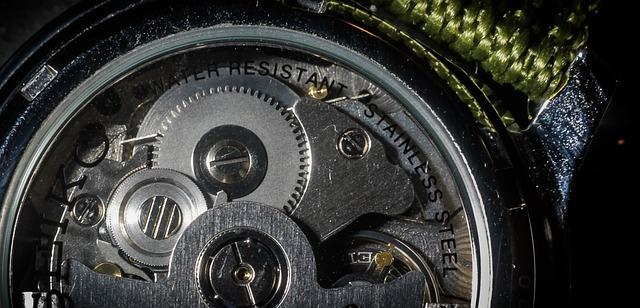
The heart of a mechanical watch is its movement, which consists of a series of gears, springs, and other mechanisms working together harmoniously. These components power the watch’s hands to move in a precise and controlled manner, tracking the passage of time with incredible accuracy.
One of the most important parts of a mechanical watch is the escapement mechanism, which regulates the release of energy from the mainspring to the gear train. This crucial element ensures that the watch ticks at a consistent rate, making it possible for the watch to keep time reliably.
To fully appreciate the craftsmanship behind mechanical watches and clocks, it’s essential to delve into the details of their inner workings. By understanding how each component plays a role in the overall functioning of the timepiece, you can gain a deeper appreciation for the art and science of horology.
Exploring the Different Types of Movements in Mechanical Clocks
In mechanical clocks and watches, the movement refers to the inner mechanisms that allow the timepiece to function. There are several different types of movements in mechanical clocks, each with its own unique characteristics and features. Here are some of the most common types:
- Mechanical Movement: This type of movement relies on a complex system of gears, springs, and escapements to keep time accurately. It is often seen in traditional analog clocks and watches.
- Quartz Movement: While technically not a mechanical movement, quartz movements are popular in modern timepieces due to their accuracy and affordability. Quartz watches use an electronic oscillator regulated by a quartz crystal to keep time.
- Automatic Movement: Also known as self-winding movements, automatic movements harness the natural motion of the wearer’s wrist to keep the watch wound. This type of movement is a favorite among watch enthusiasts for its convenience and craftsmanship.
When exploring the world of mechanical clocks and watches, it’s fascinating to dive into the intricate details of each movement type. Whether you prefer the timeless elegance of a traditional mechanical movement or the convenience of a quartz movement, there is a timepiece out there to suit every style and preference.
The Importance of Regular Maintenance for Mechanical Timepieces
Regular maintenance for mechanical timepieces is crucial in ensuring their longevity and accuracy. By properly caring for your watch or clock, you can preserve its intricate mechanisms and prevent potential damage. Here are some reasons why regular maintenance is important:
- Preventative Care: Regular maintenance allows watchmakers to catch any potential issues early on, preventing larger problems and costly repairs in the future.
- Optimal Performance: Regular servicing helps maintain the movement’s accuracy, ensuring your timepiece keeps perfect time.
- Longevity: Proper maintenance can extend the lifespan of your mechanical watch or clock, allowing you to enjoy it for years to come.
- Value: Well-maintained timepieces retain their value and can even increase in worth over time, making them a worthwhile investment.
In conclusion, regular maintenance is essential for preserving the functionality and beauty of your mechanical timepiece. Don’t wait until something goes wrong – schedule regular servicing with a trusted watchmaker to keep your watch or clock in top condition.
How to Properly Wind and Set a Mechanical Watch
One of the most important aspects of owning a mechanical watch is understanding how to properly wind and set it. Without the proper care and attention, your timepiece may not function correctly and could potentially run into issues. Here are some key steps to keep your mechanical watch running smoothly:
Winding Your Watch:
- Locate the crown on the side of the watch case.
- Slowly turn the crown clockwise to wind the watch. Be gentle and do not overwind.
- Stop winding when you feel resistance. This indicates that the mainspring is fully wound.
Setting the Time:
- Pull the crown out to the second position to adjust the time.
- Rotate the crown until the correct time is displayed on the watch face.
- Push the crown back in to the original position to set the time and start the watch running again.
By following these simple steps, you can ensure that your mechanical watch remains in optimal condition and functions accurately. It is recommended to wind your watch daily to keep it running smoothly and set the time whenever necessary. With proper care and maintenance, your mechanical watch will continue to be a reliable timekeeping accessory for years to come.
Key Differences Between Mechanical and Quartz Timekeeping Technology
When comparing mechanical and quartz timekeeping technology, there are several key differences to consider. One of the main distinctions is the way in which each type of watch operates. Mechanical watches use a complex system of gears and springs to keep time, while quartz watches rely on a battery-operated electronic circuit.
Another important difference is the accuracy of each type of timepiece. Quartz watches are known for their excellent accuracy, typically losing or gaining only a few seconds per month. On the other hand, mechanical watches can be less precise, often losing or gaining a few minutes per month.
Furthermore, the maintenance requirements of mechanical and quartz watches differ. Mechanical watches often require regular servicing by a skilled watchmaker to keep them in optimal working condition. Quartz watches, on the other hand, require very little maintenance beyond battery replacements every few years.
Overall, both mechanical and quartz watches have their own unique strengths and weaknesses. Whether you prefer the intricate craftsmanship of a mechanical watch or the reliable accuracy of a quartz watch, there is no doubt that both technologies have their place in the world of timekeeping.

Choosing the Right Mechanical Watch or Clock for Your Needs
When it comes to , there are a few key factors to consider. Whether you’re looking for a stylish accessory or a reliable timekeeping tool, it’s important to understand the mechanics behind these intricate devices.
One of the main differences between mechanical watches and clocks is their power source. Watches are typically powered by a spring mechanism, while clocks are often powered by weights or batteries. This difference can affect the accuracy and functionality of the timepiece.
Another factor to consider is the type of movement used in the watch or clock. There are two main types of mechanical movements: manual and automatic. Manual movements require regular winding to keep the watch running, while automatic movements are self-winding and powered by the movement of the wearer’s wrist.
- Consider the style and design of the watch or clock
- Think about the features and complications you need
- Look for reputable brands with a history of quality craftsmanship
- Set a budget that aligns with your expectations

Common Issues and Troubleshooting Tips for Mechanical Watches and Clocks
When it comes to mechanical watches and clocks, there are a few common issues that can arise. Here are some troubleshooting tips to help you keep your timepieces running smoothly:
- Watch Stops Ticking: If your watch stops ticking, it could be due to a low power reserve. Wind the watch by turning the crown clockwise until you feel resistance.
- Inaccurate Timekeeping: If your watch is losing or gaining time, it may need to be regulated. Take it to a professional watchmaker for adjustment.
- Stuck or Jammed Mechanism: If the mechanism of your watch or clock is stuck or jammed, avoid forcing it. Gently tap the watch on a soft surface to try to dislodge any debris.
Remember, proper maintenance and care are key to keeping your mechanical watches and clocks in top condition. Regular servicing and cleaning will ensure that your timepieces continue to function accurately for years to come.

The Future of Mechanical Timekeeping Technology: Innovations and Trends
When it comes to the world of mechanical timekeeping, the advancements and innovations in technology are continuously shaping the future of watches and clocks. From intricate movements to precision engineering, mechanical timepieces are a fusion of art and science that stand the test of time.
One of the key trends in mechanical timekeeping technology is the integration of smart features. Companies are exploring ways to blend traditional mechanical craftsmanship with modern digital capabilities, creating hybrid timepieces that offer the best of both worlds.
Another innovation in the industry is the development of new materials and manufacturing techniques. From lightweight and durable titanium cases to silicon escapements, watchmakers are pushing the boundaries of what is possible in terms of design and performance.
As we look towards the future of mechanical timekeeping, one thing is clear: the timeless charm and elegance of traditional watches and clocks will continue to evolve and adapt to the ever-changing landscape of technology.

Exploring the Artistry and Craftsmanship of Mechanical Timepieces
When it comes to the world of timekeeping, mechanical watches and clocks stand out as true works of art. The intricate craftsmanship and precision engineering that go into creating these pieces are a testament to human ingenuity and skill.
From the delicate balance springs to the meticulously crafted gears and escapements, every component of a mechanical timepiece plays a vital role in ensuring accurate timekeeping. The artistry involved in assembling these intricate mechanisms is truly awe-inspiring.
By delving into the mechanics of mechanical watches and clocks, enthusiasts can gain a deeper appreciation for the technology that powers these timeless pieces. Whether you are a collector, a hobbyist, or simply someone who admires fine craftsmanship, exploring the inner workings of mechanical timepieces is a fascinating journey.
So why not dive into the world of timekeeping technology with our informative PDF guide? Discover the beauty of mechanical watches and clocks, and unlock the secrets of their intricate design and functionality.
The Conclusion
In conclusion, understanding the mechanics of mechanical watches and clocks can provide a fascinating insight into the intricate world of timekeeping technology. By delving into the intricate inner workings of these timeless devices, we gain a deeper appreciation for the craftsmanship and precision that goes into their design and functionality. From mainsprings to escapements, these key components work together to ensure accurate timekeeping that has stood the test of time. So next time you glance at your mechanical timepiece, remember the incredible technology at play beneath its sleek exterior. Dive into the world of mechanical watches and clocks, and discover the beauty of precision engineering that transcends generations.
Get our latest guides, news, and insights highlighted in your Google Search & AI Overviews.