How a Mechanical Watch Works: Explained in PDF
Imagine the intricate movements of a mechanical watch, ticking away with precision and elegance. Have you ever wondered how these marvels of engineering actually work? In this article, we will guide you through the intricate workings of a mechanical watch, explaining each component’s role in creating the perfect blend of art and technology. By the end, you’ll have a clear understanding of how a mechanical watch keeps time with impressive accuracy. So, sit back, relax, and let us unravel the fascinating world of mechanical timepieces for you in a downloadable PDF format.
Contents
- How a Mechanical Watch Operates
- Components of a Mechanical Watch
- The Function of the Escapement Mechanism
- The Importance of Mainspring in Timekeeping
- Exploring the Role of Gears in Watch Movement
- Understanding the Function of Balance Wheel
- Mechanical Watch Regulation Techniques
- Tips for Maintaining a Mechanical Watch
- Common Issues with Mechanical Watches
- The Way Forward
How a Mechanical Watch Operates
When it comes to understanding , it’s important to dive into the intricate workings of this classic timepiece. A mechanical watch is powered by a series of gears and springs that work together to keep time accurately. Let’s break down the key components that make a mechanical watch tick:
- Main Spring: This is the primary source of power in a mechanical watch. When the mainspring is wound, it stores energy that is released gradually to power the watch.
- Escapement Mechanism: The escapement regulates the release of energy from the mainspring, allowing the gear train to move at a controlled rate.
- Gear Train: The gear train is a series of interconnected gears that transmit energy from the mainspring to the hands of the watch, causing them to move in a synchronized manner.
- Balance Wheel: The balance wheel oscillates back and forth, acting as the timekeeping element of the watch by regulating the movement of the gear train.
In essence, a mechanical watch operates by harnessing the energy stored in the mainspring and converting it into precise timekeeping through a series of carefully calibrated movements. This traditional method of timekeeping has been perfected over centuries, making mechanical watches a beloved choice for watch enthusiasts around the world.

Components of a Mechanical Watch
When it comes to understanding the inner workings of a mechanical watch, it’s important to familiarize yourself with the various components that make up this intricate timekeeping device. A mechanical watch operates purely through mechanical movements, without the use of any electronics or batteries.
The key include:
- 1. Main Spring: This is the primary source of energy in a mechanical watch, storing power generated by winding the watch.
- 2. Gear Train: The gear train transmits energy from the mainspring to the escapement, allowing for the regulation of time.
- 3. Escapement: The escapement regulates the release of energy from the gear train, controlling the movement of the hands.
These components work together in a precise and synchronized manner to ensure accurate timekeeping. Understanding the function of each part is essential in appreciating the craftsmanship and complexity of mechanical watches.
| Component | Function |
|---|---|
| Main Spring | Stores energy |
| Gear Train | Transmits energy |
| Escapement | Regulates energy release |

The Function of the Escapement Mechanism
The escapement mechanism in a mechanical watch is a vital component that controls the release of energy from the mainspring, which drives the watch movement. This mechanism consists of several parts that work together to regulate the release of energy in precise intervals, allowing the watch to keep accurate time.
One of the key components of the escapement mechanism is the pallet fork, which alternately locks and releases the escape wheel, controlling the motion of the gear train. This action creates the distinctive ticking sound that mechanical watches are known for. Additionally, the balance wheel and hairspring work in conjunction with the escapement to regulate the oscillation of the gear train, ensuring consistent timekeeping.
By understanding , you can gain a greater appreciation for the intricate workings of a mechanical watch. This crucial component not only contributes to the accurate timekeeping of the watch but also highlights the craftsmanship and precision engineering that goes into creating these intricate timepieces.
| Key Points: | Escapement mechanism regulates the release of energy from the mainspring |
|---|---|
| Pallet fork controls the motion of the gear train | |
| Balance wheel and hairspring regulate the oscillation of the gear train |

The Importance of Mainspring in Timekeeping
The mainspring is a crucial component in the mechanism of a mechanical watch, playing a vital role in timekeeping accuracy. This tightly wound coil stores potential energy when the watch is wound, and releases it gradually to power the gears that drive the hands of the watch. Without a properly functioning mainspring, the watch would not be able to keep time accurately.
One of the key factors that affect the performance of a mainspring is its material. Mainsprings are typically made of steel or an alloy, with high-quality mainsprings made of materials that offer good elasticity and resistance to fatigue. This ensures that the mainspring can store and release energy efficiently, allowing the watch to maintain accurate timekeeping over an extended period.
It is important to keep the mainspring of a mechanical watch in good condition through regular maintenance and servicing. This includes checking for signs of wear or damage, lubricating the mainspring to reduce friction, and ensuring that it is wound correctly to optimize its performance. By taking care of the mainspring, you can help prolong the lifespan of your watch and ensure that it continues to keep time accurately for years to come.

Exploring the Role of Gears in Watch Movement
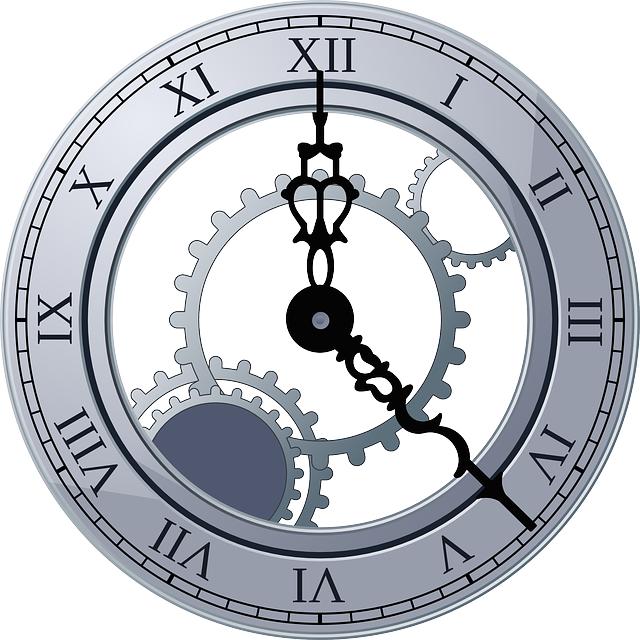
Watch movement is a complex mechanism that involves a series of interconnected gears working together to keep time accurately. The role of gears in a watch movement is crucial, as they are responsible for transmitting power from the mainspring to the escapement, which regulates the movement of the hands.
Understanding how gears work in a watch movement can help you appreciate the intricate craftsmanship that goes into creating a mechanical timepiece. Gears in a watch movement come in various sizes and shapes, each playing a specific role in ensuring the smooth and precise operation of the watch.
One of the most important gears in a watch movement is the mainspring gear, which stores the energy generated by winding the watch and releases it gradually to power the movement. Other gears, such as the escape wheel and the balance wheel, work in conjunction with the mainspring gear to regulate the movement of the hands and ensure accurate timekeeping.
Next time you look at a mechanical watch, take a moment to appreciate the intricate gears inside that are working tirelessly to keep time ticking away, a true marvel of engineering and craftsmanship.

Understanding the Function of Balance Wheel
The balance wheel is a crucial component in the intricate mechanism of a mechanical watch. Its main function is to regulate the timekeeping accuracy of the watch by oscillating back and forth at a constant rate. This oscillation is what drives the movement of the watch, allowing it to keep accurate time. The balance wheel is typically located at the heart of the movement, surrounded by other gears and springs that work together to make the watch tick.
One of the key features of the balance wheel is its ability to maintain a consistent rate of oscillation, regardless of external factors such as temperature or position. This is achieved through the use of a hairspring, which is attached to the balance wheel and provides the necessary elasticity to keep the oscillations stable. The balance wheel swings back and forth, with each swing representing a unit of time, typically one second.
By understanding the function of the balance wheel, you can appreciate the intricate design and craftsmanship that goes into creating a mechanical watch. The precision engineering required to ensure that the balance wheel maintains its accuracy is truly impressive. Next time you look at your watch, take a moment to think about the tiny component at the heart of it all – the balance wheel.

Mechanical Watch Regulation Techniques
Mechanical watches are intricately designed timepieces that rely on a system of gears, springs, and other components to function. In order to keep accurate time, these watches require precise regulation techniques to ensure that they are running at the correct speed. There are several methods that can be used to regulate a mechanical watch, each with its own benefits and drawbacks.
One common technique used to regulate mechanical watches is adjusting the balance wheel. The balance wheel is a essential component of a mechanical watch that oscillates back and forth at a precise rate. By adjusting the length of the balance spring or changing the effective length of the balance wheel’s rotation, watchmakers can fine-tune the speed at which the watch runs.
Another important regulation technique involves adjusting the escapement mechanism. The escapement is responsible for releasing a precise amount of energy to the gear train at regular intervals. By adjusting the escapement’s pallets or the positioning of the escape wheel teeth, watchmakers can control the rate at which the gear train advances, thereby regulating the watch’s timekeeping.
It’s important to note that regulating a mechanical watch requires a delicate touch and a thorough understanding of watchmaking principles. While there are tools and devices available to assist in the regulation process, ultimately it is the skill and expertise of the watchmaker that will determine the accuracy of the watch. By employing these regulation techniques, watchmakers can ensure that a mechanical watch runs smoothly and keeps accurate time for years to come.

Tips for Maintaining a Mechanical Watch
Mechanical watches are fascinating pieces of engineering, with intricate components working together to keep time accurately. To ensure your mechanical watch functions smoothly for years to come, here are some essential tips for maintenance:
- Regular Servicing: Just like a car, a mechanical watch needs regular servicing to keep it running smoothly. It is recommended to have your watch serviced every 3-5 years by a professional watchmaker.
- Keep it wound: If you have a manual-wind mechanical watch, make sure to wind it regularly to keep the mainspring tensioned. For automatic watches, wearing them regularly will keep them wound.
- Avoid Magnets: Magnetic fields can affect the accuracy of your mechanical watch. Avoid placing your watch near magnets or electronic devices like smartphones and laptops.
- Store it properly: When not wearing your mechanical watch, store it in a watch box or case to protect it from dust, moisture, and damage. Avoid storing it near extreme temperatures or direct sunlight.
Common Issues with Mechanical Watches
When it comes to mechanical watches, there are some common issues that watch enthusiasts often encounter. These issues can range from simple maintenance tasks to more complex problems that require professional repair. Here are some of the most :
- Timekeeping accuracy: Mechanical watches can sometimes lose or gain time due to various factors such as magnetism, temperature changes, or shock.
- Power reserve: Mechanical watches need to be wound regularly to maintain power reserve. If the watch is not wound properly, it may stop working.
- Water resistance: Some mechanical watches are not designed to be waterproof, so exposure to water can damage the internal components.
- Mechanical parts: Over time, the mechanical parts of a watch may wear out or require lubrication to ensure smooth operation.
Understanding these can help you take better care of your timepiece and prevent potential problems in the future. For a more in-depth explanation of how a mechanical watch works, download our PDF guide below.
The Way Forward
In conclusion, understanding how a mechanical watch works is essential for anyone interested in horology. By grasping the intricate mechanisms and components involved, you can truly appreciate the craftsmanship and engineering that goes into these timeless timepieces. From the mainspring to the escapement, each part plays a crucial role in keeping your watch ticking accurately. Remember to handle your mechanical watch with care and have it serviced regularly to ensure its longevity and precision. Keep exploring the world of mechanical watches and enjoy the beauty of these remarkable devices on your wrist. Thank you for reading and happy timekeeping!
Get our latest guides, news, and insights highlighted in your Google Search & AI Overviews.