Unveiling the Mystery: What Is Mechanical Movement in Watches?
Have you ever wondered what makes a watch tick? In the world of timepieces, the term “mechanical movement” often comes up, but what exactly does it mean? Join us as we unveil the mystery behind mechanical movement in watches and explore the intricate workings that bring these timeless pieces to life.
Contents
- Understanding the Intricate Mechanics Behind Mechanical Watches
- Differentiating Between Manual and Automatic Mechanical Movements
- Benefits of Owning a Mechanical Watch
- Key Features to Look for in a High-Quality Mechanical Movement
- Maintenance Tips for Keeping Your Mechanical Watch Running Smoothly
- Recommended Brands Known for Their Exceptional Mechanical Movements
- Concluding Remarks
Understanding the Intricate Mechanics Behind Mechanical Watches
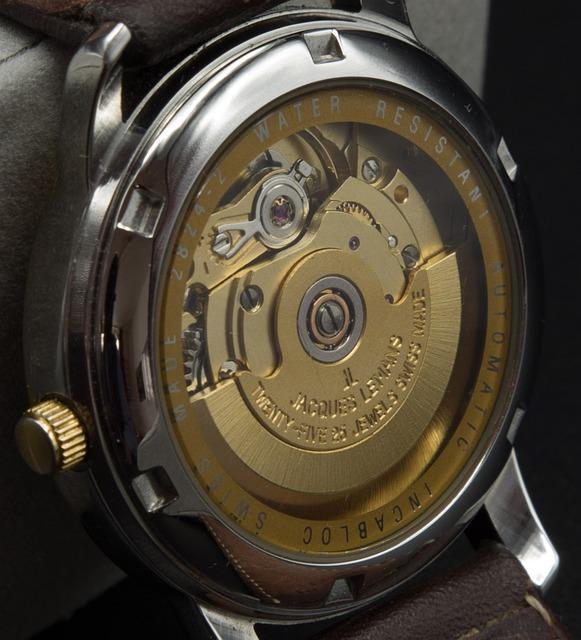
Mechanical watches are a marvel of intricate engineering, powered solely by the movement of the wearer’s wrist. The beating heart of a mechanical watch lies in its mechanical movement, which consists of a series of tiny components working together in perfect harmony. These components include gears, springs, and levers that transmit energy from the wound mainspring to the hands of the watch.
One of the key components of mechanical movement is the mainspring, a tightly coiled spring that stores energy when wound up. As the mainspring unwinds, it releases energy that drives the gears and ultimately powers the watch. The escapement mechanism regulates the release of energy from the mainspring, ensuring that the watch hands move at a consistent rate.
Another essential component of mechanical movement is the balance wheel, which oscillates back and forth at a precise frequency. This oscillation is controlled by the hairspring, a tiny spring that acts as a timing regulator. The escapement mechanism interacts with the balance wheel to ensure accurate timekeeping.
In summary, mechanical movement in watches is a complex system of interlocking components that work together to keep time with precision and elegance. The mesmerizing dance of gears and springs inside a mechanical watch is a testament to the ingenuity of watchmakers who have been perfecting this art for centuries.

Differentiating Between Manual and Automatic Mechanical Movements
When it comes to understanding the inner workings of a watch, one of the key components to consider is the movement. Mechanical movement in watches refers to the mechanism responsible for keeping time and powering the watch. Within the realm of mechanical movements, there are two main types to differentiate between: manual and automatic.
Manual Mechanical Movements:
- Require manual winding by twisting the crown
- Typically need to be wound every day or every few days
- Traditionally preferred by watch enthusiasts for their craftsmanship and connection to the watchmaking process
Automatic Mechanical Movements:
- Utilize the movement of the wearer’s wrist to power the watch
- Equipped with a rotor that winds the mainspring as the wrist moves
- Do not require daily winding as long as the watch is worn regularly
Both manual and automatic mechanical movements have their own set of advantages and charm, appealing to different preferences and lifestyles. Whether you appreciate the hands-on ritual of winding your watch or prefer the convenience of an automatic movement that keeps ticking with your every move, understanding the differences between the two can help you make an informed decision when choosing your next timepiece.

Benefits of Owning a Mechanical Watch
When it comes to timepieces, mechanical watches hold a special place in the hearts of watch enthusiasts. The intricate craftsmanship and engineering that go into a mechanical watch make it a true work of art. But aside from their aesthetic appeal, there are numerous benefits to owning a mechanical watch.
One of the main advantages of a mechanical watch is its durability. Unlike quartz watches that rely on batteries, mechanical watches are powered by a complex system of gears and springs. This means that with proper care and maintenance, a mechanical watch can last for generations.
Another benefit of owning a mechanical watch is the sense of connection to the past that it brings. Many mechanical watches are made using traditional watchmaking techniques that have been passed down through generations. Owning a mechanical watch is like owning a piece of history.
Additionally, mechanical watches often have a higher resale value than quartz watches. This is due to their craftsmanship and the fact that they are seen as luxury items. For those looking to make a long-term investment, a mechanical watch is a wise choice.
Key Features to Look for in a High-Quality Mechanical Movement
When searching for a high-quality mechanical movement in watches, there are several key features to consider that will ensure you are getting a timepiece that is built to last and perform at its best. These features are essential in understanding the intricate craftsmanship and engineering behind mechanical movements.
- Accuracy: Look for a watch that is known for its accuracy in timekeeping. A high-quality mechanical movement should have precise timekeeping abilities, ensuring that your watch keeps accurate time.
- Power Reserve: Consider the power reserve of the watch, which determines how long the watch can operate without being wound. A longer power reserve indicates a more efficient and reliable movement.
- Finishing: Pay attention to the finishing of the movement components. A well-finished movement shows attention to detail and craftsmanship, indicating a higher quality movement.
- Complications: Some mechanical movements come with additional complications such as a chronograph, moon phase, or tourbillon. These complications add functionality and complexity to the movement, showcasing the expertise of the watchmaker.
Maintenance Tips for Keeping Your Mechanical Watch Running Smoothly
So, you’ve invested in a beautiful mechanical watch, but now you’re wondering how to keep it running smoothly for years to come. Well, fear not, because we’ve got you covered with some maintenance tips that will ensure your watch stays in top condition.
First and foremost, it’s important to understand that mechanical watches operate without the use of batteries. Instead, they rely on a complex system of gears, springs, and balance wheels to keep time accurately. This intricate mechanism requires regular care and attention to keep it running smoothly.
One of the most important things you can do to maintain your mechanical watch is to keep it properly wound. Make sure to wind your watch at the same time each day to keep the mainspring tension consistent. Overwinding can cause damage, so be sure to stop when you feel resistance.
Additionally, it’s crucial to keep your watch clean and dry. Wipe it down regularly with a soft, lint-free cloth to remove any dirt or debris. Avoid exposing your watch to water or extreme temperatures, as this can damage the delicate inner workings. By following these simple maintenance tips, you can ensure that your mechanical watch remains a reliable and accurate timepiece for years to come.

Recommended Brands Known for Their Exceptional Mechanical Movements
When it comes to watches, the mechanical movement is considered the heart of the timepiece. It is a complex system of gears, springs, and other components that work together to keep the watch ticking accurately. Mechanical movements are known for their craftsmanship, durability, and precision, making them highly sought after by watch enthusiasts.
If you’re looking for a watch with exceptional mechanical movement, there are several brands that have built a reputation for their quality and innovation. These brands are known for their attention to detail, precision engineering, and commitment to preserving the art of traditional watchmaking.
- Rolex: Rolex is one of the most iconic watch brands in the world, known for its impeccable craftsmanship and reliability. Their in-house mechanical movements are built to the highest standards, ensuring accuracy and longevity.
- Patek Philippe: Patek Philippe is revered for its exquisite timepieces, with each watch boasting a meticulously crafted mechanical movement. Their movements are hand-finished and intricately designed, making them a favorite among collectors.
- Jaeger-LeCoultre: Jaeger-LeCoultre is renowned for its innovative approach to watchmaking, particularly in the realm of mechanical movements. Their movements are known for their technical precision and aesthetic appeal.
These brands have set the standard for excellence in mechanical watch movements, and their timepieces are sure to impress even the most discerning watch connoisseurs.
Concluding Remarks
In conclusion, mechanical movement in watches is a fascinating and intricate mechanism that powers some of the most iconic timepieces in the world. By understanding how it works and appreciating its craftsmanship, we can gain a deeper appreciation for the artistry and precision that goes into creating mechanical watches. From the intricate gears and springs to the mesmerizing ticking of the escapement, mechanical movement is truly a marvel of engineering. So next time you look at your watch, take a moment to admire the intricate workings that make it tick.
Get our latest guides, news, and insights highlighted in your Google Search & AI Overviews.