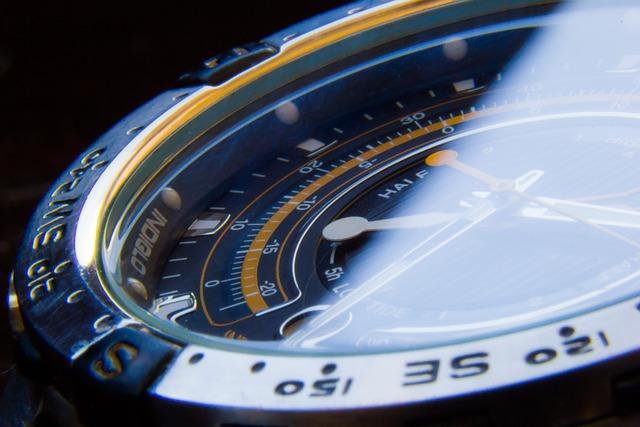
Are You Setting Your Mechanical Watch Right? Tips and Tricks Unveiled
Have you ever wondered if you are setting your mechanical watch correctly? Knowing how to properly set your timepiece is essential in maintaining its accuracy and prolonging its lifespan. In this article, we will share some valuable tips and tricks to ensure that you are setting your mechanical watch right. From simple adjustments to more advanced techniques, we’ve got you covered. Stay tuned to uncover the secrets of setting your mechanical watch with precision and care.
Contents
- Understanding the Mechanisms of a Mechanical Watch
- Tips for Setting the Time and Date on Your Mechanical Watch
- Common Mistakes to Avoid When Setting Your Watch
- Importance of Regular Maintenance and Calibration
- Factors to Consider When Adjusting the Accuracy of Your Watch
- Exploring Different Methods for Setting Your Mechanical Watch
- Expert Recommendations for Setting Your Watch to Perfection
- Troubleshooting Tips for Common Setting Issues
- Utilizing Watch Tools and Accessories for Precision Setting
- Maximizing the Longevity and Performance of Your Mechanical Watch
- Concluding Remarks
Understanding the Mechanisms of a Mechanical Watch
If you own a mechanical watch, it’s essential to understand how it functions in order to set it correctly. The intricate mechanisms inside a mechanical watch work together to keep time accurately. One of the most important components is the mainspring, which stores energy when you wind the watch.
Another crucial part is the balance wheel, which oscillates back and forth to regulate the movement of the gears. Additionally, the escapement controls the release of energy from the mainspring, ensuring a consistent rate of timekeeping. By familiarizing yourself with these components, you can appreciate the craftsmanship that goes into making a mechanical watch.
- Wind your watch regularly to keep the mainspring tensioned.
- Set the time by pulling the crown out to the appropriate position.
- Be gentle when handling the crown to avoid damaging the delicate internal mechanisms.
- Consult a professional watchmaker for any adjustments or repairs needed.
| Component | Function |
|---|---|
| Mainspring | Stores energy to power the watch. |
| Balance Wheel | Regulates the movement of the gears. |
| Escapement | Controls the release of energy for consistent timekeeping. |

Tips for Setting the Time and Date on Your Mechanical Watch
When it comes to setting the time and date on your mechanical watch, there are a few tips and tricks that can help ensure you are doing it correctly. Here are some guidelines to follow:
- Always wind your watch before setting the time or date: If your watch is automatic, make sure to give it a few turns to ensure it is properly powered before adjusting the time or date.
- Use the correct tools: When adjusting the time and date on your watch, be sure to use a proper watch tool or a soft cloth to avoid scratching the surface.
- Be patient and gentle: When setting the time and date, take your time and avoid rushing through the process. Gentle, careful movements are key to avoiding damage to your watch.
If you are unsure about how to set the time and date on your specific mechanical watch, it is always best to refer to the manufacturer’s instructions or consult a professional watchmaker for assistance. Following these tips can help ensure that you are setting your mechanical watch correctly and maintaining its accuracy for years to come.

Common Mistakes to Avoid When Setting Your Watch
Setting your mechanical watch correctly is crucial to ensuring its accuracy and longevity. However, there are common mistakes that many watch enthusiasts make when adjusting their timepieces. Here are some tips and tricks to help you avoid these errors:
- Forgetting to Wind the Watch: One of the most common mistakes is forgetting to wind your mechanical watch regularly. This can lead to inaccurate timekeeping and even damage to the movement. Make sure to wind your watch at the same time each day to keep it running smoothly.
- Setting the Time Incorrectly: Another common mistake is setting the time on your watch incorrectly. Make sure to pull the crown out to the correct position before adjusting the time, and always move the hands clockwise to avoid damaging the movement.
- Exposing Your Watch to Magnetic Fields: Magnetic fields can disrupt the accuracy of your mechanical watch. Avoid placing your watch near electronic devices such as smartphones, computers, or speakers to prevent magnetic interference.

Importance of Regular Maintenance and Calibration
Regular maintenance and calibration are crucial aspects of ensuring the accuracy and longevity of your mechanical watch. By neglecting these essential tasks, you run the risk of your watch losing its precision and encountering potential issues down the line. Here are some tips and tricks to help you keep your watch in top condition:
- Regular Cleaning: Dirt, dust, and debris can build up inside your watch and affect its performance. Be sure to clean your watch regularly to prevent any build-up that could impact its accuracy.
- Proper Storage: When you’re not wearing your watch, store it in a cool, dry place away from direct sunlight and extreme temperatures. This will help maintain its condition and accuracy over time.
- Calibration: Getting your watch calibrated by a professional is essential for ensuring its accuracy. Calibration involves adjusting the internal mechanisms of the watch to keep it running smoothly and accurately.
- Regular Servicing: Just like a car, your mechanical watch needs regular servicing to keep it in optimal condition. This includes oiling the gears, checking for any wear and tear, and making any necessary adjustments to keep it running smoothly.
In summary, regular maintenance and calibration are key to keeping your mechanical watch in top condition. By following these tips and tricks, you can ensure that your watch remains accurate and reliable for years to come. Don’t overlook the importance of caring for your watch – it’s an investment that deserves proper attention and care.
Factors to Consider When Adjusting the Accuracy of Your Watch
Adjusting the accuracy of your mechanical watch requires careful consideration of several key factors. First and foremost, it’s important to understand the movement of your watch. Different watch movements, such as manual, automatic, and quartz, may require different adjustment methods.
Another important factor to consider is the position in which your watch is stored when not in use. Gravity can have a significant impact on the accuracy of your watch, so keeping it in a consistent position when not being worn can help maintain its accuracy. Additionally, changes in temperature can also affect the accuracy of your watch, so be mindful of where you store it when not in use.
Furthermore, the frequency of use can play a role in the accuracy of your watch. Regularly wearing your watch can help keep it running smoothly and accurately, while leaving it idle for extended periods of time can lead to inaccuracies. Be sure to wear your watch regularly and wind it if necessary to keep it running accurately.
Overall, adjusting the accuracy of your mechanical watch requires attention to detail and regular maintenance. By considering factors such as movement type, storage position, temperature, and frequency of use, you can ensure that your watch stays on time and looking sharp.
Exploring Different Methods for Setting Your Mechanical Watch
When it comes to setting your mechanical watch, there are several methods you can use to ensure accuracy and precision. Here are some tips and tricks to help you set your watch correctly:
- Manual Wind: If your watch requires manual winding, make sure to gently turn the crown clockwise until you feel resistance. Be careful not to overwind the watch.
- Time Setting: When setting the time on your watch, always pull the crown out to the furthest position to make precise adjustments. Rotate the hands clockwise to set the correct time.
- Setting the Date: If your watch has a date function, be sure to set the date before midnight to avoid damaging the mechanism. Rotate the hands past midnight and then back to the desired date to set it correctly.
- Syncing with a Reference Time: To ensure accuracy, you can sync your watch with a reference time such as an atomic clock or your smartphone. This will help keep your watch running on time.
| Method | Benefits |
|---|---|
| Manual Wind | Prevents overwinding and damage |
| Time Setting | Allows for precise adjustments |
| Setting the Date | Avoids damaging the mechanism |
| Syncing with a Reference Time | Ensures accuracy and precision |

Expert Recommendations for Setting Your Watch to Perfection
When it comes to setting your mechanical watch, precision is key. Follow these expert recommendations to ensure your timepiece is set to perfection:
- Always set the time forward, never backward, to avoid potential damage to the movement.
- Use a magnifying glass to ensure accuracy when aligning the hands.
- Listen for the distinct click when adjusting the time to avoid overwinding.
- Set the date and day function only when the watch is in the AM hours to prevent damage.
Remember, taking the time to set your watch correctly will not only keep it running smoothly but will also prolong its lifespan. By following these tips and tricks, you can ensure your mechanical watch is always in perfect time.

Troubleshooting Tips for Common Setting Issues
When it comes to setting your mechanical watch, it’s important to follow the correct steps to ensure it functions properly. Here are some tips and tricks to help you troubleshoot common setting issues:
- Check the Crown: Make sure the crown is pushed in all the way before attempting to set the time or date. If the crown is not fully pushed in, the watch may not function correctly.
- Wind the Watch: If your mechanical watch is not keeping time properly, it may need to be wound. Be sure to wind the watch fully to ensure it has enough power to operate correctly.
- Adjust the Date: When setting the date on your watch, be sure to avoid changing the date between 9 PM and 3 AM, as this could cause damage to the movement.
| Issue | Solution |
|---|---|
| Watch is running slow | Try winding the watch fully to ensure it has enough power. |
| Date is not changing correctly | Avoid changing the date between 9 PM and 3 AM. |

Utilizing Watch Tools and Accessories for Precision Setting
Watch tools and accessories are essential for accurately setting a mechanical watch. One important tool to have is a **watch case opener**. This tool allows you to safely remove the back of the watch case without causing any damage. Another useful accessory is a **watch cleaning kit**, which helps keep your watch looking pristine and functioning properly.
When it comes to **setting the time on your mechanical watch**, precision is key. Use a **watch hand press** to carefully adjust the hands of the watch without causing any damage. Additionally, a **magnifying glass** can help you see the small details more clearly, making it easier to set the watch accurately.
For those who enjoy **changing watch straps**, a **spring bar tool** is a must-have accessory. This tool makes it easy to remove and replace watch straps without damaging the watch case. With the right tools and accessories, setting your mechanical watch can be a simple and straightforward process.
Maximizing the Longevity and Performance of Your Mechanical Watch
To ensure the longevity and performance of your mechanical watch, it’s crucial to set it correctly. Proper setting not only maintains its accuracy but also prevents unnecessary wear and tear. Here are some essential tips and tricks to help you set your mechanical watch right:
– **Handle with Care**: Always handle your watch delicately when setting the time or date. Avoid exerting excessive force on the crown, as this can damage the internal mechanisms.
– **Wind with Caution**: When winding your watch, do so gently and steadily. Overwinding can strain the mainspring and lead to reduced accuracy over time.
– **Avoid Date Changes**: To prevent damage, avoid setting the date between 9 pm and 3 am when the watch is automatically adjusting the date. This can interfere with the mechanisms and cause misalignment.
– **Regular Maintenance**: Schedule regular servicing with a professional watchmaker to ensure all components are in optimal condition. This will help prolong the lifespan of your mechanical watch and maintain its performance.
Remember, proper care and maintenance are key to maximizing the longevity and performance of your beloved mechanical timepiece. Follow these tips to keep your watch functioning flawlessly for years to come.
Concluding Remarks
In conclusion, setting your mechanical watch correctly is essential for maintaining its accuracy and longevity. By following these simple tips and tricks, you can ensure that your timepiece is running smoothly and keeping precise time. Remember to handle your watch with care and always refer to your manufacturer’s instructions for specific guidance. With a little bit of knowledge and attention to detail, you can enjoy your mechanical watch for years to come. Thank you for reading, and we hope you found this article helpful in understanding the proper way to set your mechanical watch.
Get our latest guides, news, and insights highlighted in your Google Search & AI Overviews.