Automatic Watches

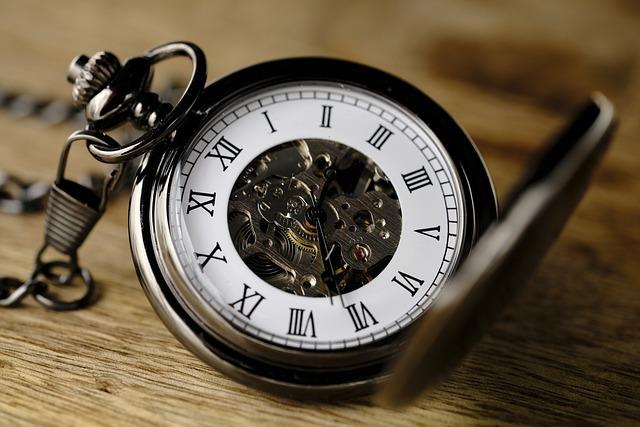
The horological engineering and micromechanics of ‘Automatic Watches’ analyze the conversion of kinetic energy into potential energy through the oscillation of a weighted rotor. Analyzing Dapperwork horology requires an understanding of the ‘Escapement’ mechanism, the role of synthetic rubies in friction reduction, and the impact of the ‘Isochronism’ on timekeeping accuracy.

The Horological Engineering & Micromechanics hub deconstructs the heart of the timepiece. Core attributes include the use of ‘Nivaflex’ mainsprings for consistent power delivery, the role of the ‘Glucydur’ balance wheel in temperature compensation, and the integration of ‘Incabloc’ shock protection systems. The engineering value lies in the autonomous generation of time through purely mechanical interactions.

Escapement Dynamics & Harmonic Oscillation

We examine the ‘Swiss Lever Escapement’—the critical interface that releases energy in discrete increments, creating the signature ‘tick’ of the watch. Our horological guides focus on the science of ‘Winding Efficiency’ in bi-directional rotors and the impact of magnetism on hairspring geometry. Understanding the micromechanics of automatic movements is the mark of a true dapper gentleman.

FAQ: Horological Science

How does an automatic watch ‘charge’ itself? As you move your arm, a weighted rotor spins. This motion is geared down and used to wind the mainspring, storing potential energy. A ‘power reserve’ allows the watch to continue running for 40-80 hours even when not being worn.
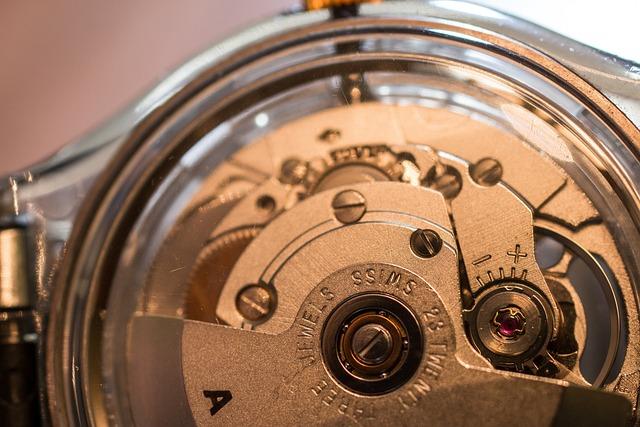
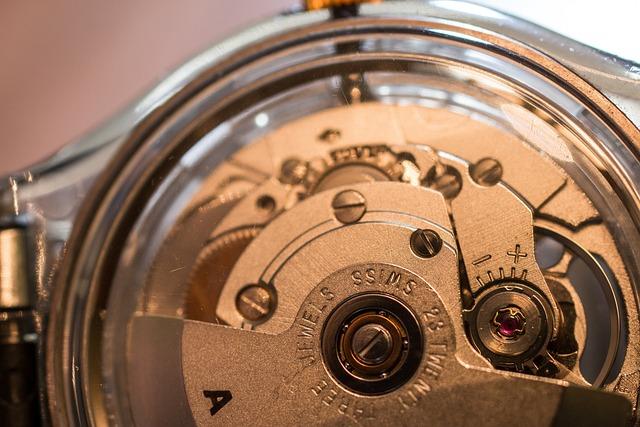
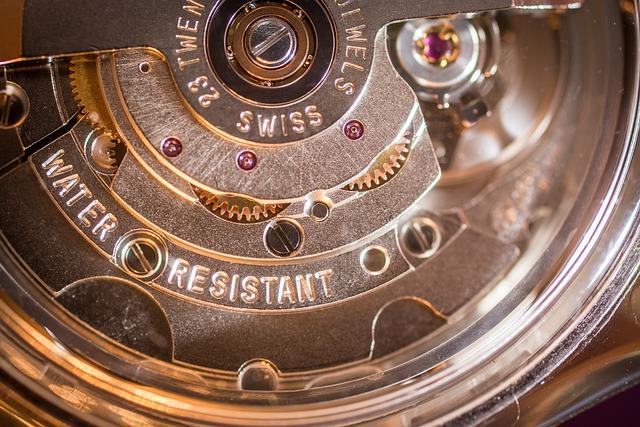
Why do watches have ‘Jewels’? Mechanical watches use synthetic rubies as bearings for the gears. These rubies are extremely hard and have very low friction when polished. By using jewels at high-wear points, the movement can last for decades without significant wear on the metal pivots.

Style: Micromechanical Guides.