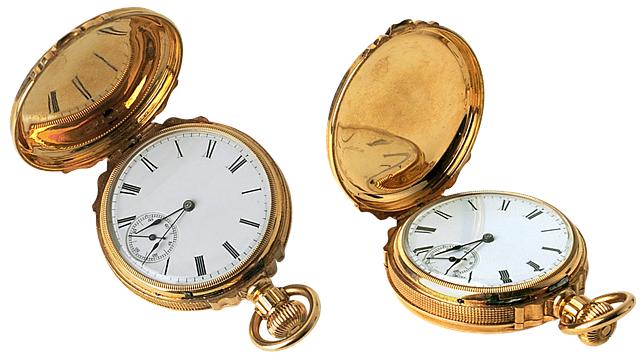
Uncovered: Why Mechanical Watches Stop Working
Have you ever wondered why your beloved mechanical watch suddenly stops ticking? In this article, we’ll uncover the mysterious reasons behind the phenomenon and explore the fascinating inner workings of these timeless timepieces. Join us as we delve into the world of mechanical watches and uncover the secrets of why they stop working.
Contents
- Common Reasons for Mechanical Watches to Stop Working
- Understanding the Role of Mechanical Parts in Watch Functionality
- Important Maintenance Tips to Keep Your Mechanical Watch Running Smoothly
- The Impact of Environment on the Performance of Mechanical Watches
- How Temperature Changes Can Affect the Accuracy of a Mechanical Watch
- The Significance of Regular Servicing for Mechanical Watches
- Uncovering the Effects of Magnetism on Mechanical Watch Movements
- Key Differences Between Quartz and Mechanical Watches in Relation to Stopping Issues
- To Conclude
Common Reasons for Mechanical Watches to Stop Working
There are several common reasons why mechanical watches stop working. Understanding these factors can help you prevent your beloved timepiece from running into issues:
- Overwinding: Be cautious when winding your watch, as overwinding can put unnecessary stress on the movement.
- Dust and dirt: Accumulation of dirt and dust can clog the gears and cause the watch to stop functioning properly.
- Impact damage: Dropping or hitting your watch can disrupt the delicate inner workings, leading to malfunction.
- Magnetization: Exposure to strong magnetic fields can magnetize the components of the watch, affecting its precision.
Regular maintenance and avoiding these common pitfalls can help keep your mechanical watch running smoothly for years to come.

Understanding the Role of Mechanical Parts in Watch Functionality
In a mechanical watch, there are various intricate parts that work together to keep time accurately. These parts include the mainspring, balance wheel, escapement mechanism, and gears. Understanding how each of these components functions is crucial in comprehending why mechanical watches may stop working.
The mainspring is the component that stores energy in the watch. When the watch is wound, the mainspring tightens, storing energy that is released slowly to power the movement of the watch. If the mainspring becomes too loose or breaks, the watch will stop working as there is no longer a source of energy to power it.
The balance wheel is responsible for controlling the speed at which the gears in the watch move. It oscillates back and forth, regulating the release of energy from the mainspring to ensure accurate timekeeping. If the balance wheel is damaged or becomes unbalanced, the watch may stop working or lose accuracy.
The escapement mechanism is what enables the gears in the watch to move in a controlled manner. It consists of the escape wheel, pallet fork, and anchor. If any of these components are misaligned or damaged, the watch may stop functioning properly. Regular maintenance and care of these mechanical parts are essential in ensuring the longevity and accuracy of a mechanical watch.
Important Maintenance Tips to Keep Your Mechanical Watch Running Smoothly
Mechanical watches are intricate pieces of engineering that require regular maintenance to ensure they continue running smoothly. Here are some important tips to keep your mechanical watch in top condition:
- Regular Servicing: It is recommended to have your mechanical watch serviced by a professional watchmaker every 3-5 years to prevent wear and tear on the moving parts.
- Avoid Magnetism: Keep your watch away from magnetic fields as this can disrupt the movement and accuracy of the timepiece.
- Water Resistance: If your watch is water-resistant, make sure to have the seals checked and replaced regularly to prevent water damage.
- Proper Storage: When not in use, store your watch in a watch box or pouch to protect it from dust, moisture, and scratches.
By following these maintenance tips, you can prolong the life of your mechanical watch and ensure it continues to run smoothly for years to come.

The Impact of Environment on the Performance of Mechanical Watches
In the world of mechanical watches, environmental factors can greatly impact the performance and accuracy of these intricate timepieces. One of the most common reasons why mechanical watches stop working is due to changes in temperature. Extreme temperatures, whether hot or cold, can cause the oils and lubricants inside the watch to either become too thick or too thin, resulting in poor timekeeping.
Humidity is another factor that can affect the performance of mechanical watches. High levels of humidity can cause the metal components of the watch to rust, while low humidity can cause the oils and lubricants to evaporate more quickly. This can lead to increased friction between the moving parts of the watch, causing it to lose accuracy.
Additionally, exposure to magnetic fields can disrupt the sensitive components of a mechanical watch, such as the balance wheel and escapement. This can cause the watch to run either too fast or too slow, depending on the intensity of the magnetic field.
It is important for owners of mechanical watches to be aware of these environmental factors and take proper precautions to ensure the longevity and accuracy of their timepieces. Storing your watch in a cool, dry place away from magnetic sources, and having it serviced regularly by a qualified watchmaker can help prevent issues caused by environmental factors.

How Temperature Changes Can Affect the Accuracy of a Mechanical Watch
Temperature changes can have a significant impact on the accuracy of a mechanical watch. Fluctuations in temperature can cause the materials within the watch to expand or contract, which can ultimately affect its timekeeping abilities. Here are some ways in which temperature changes can affect the accuracy of a mechanical watch:
- Regulation: Mechanical watches are regulated to keep time accurately at a specific temperature range. When exposed to temperatures outside of this range, the watch may run too fast or too slow.
- Lubrication: Extreme temperatures can cause the lubricants within the watch to either become too thick or too thin, impacting the movement of the gears and overall performance of the watch.
- Metal components: The metal components of a mechanical watch can expand or contract with temperature changes, affecting the overall functionality of the watch.
To mitigate the effects of temperature changes on a mechanical watch, it is recommended to store the watch in a consistent temperature environment and avoid exposing it to extreme temperatures. Additionally, regular maintenance and servicing by a professional watchmaker can help ensure that the watch is functioning properly despite temperature fluctuations.

The Significance of Regular Servicing for Mechanical Watches
Regular servicing for mechanical watches is essential in ensuring their longevity and accuracy. Over time, the delicate components of a mechanical watch can wear down, leading to issues such as loss of timekeeping accuracy or complete stoppage. Here are some reasons why regular servicing is crucial:
- Preventative Maintenance: Regular servicing helps to identify and address any potential issues before they become major problems.
- Lubrication: Proper lubrication of the moving parts is vital in ensuring smooth operation and preventing premature wear.
- Cleaning: Dust, dirt, and moisture can build up inside the watch and affect its performance. Regular cleaning during servicing helps to maintain the watch’s functionality.
By investing in regular servicing for your mechanical watch, you can enjoy its accurate timekeeping and impeccable craftsmanship for years to come. Don’t wait until your watch stops working – schedule a servicing appointment today!

Uncovering the Effects of Magnetism on Mechanical Watch Movements
When it comes to the intricate world of mechanical watches, one often overlooked culprit for their malfunction is magnetism. The effects of magnetism on watch movements can be detrimental, causing timepieces to run fast, slow, or even stop altogether. This is due to the sensitive balance springs and escapements within the movement being disrupted by magnetic fields.
One of the main sources of magnetism in our modern world is everyday items such as smartphones, laptops, and even handbag clasps. These common items can easily expose mechanical watches to magnetic fields, leading to their inaccurate timekeeping. To combat this issue, watchmakers have developed anti-magnetic materials and technologies to protect the delicate inner workings of mechanical watches.
It is essential for watch enthusiasts to be aware of the effects of magnetism on their timepieces and take necessary precautions to prevent any damage. Regularly servicing your watch and keeping it away from magnetic sources can help maintain its accuracy and longevity. By understanding the impact of magnetism on mechanical watch movements, we can ensure that our beloved timepieces keep ticking for generations to come.

Key Differences Between Quartz and Mechanical Watches in Relation to Stopping Issues
When it comes to the issue of stopping, there are key differences between quartz and mechanical watches that are worth exploring. Understanding these differences can shed light on why mechanical watches stop working.
Quartz Watches:
- Quartz watches rely on a battery to power the movement.
- The battery in a quartz watch can eventually run out, causing the watch to stop.
- Quartz watches are generally more accurate in timekeeping compared to mechanical watches.
Mechanical Watches:
- Mechanical watches use a complex system of gears and springs to keep time.
- Over time, the oils in a mechanical watch can dry up, causing increased friction and potentially leading to the watch stopping.
- Mechanical watches require regular servicing to prevent issues like stopping.
To Conclude
In conclusion, understanding the reasons why mechanical watches stop working can help you prolong the lifespan of your timepiece. Regular servicing, proper handling, and avoiding extreme conditions are crucial to maintaining the accuracy and functionality of your watch. By being mindful of these key factors, you can ensure that your mechanical watch continues to keep perfect time for years to come. Thank you for reading!
Get our latest guides, news, and insights highlighted in your Google Search & AI Overviews.