What Is an Automatic Watch and How Does It Work?
Have you ever been intrigued by the fascinating world of timepieces? If so, you’ve probably heard of automatic watches. These timekeeping marvels not only exude elegance but also boast an ingenious mechanism that sets them apart from their battery-powered counterparts. But what exactly is an automatic watch, and how does it work its magic? In this article, we will unravel the mechanics behind these mechanical wonders and delve into the intricate world of horology, bringing clarity to the enigma that is the automatic watch. So, buckle up as we embark on a journey to understand the inner workings of this timeless creation.
Contents
- What Is an Automatic Watch: A Comprehensive Guide
- The Intricate Mechanism Behind an Automatic Watch
- How Does an Automatic Watch Work: Explained Step by Step
- Understanding the Rotor: Powering an Automatic Watch
- The Role of the Main Spring: Fueling an Automatic Watch
- The Escapement Mechanism: Ensuring Precise Timekeeping
- The Balance Wheel: Regulating the Accuracy of an Automatic Watch
- Automatic Watch vs. Quartz Watch: Unveiling the Differences
- Maintenance and Care Tips for Your Automatic Watch
- Choosing the Perfect Automatic Watch: Key Factors to Consider
- Insights and Conclusions
What Is an Automatic Watch: A Comprehensive Guide
An automatic watch is a timepiece that operates without the need for a battery. Instead, it relies on the natural movement of the wearer’s arm to keep it running. This remarkable mechanism is made possible by a self-winding system that harnesses the power generated by the movement of the wrist.
So how does it work? Inside an automatic watch, there is a tiny rotor that spins in response to arm motion. This rotor is connected to a series of gears which, in turn, wind the mainspring. The mainspring is like a coiled energy source that stores the power needed to keep the watch ticking. As the mainspring slowly unwinds, it releases energy that is transferred through the gears to drive the hands and other functions of the watch.
One of the fascinating features of automatic watches is their ability to store power. Many models have a power reserve indicator, a small subdial or hand that shows how much energy is left in the watch’s mainspring. With a full charge, which is typically achieved by wearing the watch for around 8-12 hours, an automatic timepiece can continue to function for up to 48 hours without any additional movement.
If you’re wondering about accuracy, automatic watches are designed to be highly precise. While they may not be as accurate as quartz watches, which rely on electronic oscillators, automatic watches can still maintain a reputable level of accuracy within a few seconds per day. Plus, they offer the added charm of being handcrafted and boasting intricate mechanical movements. From the mesmerizing gears to the visible oscillating rotor, owning an automatic watch is like wearing a piece of mechanical art on your wrist.

The Intricate Mechanism Behind an Automatic Watch
An automatic watch is a marvel of engineering, an intricate timepiece that combines artistry and craftsmanship with precision mechanics. Unlike a quartz watch, which relies on a battery for power, an automatic watch is powered by the natural motion of the wearer’s wrist. It is widely regarded as a testament to the genius of horology.
At the heart of an automatic watch is a mainspring, a coiled strip of metal that stores mechanical energy. As the wearer moves their wrist, the mainspring is slowly wound, generating power to drive the various mechanisms within the watch. To ensure the watch remains accurate, a balance wheel and hairspring work together to regulate the release of energy from the mainspring. This delicate pairing oscillates back and forth at a precise rate, typically 28,800 beats per hour, creating the familiar ticking sound.
A crucial component of an automatic watch is the rotor, a weighted disc that rotates freely with the motion of the wearer’s arm. As the rotor moves, it transfers energy to the mainspring through a series of gears and levers. This mechanism not only winds the watch, but it also allows for the winding of the mainspring in both directions, ensuring maximum efficiency. To prevent overwinding, a clutch mechanism disengages the rotor when the mainspring reaches its optimal tension.
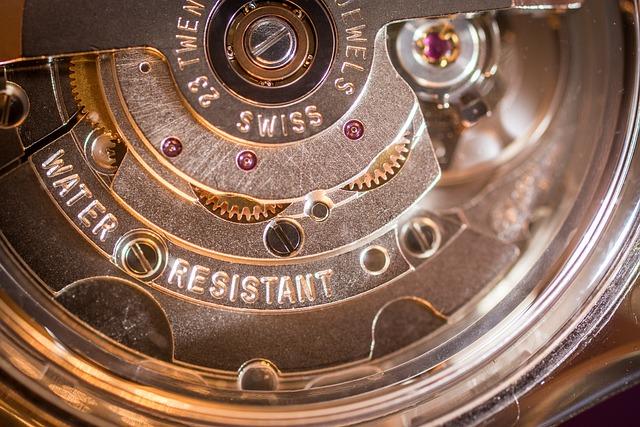
The intricate inner workings of an automatic watch can be visualized through the transparent caseback, providing a captivating display of the mechanical ballet occurring within. Whether it’s the delicate synchronization of gears or the mesmerizing oscillation of the balance wheel, an automatic watch offers a fascinating glimpse into the melding of art and engineering. Each time you wear one, you become a part of this intricate mechanism, connecting with the history and tradition that defines horology. So the next time you glance at your automatic watch and it accurately displays the passage of time, take a moment to appreciate the hidden wonders that lie beneath its elegant exterior.
How Does an Automatic Watch Work: Explained Step by Step
An automatic watch, also known as a self-winding watch, is a timepiece that functions without the need for manual winding. Instead, it harnesses the natural motion of your wrist to power its movement. The intricate mechanism within the watch utilizes the principle of a rotor, which is a weighted disc that rotates with the motion of your arm.
Step by step, here’s how an automatic watch works:
Rotor Movement: When you wear an automatic watch, the motion of your arm causes the rotor to spin freely. This spinning motion generates a transfer of energy, which is then stored in the watch’s mainspring.
Mainspring Function: The mainspring is the heart of the watch and the main power source. It is a coiled strip of metal that stores the energy generated by the rotor. As the mainspring unwinds, it gradually releases the stored energy to power the various components of the watch.
Gear Train: Connected to the mainspring is a series of gears known as the gear train. These gears work together to regulate the release of energy from the mainspring and transfer it to other essential components, such as the escapement and balance wheel.
- Escapement and Balance Wheel: The escapement is a critical component that controls the release of energy from the mainspring in a regulated manner. It works in conjunction with the balance wheel, which oscillates back and forth, creating the mesmerizing ticking motion of the watch.
To ensure precise timekeeping, automatic watches often incorporate additional features, such as a balance spring and jeweled bearings. The balance spring helps regulate the oscillations of the balance wheel, while the jeweled bearings reduce friction within the movement, allowing for smoother operation and increased longevity.
It’s worth noting that automatic watches typically have a power reserve, which indicates the amount of time the watch can continue running without being worn or wound. This feature ensures that your watch keeps ticking even when it’s not in use.
In summary, automatic watches are mechanical marvels that harness the natural motion of your arm to power their movement. With a combination of rotor movement, mainspring function, gear train operation, and other intricate mechanisms, these timepieces offer both functionality and aesthetic appeal. So, next time you wear an automatic watch, remember the fascinating inner workings that keep it ticking and keeping time with precision.
Understanding the Rotor: Powering an Automatic Watch
The rotor is a key component in powering an automatic watch, but what exactly is it and how does it work? In simple terms, the rotor is a semicircular weight that is attached to the movement of the watch. It is designed to respond to motion and gravity, which enables the watch to wind itself without the need for manual winding.
Here’s how it works: when you wear an automatic watch, the movements of your wrist cause the rotor to spin. As the rotor spins, it transfers energy to the mainspring, which is the power source of the watch. The mainspring then stores this energy and releases it slowly and evenly over time, allowing the watch to keep ticking.
The design of the rotor is ingenious. It is connected to the movement through a series of gears, ensuring that even the slightest movement is translated into power for the watch. This means that the more you wear and move your automatic watch, the more energy is transferred and the longer it will continue to function.
It’s important to note that the rotor is not just a functional component; it can also be a visually appealing feature of the watch. Many watchmakers utilize intricate designs and engravings on the rotor, turning it into a work of art that can be enjoyed through the exhibition caseback.
In summary, the rotor is an essential part of an automatic watch, harnessing the natural motion of your wrist to keep the watch wound and ticking. Its efficient design ensures that the watch is always ready to keep time accurately, without the need for manual winding. So, next time you wear your automatic watch, take a moment to appreciate the beauty and functionality of this mesmerizing little component.
The Role of the Main Spring: Fueling an Automatic Watch
An automatic watch, also known as a self-winding watch, is a timepiece that doesn’t require manual winding. Instead, it uses the natural motion of the wearer’s arm to wind the main spring, which powers the watch. Understanding the role of the main spring is essential to grasp how an automatic watch functions.
The main spring is a coiled ribbon of metal that stores mechanical energy. It is the heart of an automatic watch, enabling it to continuously keep time. As the wearer moves their arm, a rotor inside the watch spins and transfers the energy to the main spring through a series of gears.
Here’s how the main spring fuels the automatic watch:
- Energy storage: The main spring stores potential energy when it is wound. The more tightly coiled the spring, the more energy it can store, resulting in a longer power reserve for the watch.
- Energy release: As the main spring unwinds, it releases stored energy, which powers the watch’s movement. The energy is transferred through the gears, including the escapement, balance wheel, and hands, allowing the watch to keep accurate time.
- Winding mechanism: In an automatic watch, the natural motion of the wearer’s arm winds the main spring. The rotor, a semi-circular weight connected to the movement, rotates with arm movements and winds the main spring automatically.
The main spring is vital to the operation of an automatic watch, ensuring it stays functional and accurate. Understanding its role allows watch enthusiasts to appreciate the intricacies of these timepieces and marvel at the craftsmanship involved in harnessing the power of natural motion.

The Escapement Mechanism: Ensuring Precise Timekeeping
The escapement mechanism is an essential component in automatic watches, playing a vital role in ensuring precise timekeeping. This intricate system regulates the movement of the watch’s gears, allowing for the consistent and accurate measurement of time.
At the heart of the escapement mechanism lies the balance wheel, which swings back and forth at a constant rate. This movement is controlled by a hairspring, a delicate coil that provides tension and allows the balance wheel to oscillate. The escapement lever, operated by the gear train, repeatedly engages and disengages with the escape wheel, providing the necessary impulses to move the balance wheel forward in a controlled manner.
One of the key advantages of an automatic watch is its ability to self-wind. Through the use of a rotor, the watch harnesses the natural motion of the wearer’s arm to wind the mainspring. The mainspring, in turn, powers the entire watch mechanism, including the escapement mechanism.
To further improve the accuracy of timekeeping, some modern automatic watches incorporate additional features such as a hacking function. This allows the seconds hand to be stopped, enabling precise time synchronization when setting the watch.
In summary, the escapement mechanism is a crucial part of an automatic watch, responsible for the precise measurement of time. Its intricate design, incorporating components such as the balance wheel and hairspring, ensures that the watch maintains accuracy over time. With the self-winding capabilities and optional features like hacking, automatic watches continue to be a popular choice for those seeking both style and precision.
The Balance Wheel: Regulating the Accuracy of an Automatic Watch
An automatic watch is a type of mechanical watch that does not require manual winding. It harnesses the movements of the wearer’s wrist to power the watch’s mechanism, eliminating the need for batteries or winding by hand. This makes automatic watches popular among watch enthusiasts for their convenience and craftsmanship.
At the heart of an automatic watch is the balance wheel, a crucial component responsible for regulating the accuracy of the timekeeping. The balance wheel is a circular device that oscillates back and forth, controlling the rotational speed of the watch’s gear train.
Inside the balance wheel, there is a hairspring which acts as a spring that opposes and controls the oscillation. As the balance wheel swings, it stores energy during the inward motion and releases it as the wheel moves outward. This back-and-forth motion keeps the watch running and ensures accuracy by maintaining a consistent beat rate.
To further enhance the accuracy of an automatic watch, modern timepieces often incorporate additional features such as a regulator, which allows for finely adjusting the balance wheel’s speed, and a hacking mechanism, which stops the second hand when the crown is pulled out for time setting.
- The balance wheel is the heart of an automatic watch.
- It oscillates back and forth to regulate the gear train’s rotational speed.
- A hairspring inside the balance wheel controls its oscillation.
- Additional features like a regulator and hacking mechanism enhance accuracy.

Automatic Watch vs. Quartz Watch: Unveiling the Differences
An automatic watch, often referred to as a self-winding watch, is a mechanical timepiece that relies on the natural movement of the wearer’s wrist to power its internal mechanism. Unlike a quartz watch, which is powered by a battery, an automatic watch uses intricate gears and springs to keep time.
The main difference between an automatic watch and a quartz watch lies in their mechanisms. An automatic watch contains a rotor, which is a half-moon-shaped weight that rotates with the wearer’s arm movement. As the rotor spins, it winds the mainspring, which stores potential energy. This energy is gradually released, powering the watch’s gears and hands.
One of the advantages of owning an automatic watch is its self-sufficiency. As long as the watch is worn regularly, it will continue to function without the need for manual winding or a battery replacement. This makes it a timeless piece that can be passed down from generation to generation.
Additionally, automatic watches are often admired for their intricate craftsmanship and aesthetic appeal. The transparent case-back of some models allows you to witness the mesmerizing movement of the internal gears, captivating watch enthusiasts and collectors alike.

Maintenance and Care Tips for Your Automatic Watch
Taking care of your automatic watch is essential to ensure its longevity and accuracy. Here are some maintenance and care tips that will help you maintain the performance and beauty of your timepiece:
Regular Winding: Automatic watches are powered by the movement of your wrist, but they still need to be manually wound to keep them running accurately. Ideally, you should wind your watch at least once every two weeks, even if you wear it daily. This will prevent the lubricating oils from drying up and ensure smooth operation.
Avoid Magnets: Magnetic fields can adversely affect the accuracy of your automatic watch. Keep your timepiece away from magnets such as speakers, tablets, and refrigerators. If you suspect that your watch has been exposed to a magnetic field, take it to a professional watchmaker for demagnetization.
Water Resistance: Most automatic watches are water-resistant, but the level of resistance can vary. Be sure to check the manufacturer’s specifications and guidelines to determine whether your watch is suitable for water activities. It’s important to note that water resistance can diminish over time, so regular checks and servicing may be necessary.
Avoid Extreme Temperatures: Extreme temperatures can damage the movement and cause the lubricating oils to deteriorate. It’s best to avoid exposing your automatic watch to extreme heat or cold. If you need to store your watch, keep it in a cool, dry place away from direct sunlight.
Maintenance Schedule: Regular maintenance by a professional watchmaker is crucial to keep your automatic watch in optimal condition. The recommended interval for servicing depends on the manufacturer’s specifications, but generally, every three to five years is a good guideline. During a service, the watchmaker will clean, lubricate, and adjust the movement, ensuring its accuracy and longevity.
By following these maintenance and care tips, you can enjoy your automatic watch for many years to come. Remember to always consult the manufacturer’s guidelines and seek professional assistance when necessary. A well-maintained watch not only tells the time but also becomes a timeless accessory that reflects your style and attention to detail.
Choosing the Perfect Automatic Watch: Key Factors to Consider
Automatic watches are a fascinating blend of traditional craftsmanship and modern engineering. These timepieces are powered by the natural movement of the wearer’s wrist, eliminating the need for batteries or manual winding. But how do these intricate mechanisms actually work?
At the heart of an automatic watch is a rotor, a small metal weight that rotates freely with the motion of the wrist. As the wearer moves, the rotor spins and transfers energy to the mainspring, which is coiled tightly inside the watch. This winding action stores power in the mainspring, which then releases the energy slowly and consistently to regulate the watch’s movement.
One of the key advantages of an automatic watch is its self-winding feature. Unlike manual watches, which require regular winding to keep them running, automatic watches rely on the wearer’s natural movements to stay powered. This makes them an ideal choice for those who appreciate the convenience and reliability of a watch that never needs manual intervention.
When choosing the perfect automatic watch, there are several key factors to consider. Firstly, the movement type is crucial. Automatic watches can be powered by either a mechanical movement or a quartz movement. Mechanical movements are crafted with exquisite precision and offer a smooth, sweeping second hand motion. On the other hand, quartz movements, powered by a battery, provide accurate timekeeping and require less maintenance.
Another consideration is the watch’s style and design. Automatic watches come in a wide array of designs, from classic and elegant to sporty and rugged. It’s important to choose a style that suits your personal taste and complements your wardrobe. Additionally, factors such as case material, dial color, and strap type can enhance the overall aesthetics and comfort of the watch.
Lastly, budget plays a significant role in choosing the perfect automatic watch. These timepieces can range in price from affordable entry-level options to luxury high-end models. It’s essential to determine your budget beforehand and consider the value, craftsmanship, and brand reputation when making your selection.
In summary, automatic watches are a testament to the craftsmanship and innovation in the watchmaking industry. With their self-winding mechanism and timeless appeal, they are a popular choice among watch enthusiasts. By considering factors such as movement type, style, and budget, you can find the perfect automatic watch that suits your preferences and stands the test of time.
Insights and Conclusions
In conclusion, automatic watches are a fascinating blend of traditional craftsmanship and modern technology. These timepieces offer a multitude of advantages, including their self-winding mechanism, accurate timekeeping, and timeless aesthetic appeal. Understanding the inner workings of an automatic watch can help you appreciate the intricate craftsmanship and precision involved. Remember, automatic watches are powered by the kinetic energy generated by your wrist’s motion, so wearing them regularly ensures they function smoothly. If you’re passionate about horology or simply appreciate quality timepieces, an automatic watch is a splendid addition to your collection. So, take pride in your automatic watch and let its mesmerizing mechanism keep you punctual and stylish.
Get our latest guides, news, and insights highlighted in your Google Search & AI Overviews.