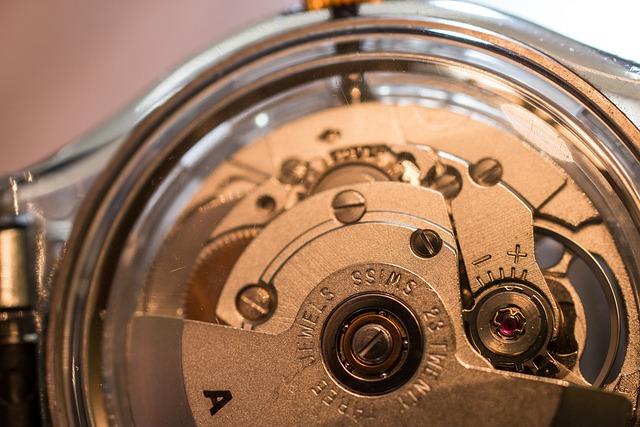
How Long Do Automatic Watches Run? Learn More!
Have you ever wondered how long automatic watches can run without winding? Whether you’re a seasoned watch enthusiast or just starting to explore the world of horology, understanding the power reserve of an automatic timepiece is essential. In this article, we will delve into the mechanics behind automatic watches and uncover just how long they can tick without a wind. So sit back, relax, and let’s unravel the mystery of automatic watch longevity together!
Contents
- Automatic Watches – Basic Overview and Functionality
- Power Reserve in Automatic Watches – Understanding the Mechanism
- Factors Affecting the Running Time of Automatic Watches
- How to Maintain Proper Winding to Ensure Longer Running Time
- Impact of Wear and Tear on the Longevity of Automatic Watches
- Signs That Your Automatic Watch Needs Maintenance
- Tips for Enhancing the Running Time of Your Automatic Watch
- Professional Recommendations for Extending the Lifespan of Automatic Watches
- Closing Remarks
Automatic Watches – Basic Overview and Functionality
An automatic watch is a timepiece that is powered by the natural motion of the wearer’s wrist. This type of watch does not require a battery to operate, as it is powered by the movement of the wearer’s arm. The mechanism inside the watch winds itself as you move, keeping the watch running smoothly.
One common question that many people have about automatic watches is how long they can run for without being worn. This can vary depending on the specific watch and its power reserve, but on average, most automatic watches can run for about 36-48 hours on a full wind. Some higher-end automatic watches may have a longer power reserve, lasting up to 72 hours or more.
It is important to wear your automatic watch regularly to keep it running smoothly and to prevent the mechanism from stopping. If you do not wear your watch for an extended period of time, you may need to manually wind it to get it running again. Regularly wearing and moving your automatic watch will help ensure that it stays running and keeps accurate time.

Power Reserve in Automatic Watches – Understanding the Mechanism
In automatic watches, the power reserve refers to the amount of time a watch can function without being worn or wound. This mechanism is essential for keeping the watch running smoothly and accurately. Understanding how the power reserve works can help you make the most out of your automatic watch.
**Key Points to Understand about Power Reserve in Automatic Watches:**
– The power reserve of an automatic watch typically ranges from 24 to 72 hours, depending on the model and brand.
– When the watch is fully wound, the mainspring stores energy that powers the movement of the watch.
– The power reserve indicator on some watches shows how much energy is left in the mainspring before it needs to be wound again.
– It is recommended to wind your automatic watch regularly to ensure it keeps accurate time and doesn’t stop running unexpectedly.
In conclusion, knowing the power reserve of your automatic watch and understanding how to utilize it can help you enjoy the convenience and reliability of this timeless piece of technology. By keeping your watch wound and powered up, you can ensure that it continues to run smoothly and keep you on time throughout the day.
Factors Affecting the Running Time of Automatic Watches
Factors such as the quality of the movement, maintenance, and environment can all contribute to the running time of automatic watches.
**Quality of the Movement:**
– The precision and craftsmanship of the movement can greatly affect the accuracy of the watch. Higher-quality movements are often more reliable and can keep better time over long periods.
**Maintenance:**
– Regular servicing and proper care can help ensure that an automatic watch runs smoothly and accurately. Keeping the watch clean, lubricated, and properly adjusted can prolong its running time.
**Environment:**
– Temperature and position can also impact the running time of automatic watches. Extreme temperatures or frequent changes in position can affect the accuracy of the watch. Keeping the watch in a stable environment can help maintain its performance.
By considering these factors and taking proper care of your automatic watch, you can ensure that it runs smoothly and accurately for years to come.
How to Maintain Proper Winding to Ensure Longer Running Time
Properly winding your automatic watch is crucial in ensuring it runs smoothly and efficiently for a longer period of time. By following these simple maintenance tips, you can maximize the lifespan of your timepiece:
- **Consistent Winding:** Wind your watch at the same time each day to maintain a consistent power reserve.
- **Avoid Overwinding:** Be gentle when winding your watch to avoid putting too much pressure on the movement.
- **Regular Wear:** Wearing your watch regularly helps to keep it running smoothly by keeping the movement active.
By incorporating these practices into your daily routine, you can enjoy your automatic watch for years to come. Remember, proper maintenance is key to ensuring your timepiece remains in top condition.
Impact of Wear and Tear on the Longevity of Automatic Watches
Automatic watches are known for their intricate mechanisms that allow them to function without the need for manual winding. However, over time, wear and tear can have a significant impact on the longevity of these timepieces. Understanding the factors that contribute to the lifespan of automatic watches can help you maintain and extend the life of your beloved timepiece.
Factors that can impact the longevity of automatic watches include:
- Regular Maintenance: Proper servicing and maintenance of your automatic watch can help prevent wear and tear on the internal components.
- Water Resistance: Exposure to moisture can cause damage to the delicate inner workings of automatic watches, so it’s essential to ensure your timepiece is water-resistant.
- Shock and Impact: Dropping or hitting your watch can cause damage to the movement, affecting its accuracy and longevity.
By taking proper care of your automatic watch and being mindful of these factors, you can ensure that your timepiece runs smoothly for many years to come.
Signs That Your Automatic Watch Needs Maintenance
As much as automatic watches have a reputation for lasting a lifetime, they do require regular maintenance to keep them running smoothly. Here are some signs that your automatic watch may need maintenance:
- Inconsistent timekeeping: If you notice that your watch is running fast or slow, it may be time for a service.
- Loss of power reserve: If your watch doesn’t hold a charge like it used to, it could be a sign that the movement needs attention.
- Strange noises: If you hear any unusual ticking or grinding noises coming from your watch, it’s best to have it checked out by a professional.
Regular maintenance is key to keeping your automatic watch in top condition. By taking care of your timepiece, you can ensure that it will continue to run smoothly for years to come.

Tips for Enhancing the Running Time of Your Automatic Watch
Automatic watches are powered by the movement of the wearer’s wrist, which winds the mainspring and keeps the watch running. But how long do automatic watches actually run before they require winding again? Typically, automatic watches have a power reserve of around 36-48 hours, meaning they will continue to run for that amount of time without being worn.
If you want to enhance the running time of your automatic watch, here are some tips to keep in mind:
- Wear Your Watch Regularly: To keep your automatic watch running smoothly, make sure to wear it regularly to keep the mainspring wound.
- Rotate Between Watches: If you have multiple automatic watches, rotate between them to ensure they all stay wound and running.
- Use a Watch Winder: Consider investing in a watch winder to keep your automatic watch running when you’re not wearing it.
- Regular Maintenance: To ensure optimal performance, have your automatic watch serviced by a professional watchmaker every 3-5 years.

Professional Recommendations for Extending the Lifespan of Automatic Watches
Ensuring the longevity of your automatic watch requires some careful consideration and attention to detail. Here are some professional recommendations to help you extend the lifespan of your timepiece:
- Regular Servicing: Just like a car needs routine maintenance, automatic watches also benefit from regular servicing. It is recommended to have your watch serviced every 3-5 years by a professional watchmaker to keep it running smoothly.
- Proper Storage: When not in use, store your automatic watch in a watch box or case to protect it from dust, moisture, and other elements that could potentially damage the mechanism.
- Avoid Magnets: Magnetic fields can disrupt the movement of your automatic watch, so try to keep it away from magnetic sources such as cellphones, speakers, and magnetic clasps.
- Rotate Your Watches: If you have multiple watches in your collection, rotate wearing them to prevent one watch from sitting idle for too long. This helps to keep the oils inside the movement evenly distributed.
Closing Remarks
In conclusion, automatic watches typically run for about 40 hours to 80 hours on a full wind. However, factors such as the quality of the movement and how often the watch is worn can affect its power reserve. Remember to keep your automatic watch regularly wound to ensure its accuracy and longevity. By understanding how long automatic watches run, you can better appreciate and care for your timepiece. Stay informed and enjoy the timeless beauty of automatic watches!
Get our latest guides, news, and insights highlighted in your Google Search & AI Overviews.