Are Automatic Watches Mechanical? Dive into Watch Mechanics
Are you a watch enthusiast who has always been curious about the inner workings of automatic watches? Well, you’ve come to the right place! In this fascinating article, we will delve into the intricate world of watch mechanics and unravel the mystery behind the question: Are automatic watches mechanical? Brace yourself for an engaging journey as we uncover the inner workings of these timekeeping marvels, guided by a neutral and knowledgeable perspective. So, buckle up and prepare to explore the captivating realm of automatic watches and all their mechanical glory!
Contents
- Are Automatic Watches Mechanical?
- The Intricate Inner Workings of Automatic Watches
- A Comprehensive Exploration of Watch Mechanics
- The Relationship Between Automatic Watches and Mechanical Movements
- A Closer Look at the Self-Winding System
- Understanding the Core Components of Automatic Watches
- Choosing the Right Mechanical Movement for Your Automatic Watch
- Enhancing Longevity: Maintenance Tips for Automatic Watches
- Exploring the Pros and Cons of Mechanical Movements in Automatic Watches
- In Summary
Are Automatic Watches Mechanical?
Automatic watches are often associated with the charm of traditional mechanical timepieces. But what exactly sets them apart from their counterparts? To answer that question, let’s dive into the fascinating world of watch mechanics.
At their core, automatic watches are indeed mechanical. They rely on intricate mechanisms to measure time, just like manual mechanical watches. The key difference lies in how they are powered. While manual mechanical watches require regular winding by the wearer, automatic watches harness the kinetic energy generated by the wearer’s natural wrist movements.
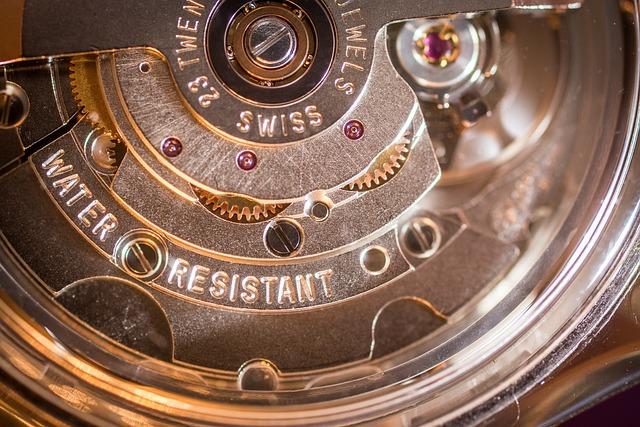
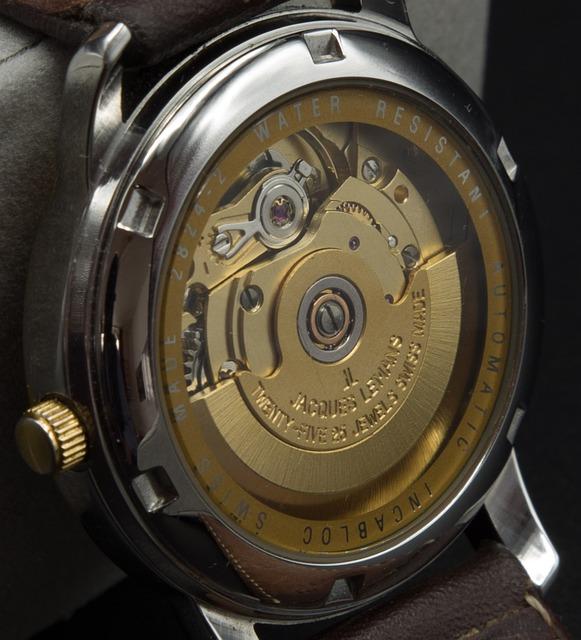
Inside an automatic watch, a hidden rotor spins freely with the motion of the wearer’s wrist. This rotor is connected to the winding mechanism, drawing energy from the natural movements and transferring it to the mainspring, which stores the energy needed to power the watch. This fascinating self-winding feature ensures that an automatic watch remains functional and accurate without the need for constant winding.
Additionally, like all mechanical watches, automatic watches consist of countless small gears, springs, and levers meticulously engineered to work in harmony. Each component is carefully crafted and assembled to ensure precise timekeeping. This craftsmanship and attention to detail are what make automatic watches both marvels of engineering and desirable luxury accessories.
With their mechanical heart and self-winding capabilities, automatic watches offer a unique blend of tradition, elegance, and convenience. By combining timeless craftsmanship with modern technology, these watches continue to captivate watch enthusiasts around the world. Whether you’re a fan of horology or simply appreciate the beauty of a finely crafted timepiece, automatic watches are sure to impress with their reliable and stylish performance.

The Intricate Inner Workings of Automatic Watches
Automatic watches are often revered for their intricate inner workings and the precise mechanisms that power them. While they may appear similar to mechanical watches, there is a distinction that sets them apart. Unlike their manual counterparts, automatic watches feature a self-winding mechanism that allows them to harness the kinetic energy produced from the wearer’s movements, eliminating the need for manual winding.
At the heart of an automatic watch lies a weighted rotor or oscillating weight, which freely moves with the motion of the wearer’s wrist. This rotor is connected to a series of gears and springs that work together to wind the mainspring, which serves as the power source for the watch. As the rotor spins, it transfers energy to the mainspring, storing the energy needed to keep the watch running smoothly.
But how does the watch maintain accuracy? Automatic watches employ a system of gears and escapements, which regulate the energy released by the mainspring. The escapement ensures that the energy is released in controlled increments, allowing the gears to move at a precise rate. This is what ultimately determines the watch’s accuracy, keeping it on time with each passing second.
In addition to their mechanical marvels, automatic watches also boast elaborate dials and complications that showcase their craftsmanship. From chronographs to moon phase displays, these timepieces offer a wide range of features that enhance their functionality and aesthetics. Whether it’s the smooth sweep of the second hand or the mesmerizing movement of intricate watch components, automatic watches continue to captivate watch enthusiasts with their precise mechanisms and timeless appeal.
A Comprehensive Exploration of Watch Mechanics
Watch enthusiasts often find themselves intrigued by the intricate mechanics behind timepieces. One question that often arises is whether automatic watches are truly mechanical. The answer lies in understanding the mechanisms that make automatic watches tick.
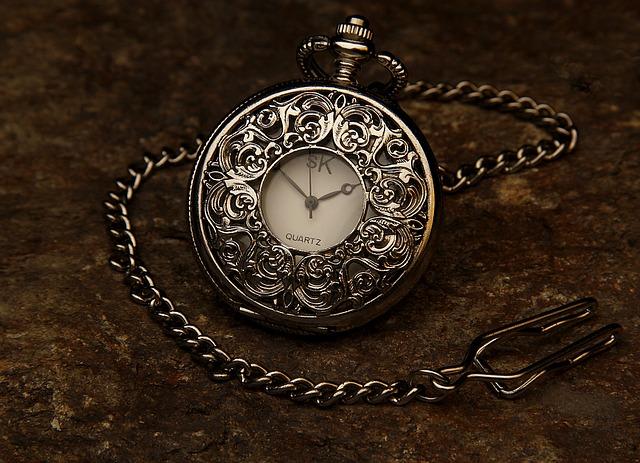
To begin, it’s important to clarify that automatic watches are indeed mechanical. Unlike their quartz counterparts, which rely on battery power, automatic watches are powered by the movement of the wearer’s wrist. This movement sets a rotor in motion, which in turn winds the watch’s mainspring, storing kinetic energy that keeps the watch running.
Within the case of an automatic watch, a series of gears, levers, and springs work together to ensure accurate timekeeping. These components include the escapement, balance wheel, and the ever-famous Swiss lever escapement mechanism. The escapement serves as the heart of the watch, regulating the release of energy from the mainspring and driving the gears.
In terms of accuracy, automatic watches may not be as precise as their quartz counterparts, but they possess a unique charm that stems from their mechanical nature. The craftsmanship and engineering required to create a finely-tuned automatic movement are remarkable, captivating those with an appreciation for the artistry of watchmaking.
To summarize, automatic watches are indeed mechanical, relying on the movement of the wearer to power their intricate mechanisms. These timepieces showcase the craftsmanship and precision that go into traditional watchmaking, making them a favorite among collectors and enthusiasts alike. So, next time you slip on an automatic watch, take a moment to appreciate the mesmerizing dance of gears and springs that keep time at your wrist.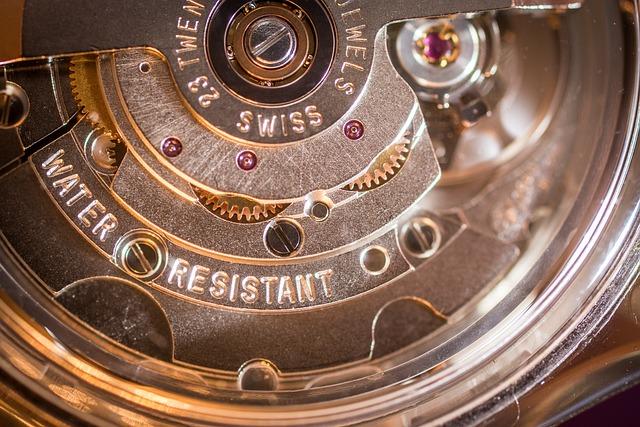
The Relationship Between Automatic Watches and Mechanical Movements
Automatic watches and mechanical movements are often thought to be one and the same. However, there are some key differences between the two that are worth exploring.
Firstly, let’s discuss mechanical movements. In a nutshell, mechanical movements are those that are powered by a mainspring. This mainspring needs to be wound manually, either by turning the crown or through a separate winding mechanism. The mainspring stores energy, which is then released to power the watch’s timekeeping functions. Mechanical movements are prized for their craftsmanship and precision, as they require intricate handiwork to assemble and regulate.
On the other hand, automatic watches are a subcategory of mechanical watches. What sets them apart is the addition of a self-winding mechanism. This mechanism allows the watch to automatically wind itself as the wearer moves their arm throughout the day. The energy generated from these movements is harnessed and used to power the watch, eliminating the need for manual winding. It’s this self-winding feature that makes automatic watches so convenient and popular among watch enthusiasts.
It’s important to note that not all mechanical watches are automatic, but all automatic watches are mechanical. While there are other types of watch movements, such as quartz or digital, mechanical movements hold a special place in the hearts of watch aficionados. The intricate craftsmanship and traditional horological techniques that go into creating mechanical movements make them highly valued and sought after.
In conclusion, automatic watches and mechanical movements go hand-in-hand, but they are not interchangeable. Automatic watches are a type of mechanical watch that incorporates a self-winding mechanism, while mechanical movements can refer to any watch that is powered by a mainspring. Understanding the relationship between these two concepts adds depth to our appreciation for the artistry and engineering behind timepieces. So, the next time you admire a mechanical watch, take a moment to appreciate the complexity and craftsmanship that makes it tick.
A Closer Look at the Self-Winding System
The self-winding system, also known as an automatic winding mechanism, is a key feature in mechanical watches that sets them apart from their quartz counterparts. This intricate mechanism harnesses the natural motion of the wearer’s wrist to power the watch, eliminating the need for manual winding.
At the heart of the self-winding system is the rotor, a weighted disc that rotates freely with the movement of the wrist. As the wearer moves, the rotor swings back and forth, transferring energy to the mainspring through a series of gears. This energy is then stored in the mainspring, which gradually releases it to power the watch’s movement.
One of the unique advantages of automatic watches is their ability to be “set and forget.” Unlike manual watches that require regular winding, automatic watches can simply be worn daily to keep them running. The self-winding system ensures that the watch stays wound as long as it is worn regularly, resulting in a continuous and reliable timekeeping experience.
To make the most of the self-winding system, it is recommended to wear the watch for at least eight to ten hours a day to ensure optimal power reserve. Additionally, a watch winder can be used when the timepiece is not being worn to keep it consistently wound and ready for use. This self-sustaining nature of automatic watches is one of the reasons why they hold a special appeal for watch enthusiasts and those who appreciate the craftsmanship of traditional mechanical timepieces.
In conclusion, the self-winding system is a fascinating aspect of automatic watches that merges the art of horology with the motion of the wearer. By harnessing the power of the wrist’s movement, these watches offer a seamless and hassle-free timekeeping experience. Whether you’re a watch enthusiast or simply curious about the mechanics behind your timepiece, understanding the self-winding system adds a new level of appreciation for the craftsmanship and ingenuity that goes into creating these mechanical wonders.
Understanding the Core Components of Automatic Watches
Automatic watches are often revered for their intricate mechanics and craftsmanship. While they are often associated with mechanical watches, it’s important to clarify that not all automatic watches are strictly mechanical. In fact, an automatic watch is a type of mechanical watch that harnesses the power of the wearer’s movements to keep the watch running. Let’s dive into the fascinating world of watch mechanics and understand the core components that make automatic watches tick.
Oscillating Weight: One of the key components of an automatic watch is the oscillating weight, also known as a rotor. This weight swings freely with the movements of our wrists, thus converting the kinetic energy generated into mechanical energy. As the weight rotates, it winds the mainspring, which stores the energy that powers the watch.
Mainspring: The mainspring is essentially the energy source of an automatic watch. It is a coiled strip of metal that gets wound tighter as the oscillating weight spins. This stored energy is gradually released, regulating the movement of the watch‘s gears, hands, and complications.
Gear Train: The gear train is a vital component that transmits the energy from the mainspring to various parts of the watch. Consisting of a series of gears with different sizes, it ensures that the energy is distributed accurately and controls the movement of the hands and other intricate mechanisms within the watch.
- Escapement: To ensure a consistent and regulated timekeeping, automatic watches employ an escapement mechanism. The escapement acts as a controller, releasing the energy from the mainspring in small, measured increments. This mechanism consists of a wheel, anchor, and pallets, working together to create accuracy and precision.
In conclusion, automatic watches are a marvel of mechanical engineering. Understanding their core components can deepen our appreciation for the craftsmanship and intricate mechanics involved. From the oscillating weight to the escapement, every part plays a crucial role in keeping the watch running smoothly and reliably, making automatic watches a timeless choice for watch enthusiasts worldwide.
Choosing the Right Mechanical Movement for Your Automatic Watch
When it comes to , there are a few factors to consider. The movement of a watch refers to the mechanism that powers it, and in the case of automatic watches, it is powered by the natural motion of the wearer’s wrist. This means that automatic watches do have mechanical components, making them a fascinating and intricate piece of machinery.
One important aspect to consider when choosing a mechanical movement for your automatic watch is the accuracy and reliability of the movement. You want to ensure that the movement is precise and able to keep time accurately. Look for movements that have been tested and certified by reliable organizations, such as COSC (Contrôle Officiel Suisse des Chronomètres) for Swiss watches.
Another factor to consider is the complexity of the movement. Mechanical movements for automatic watches can vary in complexity, ranging from simple three-hand movements to highly intricate complications such as chronographs or perpetual calendars. The choice depends on your personal preference and the functionality you desire from your watch. Keep in mind that more complex movements often come at a higher price.
Furthermore, it’s essential to consider the brand reputation and craftsmanship when selecting the right mechanical movement for your automatic watch. Established watchmakers with a history of producing high-quality timepieces are often a reliable choice. Research the brand’s reputation for precision, durability, and attention to detail to ensure you are investing in a watch that will last.
Overall, selecting the right mechanical movement for your automatic watch is a decision that should be based on your individual preferences and requirements. Whether you prioritize accuracy, complexity, or brand reputation, there is a wide range of choices available. Remember to take your time to explore different options and consult with experts or fellow watch enthusiasts to make an informed decision that suits your style and needs.
Enhancing Longevity: Maintenance Tips for Automatic Watches
In the world of horology, automatic watches have certainly taken center stage with their unique blend of functionality and craftsmanship. As watch enthusiasts, we often find ourselves drawn to the mesmerizing movements of these timepieces. But have you ever wondered what makes automatic watches tick? Let’s dive into the realm of watch mechanics and explore the inner workings of these mechanical wonders.
At their core, automatic watches are indeed mechanical. They rely on a series of intricate gears, springs, and oscillating weights to power their movements. Unlike their quartz counterparts that use batteries, automatic watches are driven by the natural motion of the wearer’s arm. This means that every subtle movement you make throughout the day contributes to the energy that keeps your watch ticking.
To ensure the longevity of your automatic watch, proper maintenance is crucial. Here are some essential tips to enhance the lifespan of your timepiece:
Keep it wound: If you are not wearing your automatic watch daily, it is important to keep it wound manually or by using a watch winder. This helps ensure the proper functioning of the internal mechanism, reducing the risk of damage from stagnant parts.
Avoid extreme conditions: Automatic watches thrive in moderate environments. Exposing them to extreme temperatures, high humidity, or strong magnetic fields can adversely affect their accuracy. It is recommended to store your watch in a cool and dry place, away from direct sunlight.
Regular servicing: Just like any other mechanical device, regular servicing is essential for maintaining the performance of your automatic watch. A professional watchmaker should inspect and lubricate the movement every few years to prevent excessive wear and tear.
- Protect your watch: Investing in a quality watch case or a watch roll can provide additional protection when you’re not wearing your automatic timepiece. This helps safeguard it from potential scratches, impacts, or dust accumulation.
By following these maintenance tips, you can ensure that your automatic watch remains a reliable companion for years to come. Remember, the intricate mechanics ticking beneath the dial deserve the care and attention they need to continue telling time with precision and elegance.
Exploring the Pros and Cons of Mechanical Movements in Automatic Watches
Automatic watches have long fascinated watch enthusiasts with their intricate mechanics and timeless appeal. One of the key elements that make automatic watches so captivating is their mechanical movements. These movements, also known as caliber, are the heart and soul of an automatic watch, dictating its accuracy, durability, and overall performance.
Like any other technology, mechanical movements in automatic watches come with their fair share of pros and cons. Let’s start with the pros.
Craftsmanship: Mechanical movements in automatic watches are a true testament to traditional watchmaking craftsmanship. These movements are meticulously assembled by skilled watchmakers, showcasing their expertise and attention to detail. Each component is carefully crafted and calibrated, resulting in a precision timepiece that exudes elegance and sophistication.
- Self-winding: Mechanical movements in automatic watches boast a self-winding feature, meaning they can harness energy from the wearer’s wrist movements to power the watch. This eliminates the need for batteries or manual winding, making automatic watches incredibly convenient and hassle-free. Whether you wear your watch daily or leave it for a few days, the self-winding mechanism ensures that your timepiece stays ticking accurately without any intervention.
Now, let’s dive into the cons of mechanical movements in automatic watches.
Price: The craftsmanship and intricate mechanics of mechanical movements make automatic watches pricier than their quartz counterparts. The precision and labor-intensive process involved in creating these movements drive the cost up, making automatic watches a higher-end investment.
- Maintenance: Mechanical movements require periodic servicing and maintenance to ensure their longevity and optimal performance. These watches need to be oiled, adjusted, and cleaned by a professional watchmaker at regular intervals, typically every 3-5 years. This upkeep comes with an additional cost and inconvenience, as you’ll need to part with your beloved timepiece for a while during the servicing process.
In conclusion, mechanical movements in automatic watches have their merits and drawbacks, making them a fascinating and complex topic to explore in the world of watch mechanics. While these movements offer impeccable craftsmanship and self-winding convenience, they also come with a higher price tag and maintenance requirements. Ultimately, the choice between automatic watches with mechanical movements and other types of timepieces boils down to personal preference and the desire for a traditional, captivating experience on your wrist.
In Summary
In conclusion, we have explored the fascinating world of automatic watches and their mechanical nature. We have learned that automatic watches indeed fall under the category of mechanical timepieces, driven by intricate mechanisms and springs. Unlike quartz watches that rely on batteries, automatic watches harness the natural movements of the wearer to power their intricate inner workings. By understanding the mechanisms behind automatic watches, we can truly appreciate the craftsmanship and precision that goes into their creation. So the next time you admire a captivating automatic watch, remember that beneath its elegant exterior lies a complex network of gears and springs, all working harmoniously to keep time ticking.
Get our latest guides, news, and insights highlighted in your Google Search & AI Overviews.