Do Automatic Watches Make Noise? Noise Level Explained
If you’ve ever wondered why your automatic watch seems to emit a faint ticking sound, you’re not alone. In this article, we’ll dive into the realm of automatic watches and uncover the mystery behind their noise level. So, do automatic watches make noise? Let’s find out together.
Contents
Do Automatic Watches Make Noise?
Automatic watches indeed make noise, but the noise level can vary depending on various factors. Here are some key points to consider:
- Movement Type: The type of movement in an automatic watch can affect the noise level. For example, watches with a rotor that spins freely tend to make more noise compared to those with a rotor that has been engineered for silence.
- Maintenance: Regular maintenance and lubrication can help reduce the noise level of an automatic watch. A well-maintained watch is less likely to produce loud ticking sounds.
- Quality of Components: The quality of the components used in the watch can also impact the noise level. Watches with higher-quality materials and construction are generally quieter.
Overall, while automatic watches do make some noise due to their mechanical nature, the noise level can often be minimized through proper maintenance and high-quality components.

Factors Affecting Noise Level in Automatic Watches
When it comes to automatic watches, noise level can vary depending on a variety of factors. Understanding what affects the noise level in automatic watches can help you make an informed decision when choosing a timepiece.
- Movement Type: The type of movement in an automatic watch can greatly affect the noise level. For example, a watch with a rotor that spins freely may produce more noise compared to a watch with a smoother, more silent movement.
- Lubrication: Proper lubrication of the moving parts in an automatic watch is crucial in minimizing noise. Dry or inadequate lubrication can result in increased friction and therefore more noise.
- Casing Material: The material of the watch case can also play a role in noise level. A thin, lightweight case may amplify the sound of the movement, while a thicker, denser case may help dampen the noise.
- Wear and Tear: Over time, wear and tear on the internal components of an automatic watch can lead to increased noise levels. Regular maintenance and servicing can help prevent this.

Comparing Noise Levels in Different Automatic Watches
When it comes to automatic watches, one common question that many watch enthusiasts often ask is: Do automatic watches make noise? The answer is yes, automatic watches do make noise, but the level of noise can vary depending on the watch model and movement type.
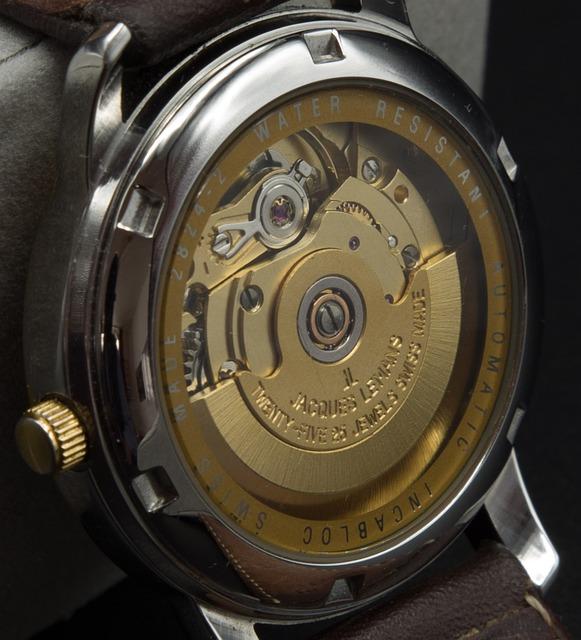
Automatic watches make noise due to the movement of the rotor inside the watch that winds the mainspring. The rotation of the rotor creates a sound that can be heard when the watch is held up to the ear. The noise level can range from barely noticeable to slightly audible, depending on the quality of the watch movement and the materials used in the construction of the watch case.
One way to compare noise levels in different automatic watches is to listen to the sound of the rotor when the watch is shaken gently. Some watches may produce a louder noise, while others may be more quiet. Factors such as the number of jewels in the movement, the quality of the rotor bearings, and the design of the case back can all affect the noise level of an automatic watch.
| Brand | Noise Level |
|---|---|
| Brand A | Low |
| Brand B | Medium |
| Brand C | High |

Maintaining and Silencing Your Automatic Watch
When it comes to automatic watches, some may wonder about the noise level they generate. Automatic watches do indeed make noise, but the level can vary depending on the specific watch and its movement. Here’s a breakdown to help you understand the noise level of automatic watches:
- Normal Operational Sound: Automatic watches have a rhythmic ticking sound as the gears and springs within the movement interact. This sound is typically very subtle and may not be noticeable in regular daily activities.
- Audible in Quiet Environments: In a quiet room, you may be able to hear the ticking of an automatic watch if you bring it close to your ear. This sound is part of the charm of owning an automatic watch.
- Noise Reduction Methods: To minimize the noise of your automatic watch, you can try the following methods:
| Method | Effectiveness |
|---|---|
| Wearing the watch regularly | Helps keep the watch in constant motion, reducing noise |
| Regular servicing | Ensures the watch is well-maintained and operating quietly |
| Using a watch winder | Keeps the watch wound, reducing noise when worn |
Overall, automatic watches do make noise, but it’s typically a soft, rhythmic sound that adds to the appeal of these timepieces. By taking care of your watch and following noise reduction methods, you can enjoy the beauty and function of your automatic watch without being bothered by excessive noise.
The Way Forward
In conclusion, automatic watches do indeed make noise, but the level of noise can vary depending on several factors such as the movement, manufacturing quality, and environment. While some wearers may find the ticking sound soothing, others may prefer a quieter timepiece. It’s important to consider all aspects before choosing an automatic watch to ensure it aligns with your preferences and lifestyle. Remember, the noise level of an automatic watch is a personal preference, so choose the one that suits you best.
Get our latest guides, news, and insights highlighted in your Google Search & AI Overviews.