Behind the Scenes: Why Do Mechanical Watches Have Jewels?
Have you ever wondered why mechanical watches are often said to contain “jewels”? In this article, we will delve into the fascinating world of watchmaking to uncover the reasons behind this intriguing terminology. Join us as we explore the importance of jewels in mechanical watches and the vital role they play in keeping timepieces running smoothly and accurately.
Contents
- The Purpose of Jewels in Mechanical Watches
- The History and Evolution of Jewels in Watchmaking
- Benefits of Jewels in Enhancing Longevity and Accuracy
- Materials Used for Watch Jewels and Their Impact on Performance
- Role of Jewels in Reducing Friction and Wear in Watch Movement
- How the Number of Jewels Affects the Quality of a Mechanical Watch
- The Importance of Proper Maintenance for Watch Jewels
- Expert Tips for Choosing a Mechanical Watch with High-Quality Jewels
- Insights and Conclusions
The Purpose of Jewels in Mechanical Watches
Mechanical watches are intricate pieces of craftsmanship, composed of numerous tiny components working together to accurately measure time. One crucial element in these timepieces is the use of jewels. These jewels are not mere decorative elements but serve essential functions that contribute to the overall performance and longevity of the watch.
The primary purpose of jewels in mechanical watches is to reduce friction and wear between moving parts. These jewels, typically made of synthetic sapphires or rubies, are strategically placed at key points within the movement where metal components rub against each other. By providing a smooth surface for these components to glide on, the jewels help minimize friction, preventing excessive wear and ensuring the watch operates smoothly for years to come.
Moreover, jewels also help to maintain proper alignment of the moving parts within the watch movement. Because of their hardness and stability, jewels serve as durable anchors that keep the delicate gears, pivots, and springs in their designated positions. By securing these components in place, jewels help to preserve the accuracy and reliability of the timepiece over time.
In conclusion, while the presence of jewels in mechanical watches may seem like a luxurious touch, their true significance lies in their practical purpose. By reducing friction, minimizing wear, and ensuring proper alignment of moving parts, these tiny jewels play a vital role in enhancing the performance and longevity of mechanical watches. So, the next time you admire a mechanical timepiece, remember that there’s more than meets the eye when it comes to those glittering jewels.

The History and Evolution of Jewels in Watchmaking
Throughout the centuries, jewel bearings have played a crucial role in the world of watchmaking, particularly in mechanical watches. These tiny gemstones, often made of ruby or sapphire, are strategically placed within the movement to reduce friction and wear between moving parts. This innovation has significantly improved the accuracy and longevity of mechanical timepieces.
Historically, the use of jewels in watchmaking can be traced back to the 18th century when Swiss watchmakers began incorporating them into their designs. The decision to use precious stones was not only for their aesthetic appeal but also for their remarkable durability and low friction properties. Over time, the practice became standard in high-quality watch movements.
Today, it is common for mechanical watches to contain anywhere from 17 to over 30 jewels, each carefully positioned to support the movement’s intricate gears and levers. These jewels are meticulously crafted to exact specifications, ensuring smooth operation and precision timekeeping. Without them, the wear and tear on the components would be much greater, leading to a shorter lifespan for the timepiece.
Overall, the integration of jewels in watchmaking is a testament to the industry’s commitment to innovation and quality. By understanding the history and evolution of jewels in mechanical watches, one can truly appreciate the intricate craftsmanship that goes into creating these timeless pieces.

Benefits of Jewels in Enhancing Longevity and Accuracy
One of the fascinating aspects of mechanical watches is the use of jewels in their construction. These tiny precious stones, typically rubies or synthetic sapphires, serve a crucial purpose in enhancing the longevity and accuracy of the timepiece.
So, why do mechanical watches have jewels? The answer lies in the friction-reducing properties of these gemstones. In a mechanical watch, various components such as the escapement and gears are constantly in motion, creating friction that can wear down the moving parts over time. By strategically placing jewels at key friction points, such as the pallet fork and balance wheel, watchmakers can minimize wear and tear, ensuring the watch operates smoothly and accurately for years to come.
Furthermore, jewels in mechanical watches also help to reduce maintenance requirements. With less friction and wear on the moving parts, the need for frequent servicing is significantly decreased, ultimately extending the lifespan of the watch.
Overall, the use of jewels in mechanical watches not only adds a touch of luxury but also plays a crucial role in enhancing the durability, accuracy, and longevity of these intricate timepieces.

Materials Used for Watch Jewels and Their Impact on Performance
Watch jewels are crucial components in mechanical watches, providing smooth movement and reducing friction between moving parts. Traditionally, these jewels were made from natural gemstones like rubies, sapphires, and diamonds due to their hardness and smooth surface. However, modern watchmaking has evolved to include synthetic jewels made from materials like synthetic sapphire and ruby. These materials offer similar properties to natural gems while being more cost-effective and environmentally friendly.
The choice of material for watch jewels can greatly impact the performance of a watch. Here are some common :
- Synthetic Sapphire: Known for its hardness and scratch resistance, synthetic sapphire jewels provide excellent durability and low friction, resulting in improved accuracy and longevity of the watch movement.
- Synthetic Ruby: Similar to synthetic sapphire, synthetic ruby jewels offer high durability and low friction, making them ideal for enhancing the performance of mechanical watches.
Overall, the choice of material for watch jewels plays a significant role in ensuring the smooth operation and longevity of mechanical watches. By understanding the impact of these materials on performance, watch enthusiasts can appreciate the intricate craftsmanship behind their favorite timepieces.

Role of Jewels in Reducing Friction and Wear in Watch Movement
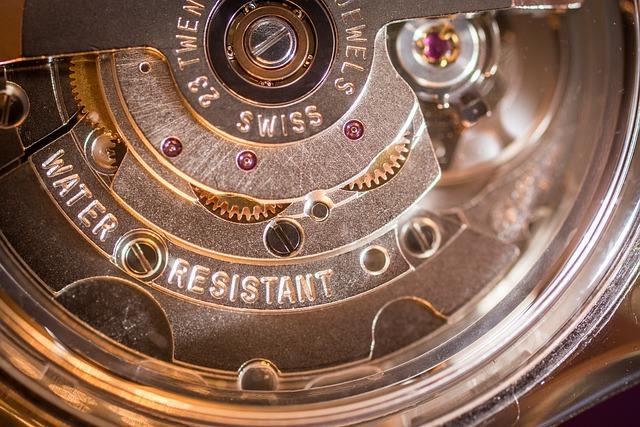
When you take a peek inside a mechanical watch, you may be surprised to discover tiny jewels lining the movement. These jewels, typically made of synthetic corundum or sapphire, play a crucial role in reducing friction and wear within the intricate components of the watch.
So, why exactly are jewels used in watch movements? Let’s break it down:
- Reduced Friction: The jewels act as smooth bearings, allowing the various gears and pivots to move with minimal friction. This helps to maintain the precision and longevity of the watch.
- Wear Resistance: Unlike metal components, jewels are extremely durable and resistant to wear. This ensures that the watch movement remains reliable and accurate over time.
Overall, these small but mighty jewels are essential for ensuring the smooth operation and durability of mechanical watches. Next time you admire the beauty of a timepiece, remember that these jewels are quietly working behind the scenes to keep everything running smoothly.

How the Number of Jewels Affects the Quality of a Mechanical Watch
When it comes to mechanical watches, the number of jewels used in the movement can have a significant impact on its quality and performance. These jewels are not actually precious gemstones, but rather synthetic rubies or synthetic sapphires that are used as bearings in the watch movement. The use of jewels in a mechanical watch serves several important functions:
- Reduce friction: Jewels are harder and smoother than metal, which helps to reduce friction between moving parts in the watch movement. This, in turn, helps to reduce wear and tear on the components, allowing the watch to operate more smoothly and accurately.
- Improve durability: By reducing friction and wear, the jewels in a watch movement help to increase its longevity and durability. This means that a watch with a higher number of jewels is likely to last longer and require less frequent servicing.
- Enhance accuracy: The use of jewels in a watch movement can also help to improve its accuracy by minimizing the effects of friction and wear on the delicate components. This means that a watch with more jewels is likely to provide more reliable timekeeping.
In general, the more jewels a mechanical watch has, the higher its quality is likely to be. However, the number of jewels is not the only factor that determines the quality of a watch. Other factors such as the design, craftsmanship, and materials used in the movement also play a significant role in determining the overall performance and durability of a mechanical watch.

The Importance of Proper Maintenance for Watch Jewels
Within the intricate inner workings of mechanical watches, there lies a crucial component that often goes unnoticed by the untrained eye – watch jewels. These small synthetic rubies or sapphires are not merely decorative, but serve a significant purpose in ensuring the smooth operation and longevity of a timepiece.
Why do mechanical watches have jewels? These tiny gems are strategically placed at key friction points within the movement to reduce wear and tear caused by metal-on-metal contact. This minimizes friction, allowing the gears to move more smoothly and accurately, ultimately improving the overall performance of the watch.
Proper maintenance of these watch jewels is essential to keep your timepiece running in top condition. Regular servicing by a skilled watchmaker ensures that the jewels are clean, lubricated, and free from damage. Ignoring this crucial aspect of watch care can lead to increased friction, premature wear, and potential damage to the movement.
So, next time you admire the intricate craftsmanship of a mechanical watch, remember the vital role that watch jewels play behind the scenes in keeping your timepiece ticking accurately and reliably.

Expert Tips for Choosing a Mechanical Watch with High-Quality Jewels
When it comes to choosing a mechanical watch with high-quality jewels, there are a few key factors to consider. Jewels in a mechanical watch serve a crucial role in reducing friction and wear between the moving parts of the watch, ensuring smooth operation and longevity.
Here are some expert tips to help you choose a mechanical watch with high-quality jewels:
- Look for watches with a higher number of jewels: Typically, watches with more jewels tend to be of higher quality and precision. A higher number of jewels means more points of contact where friction can be reduced, resulting in a smoother and more reliable movement.
- Check the quality of the jewels: Not all jewels are created equal. Look for watches with jewels made from synthetic ruby or sapphire, as these materials are durable, hard, and have low friction properties that are ideal for watch movements.
- Consider the movement type: Different types of watch movements will require different numbers and sizes of jewels. For example, a high-end mechanical movement may have 25 jewels or more, while a simpler movement may only have 7 jewels. Consider the complexity of the movement when choosing a watch.
Insights and Conclusions
In conclusion, the use of jewels in mechanical watches may seem like a decorative feature, but in reality, they play a crucial role in reducing friction and ensuring the smooth functioning of the timepiece. By minimizing wear and tear on the moving parts, jewels help improve the longevity and accuracy of mechanical watches. So next time you admire the intricate craftsmanship of a mechanical watch, remember that the tiny jewels hidden within are working tirelessly to keep it running smoothly. Remember, it’s not just about the aesthetics, but also the functionality that makes mechanical watches truly special. Thank you for delving into the fascinating world of watchmaking with us!
Get our latest guides, news, and insights highlighted in your Google Search & AI Overviews.