Auto vs Mechanical Watch: Exploring Automatic and Manual Movements
Have you ever wondered about the differences between automatic and mechanical watches? In this article, we’ll delve into the fascinating world of watch movements, exploring the distinct features of both automatic and manual movements. Whether you’re a seasoned watch enthusiast or just curious about how these intricate timepieces work, prepare to be enlightened on the art and science behind these horological wonders. Let’s unravel the mysteries of auto vs mechanical watches together.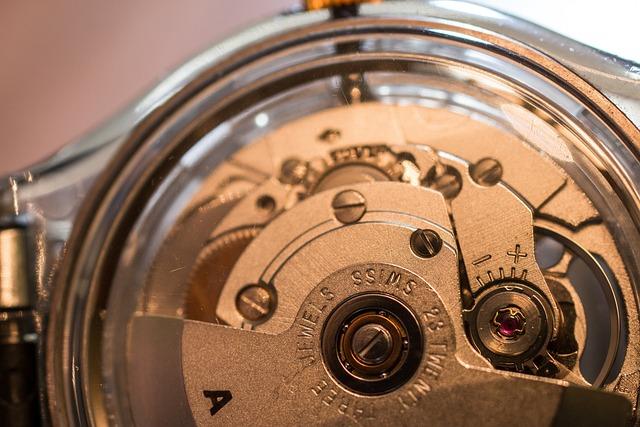
Contents
- Automatic vs Manual: Understanding the Fundamental Differences
- The Intricate Mechanisms Behind Automatic Movements
- The Classic Appeal of Manual Watches: Traditions and History
- Comparing Accuracy and Precision: Which Movement Is Better?
- Maintenance and Durability: What to Consider When Choosing a Watch
- The Advantages of Automatic Movements: Convenience and Efficiency
- Embracing Tradition with Manual Movements: The Art of Watchmaking
- Investing in Quality: Factors to Consider When Purchasing a Watch
- Finding the Perfect Balance: Personal Preferences and Lifestyle Choices
- To Conclude
Automatic vs Manual: Understanding the Fundamental Differences
When it comes to watches, one of the key distinctions to be aware of is the type of movement it has – automatic or manual. These movements are what powers the watch and are responsible for its timekeeping capabilities. Here’s a breakdown of the fundamental differences between automatic and manual movements:
Automatic Movement:
- Also known as self-winding, automatic movements are powered by the motion of the wearer’s wrist.
- They contain a rotor that spins with each movement of the wrist, winding the mainspring and storing energy.
- Automatic watches do not require manual winding, making them convenient for daily wear.
Manual Movement:
- Manual movements, on the other hand, require manual winding using the crown of the watch.
- Winding the crown transfers energy to the mainspring, which powers the watch.
- While manual movements may require more maintenance, some watch enthusiasts prefer them for their traditional feel and connection to the watch.
| Feature | Automatic | Manual |
|---|---|---|
| Winding | Self-winding with wrist motion | Manual winding with crown |
| Convenience | No manual winding required | Requires manual winding |
| Maintenance | Less maintenance | May need more maintenance |

The Intricate Mechanisms Behind Automatic Movements
Automatic movements are a marvel of engineering, utilizing intricate mechanisms to power a watch without the need for manual winding. These movements are often compared to their manual counterparts, offering unique advantages and characteristics that appeal to watch enthusiasts worldwide.
One key component of automatic movements is the rotor, which swings freely as the wearer moves their wrist. This motion winds the mainspring, storing energy that keeps the watch running smoothly. This hands-free approach to winding sets automatic movements apart from manual ones, making them a convenient and practical choice for everyday wear.
Another fascinating aspect of automatic movements is their ability to showcase the craftsmanship and precision of watchmaking. From the tiny gears and springs to the intricate balance wheel, every part works in harmony to keep time accurately and reliably. It’s this attention to detail that sets automatic watches apart from their mechanical counterparts, offering a glimpse into the artistry behind these timepieces.
The Classic Appeal of Manual Watches: Traditions and History
When it comes to choosing a watch, the debate between automatic and manual movements is a classic one that has been ongoing for decades. While automatic watches are beloved for their convenience and accuracy, manual watches have a timeless appeal that stems from their rich traditions and history.
Manual watches, also known as hand-wound watches, require the wearer to manually wind the watch by turning the crown. This process is not only a ritualistic experience but also connects the wearer to the watch on a deeper level. By taking the time to wind the watch each day, a sense of appreciation and care for the timepiece is cultivated.
One of the main appeals of manual watches is their connection to horological history. These watches harken back to a time when craftsmanship and precision were highly valued, and each watch was a work of art in its own right. The intricate movements of manual watches showcase the skill and expertise of watchmakers, making them a prized possession for collectors and enthusiasts alike.
Whether you prefer the convenience of an automatic watch or the classic appeal of a manual watch, the choice ultimately comes down to personal preference. Both types of movements have their own unique charm and allure, making them timeless pieces that will continue to be cherished for years to come.

Comparing Accuracy and Precision: Which Movement Is Better?
When it comes to choosing between an automatic and a mechanical watch movement, it’s essential to consider the differences in accuracy and precision. While both movements have their own unique features and benefits, the choice ultimately depends on your personal preferences and priorities.
Automatic Movement:
- Self-winding mechanism
- Convenience of not needing to manually wind the watch
- May be less accurate than mechanical movements due to the complexity of the self-winding system
Mechanical Movement:
- Manually wound movement
- Generally more accurate than automatic movements
- Requires regular winding to maintain accuracy
| Feature | Automatic Movement | Mechanical Movement |
|---|---|---|
| Winding | Self-winding | Manual winding |
| Accuracy | May be less accurate | Generally more accurate |
| Maintenance | Requires less frequent maintenance | Regular winding needed |
Maintenance and Durability: What to Consider When Choosing a Watch
When choosing a watch, it is important to consider the maintenance and durability of the timepiece. This will ensure that your watch will last for years to come and continue to function at its best. Here are some key factors to consider when deciding between an automatic and a manual watch movement:
- Automatic Movement: Automatic watches are powered by the movement of the wearer’s wrist. They do not require manual winding, making them convenient for everyday wear. However, regular wearing is essential to keep the watch running accurately.
- Manual Movement: Manual watches need to be manually wound by the wearer on a regular basis. While this may require more effort, manual watches are known for their craftsmanship and can be more durable in the long run.
| Factor | Automatic Movement | Manual Movement |
|---|---|---|
| Maintenance | Requires regular wearing | Needs manual winding |
| Durability | Less durable due to complex movement | More durable due to simplicity |

The Advantages of Automatic Movements: Convenience and Efficiency
Automatic movements in watches offer a level of convenience that manual movements simply cannot match. The main advantage of automatic movements is that they do not require manual winding to keep them running. Instead, the watch is powered by the natural motion of the wearer’s arm, making it self-sustaining and hassle-free.
Another key benefit of automatic movements is their efficiency. With automatic movements, you can simply put on your watch and go about your day without having to worry about winding it every few days. This makes automatic watches ideal for those with busy lifestyles who want a reliable timepiece that can keep up with their daily activities.
Additionally, automatic movements are known for their smooth and continuous timekeeping. The constant motion of the rotor in an automatic watch ensures a more consistent rate of timekeeping compared to manual movements, which can sometimes lag or lose accuracy if not wound regularly.

Embracing Tradition with Manual Movements: The Art of Watchmaking
When it comes to the world of watchmaking, there are two main types of movements that power these intricate timepieces: automatic and manual. Both types have their own unique characteristics and appeal to different types of watch enthusiasts.
Automatic Movements:
- Also known as self-winding movements
- Utilize a rotor that winds the mainspring through the natural motion of the wearer’s wrist
- Convenient for those who wear their watches regularly
- Offer greater accuracy and precision over time
Manual Movements:
- Require manual winding by turning the crown
- Provide a more hands-on experience for the wearer
- Showcase the craftsmanship and artistry of traditional watchmaking
- Often preferred by watch connoisseurs for their mechanical charm
| Movement Type | Key Features |
|---|---|
| Automatic | Self-winding, convenient, accurate |
| Manual | Manual winding, hands-on experience, traditional craftsmanship |

Investing in Quality: Factors to Consider When Purchasing a Watch
When considering investing in a quality watch, one of the key factors to analyze is the type of movement it utilizes. Two popular options in the world of horology are automatic and mechanical movements. Each offers its own set of benefits and characteristics that appeal to different watch enthusiasts.
– **Automatic Movements:**
– Powered by the movement of the wearer’s wrist, eliminating the need for manual winding.
– Often preferred for their convenience and low maintenance requirements.
– Typically more accurate and precise in timekeeping compared to mechanical movements.
– Often found in luxury watches due to their advanced technology and craftsmanship.
– **Mechanical Movements:**
– Operate through a series of intricate gears and springs, requiring manual winding to keep the watch running.
– Appreciated for their traditional craftsmanship and artistry, appealing to watch connoisseurs.
– Tend to have a longer lifespan and can be passed down through generations with proper care.
– Provide a sense of connection to the history and heritage of watchmaking.
When selecting between an automatic or mechanical watch, it ultimately comes down to personal preference and the desired characteristics in a timepiece. Whether you value the convenience and accuracy of an automatic movement or the traditional craftsmanship and heritage of a mechanical movement, both options offer unique qualities worth considering in your watch investment journey.
Finding the Perfect Balance: Personal Preferences and Lifestyle Choices
When it comes to choosing between an automatic and a manual watch movement, personal preferences and lifestyle choices play a significant role in finding the perfect balance. Both types of movements have their own unique characteristics and advantages, catering to different needs and tastes.
Automatic Movement:
- Operates using a rotor that winds the mainspring through the natural movement of the wearer’s wrist.
- Convenient for individuals who wear their watch regularly as it does not require manual winding.
- Offers a smooth and continuous second hand movement.
- Typically more expensive due to the intricate mechanics involved.
Mechanical Movement:
- Requires manual winding to keep the watch running.
- Provides a traditional and hands-on experience for watch enthusiasts.
- Allows for a connection to the watch through the act of winding.
- Offers a sense of nostalgia and craftsmanship.
| Aspect | Automatic Movement | Mechanical Movement |
|---|---|---|
| Winding | Winds automatically through wrist movement | Requires manual winding |
| Cost | Typically more expensive | Generally more affordable |
| Maintenance | Less frequent servicing needed | Regular maintenance required |
To Conclude
In conclusion, when it comes to choosing between an automatic and a mechanical watch, there are a few key differences to consider. Automatic watches are known for their convenience and continuous movement, whereas manual watches offer a connection to the traditional craftsmanship of watchmaking. Ultimately, the choice between the two comes down to personal preference and lifestyle. Whichever type of movement you choose, both automatic and mechanical watches are timeless pieces that can be cherished for generations to come. Choose the one that resonates with you the most and enjoy the artistry and precision of a well-crafted timepiece.
Get our latest guides, news, and insights highlighted in your Google Search & AI Overviews.