Automatic Watch vs Manual: Unraveling the Debate!
There has long been a debate among watch enthusiasts on whether automatic or manual watches reign supreme. Both options offer their own unique advantages and charm. In this article, we will delve into the differences between automatic and manual watches, helping you unravel the debate and make an informed decision on which type of watch is right for you.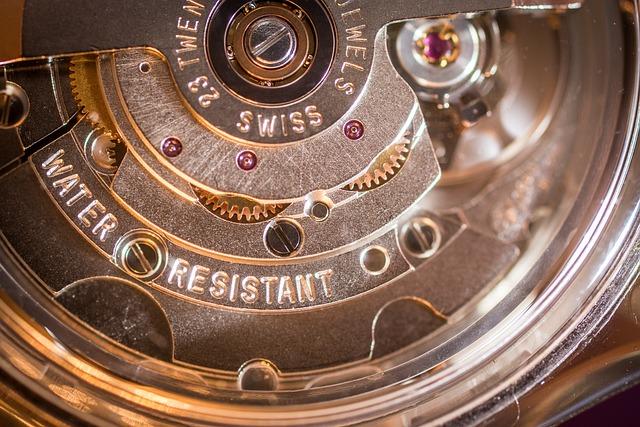
Contents
- Automatic Watch vs Manual: Unraveling the Debate!
- Understanding the Mechanics of Automatic Watches
- The Charm and Elegance of Manual Watches
- Comparing Accuracy and Precision Between the Two
- The Maintenance Dilemma: Which One is Easier to Care For?
- Durability and Longevity: Which Movement Stands the Test of Time?
- The Market Trend: Which Type of Watch is Currently in Demand?
- Making an Informed Decision: Recommendations for Watch Enthusiasts
- Insights and Conclusions
Automatic Watch vs Manual: Unraveling the Debate!
When it comes to choosing between an automatic watch and a manual one, there are many factors to consider. Both types of watches offer unique features and benefits, making the debate between them an interesting one.
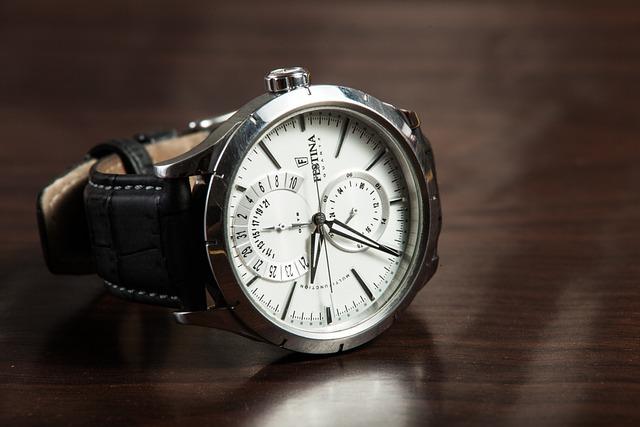
Automatic watches, also known as self-winding watches, are powered by the movement of the wearer’s wrist. They contain a rotor that spins with the motion of the wrist, winding the watch’s mainspring and keeping it running. On the other hand, manual watches require the wearer to manually wind the watch regularly to keep it running.
One of the main advantages of automatic watches is their convenience. With an automatic watch, you don’t have to worry about winding it every day, as long as you wear it regularly. Manual watches, on the other hand, require more maintenance and attention to keep them running smoothly.
Ultimately, the choice between an automatic watch and a manual one comes down to personal preference. Some watch enthusiasts prefer the traditional feel of a manual watch, while others appreciate the convenience of an automatic. Whichever type you choose, both automatic and manual watches offer quality craftsmanship and timeless style.
Understanding the Mechanics of Automatic Watches
When it comes to the debate between automatic and manual watches, there are several key differences to consider. Automatic watches, also known as self-winding watches, rely on the natural motion of the wearer’s arm to keep the watch wound and running. On the other hand, manual watches require the wearer to manually wind the watch regularly to keep it running.
One of the main advantages of automatic watches is their convenience. With an automatic watch, you don’t have to worry about winding it every day – simply wearing it regularly will keep it running smoothly. This makes automatic watches a popular choice for those who lead busy lifestyles and may not have the time to remember to wind a watch regularly.
However, manual watches have their own appeal as well. Some watch enthusiasts argue that manual watches provide a closer connection to the timepiece, as the wearer is more directly involved in keeping the watch running. Additionally, manual watches often have a more traditional, classic aesthetic that appeals to those who appreciate the artistry and craftsmanship of watchmaking.
In the end, whether you choose an automatic or manual watch comes down to personal preference. Both types of watches have their own unique advantages and charm, so it’s important to consider what features are most important to you when making your decision.

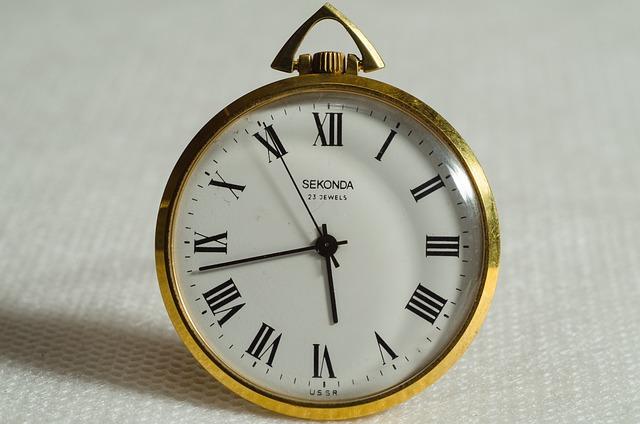
The Charm and Elegance of Manual Watches
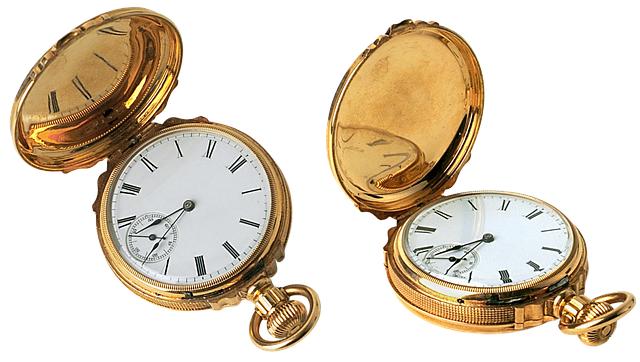
When it comes to the watch world, there is an ongoing debate between automatic and manual watches, each with its own charm and elegance. Manual watches, also known as hand-wound watches, are a traditional and classic choice for watch enthusiasts. There is something special about the ritual of winding the watch by hand every day, connecting you to the inner mechanisms and craftsmanship of the timepiece.
One of the main advantages of manual watches is their simplicity. Without the need for a rotor or winding system, manual watches are often thinner and more lightweight than their automatic counterparts. This makes them a comfortable and stylish option for everyday wear. Additionally, manual watches typically have a longer power reserve, lasting anywhere from 30 to 60 hours on a full wind.
Manual watches also offer a connection to the past, harkening back to a time when craftsmanship and attention to detail were highly valued. The intricate movements and meticulous finishing of manual watches are a testament to the skill and dedication of the watchmaker. Owning a manual watch is like owning a piece of history, a timeless companion that can be passed down through generations.
Comparing Accuracy and Precision Between the Two
Accuracy and Precision Comparison:
One of the key factors when comparing automatic and manual watches is their accuracy and precision. While both types of watches can keep time effectively, there are some differences that set them apart.
Automatic Watches:
– Automatic watches are powered by the movement of the wearer’s wrist, which means they can sometimes be less accurate than manual watches.
– The accuracy of an automatic watch can vary depending on the brand and model, with some high-end automatic watches being incredibly precise.
– Automatic watches may require periodic adjustments to maintain their accuracy, especially if they are not worn regularly.
Manual Watches:
– Manual watches are powered by winding the crown, which generally results in more precision compared to automatic watches.
– Manual watches are known for their accuracy, as they are not dependent on external factors like wrist movement.
– Manual watches typically require less frequent adjustments to keep accurate time, making them a reliable choice for watch enthusiasts.
In conclusion, when it comes to comparing accuracy and precision between automatic and manual watches, it ultimately comes down to personal preference and priorities. Automatic watches may offer convenience and unique features, while manual watches excel in precision and reliability. Choose the type of watch that best suits your lifestyle and needs.
The Maintenance Dilemma: Which One is Easier to Care For?
When it comes to choosing between an automatic watch and a manual one, one of the most significant factors to consider is the maintenance required for each. Understanding the differences in care can help you make an informed decision on which type of watch best suits your lifestyle and preferences.
Automatic Watch:
- Requires regular wear or a watch winder to keep it running.
- May need servicing every 3-5 years to ensure optimal performance.
- Usually more complex internally, which can result in higher maintenance costs.
Manual Watch:
- Needs to be wound every day to keep it ticking.
- Servicing intervals are typically longer, around 5-7 years.
- Generally simpler in design, making maintenance costs potentially lower.
| Aspect | Automatic Watch | Manual Watch |
|---|---|---|
| Winding | Requires regular wear or a watch winder | Needs to be wound every day |
| Maintenance Costs | May be higher due to complex internals | Potentially lower due to simpler design |
Ultimately, the ease of care for automatic versus manual watches will depend on your personal habits and preferences. If you prefer a low-maintenance option, a manual watch may be more suitable. On the other hand, if you don’t mind the extra care and occasional servicing, an automatic watch can offer convenience and sophistication. Whichever you choose, proper maintenance is key to ensuring your timepiece lasts for years to come.

Durability and Longevity: Which Movement Stands the Test of Time?
When it comes to the age-old debate of Automatic Watches versus Manual Watches, one of the key factors to consider is durability and longevity. Both movements have their own unique characteristics and benefits, but which one truly stands the test of time?
Automatic watches, also known as self-winding watches, are powered by the movement of the wearer’s wrist. This means that the watch will continue to function as long as it is worn regularly. On the other hand, manual watches require regular winding by the wearer to keep them running.
Here are some factors to consider when comparing the durability and longevity of automatic and manual watches:
- Shock Resistance: Automatic watches are generally more shock-resistant than manual watches due to their construction and winding system.
- Maintenance: Manual watches may require more frequent maintenance and servicing compared to automatic watches, which can be more convenient in the long run.
| Factor | Automatic Watch | Manual Watch |
| Durability | High | Medium |
| Longevity | Long-lasting | Requires regular maintenance |

The Market Trend: Which Type of Watch is Currently in Demand?
When it comes to the current market trend in the watch industry, the debate between automatic and manual watches is at the forefront. Both types of watches have their own unique features and benefits, making it a tough decision for consumers to choose between the two. Let’s delve into the differences and advantages of each to help unravel this ongoing debate.
Automatic Watches:
- Self-winding mechanism powered by the movement of the wearer’s wrist
- No need for manual winding, perfect for those on the go
- Known for their craftsmanship, intricate designs, and high-end luxury appeal
Manual Watches:
- Require manual winding for power, providing a more hands-on and traditional experience
- Often favored by watch enthusiasts for the connection to the watchmaking process
- Can be more accurate in timekeeping due to regular winding and maintenance
| Feature | Automatic Watch | Manual Watch |
| Winding Mechanism | Self-winding | Manual winding |
| Convenience | No manual winding needed | Requires regular winding |
| Accuracy | May lose time if not worn regularly | Can be more accurate due to regular winding |
Making an Informed Decision: Recommendations for Watch Enthusiasts
When it comes to choosing between an automatic watch and a manual one, there are several factors to consider. Both types of watches have their own unique benefits and drawbacks, making it important for watch enthusiasts to weigh their options carefully before making a decision.
Here are some key recommendations to keep in mind when deciding between an automatic watch and a manual one:
- Consider your lifestyle: If you lead an active lifestyle that involves a lot of movement, an automatic watch may be a better option as it is powered by the movement of your wrist.
- Think about maintenance: Manual watches require regular winding, which can be a hassle for some individuals. Automatic watches, on the other hand, do not require manual winding and are powered by the natural movement of the wearer.
- Explore the craftsmanship: Both automatic and manual watches showcase exquisite craftsmanship, but some watch enthusiasts may prefer the hands-on experience of winding a manual watch.
Ultimately, the decision between an automatic watch and a manual one comes down to personal preference. Whichever type of watch you choose, be sure to consider your lifestyle, maintenance preferences, and appreciation for traditional craftsmanship.
Insights and Conclusions
In conclusion, the debate between automatic and manual watches ultimately comes down to personal preference and lifestyle. Automatic watches offer convenience and efficiency with their self-winding mechanisms, while manual watches appeal to those who appreciate the craftsmanship and tradition of hand-winding. Both types of watches have their own unique charms and benefits, so the choice ultimately depends on what suits your individual needs and preferences. Whichever option you choose, make sure to prioritize quality and functionality to ensure a timepiece that will stand the test of time. Wear your watch with pride, knowing that you’ve made the best choice for yourself.
Get our latest guides, news, and insights highlighted in your Google Search & AI Overviews.