How Do Mechanical Watches and Clocks Keep Time? The Mechanism Unveiled
Have you ever wondered how mechanical watches and clocks are able to keep precise time without any electronic assistance? In this article, we will unveil the intricate mechanism behind these timepieces, shedding light on the fascinating world of horology and the centuries-old technology that continues to stand the test of time. Join us as we explore the inner workings of mechanical watches and clocks, revealing the secrets behind their reliable timekeeping capabilities.
Contents
- How Mechanical Watches and Clocks Work
- Exploring the Components of Mechanical Timepieces
- Understanding the Role of Escapements in Timekeeping
- The Intricacies of Balance Springs in Mechanical Movements
- Unveiling the Mystery of Gear Trains in Clocks
- The Importance of Power Sources in Mechanical Timepieces
- Examining the Accuracy of Mechanical Watch Movements
- Comparing Mechanical vs. Quartz Timekeeping Technologies
- Tips for Maintaining and Caring for Mechanical Watches
- The Future of Mechanical Timepieces: Innovation and Evolution
- In Retrospect
How Mechanical Watches and Clocks Work
For both mechanical watches and clocks, the key to keeping time lies in the intricate mechanism that powers them. At the heart of these timekeeping devices is a series of gears, springs, and escapements working together in perfect harmony. Here’s a breakdown of how these components work together to ensure accurate timekeeping:
Gears: Gears play a crucial role in transferring energy from the mainspring to the hands of the watch or clock. As the mainspring unwinds, it releases energy that is transferred through a series of gears at different ratios, ultimately driving the hands of the timepiece.
Related: How Does a Mechanical Watch Keep the Date? Essential Mechanism
Escapement: The escapement is a critical component that regulates the release of energy from the mainspring in small, precise increments. This ensures that the hands move at a consistent rate, making the watch or clock keep accurate time.
Balance Wheel: The balance wheel acts as the timekeeping element of the mechanism, oscillating back and forth at a set frequency. This oscillation is controlled by the escapement, allowing the hands to move forward at a steady pace.
By understanding the intricate workings of mechanical watches and clocks, we can appreciate the craftsmanship and precision that goes into creating these timeless timepieces. Next time you look at your watch or a clock, take a moment to marvel at the complex mechanisms that keep you on schedule.

Exploring the Components of Mechanical Timepieces
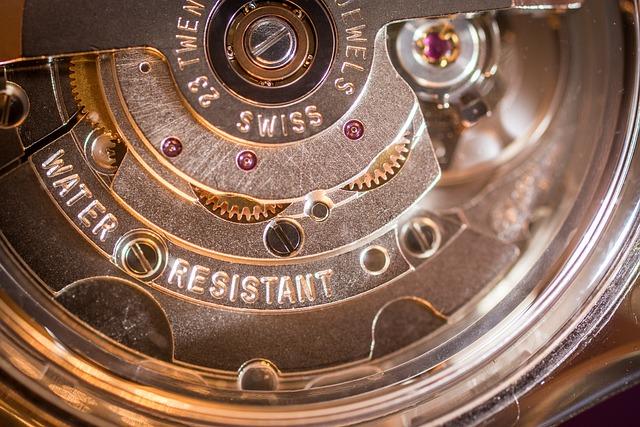
The intricate inner workings of mechanical timepieces are a marvel of precision engineering. These complex devices are made up of a variety of components that work together seamlessly to ensure accurate timekeeping. Let’s take a closer look at some of the key components that make mechanical watches and clocks tick:
Main Spring: This is the driving force behind the movement of a mechanical timepiece. The main spring is wound up either manually or automatically, storing energy that is gradually released to power the watch or clock.
Escapement Mechanism: The escapement is responsible for regulating the release of energy from the main spring in a controlled manner. It consists of a pallet fork and an escape wheel, which work together to ensure that the gears of the mechanism move at a steady pace.
Balance Wheel: The balance wheel is a crucial component of the escapement mechanism. It oscillates back and forth, dividing time into equal intervals and ensuring that the watch or clock maintains accurate timekeeping.
- Gears and Wheels: The gears and wheels of a mechanical timepiece transmit energy from the main spring to the hands of the watch or clock. These components work together to control the movement of the hands and accurately display the time.
In conclusion, the components of mechanical timepieces are meticulously designed to work together in perfect harmony, resulting in the precise and reliable timekeeping that we have come to rely on.
Understanding the Role of Escapements in Timekeeping
Escapements play a crucial role in the functioning of mechanical watches and clocks, serving as the mechanism that regulates the movement of the timepiece and allows for accurate timekeeping. Understanding how escapements work is essential for appreciating the intricate inner workings of these timepieces.
At its core, an escapement is a device that controls the release of energy in a consistent and controlled manner, allowing the gears of the timepiece to move at a steady pace. This steady movement is what ultimately translates into the precise ticking of the watch or clock.
One of the most common types of escapements found in mechanical timepieces is the anchor escapement. This type of escapement consists of a wheel with pointed teeth, called the escape wheel, and a lever with a pallet, called the anchor. As the escape wheel turns, it engages with the pallet on the anchor, allowing the gears to move forward in small, regulated increments.
Overall, escapements are key components in the intricate world of horology, playing a vital role in the accurate timekeeping of mechanical watches and clocks. The next time you look at a mechanical timepiece, take a moment to appreciate the complex beauty of the escapement hidden within.

The Intricacies of Balance Springs in Mechanical Movements
In mechanical movements, balance springs play a crucial role in keeping time accurately. These tiny components, often made of steel or other alloys, are responsible for regulating the oscillations of the balance wheel – the heart of a mechanical watch or clock.
The intricate design of balance springs allows them to expand and contract with changes in temperature, ensuring that the timekeeping remains as precise as possible. This flexibility is essential for compensating for the effects of gravity and other external factors that can affect the movement of the timepiece.
Without a properly functioning balance spring, a mechanical watch or clock would struggle to maintain consistent timekeeping. The delicate balance between tension and flexibility in these components is what allows them to provide accurate timekeeping over long periods.
Next time you glance at your mechanical timepiece, take a moment to appreciate the complexities of the balance spring and how it quietly but effectively keeps your watch or clock ticking with precision.

Unveiling the Mystery of Gear Trains in Clocks
When it comes to understanding how mechanical watches and clocks keep time, the key lies in the intricate gear trains that power these timepieces. Gear trains are a fundamental component of mechanical clockwork mechanisms, responsible for transferring energy from the mainspring to the hands on the dial. Let’s delve into the mystery of gear trains in clocks and unveil the mechanism behind these fascinating devices.
**The Basics of Gear Trains:**
- Gear trains consist of a series of interlocking gears that work together to transmit power from one gear to the next.
- Each gear in the train has a specific ratio that determines the speed at which it turns, ultimately controlling the movement of the hands on the clock face.
- The key components of a gear train include the main wheel, center wheel, third wheel, and escape wheel, each playing a crucial role in the timekeeping process.
| Gear Type | Function |
|---|---|
| Main Wheel | Receives energy from the mainspring |
| Center Wheel | Transfers power to the minute hand |
| Third Wheel | Transfers power to the hour hand |
| Escape Wheel | Regulates the movement of the gear train |
By understanding the intricate workings of gear trains in clocks, we can appreciate the precision and craftsmanship involved in keeping time with mechanical timepieces. Next time you look at a clock ticking away, remember the complex coordination of gears working behind the scenes to make it all possible.

The Importance of Power Sources in Mechanical Timepieces
In mechanical timepieces, such as watches and clocks, one of the most crucial components is the power source. The power source is what drives the movement of the gears and hands, ultimately keeping time accurately. Without a reliable power source, the entire mechanism would cease to function, rendering the timepiece useless.
There are several types of power sources used in mechanical timepieces, each with its own unique characteristics and advantages. Some common power sources include:
– Mainspring: This is a tightly wound coil of metal that stores energy when wound up. As the mainspring unwinds, it releases this stored energy, powering the gears and hands of the timepiece.
– Pendulum: In pendulum clocks, the power source is a swinging pendulum. The back and forth motion of the pendulum regulates the movement of the gears, ensuring accurate timekeeping.
– Weight: Some clocks use hanging weights as a source of power. As the weights descend, they drive the movement of the gears, keeping the clock running.
The importance of choosing the right power source for a mechanical timepiece cannot be understated. A reliable and efficient power source is essential for ensuring accurate timekeeping and the longevity of the timepiece. With the right power source, a mechanical watch or clock can keep time with precision for years to come.
Examining the Accuracy of Mechanical Watch Movements
Mechanical watch movements are intricate pieces of technology that have been used for centuries to keep accurate time. The accuracy of a mechanical watch movement is determined by the precision of its components and the skill of the watchmaker who assembles them.
One key component of a mechanical watch movement is the balance wheel, which oscillates back and forth at a constant rate. This oscillation is regulated by a hairspring, which controls the speed at which the balance wheel moves. The escapement mechanism further regulates the movement of the gears, ensuring that the hands of the watch move at a consistent pace.
Unlike quartz watches, which rely on electronic circuits and batteries, mechanical watch movements are powered by a mainspring. As the mainspring unwinds, it releases energy that is transferred through a series of gears to move the hands of the watch. This traditional method of timekeeping is prized by watch enthusiasts for its craftsmanship and connection to the history of horology.
Overall, the accuracy of a mechanical watch movement can vary depending on factors such as the quality of its components, the level of maintenance it receives, and the skill of the watchmaker. While some mechanical watches may lose or gain a few seconds each day, others are capable of keeping time within a fraction of a second. Regardless of its accuracy, the mesmerizing intricacy of a mechanical watch movement is a testament to the artistry and precision of traditional watchmaking techniques.
| Key Components of Mechanical Watch Movements | Functions |
|---|---|
| Balance wheel | Oscillates back and forth at a constant rate |
| Hairspring | Regulates the speed of the balance wheel |
| Escapement mechanism | Controls the movement of gears |

Comparing Mechanical vs. Quartz Timekeeping Technologies
Mechanical Timekeeping
Mechanical watches and clocks rely on intricate mechanisms to keep time. The main components of mechanical timepieces are the mainspring, gears, escapement, and balance wheel. The mainspring serves as the energy source, storing energy when wound up. As the mainspring unwinds, it powers the gears that move the hands of the watch or clock. The escapement controls the release of energy from the mainspring in precise intervals, while the balance wheel regulates the speed at which the gears turn, ensuring accurate timekeeping.
Quartz Timekeeping
Quartz timekeeping technology, on the other hand, is based on the piezoelectric properties of quartz crystal. When an electric current is applied to a quartz crystal, it vibrates at a specific frequency, which can be used to regulate timekeeping. Quartz watches and clocks use a tiny piece of quartz crystal that vibrates at 32,768 times per second. This vibration is converted into electrical signals, which then drive a stepper motor that moves the hands of the watch. Quartz timepieces are known for their accuracy and low maintenance requirements.
Comparison
– Accuracy: Quartz watches are generally more accurate than mechanical watches, with deviations of a few seconds per month compared to mechanical watches, which can deviate by several seconds per day.
– Maintenance: Mechanical watches require regular winding or servicing to ensure accurate timekeeping, while quartz watches are low maintenance and only require a battery replacement every few years.
– Craftsmanship: Mechanical watches are prized for their intricate craftsmanship and traditional watchmaking techniques, while quartz watches are valued for their precision and reliability.
– Cost: Mechanical watches are often more expensive due to the labor-intensive manufacturing process and craftsmanship involved, while quartz watches are more affordable and widely available.
Tips for Maintaining and Caring for Mechanical Watches
Understanding the intricate mechanisms behind mechanical watches and clocks is key to maintaining their accuracy and longevity. These timepieces rely on a series of gears, springs, and escapements to keep time ticking smoothly. By following a few simple tips, you can ensure that your mechanical watch or clock stays in top condition for years to come.
- Regular Cleaning: Dust and dirt can cause friction within the movement, affecting its performance. Use a soft brush or cloth to gently clean the exterior and a professional service for internal maintenance.
- Avoid Magnetism: Magnetic fields can disrupt the delicate balance of the watch mechanism. Keep your timepiece away from electronic devices and magnetic surfaces to prevent accuracy issues.
- Proper Winding: If you have a manual winding watch, make sure to wind it at the same time every day to keep it running smoothly. For automatic watches, wear them regularly or use a watch winder to keep the movement powered.
- Service Intervals: Regular servicing by a professional watchmaker is essential to catch any potential issues early and ensure the longevity of your timepiece. Follow the manufacturer’s recommendations for maintenance intervals.
By following these tips and understanding the inner workings of your mechanical watch, you can enjoy its precision and craftsmanship for years to come.

The Future of Mechanical Timepieces: Innovation and Evolution
In the world of horology, the intricate mechanisms that power mechanical timepieces continue to fascinate and amaze us. But have you ever wondered how these watches and clocks actually keep time with such precision? Let’s delve into the mesmerizing world of mechanical timekeeping and unveil the secrets behind their mechanism.
At the heart of every mechanical watch and clock lies a complex system of gears, springs, and escapements that work together in perfect harmony to measure the passage of time. Here’s a closer look at how these components come together to ensure accurate timekeeping:
- Gears: Gears are the backbone of any mechanical timepiece, transferring energy from the mainspring to the hands of the watch. Each gear is meticulously designed to turn at a specific rate, controlling the movement of the watch’s hands.
- Escapement: The escapement is responsible for regulating the release of energy from the mainspring in precise, measured increments. This crucial component ensures that the gears turn at a constant rate, allowing the watch to keep time accurately.
- Mainspring: The mainspring is the power source of a mechanical watch, storing energy when wound up and releasing it slowly and evenly to drive the movement of the watch. It’s this controlled release of energy that drives the gears and hands of the watch.
So, the next time you glance at your mechanical watch or clock, take a moment to appreciate the intricate craftsmanship and precision engineering that goes into keeping time ticking with unparalleled accuracy.
In Retrospect
In conclusion, mechanical watches and clocks rely on a complex mechanism to keep accurate time. By understanding the intricate interplay of gears, springs, and escapements, we can appreciate the craftsmanship that goes into these timepieces. Remember, the key takeaway is that the precision and accuracy of mechanical watches and clocks are achieved through the careful engineering of their components. So next time you glance at your watch or clock, take a moment to appreciate the fascinating mechanism ticking away behind the scenes.
Get our latest guides, news, and insights highlighted in your Google Search & AI Overviews.