Battery vs Mechanical Watches: Decoding the Power Source Debate
If you’ve ever wondered whether a battery or mechanical watch is the right choice for you, you’ve come to the right place. In this article, we’ll explore the ins and outs of both power sources to help you decipher the debate and make an informed decision. From the convenience of batteries to the craftsmanship of mechanical movements, we’ll break down the pros and cons of each to help you find the perfect timepiece for your lifestyle. So, sit back, relax, and let’s dive into the world of battery vs mechanical watches.
Contents
- Battery Watches: Convenient and Low Maintenance
- Mechanical Watches: Timeless Craftsmanship and Character
- Battery Life: Longevity and Dependability
- Precision and Accuracy: Mechanical Watches vs Battery Watches
- Maintenance and Care: Tips for Extending the Life of Your Watch
- Environmental Impact: Battery Watches vs Mechanical Watches
- Cost Considerations: Buying a Battery vs Mechanical Watch
- Personal Preference: Choosing the Right Watch for You
- Resale Value: How Your Watch Choice Can Impact Future Sales
- To Conclude
Battery Watches: Convenient and Low Maintenance
Battery watches have become increasingly popular in recent years due to their convenience and low maintenance requirements. Unlike mechanical watches, which rely on winding or manual movement to function, battery watches only require a small battery to power the timekeeping mechanism. This means you don’t have to worry about winding your watch every day or keeping it in motion to keep accurate time.
Related: Does a Rolex Submariner Have a Battery? Power Source Unveiled!
One of the main advantages of battery watches is their reliability. Because they are powered by a battery, they are less susceptible to the wear and tear that can affect mechanical watches over time. This means you can rely on your battery watch to keep accurate time without the need for regular maintenance or adjustments.
Another benefit of battery watches is their affordability. Compared to mechanical watches, which can be quite expensive to purchase and maintain, battery watches are often more budget-friendly. This makes them a great option for those looking for a reliable timepiece without breaking the bank.
Overall, battery watches offer a convenient and low-maintenance option for those looking for a reliable timepiece. With their ease of use, affordability, and reliability, battery watches are a great choice for everyday wear.

Mechanical Watches: Timeless Craftsmanship and Character
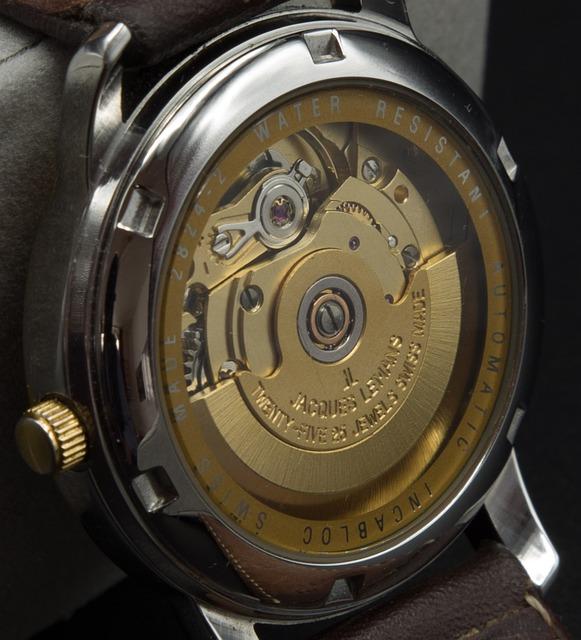
Mechanical watches have long been cherished for their intricate craftsmanship and unique character. These timepieces are powered by a complex system of gears and springs, bringing a sense of tradition and heritage to the wearer.
Unlike battery-powered watches, mechanical watches require regular winding to keep them running smoothly. This hands-on approach appeals to those who appreciate the artistry and tradition of watchmaking.
One of the key distinctions between battery and mechanical watches is the power source. While battery watches rely on a small battery to generate power, mechanical watches are powered by the wearer’s movements, thanks to the intricate winding mechanism.
For those who value craftsmanship, tradition, and character in their timepieces, mechanical watches are a timeless choice that will stand the test of time.

Battery Life: Longevity and Dependability
When it comes to choosing between a battery-powered watch and a mechanical watch, the debate often centers around the longevity and dependability of the battery life. While mechanical watches have long been revered for their craftsmanship and longevity, battery-powered watches offer their own set of advantages.
Battery-powered watches are known for their reliability and accuracy. With a fresh battery, these watches can run for years without needing a replacement. They are also more resistant to shock and vibrations, making them a dependable choice for everyday wear.
On the other hand, mechanical watches require regular maintenance and winding to ensure accurate timekeeping. While the craftsmanship of a mechanical watch is undeniable, the need for winding can be seen as a drawback for those seeking a low-maintenance timepiece.
In the end, the choice between a battery-powered watch and a mechanical watch ultimately comes down to personal preference and lifestyle. Whether you prioritize longevity and dependability or appreciate the craftsmanship of a mechanical watch, both options offer their own unique benefits.
Precision and Accuracy: Mechanical Watches vs Battery Watches
Battery watches and mechanical watches are two popular types of timepieces that have their own unique characteristics when it comes to precision and accuracy.
**Mechanical Watches:**
- Operate using a complex system of gears and springs.
- Require regular winding to keep time accurately.
- Precision can be affected by factors like humidity and temperature changes.
**Battery Watches:**
- Utilize quartz crystals to keep time accurately.
- Do not require winding, only a battery replacement when needed.
- Generally more accurate than mechanical watches.
| Feature | Mechanical Watches | Battery Watches |
|---|---|---|
| Precision | Depends on regular winding | Utilizes quartz crystals for accuracy |
| Maintenance | Needs regular winding | Requires occasional battery replacement |
| Accuracy | Can be affected by external factors | Generally more accurate |

Maintenance and Care: Tips for Extending the Life of Your Watch
When it comes to choosing a watch, the debate between battery-powered and mechanical watches has been ongoing. Understanding the differences between these two types of watches can help you make an informed decision on which one is right for you.
Battery watches:
- Requires regular battery replacements
- Precision timekeeping
- Less expensive than mechanical watches
- Low maintenance
Mechanical watches:
- No battery needed
- Requires regular winding
- Traditional craftsmanship
- Potentially higher cost
Choosing between a battery or mechanical watch ultimately comes down to personal preference and lifestyle. By understanding the pros and cons of each type, you can make an informed decision that suits your needs.

Environmental Impact: Battery Watches vs Mechanical Watches
Battery and mechanical watches have long been at the center of the power source debate in the watch industry. When it comes to environmental impact, both types of watches have their pros and cons to consider. Let’s explore the differences between battery watches and mechanical watches in terms of their environmental footprint.
**Battery Watches:**
– **Pros:**
– Convenient and easy to maintain
– Long-lasting battery life
– **Cons:**
– Disposable batteries contribute to e-waste
– Production and disposal of batteries can harm the environment
**Mechanical Watches:**
– **Pros:**
– No need for batteries, reducing e-waste
– Craftsmanship and artistry in mechanical movements
– **Cons:**
– Require regular maintenance and servicing, which can have environmental impact
– Manufacturing process may involve mining of precious metals
In conclusion, both battery and mechanical watches have their own environmental impacts to consider. It ultimately comes down to personal preference and values when choosing between the two.
Cost Considerations: Buying a Battery vs Mechanical Watch
When considering the cost of purchasing a watch, it’s essential to factor in the long-term expenses associated with maintenance and upkeep. Battery-operated watches typically have a lower upfront cost compared to mechanical watches, which require intricate craftsmanship and precision engineering. However, over time, the cost of replacing batteries in a quartz watch can add up, especially if you need to visit a jeweler for professional replacement services.
On the other hand, mechanical watches are renowned for their durability and longevity. While they may require periodic servicing to ensure optimal performance, the absence of a battery means that you won’t have to incur ongoing replacement costs. Additionally, many watch enthusiasts appreciate the intricate movements and craftsmanship of mechanical watches, making them a valuable investment in the long run.
In terms of resale value, mechanical watches often retain their worth better than battery-operated watches. Collectors and enthusiasts are willing to pay a premium for well-maintained mechanical timepieces, whereas quartz watches tend to depreciate more rapidly. If you’re looking for a watch that doubles as a potential heirloom or investment piece, a mechanical watch may be the more cost-effective choice in the long term.
In summary, while battery-operated watches may offer a more budget-friendly option upfront, mechanical watches can provide a higher return on investment over time. Consider your long-term budget and priorities when deciding between the two types of timepieces to make the most cost-effective choice for your personal preferences and lifestyle.
Personal Preference: Choosing the Right Watch for You
When it comes to choosing the right watch for you, one of the key decisions you’ll need to make is whether to opt for a battery-powered or mechanical timepiece. Both types of watches have their own set of advantages and drawbacks, so it’s important to understand the power source debate before making your decision.
Battery-powered watches are known for their convenience and low maintenance requirements. These watches are powered by a small battery that typically needs to be replaced every few years. They are accurate and reliable, making them a popular choice for everyday wear. However, some watch enthusiasts argue that battery-powered watches lack the craftsmanship and tradition of mechanical timepieces.
Mechanical watches, on the other hand, are powered by a complex system of gears and springs that require regular winding to keep the watch running. While mechanical watches may require more upkeep than battery-powered watches, they are admired for their intricate movements and craftsmanship. Many watch aficionados prefer the traditional feel and timeless appeal of a mechanical watch.
| Feature | Battery-Powered Watches | Mechanical Watches |
|---|---|---|
| Convenience | Easy to maintain, battery replacement every few years | Requires regular winding |
| Craftsmanship | Lacks the craftsmanship of mechanical watches | Admired for intricate movements and craftsmanship |
| Accuracy | Generally more accurate | May lose or gain time over time |

Resale Value: How Your Watch Choice Can Impact Future Sales
When considering purchasing a watch, it’s important to think about not only how it looks on your wrist, but also how it may hold its value over time. One key factor that can impact the resale value of a timepiece is the choice between a battery-powered watch and a mechanical watch.
**Battery-Powered Watches**
- Typically cheaper upfront cost
- May require regular battery replacements
- Generally lower resale value
**Mechanical Watches**
- Higher upfront cost
- No battery replacements needed
- Potential for higher resale value, especially for luxury brands
When it comes to making a decision on which type of watch to invest in, it’s important to weigh the initial cost, maintenance requirements, and potential resale value. While battery-powered watches may be more budget-friendly upfront, a mechanical watch could prove to be a better long-term investment, especially if you’re looking to resell your timepiece in the future.
To Conclude
In conclusion, the debate between battery-powered and mechanical watches ultimately comes down to personal preference. While battery-powered watches offer convenience and accuracy, mechanical watches hold a special allure with their craftsmanship and tradition. Whichever type you choose, the key is to select a watch that suits your style and needs. Remember, the right watch for you is the one that makes you happy and fits seamlessly into your daily life. So, whether you prefer the reliability of battery power or the intricate mechanics of a mechanical movement, the choice is yours to make. Happy watch hunting!
Get our latest guides, news, and insights highlighted in your Google Search & AI Overviews.