How Do Mechanical Watches Work? Essential Guide
Do you ever wonder how those intricate timepieces known as mechanical watches actually work? In this essential guide, we will explore the fascinating inner workings of these precise instruments. Join us as we demystify the complexities behind the ticking hands and spinning gears that make mechanical watches a timeless piece of artistry.
Contents
- – Anatomy of a Mechanical Watch: Understanding the Components and Functions
- – The Fascinating Process of Powering a Mechanical Watch: Exploring Mainsprings and Gears
- – Precision in Motion: Delving into the Regulation of Timekeeping in Mechanical Watches
- – Time-Honored Craftsmanship: The Art of Assembly and Lubrication in Mechanical Watches
- – Maintaining Your Mechanical Watch: Essential Care Tips to Ensure Longevity and Accuracy
- – The Beauty of Mechanical Movements: Comparing Automatic and Manual Wind Calibers
- – Beyond Timekeeping: Exploring Complications in Mechanical Watches
- – The Evolution of Mechanical Watchmaking: Innovations and Trends in the Industry
- – Finding the Perfect Mechanical Watch: Factors to Consider When Making a Purchase
- Insights and Conclusions
– Anatomy of a Mechanical Watch: Understanding the Components and Functions
When you look at a mechanical watch, you are witnessing a beautiful fusion of art and engineering. The intricate movements and mechanisms within a mechanical watch work together seamlessly to keep time accurately. To truly appreciate the craftsmanship behind these timepieces, it is essential to understand the components and functions that make up a mechanical watch.
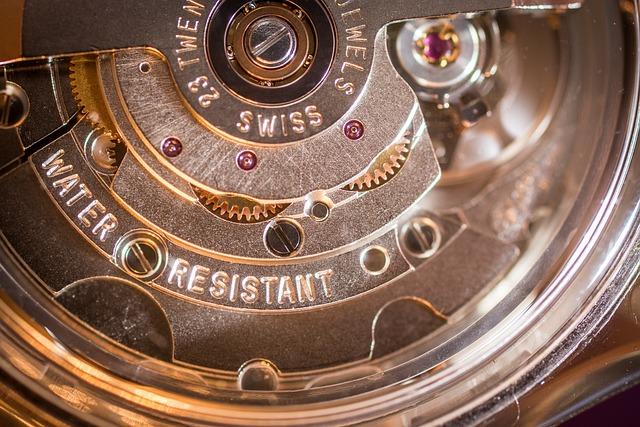
One of the primary components of a mechanical watch is the movement. This is the inner mechanism responsible for keeping time and driving the watch’s functions. The movement consists of various parts, including the balance wheel, escapement mechanism, and gears that work in harmony to regulate the passage of time.
The escapement mechanism is a crucial part of a mechanical watch. It is responsible for controlling the release of energy from the mainspring to the gear train, which ultimately drives the hands of the watch. The balance wheel oscillates back and forth, providing the necessary rhythm for accurate timekeeping.
Another essential component of a mechanical watch is the dial and hands. The dial is the face of the watch, displaying the time through numerals, markers, and other indicators. The hands, including the hour hand, minute hand, and second hand, move in coordination to show the current time.

– The Fascinating Process of Powering a Mechanical Watch: Exploring Mainsprings and Gears
In a mechanical watch, the mainspring is a crucial component that stores energy and powers the timekeeping mechanism. When the watch is wound, the mainspring coils tighter, storing potential energy that is gradually released to regulate the movement of the watch.
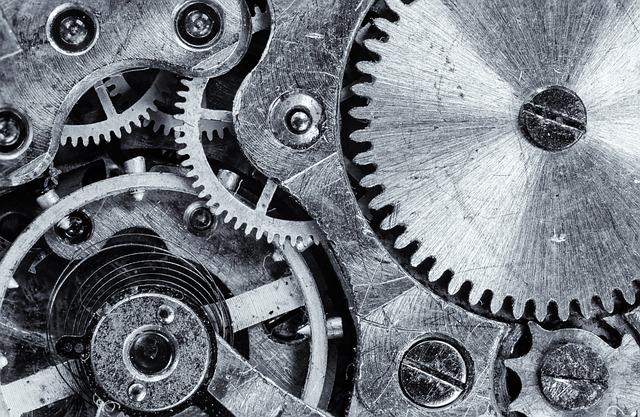
The gears in a mechanical watch work together to transmit this energy from the mainspring to the escapement, which controls the release of energy to regulate the movement of the watch hands. Each gear is carefully engineered to ensure precision and accuracy in timekeeping.
The intricate process of powering a mechanical watch is a fascinating blend of art and engineering. From the carefully coiled mainspring to the precisely crafted gears, every component plays a vital role in keeping time accurately and reliably. Next time you glance at your mechanical watch, take a moment to appreciate the intricate process happening beneath the surface that allows you to keep track of time in style.
– Precision in Motion: Delving into the Regulation of Timekeeping in Mechanical Watches
Mechanical watches are intricate timepieces that rely on precise movements to keep accurate time. At the heart of a mechanical watch is the regulation of timekeeping, which ensures that the watch runs smoothly and accurately. This regulation is achieved through a series of components working together in harmony to measure and track the passage of time.
One essential component of a mechanical watch is the balance wheel, which oscillates back and forth at a constant rate. This movement is regulated by the escapement mechanism, which controls the release of energy from the mainspring to the gear train. The gear train then transmits this energy to the hands of the watch, allowing them to move in a continuous and controlled manner.
In addition to the balance wheel and escapement, the regulation of timekeeping in a mechanical watch also depends on factors such as the quality of the materials used, the precision of the manufacturing process, and the skill of the watchmaker. By paying attention to these details and ensuring that each component is functioning optimally, mechanical watches can achieve the high level of precision and accuracy that they are known for.
– Time-Honored Craftsmanship: The Art of Assembly and Lubrication in Mechanical Watches
In the intricate world of mechanical watches, every tiny component plays a crucial role in ensuring accurate timekeeping. From the delicate balance wheel to the precision gears, each part is meticulously crafted and assembled by skilled watchmakers. The art of assembly involves carefully placing each piece in its designated location, ensuring that they work harmoniously together to power the movement of the watch.
One essential aspect of assembling a mechanical watch is the lubrication process. To reduce friction and minimize wear on the moving parts, watchmakers apply a thin layer of high-quality lubricant to key areas of the movement. This meticulous process requires precision and attention to detail, as the right amount of lubrication is essential for the watch to function smoothly and accurately.
The art of assembly and lubrication in mechanical watches is a time-honored tradition that dates back centuries. Watchmakers have perfected their craft through years of experience and dedication to preserving the intricate mechanisms that make mechanical watches so special. By understanding the meticulous process behind the assembly and lubrication of these timepieces, one can truly appreciate the beauty and complexity of mechanical watchmaking.
– Maintaining Your Mechanical Watch: Essential Care Tips to Ensure Longevity and Accuracy
Mechanical watches are a marvel of engineering, with intricate mechanisms working together to keep time accurately. Understanding how they work can help you appreciate the craftsmanship and care that goes into these timepieces.
One of the key components of a mechanical watch is the mainspring, which stores energy when wound up. This energy is then transferred through a series of gears and springs to power the watch’s movement. The balance wheel and escapement work in tandem to regulate the release of this energy, ensuring a consistent and accurate timekeeping.
To ensure the longevity and accuracy of your mechanical watch, proper maintenance is essential. Here are some tips to help you care for your timepiece:
- Regular Servicing: Schedule regular maintenance with a certified watchmaker to keep your watch in top condition.
- Keep it Wound: Wind your watch regularly to keep the mainspring tensioned and prevent oil from congealing.
- Protect it from Magnetism: Avoid placing your watch near magnets, as this can disrupt the movement and affect its accuracy.
- Store it Properly: When not in use, store your watch in a cool, dry place away from direct sunlight to prevent damage.

– The Beauty of Mechanical Movements: Comparing Automatic and Manual Wind Calibers
In the world of mechanical watches, the heart of the timepiece lies in its intricate movement. The two main types of mechanical movements are automatic and manual wind calibers, each with their own unique characteristics and charm.
Differences Between Automatic and Manual Wind Calibers:
- Automatic movements use the energy generated by the wearer’s wrist movement to power the watch, while manual wind movements require the wearer to manually wind the watch daily.
- Automatic movements have a rotor that winds the mainspring through motion, whereas manual wind movements have a crown that the wearer must turn to wind the mainspring.
- Automatic movements are often preferred for their convenience, as they do not require daily winding, while manual wind movements are appreciated for their traditional and hands-on approach to timekeeping.
Advantages of Each Movement Type:
| Automatic Movements | Manual Wind Movements |
|---|---|
| Convenient for everyday wear | Connection to the tradition of watchmaking |
| Less maintenance required | Direct control over winding process |
| Smoother winding feel | Increased mindfulness of timekeeping |
Whether you prefer the effortless elegance of an automatic movement or the hands-on engagement of a manual wind caliber, both types of mechanical movements offer a glimpse into the meticulous craftsmanship and beauty of traditional watchmaking. Ultimately, the choice between automatic and manual wind calibers comes down to personal preference and a deeper appreciation for the artistry behind each timepiece.

– Beyond Timekeeping: Exploring Complications in Mechanical Watches
In the world of mechanical watches, there is so much more to discover beyond just telling time. These intricate timepieces are a marvel of engineering, with various complications that add both functionality and beauty to the watch. If you’ve ever wondered how mechanical watches work and what makes them so special, this essential guide is for you.
At the heart of a mechanical watch is a carefully crafted movement, made up of hundreds of tiny components working together to keep time with precision. The main components of a mechanical watch movement include:
- Balance wheel: Oscillates back and forth, regulating the movement of the watch.
- Escapement: Controls the release of energy from the mainspring to the gear train.
- Gear train: Transfers energy from the mainspring to the hands of the watch.
One of the most fascinating aspects of mechanical watches is their complications – additional features beyond basic timekeeping. Some popular complications include:
- Moonphase: Indicates the phase of the moon.
- Chronograph: A stopwatch function for measuring time intervals.
- Perpetual calendar: Automatically adjusts for different month lengths and leap years.

– The Evolution of Mechanical Watchmaking: Innovations and Trends in the Industry
In the world of mechanical watchmaking, the intricate beauty of these timepieces lies in their intricate inner workings. Mechanical watches operate without the use of batteries or quartz crystals, relying on a series of gears, springs, and escapements to keep time accurately. Here is a breakdown of how mechanical watches work:
– **Main Components:** A mechanical watch consists of a mainspring, gear train, escapement mechanism, and a timekeeping element such as the balance wheel.
– **Winding Mechanism:** Mechanical watches can be either manual or automatic. Manual watches require regular winding by the wearer, while automatic watches use the motion of the wearer’s wrist to wind the mainspring.
– **Escapement Action:** The escapement mechanism is responsible for regulating the release of energy from the mainspring, ensuring that the gear train moves at a constant rate.
– **Accuracy and Precision:** The precision of a mechanical watch is dependent on the quality of its components and the skill of the watchmaker. High-end mechanical watches can keep time with incredible accuracy.
With advancements in technology and craftsmanship, the world of mechanical watchmaking continues to evolve, blending traditional techniques with modern innovations to create timepieces that are both timeless and cutting-edge.
– Finding the Perfect Mechanical Watch: Factors to Consider When Making a Purchase
Mechanical watches are a timeless accessory that adds a touch of sophistication to any outfit. Understanding how mechanical watches work can help you make an informed decision when choosing the perfect timepiece for yourself or as a gift. There are several factors to consider when making a purchase, from the movement type to the design and functionality. Here are some essential considerations to keep in mind:
– **Movement Type:** Mechanical watches are powered by a mainspring that must be wound either manually (manual movement) or automatically (automatic movement).
– **Design and Style:** Consider the aesthetic appeal of the watch, including the case material, dial color, and strap style. Whether you prefer a classic design or a modern look, there are plenty of options to choose from.
– **Features and Complications:** Decide on the functions you need in a watch, such as date display, chronograph, moon phase, or GMT complication. The more complications a watch has, the more intricate and valuable it may be.
– **Brand and Reputation:** Research different watch brands and their reputation for quality, craftsmanship, and customer service. Look for brands with a history of producing reliable and durable timepieces.
Insights and Conclusions
In conclusion, mechanical watches work by utilizing intricate mechanisms and precision engineering to keep time accurately. Key takeaways from this essential guide include the understanding of the mainspring, escapement, balance wheel, and gear train, which are all essential components in the operation of a mechanical watch. By appreciating the craftsmanship and complexity behind these timepieces, one can truly understand and appreciate the beauty of mechanical watches. Thank you for reading and may you continue to enjoy and cherish the artistry of mechanical timepieces.
Get our latest guides, news, and insights highlighted in your Google Search & AI Overviews.