Fixing Your Mechanical Watch Made Easy: Expert Tips Revealed
Are you tired of taking your mechanical watch to a professional every time it needs a repair? Look no further! In this article, we will unveil the expert tips that will make fixing your beloved timepiece a breeze. Whether it’s a broken spring or a jammed gear, our step-by-step guide guarantees to equip you with the know-how to take matters into your own hands. So, get ready to save both time and money as we dive into the secrets of watch repair.
Contents
- – Tools and Equipment: Essential Items Every Watch Enthusiast Should Have
- Tools and Equipment: Essential Items Every Watch Enthusiast Should Have
- – Understanding the Inner Workings: A Step-by-Step Guide to Exploring Watch Mechanisms
- – Identifying Common Issues: Troubleshooting Your Mechanical Watch Like a Pro
- – Cleaning and Lubricating: Expert Tips for Restoring Your Watch’s Performance
- – Common Mistakes to Avoid: Pitfalls to Steer Clear of When Fixing Your Mechanical Watch
- In Conclusion
– Tools and Equipment: Essential Items Every Watch Enthusiast Should Have
Tools and Equipment: Essential Items Every Watch Enthusiast Should Have
As a watch enthusiast, having the right tools and equipment is essential for maintaining and repairing your mechanical timepieces. Whether you’re a beginner or an expert, these items will help you tackle common issues and enjoy the hobby to its fullest.
1. Watch Repair Kit
A high-quality watch repair kit is the foundation of your toolkit. Look for one that includes a variety of screwdrivers, tweezers, pin pushers, and different-sized watch case openers. These tools will allow you to access the inner workings of your watches safely and efficiently. Investing in a reliable watch repair kit will save you time and frustration in the long run.
2. Cleaning Supplies
Maintaining the cleanliness of your mechanical watch is crucial for its longevity. Consider getting a set of cleaning supplies specifically designed for watches, including a gentle cleaning solution, soft brushes, and lint-free cloths. Regularly cleaning your timepieces will prevent dirt, dust, and oils from affecting their performance and appearance.
3. Watch Tester
A watch tester is an indispensable tool for any watch enthusiast. This device allows you to check the accuracy and performance of your mechanical watches, ensuring they are running correctly. Look for a watch tester that can measure beat error, amplitude, and rate deviation. With this tool, you can easily diagnose and determine if your watch needs any adjustments or repairs.
4. Storage and Display Solutions
Proper storage and display solutions are crucial for keeping your watch collection organized and protected. Consider investing in a watch case or watch box that provides individual compartments for each timepiece. Look for options with cushioned interiors and secure closures to prevent scratches and damage. Additionally, a watch winder can keep your automatic watches wound and ready to wear, even when you’re not wearing them.

– Understanding the Inner Workings: A Step-by-Step Guide to Exploring Watch Mechanisms
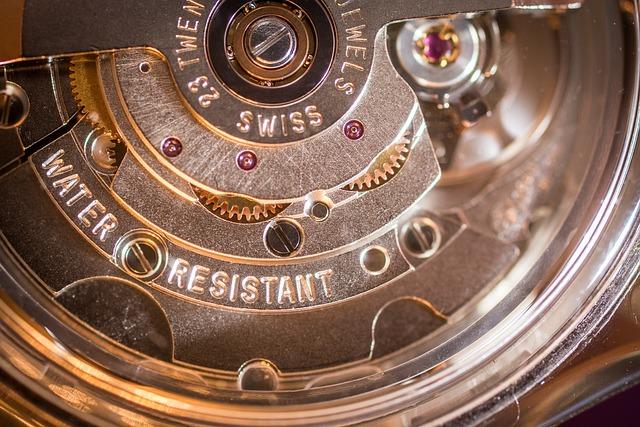
In order to truly understand the inner workings of a mechanical watch, it is important to have a step-by-step guide that breaks down each component and function. This comprehensive post will reveal expert tips on fixing your mechanical watch, making it easier for you to maintain and care for it.
1. Start by Familiarizing Yourself with the Basic Components:
– Main Spring: This is the power source of the watch, storing energy that is released to drive the movement.
– Balance Wheel: This is the regulating organ of the watch, swinging back and forth to control the speed of the movement.
– Escapement: This mechanism transfers the energy from the main spring to the balance wheel, creating the ticking motion.
– Gears and Pinions: These interconnected mechanisms transmit the power throughout the watch, allowing various functions to be accomplished.
2. Take a Closer Look at the Movement Types:
– Manual-Wind: These watches require manual winding, typically with a crown at the side of the case.
– Automatic: These watches self-wind through the motion of the wearer’s wrist, reducing the need for manual winding.
– Quartz: These watches use a battery to power a quartz crystal, which regulates the movement with high precision.
3. Troubleshooting Common Issues:
– Poor Timekeeping: Often caused by a magnetized movement or a need for regulation.
– Stuck Crown: Clean the crown and stem with a soft cloth, and if necessary, use a little bit of lubricant.
– Water Damage: Seek professional help as soon as possible to prevent further damage to the movement.
4. Basic Tools for DIY Watch Repair:
– Tweezers: Used for handling small components.
– Screwdrivers: Essential for removing and replacing screws.
– Case Opener: Helps to remove the back of the watch case.
– Loupe: A magnifying tool for inspecting small details.
Remember, watch repair can be intricate and delicate work. If you are unsure or uncomfortable with any aspect of fixing your mechanical watch, it is always advisable to seek the assistance of a professional watchmaker. However, with the knowledge gained from this step-by-step guide, you can gain confidence in maintaining and troubleshooting your beloved timepiece.
– Identifying Common Issues: Troubleshooting Your Mechanical Watch Like a Pro
Identifying Common Issues: Troubleshooting Your Mechanical Watch Like a Pro
Whether you’re a seasoned watch enthusiast or a newbie to the world of mechanical timepieces, encountering issues with your beloved watch can be frustrating. Luckily, you don’t have to be a professional watchmaker to troubleshoot and fix some common problems. In this post, we’ll unveil expert tips and tricks that will make fixing your mechanical watch a breeze.
1. Diagnosing Timekeeping Inaccuracies:
– Is your watch running too fast or too slow? The most common culprit behind timekeeping inaccuracies is magnetization. Small magnets, such as speakers or phone cases, can affect the magnetic components in your watch, causing it to lose its precision. To check if your watch is magnetized, use an anti-magnetic device or visit your local watchmaker for demagnetizing.
2. Resolving Power Reserve Issues:
– If you notice that your watch stops before its power reserve is depleted, don’t worry! Often, this issue occurs due to insufficient winding or a problem with the mainspring. Gently wind your watch for at least 20-30 turns to ensure it has enough power. However, if the problem persists, it’s advisable to seek professional help as it may require a mainspring replacement.
3. Addressing Water Resistance Problems:
– Water resistance is crucial for ensuring your mechanical watch’s longevity and functionality. If you notice condensation inside the crystal, it indicates a compromised seal. Check the crown, case back, and gaskets for any visible damage or wear. If necessary, replace the damaged parts or have a watch technician perform a pressure test to restore the watch’s water resistance capabilities.
4. Troubleshooting Hand Misalignment:
– Are your watch hands not aligning properly or interfering with each other’s movement? This issue can be resolved without much hassle. Using a gentle touch, adjust the hands to line up accurately with the hour markers. If you encounter resistance or difficulties, it’s best to bring your watch to an authorized service center, where they can perform a hands realignment with precision tools.
Remember, while these tips can help you troubleshoot and fix common issues, some problems may require the expertise of a professional watchmaker. Don’t hesitate to seek professional assistance if you’re uncertain or uncomfortable with performing any repairs yourself. With proper care and maintenance, your mechanical watch will continue to be a reliable companion for years to come.
– Cleaning and Lubricating: Expert Tips for Restoring Your Watch’s Performance
Cleaning and lubricating your mechanical watch is essential for restoring its performance and keeping it running smoothly for years to come. Whether you’re a watch enthusiast or just want to maintain the integrity of your timepiece, these expert tips are a must-know.
1. Gather the Essentials: Before getting started, make sure you have the necessary tools and supplies. You’ll need a soft microfiber cloth, cleaning solution specifically formulated for watches, a soft brush or toothpick, and a specialized oil for lubricating the moving parts.
2. Remove the Strap and Expose the Movement: Carefully remove the strap or bracelet from your watch to have full access to the movement. This will make the cleaning process easier and ensure that all surfaces are thoroughly cleaned.
3. Cleaning the Exterior: Begin by gently wiping the watch case, crystal, and crown with a microfiber cloth. Avoid using excessive pressure to prevent scratching the surface. For stubborn dirt or fingerprints, you can dampen the cloth slightly with water or use a mild soap solution.
4. Cleaning the Movement: This step requires extra caution and precision. Use a brush or toothpick to remove any visible dirt or debris in the movement. Be gentle to avoid damaging delicate components and ensure you reach all small crevices. To clean difficult-to-reach areas, a specialized cleaning solution can be used, following the manufacturer’s instructions.
5. Lubricating the Movement: Lubrication is vital to minimize friction and ensure smooth functionality of the watch. Apply a tiny amount of watch oil to the specific areas recommended by the watch manufacturer. Remember, excessive oil can attract dust and dirt, causing potential damage to the movement.
6. Reassembling the Watch: After cleaning and lubricating, carefully reassemble the watch components. Ensure all parts are properly aligned and secured. Take this opportunity to inspect the strap or bracelet for any wear and tear, and replace if necessary.
Remember, if you’re not confident in your abilities, it’s always a good idea to have your watch serviced by a professional watchmaker. Following these expert tips, however, can help you restore your watch’s performance and maintain its longevity. So go ahead, dust off your cleaning supplies, and give your mechanical watch the attention it deserves.
– Common Mistakes to Avoid: Pitfalls to Steer Clear of When Fixing Your Mechanical Watch
Fixing your mechanical watch can be a rewarding and cost-effective way to ensure the longevity of your timepiece. However, there are common mistakes that many watch enthusiasts make when attempting to fix their watches. By avoiding these pitfalls, you can save yourself time, money, and potential damage to your prized possession.
One of the most common mistakes to avoid is attempting to fix your mechanical watch without the proper tools. A set of watchmaker’s tools, specifically designed for watch repair, is essential for a successful repair. Using improper tools can result in scratches, dents, or even irreversible damage to delicate parts of your watch.
Another pitfall to steer clear of is over-tightening screws and pins. It can be tempting to give them an extra twist to ensure a secure fit, but this can lead to stripped threads or broken parts. Always use the correct size screwdriver or pin pusher and apply gentle pressure to avoid damaging the components of your watch.
When disassembling your watch, it is crucial to have a clean and organized workspace. This will help prevent small parts from getting lost or mixed up, saving you the headache of trying to find and identify them later. Consider using a parts tray or magnetic mat to keep everything organized and easily accessible.
In addition, be cautious when adjusting the time and date on your watch. Avoid changing these settings between 9 pm and 3 am, as this is when the watch is undergoing its automatic date change. Forcing the date change during this time can cause misalignment or damage to the gears and mechanisms responsible for this function.
Remember, patience is key when fixing your mechanical watch. Take your time, refer to detailed guides or online resources, and if you encounter any difficulties, consider seeking the assistance of a professional watchmaker. By avoiding these common mistakes, you can confidently embark on your journey to fix your mechanical watch and enjoy the satisfaction of preserving its beauty and functionality.
In Conclusion
In conclusion, fixing your mechanical watch doesn’t have to be a daunting task anymore. With the expert tips revealed in this article, you now have the tools and knowledge to tackle any issues that may arise. Remember, regular maintenance and care are crucial for your watch’s longevity and accurate timekeeping.
Key Takeaways:
1. Understanding the basics: Start by familiarizing yourself with the various components and functions of your mechanical watch. This knowledge will empower you to detect and address any potential issues.
2. Proper tools and workspace: Invest in a quality watch repair kit and set up a clean, well-lit workspace to ensure you can work on your watch without any disruptions or accidents.
3. Handling with care: Always exercise caution and gentleness when working on your mechanical watch. This delicate timepiece requires a delicate touch to avoid causing further damage.
4. Regular maintenance: Clean your watch regularly with a soft cloth and keep it away from water and extreme temperatures. Lubricating the moving parts periodically will also keep your watch running smoothly.
5. Troubleshooting common problems: Whether it’s a malfunctioning crown, a loose strap, or a misaligned hand, familiarize yourself with troubleshooting techniques to address these issues efficiently.
6. Know when to seek professional help: While many repairs can be done at home, some complex problems require the expertise of a professional watchmaker. Don’t hesitate to reach out for help if you feel unsure or overwhelmed.
Remember, practice makes perfect. Fixing your mechanical watch yourself not only saves you time and money but also gives you a deeper appreciation for the intricate craftsmanship. So, put your newfound knowledge into action and enjoy the satisfaction of having a beautifully functional timepiece on your wrist.
Get our latest guides, news, and insights highlighted in your Google Search & AI Overviews.