Can You Hear Mechanical Watches? Debunking the Myths
When it comes to mechanical watches, many myths and misconceptions abound. One common belief is that these timepieces make a loud clicking or ticking noise. But can you really hear mechanical watches ticking away? In this article, we will debunk this myth and explore the truth behind the sounds – or lack thereof – of these fascinating timepieces.
Contents
- Introduction to Mechanical Watches
- Dispelling the Myth of Mechanical Watches Being Noisy
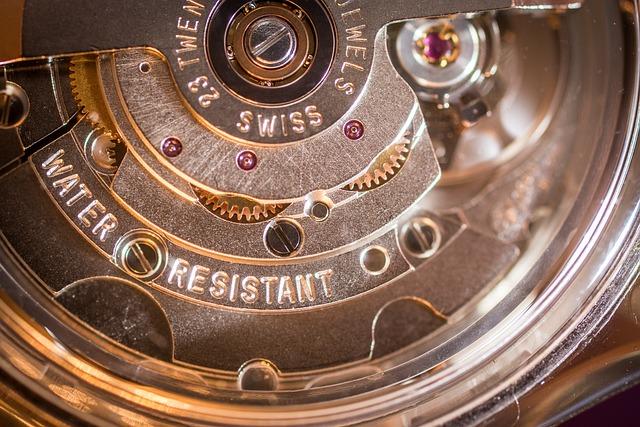
- Understanding the Mechanisms of Mechanical Watches
- Factors Affecting the Sound of Mechanical Watches
- Comparing the Sound of Different Mechanical Watches
- Tips for maintaining the sound level of Mechanical Watches
- Expert Opinions on the Sound of Mechanical Watches
- Addressing Common Misconceptions about Mechanical Watches
- Exploring the Relationship Between Design and Sound in Mechanical Watches
- In Summary
Introduction to Mechanical Watches
Mechanical watches have a long-standing reputation for their craftsmanship and attention to detail. Many people believe that mechanical watches make a ticking noise due to the movement of the gears inside, but this is actually a common misconception. In reality, high-quality mechanical watches are designed to be virtually silent, with the ticking sound being barely audible.One of the key features of mechanical watches is their intricate mechanical movements, which are often handcrafted by skilled watchmakers. These movements consist of hundreds of tiny components working together to accurately track the passage of time. Unlike quartz watches, which use batteries to power their movements, mechanical watches rely on the winding of a spring to keep time.
Related: Tudor Black Bay Replica vs Original: Debunking the Myths
Another myth surrounding mechanical watches is that they are less accurate than quartz watches. While it is true that mechanical watches may not be as precise as their quartz counterparts, the difference in accuracy is often minimal in day-to-day use. Additionally, the allure of a mechanical watch lies in its craftsmanship, history, and tradition, rather than its precision.
In conclusion, mechanical watches are a true work of art that combines technical precision with timeless elegance. By debunking these common myths, we can appreciate the craftsmanship and beauty of mechanical watches even more.

Dispelling the Myth of Mechanical Watches Being Noisy
Many people believe that mechanical watches are noisy, but this is not necessarily true. While some mechanical watches do make a ticking sound, it is often very subtle and only noticeable when you hold the watch up to your ear. Here are some reasons why the noise level of mechanical watches is often exaggerated:
<ul>

    <li>Mechanical watches are generally quieter than quartz watches.</li>

    <li>The ticking sound of a mechanical watch can be soothing to some people.</li>

    <li>The noise level of a mechanical watch can vary depending on the type of movement and construction.</li>

</ul>

<p>Overall, the idea that mechanical watches are loud and disruptive is a myth that should be dispelled. While some watches may make a noise, it is often not as noticeable as many people think.</p>
Understanding the Mechanisms of Mechanical Watches
Mechanical watches are often misunderstood in terms of their operation and mechanics. One common myth surrounding mechanical watches is that they make a loud ticking noise. In reality, well-made mechanical watches are virtually silent. The ticking noise typically associated with watches is more common in quartz watches due to their second hand movements.Another misconception about mechanical watches is that they require frequent winding. While it is true that manual-winding mechanical watches need to be wound regularly, automatic mechanical watches have a rotor that winds the watch as you wear it. This means that as long as you wear your automatic watch regularly, it will stay wound without the need for manual winding.
The intricate mechanisms inside a mechanical watch are a marvel of engineering. From the escapement to the mainspring, each component works together seamlessly to keep time accurately. Understanding these mechanisms can help you appreciate the craftsmanship that goes into creating a mechanical watch. Don’t let myths and misconceptions cloud your judgment – take the time to learn about the inner workings of mechanical watches and you’ll have a newfound appreciation for these timeless timepieces.
Factors Affecting the Sound of Mechanical Watches
When it comes to mechanical watches, the sound they produce can vary greatly depending on several factors. Understanding these factors can help debunk common myths about the audible characteristics of mechanical timepieces.
Materials Used
- Metal: The type of metal used in the construction of the watch case and movement can affect the sound produced. For example, stainless steel tends to create a clearer sound compared to titanium.
- Crystal: The material of the watch crystal can also impact the sound. Sapphire crystals are known to enhance the clarity of the ticking sound.
Movement Type
The type of movement in a mechanical watch, whether it’s manual, automatic, or quartz, can influence the sound it emits. Manual movements often produce a more pronounced ticking sound compared to automatic movements.
Case Design
The design of the watch case can affect how sound resonates. Factors such as the thickness of the case, presence of a display case back, and the overall construction can all play a role in shaping the sound of a mechanical watch.

Comparing the Sound of Different Mechanical Watches
When it comes to mechanical watches, the sound they produce can vary significantly depending on various factors. From the ticking of the movement to the winding of the mainspring, each watch has its unique auditory fingerprint. Here, we debunk some common myths surrounding the sound of mechanical watches.
One common misconception is that all mechanical watches sound the same. In reality, the sound of a watch can be influenced by factors such as the type of movement, the materials used, and the design of the case. For example, a watch with a high-beat movement will produce a faster ticking sound compared to a watch with a low-beat movement.
Another myth is that the louder the watch, the better the quality. While some collectors may prefer a louder ticking sound as it gives a sense of presence and craftsmanship, the volume of a watch does not necessarily correlate with its quality. It’s essential to consider other aspects such as accuracy, durability, and design when evaluating the overall worth of a mechanical watch.
Ultimately, the sound of a mechanical watch is a subjective experience that adds to the charm and allure of owning and wearing a timepiece. Whether you prefer a subtle tick or a robust chime, the sound of a mechanical watch is an integral part of its identity and character.

Tips for maintaining the sound level of Mechanical Watches
One common misconception about mechanical watches is that they are noisy and disruptive. However, with proper maintenance and care, you can ensure that your mechanical watch operates quietly and smoothly.
Here are some :
- Keep your watch clean and free of dust and debris.
- Regularly oil and lubricate the moving parts of the watch to reduce friction and noise.
- Avoid exposing your watch to extreme temperatures, as this can affect the performance of the movement.
- Have your watch serviced by a professional watchmaker every few years to ensure optimal performance.
By following these tips, you can enjoy the beauty and craftsmanship of your mechanical watch without the distraction of unnecessary noise.

Expert Opinions on the Sound of Mechanical Watches
When it comes to the sound of mechanical watches, there are various opinions among watch enthusiasts and experts. Let’s debunk some of the myths surrounding this topic:
- Clarity vs. Volume: The sound of a mechanical watch is often described as a series of clicks and ticks. Some people believe that the louder the sound, the higher the quality of the watch. However, experts suggest that the clarity of the sound is more important than its volume. A well-crafted mechanical watch will produce a clear and distinct sound, regardless of its volume.
- Movement Type: The type of movement in a mechanical watch can also affect its sound. For example, watches with a manual winding movement may produce a more pronounced sound compared to watches with an automatic movement. This difference is due to the way the gears and springs interact in each type of movement.
- Materials Matter: The materials used in the construction of a watch can impact its sound as well. For example, watches with a stainless steel case may produce a different sound compared to watches with a titanium or ceramic case. The thickness of the case and the type of crystal used can also influence the sound of a mechanical watch.

Addressing Common Misconceptions about Mechanical Watches
One of the most common misconceptions about mechanical watches is that they make a loud ticking noise. In reality, high-quality mechanical watches are designed to be virtually silent. The ticking sound is often exaggerated in movies and TV shows for dramatic effect, leading to the misconception that all mechanical watches are loud.
Another myth about mechanical watches is that they require constant winding. While some mechanical watches do need to be manually wound, many modern mechanical watches are self-winding, meaning they are powered by the movement of the wearer’s wrist. This eliminates the need for frequent winding and allows the watch to keep running as long as it is worn regularly.
Additionally, there is a misconception that mechanical watches are less accurate than quartz watches. While quartz watches are known for their precision timekeeping, high-quality mechanical watches can also be extremely accurate. In fact, some mechanical watches are certified as chronometers, meaning they meet strict accuracy standards set by independent organizations.
Overall, it’s important to separate fact from fiction when it comes to mechanical watches. By debunking these common myths, we can appreciate the craftsmanship and beauty of mechanical watches without being misled by misinformation.

Exploring the Relationship Between Design and Sound in Mechanical Watches
In the world of mechanical watches, design and sound are intrinsically linked. The intricate inner workings of a mechanical timepiece not only contribute to its visual appeal but also produce a unique auditory experience. Contrary to popular belief, mechanical watches do make a sound, albeit a subtle and rhythmic one that is often overshadowed by the ticking of quartz watches.**Debunking the Myths:**
– Myth: Mechanical watches are completely silent.
– Fact: While mechanical watches are quieter compared to electronic ones, they do produce a soft ticking or clicking sound as the gears and escapement mechanism move.
– Myth: The sound of a mechanical watch is annoying or distracting.
– Fact: The sound of a mechanical watch is often described as soothing and meditative by enthusiasts, adding a sense of connection to the craftsmanship and tradition behind the timepiece.
**Exploring the Relationship Between Design and Sound:**
– The design of a mechanical watch can influence the sound it produces. Factors such as the materials used, the shape of the case, and the thickness of the crystal can all impact the acoustics of a watch.
– Some watchmakers even incorporate sonorous complications, such as minute repeaters, into their creations to enhance the auditory experience. These complications chime out the time at the press of a button, adding an extra layer of sophistication to the design.
**In conclusion,** the relationship between design and sound in mechanical watches is a fascinating and often overlooked aspect of horology. Next time you admire a beautifully crafted timepiece, take a moment to listen closely and appreciate the subtle symphony of gears and springs working together to keep time.
In Summary
In conclusion, the idea that mechanical watches make an audible ticking sound is a common misconception. In reality, the noise produced by mechanical watches is often so faint that it is imperceptible to the human ear in most normal conditions. The notion that you can hear a mechanical watch ticking from across the room is simply a myth. When it comes to debunking these myths, it’s important to rely on factual information and dispel any misconceptions. Remember, the beauty of a mechanical watch lies in its craftsmanship and precision, not in the sound it makes. So, the next time you come across someone claiming they can hear a mechanical watch ticking, you can confidently debunk that myth with your newfound knowledge.Related reading: What Is Rolex Oyster Perpetual Datejust: The Classic Explained
Get our latest guides, news, and insights highlighted in your Google Search & AI Overviews.