Discover Timeless Elegance: Automatic vs Manual Winding Watch Comparisons
Have you ever found yourself torn between the timeless elegance of automatic watches and the classic charm of manual winding timepieces? In this article, we will delve into the differences between these two types of watches, helping you make an informed decision on which one best suits your style and needs. Join us as we explore the world of automatic vs manual winding watches, and discover the perfect timepiece to elevate your look.
Contents
- Automatic vs Manual Winding: What’s the Difference?
- The Craftsmanship behind Automatic Watches
- The Benefits of Manual Winding Timepieces
- Choosing the Right Movement: Factors to Consider
- Longevity and Maintenance: Which Option is More Durable?
- Aesthetics and Design: Finding Your Personal Style
- Automatic vs Manual Winding Watch Comparisons
- Making Your Decision: Recommendations Based on Lifestyle and Preference
- The Conclusion
Automatic vs Manual Winding: What’s the Difference?
When it comes to choosing a watch, one of the key decisions to make is whether to opt for an automatic or manual winding timepiece. Both types of watches offer unique benefits and characteristics that cater to different preferences and lifestyles.
Related: Automatic Watch with Manual Winding: The Best of Both Worlds!
Related: Effortless Style: Automatic vs Hand Winding Watch Comparisons
Automatic Watches:
- Powered by the natural motion of the wearer’s wrist
- Do not require daily winding
- Convenient for those who wear their watch regularly
- May have a longer power reserve compared to manual winding watches
Manual Winding Watches:
- Require daily winding to keep them running
- Traditional and classic appeal
- Some watch enthusiasts prefer the ritual of winding their watch
- Can offer a more tactile and engaging experience for the wearer
| Feature | Automatic | Manual |
|---|---|---|
| Power Source | Wearer’s wrist motion | Manual winding by the wearer |
| Convenience | Requires less maintenance | Requires daily winding |
| Experience | Seamless and effortless | Ritualistic and engaging |

The Craftsmanship behind Automatic Watches
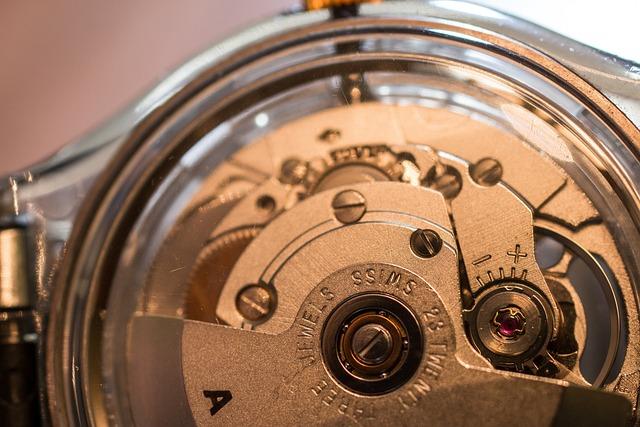
When it comes to , there is a level of precision and attention to detail that sets them apart from manual winding watches. Automatic watches are powered by the movement of the wearer’s wrist, using a rotor to wind the watch’s mainspring. This intricate mechanism allows for a continuous flow of energy, ensuring accurate timekeeping without the need for manual winding.
One of the key advantages of automatic watches is their convenience. With no need for regular winding, automatic watches are always running as long as they are being worn. This makes them an excellent choice for everyday use, as wearers can simply put them on and go about their day without worrying about winding the watch.
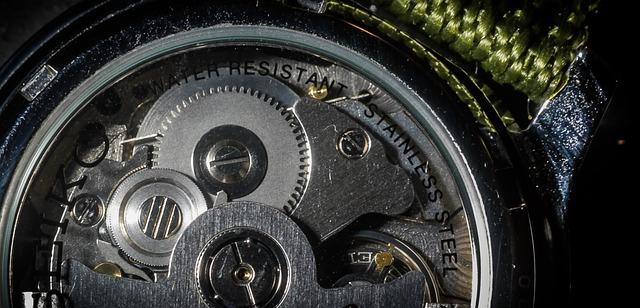
Additionally, automatic watches are often preferred for their aesthetic appeal. The visible movement of the rotor and gears through the watch’s exhibition caseback is a testament to the craftsmanship and engineering that goes into creating these timepieces. This level of detail adds a touch of elegance to automatic watches that is hard to replicate with manual winding watches.
- Convenient and hassle-free timekeeping
- Aesthetic appeal with visible movement
- Precision craftsmanship and engineering

The Benefits of Manual Winding Timepieces
Manual winding timepieces offer a sense of connection and engagement with the watch that automatic watches can’t quite match. By taking the time to manually wind your watch each day, you are actively participating in its care and maintenance, which can create a deeper bond between you and your timepiece.
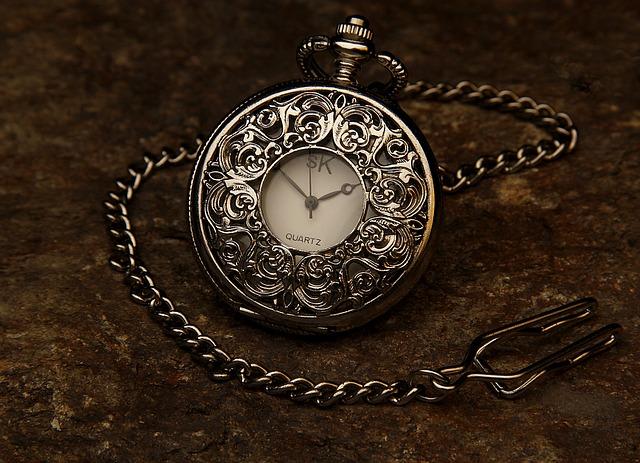
One of the key benefits of manual winding watches is their traditional and timeless elegance. The act of winding a watch by hand harks back to a bygone era when craftsmanship and attention to detail were paramount. This ritualistic practice can add a sense of luxury and sophistication to your daily routine.
With manual winding watches, you have more control over the power reserve of the watch. By winding it regularly, you can ensure that your watch is always running accurately and reliably. This hands-on approach to timekeeping can be incredibly satisfying and rewarding for the discerning watch enthusiast.
In addition, manual winding watches often have a slimmer profile than their automatic counterparts, making them ideal for those who prefer a more discreet and understated timepiece. The simplicity and elegance of a manual winding watch can elevate any outfit or occasion, making it a versatile and timeless accessory for any watch lover.
Choosing the Right Movement: Factors to Consider
When deciding between an automatic or manual winding watch, there are several factors to consider to ensure you choose the right movement for your needs. One important consideration is the level of maintenance required for each type of movement. Automatic watches are self-winding and rely on the motion of your wrist to keep them running, while manual winding watches need to be wound by hand daily. This difference in maintenance can impact how often you need to service your watch and can also affect its longevity.
Another factor to consider is the power reserve of the watch. Automatic watches typically have a longer power reserve than manual winding watches, meaning they can go longer without being worn before they need to be reset. This can be an important factor for those who don’t wear their watch every day or for those who travel frequently.
Additionally, the design and aesthetic appeal of the watch should also be taken into account when choosing between automatic and manual winding movements. Automatic watches are often seen as more modern and sophisticated, while manual winding watches can have a more traditional and classic look. Consider your personal style and the look you want to achieve when making your decision.
Finally, the price point of the watch should also be considered. Automatic watches tend to be more expensive than manual winding watches due to the complexity of their movement. If budget is a concern, you may want to factor in the cost of maintenance and servicing when making your decision. Ultimately, the right watch movement for you will depend on your lifestyle, preferences, and budget.
Longevity and Maintenance: Which Option is More Durable?
When comparing the longevity and maintenance of automatic and manual winding watches, it ultimately comes down to personal preference and lifestyle. Automatic watches are known for their durability and reliability, as they are powered by the natural motion of the wearer’s arm. This means they do not require manual winding and are self-sustaining as long as they are worn regularly.
On the other hand, manual winding watches offer a sense of tradition and craftsmanship. While they require regular winding to function properly, some watch enthusiasts prefer the ritual and connection to the timepiece that manual winding provides. Regular maintenance, such as cleaning and oiling, is essential to ensure the longevity of manual winding watches.
Both automatic and manual winding watches have their pros and cons when it comes to durability and maintenance. It ultimately depends on your individual preferences and lifestyle. Whether you prefer the convenience of an automatic watch or the traditional charm of a manual winding timepiece, both options offer timeless elegance and sophistication.
Aesthetics and Design: Finding Your Personal Style
Automatic vs Manual Winding Watch Comparisons
When it comes to choosing a watch that complements your personal style, you may find yourself torn between automatic and manual winding watches. Both types have their own unique features and advantages, making it important to understand the differences before making a decision. Let’s explore the nuances of each type to help you discover which one aligns best with your sense of timeless elegance.
Automatic Watches:
- Operates using the natural motion of your wrist
- Does not require manual winding
- May have a transparent case back to showcase the movement
Manual Winding Watches:
- Require regular winding by turning the crown
- Offer a more hands-on and traditional experience
- Can provide a sense of connection to the watch
Comparison Table:
| Automatic Watches | Manual Winding Watches | |
|---|---|---|
| Convenience | High | Low |
| Connection | Mild | Strong |
| Aesthetic | Modern | Traditional |

cost-effectiveness-which-option-provides-better-value”>Cost-Effectiveness: Which Option Provides Better Value?
When it comes to choosing between an automatic or manual winding watch, cost-effectiveness becomes an important factor to consider. Both options have their own set of pros and cons, but which one provides better value in the long run?
Let’s break it down:
- Automatic Watches:
- Require less maintenance over time
- Convenient for everyday wear
- Higher upfront cost
- Manual Winding Watches:
- Lower upfront cost
- More involvement in the winding process
- May require more frequent servicing
Ultimately, the better value option depends on your personal preferences and lifestyle. If you appreciate the convenience of an automatic watch and are willing to make a larger initial investment, then it may be the right choice for you. On the other hand, if you enjoy the tactile experience of manually winding your watch and are looking to save some money upfront, a manual winding watch could be the better value option.

Making Your Decision: Recommendations Based on Lifestyle and Preference
When it comes to choosing between an automatic and manual winding watch, there are several factors to consider based on your lifestyle and preferences. Both types of watches have their own unique characteristics and charm, so it’s important to weigh the pros and cons before making your decision.
For those who appreciate the convenience of not having to manually wind their watch, an automatic watch would be the ideal choice. This type of watch is powered by the movement of the wearer’s wrist, so there’s no need to worry about winding it every day.
On the other hand, if you prefer the ritual of winding your watch yourself and enjoy the connection to the craftsmanship of traditional watchmaking, a manual winding watch would be a perfect fit for you. There’s something special about taking a moment each day to wind your watch and keep it running smoothly.
Ultimately, the decision between an automatic and manual winding watch comes down to your personal style and preferences. Whichever type you choose, both offer timeless elegance and sophistication that will make a statement wherever you go.
The Conclusion
In conclusion, when it comes to choosing between an automatic and manual winding watch, it ultimately boils down to personal preference and lifestyle. Automatic watches offer convenience and ease of use, while manual winding watches provide a more intimate and engaged relationship with your timepiece. Whichever option you choose, both types of watches exude timeless elegance and sophistication. Consider your habits, needs, and preferences to make the best decision for your style and functionality needs. Ultimately, the choice between automatic and manual winding watches is a matter of personal taste and appreciation for the craftsmanship of watchmaking. Whichever you choose, you can be sure you’re investing in a classic accessory that will stand the test of time.
Get our latest guides, news, and insights highlighted in your Google Search & AI Overviews.