How Often Should I Wind My Automatic Watch: Maximizing Performance
Welcome to our guide on the important topic of winding your automatic watch for optimal performance. Automatic watches are a marvel of engineering, powered by the natural motion of your wrist. But how often should you wind your automatic watch to ensure it runs smoothly and accurately? In this article, we will dive into the intricacies of automatic watch winding to help you maximize the performance and lifespan of your timepiece. Let’s unravel the mysteries of watch winding together!
Contents
- How Automatic Watches Work: A Brief Explanation
- Factors that Determine How Often to Wind Your Automatic Watch
- Maximizing the Power Reserve of Your Automatic Watch
- The Importance of Consistent Winding Habits
- Recognizing Signs that Your Automatic Watch Needs Winding
- Tips for Properly Winding Your Automatic Watch
- Common Misconceptions About Winding Automatic Watches
- Expert Recommendations for Winding Frequency
- Conclusion: Finding the Perfect Winding Routine
- Key Takeaways
How Automatic Watches Work: A Brief Explanation
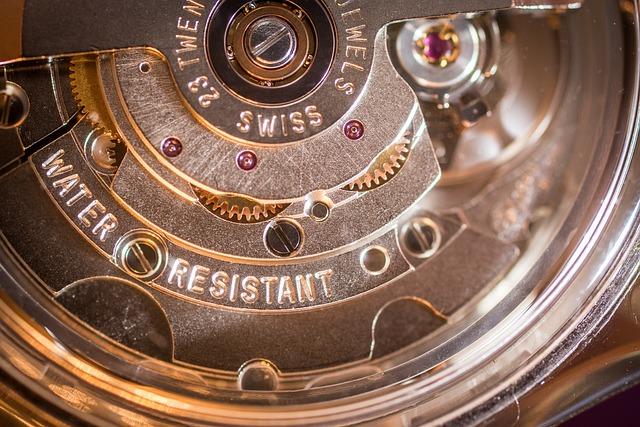
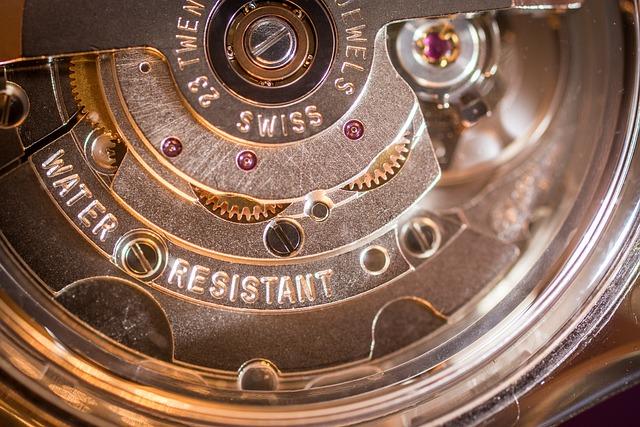
An automatic watch is powered by the movement of the wearer’s wrist, eliminating the need for a battery. Inside the watch, there is a rotor that moves with the motion of the wrist, winding the mainspring which powers the watch. This mechanism allows the watch to operate without manual winding as long as it is being worn regularly.
However, if the automatic watch is not worn for an extended period of time, it will stop running. In order to ensure optimal performance, it is recommended to wind the watch manually by rotating the crown a few times before wearing it. This will kickstart the movement and keep the watch running smoothly.
It is important to note that overwinding an automatic watch is not possible, as the mechanism is designed to prevent this from happening. Therefore, winding the watch regularly will not cause any harm and will actually help maintain its accuracy.
To maximize the performance of your automatic watch, it is recommended to wind it manually at least once a week if you don’t wear it regularly. This will keep the movement running smoothly and prevent it from stopping due to lack of motion.

Factors that Determine How Often to Wind Your Automatic Watch
:
One of the key factors to consider when determining how often to wind your automatic watch is the power reserve of the watch. The power reserve refers to how long the watch can run without needing to be wound again. Different automatic watches have different power reserves, ranging from 24 hours to several days. It’s important to know the power reserve of your watch so you can determine how often it needs to be wound to ensure optimal performance.
Another factor to consider is how frequently you wear your watch. If you wear your automatic watch daily, it is less likely to need winding compared to if you only wear it occasionally. The movement of your wrist while wearing the watch helps keep it wound, so if you wear it consistently, it may not need winding as often.
Additionally, the activity level of the wearer can impact how often the automatic watch needs to be wound. If you are active and move your wrist frequently throughout the day, the watch is more likely to stay wound. On the other hand, if you have a more sedentary lifestyle, you may need to wind your watch more often to keep it running smoothly.
It’s also important to consider the specific movement of your automatic watch. Some movements are designed to require less frequent winding, while others may need to be wound more often. Knowing the specific requirements of your watch’s movement can help you determine how often to wind it for optimal performance.
Maximizing the Power Reserve of Your Automatic Watch
When it comes to , understanding how often to wind it is crucial. By winding your watch regularly, you can ensure optimal performance and longevity. So, how often should you wind your automatic watch to keep it running smoothly?
For most automatic watches, it is recommended to wind them every day to maintain power reserve and accuracy. However, the specific frequency of winding can vary depending on the watch brand and model. Some watches may require winding every 24 hours, while others can go up to 48 hours before needing to be wound again.
It is important to wind your watch consistently at the same time each day to keep it running accurately. Overwinding can cause damage to the watch, so be sure to stop winding once you feel resistance. By following these maintenance tips, you can ensure that your automatic watch performs at its best.
Remember, regular winding is essential for and keeping it in top condition. By incorporating this simple routine into your daily schedule, you can enjoy reliable timekeeping and longevity from your timepiece.

The Importance of Consistent Winding Habits
Properly winding your automatic watch is crucial for ensuring its optimal performance and longevity. By developing consistent winding habits, you can maximize the accuracy and reliability of your timepiece. To help you understand the importance of consistent winding, here are some key points to consider:
- **Prevents Overwinding:** Overwinding an automatic watch can cause damage to the movement, leading to costly repairs. By winding your watch consistently, you can avoid this risk and keep your timepiece in top condition.
- **Maintains Accuracy:** Regular winding helps keep the mainspring tension at an optimal level, which is essential for accurate timekeeping. By establishing a routine for winding your watch, you can ensure that it stays on time throughout the day.
- **Preserves Power Reserve:** Automatic watches have a power reserve that indicates how long they can function without being worn. Consistent winding helps maintain this reserve, ensuring that your watch is always ready to keep time.
| Winding Frequency | Ideal Practice |
|---|---|
| **Daily Wearing:** | **Winding every morning before putting on your watch can help ensure it stays accurate throughout the day.** |
| **Intermittent Wearing:** | **Winding every other day or as needed to keep the watch running smoothly is recommended.** |
| **Storage:** | **For watches not worn regularly, winding once a week can help maintain the movement’s health.** |
Recognizing Signs that Your Automatic Watch Needs Winding
If you own an automatic watch, it’s important to recognize the signs that indicate when your timepiece needs winding. By understanding the cues your watch is giving you, you can ensure that it continues to perform at its best. Here are some of the key signals to look out for:
- Sluggish movement: If you notice that your watch is running slower than usual, it may be time to give it a wind.
- Inconsistent timekeeping: If your watch is having trouble maintaining accurate time, winding it could help regulate its movement.
- Lack of power reserve: When your watch stops ticking before its expected power reserve has been reached, winding it may be necessary to keep it running.
By paying attention to these signs, you can maximize the performance of your automatic watch and ensure that it continues to function smoothly for years to come.
Tips for Properly Winding Your Automatic Watch
When it comes to winding your automatic watch, it’s important to follow a few key tips to ensure it stays in top performance. To maximize the lifespan and accuracy of your timepiece, consider the following guidelines:
– **Regular Winding Schedule:** Establish a routine for winding your automatic watch to keep it running smoothly. Ideally, aim to wind your watch once a day to maintain its power reserve and accuracy.
– **Avoid Overwinding:** Be cautious not to overwind your automatic watch, as this can put unnecessary strain on the internal mechanisms. Most watches will have some resistance when reaching a full wind, so stop when you feel this resistance.
– **Consistent Direction:** When winding your automatic watch, turn the crown in the same direction each time. This helps to maintain the proper tension in the mainspring and ensures a more consistent power supply.
– **Monitor Power Reserve:** Keep an eye on the power reserve of your watch to gauge when it needs winding. Most automatic watches have a power reserve of around 40 hours, but this can vary. Refer to your watch’s manual for specific guidance.
| Tip | Check power reserve regularly |
| Warning | Avoid overwinding |
By following these simple tips and incorporating them into your daily routine, you can ensure that your automatic watch performs at its best for years to come. Remember that proper care and maintenance are key to preserving the longevity and accuracy of your timepiece. Embrace the ritual of winding your watch and enjoy the craftsmanship and precision that goes into each tick of the clock.
Common Misconceptions About Winding Automatic Watches
One common misconception about winding automatic watches is that you need to wind them every day. In reality, how often you need to wind your watch depends on how much power reserve it has. Some automatic watches can last up to 48 hours without winding, while others can go for 72 hours or more. It’s important to know the power reserve of your watch so you can optimize its performance.
Another misconception is that overwinding an automatic watch can damage it. Automatic watches are designed with a mechanism that disengages the winding gears once the mainspring is fully wound, so overwinding is not possible. However, if you feel excessive resistance while winding your watch, stop immediately as this could indicate a problem that needs professional attention.
It’s also important to understand that not all automatic watches have the same winding direction. While most automatic watches wind in a clockwise direction, some models may be designed to wind counterclockwise. To avoid damaging your watch, always refer to the manufacturer’s instructions for the correct winding direction.
By understanding these common misconceptions and following best practices for winding your automatic watch, you can ensure optimal performance and longevity for your timepiece. Remember to consult your watch’s manual for specific instructions and maintenance guidelines to keep your watch running smoothly for years to come.

Expert Recommendations for Winding Frequency
When it comes to winding your automatic watch, there are a few expert recommendations to keep in mind to ensure you are maximizing its performance.
Firstly, it’s important to know how often you should wind your watch. The general rule of thumb is to wind your automatic watch once a day to keep it running smoothly and accurately. Overwinding can cause damage, so be mindful not to overdo it.
Additionally, consider the following tips from watch experts:
- Consistency is key: Try to wind your watch at the same time each day to establish a routine that your watch can adapt to.
- Listen for resistance: When winding your watch, listen for a slight resistance which indicates it is fully wound. Do not force the crown if you feel resistance.
- Avoid rapid winding: Slow and steady wins the race when winding your watch. Avoid rapid winding motions that can potentially damage the internal mechanisms.
| Frequency | Recommendation |
|---|---|
| Once a day | Wind your watch daily to ensure optimal performance. |
| Every other day | If you don’t wear your watch daily, wind it every other day to keep it running smoothly. |

Conclusion: Finding the Perfect Winding Routine
When it comes to finding the perfect winding routine for your automatic watch, it’s essential to consider a few key factors. One of the most important things to keep in mind is understanding the power reserve of your watch. Different automatic watches have varying power reserves, so knowing how long your watch can go without winding is crucial.
Another factor to consider is the frequency of wear. If you wear your automatic watch daily, it may not require as much winding compared to if you wear it occasionally. Additionally, the activity level of the wearer can also impact how often the watch needs to be wound. More movement throughout the day can help keep the watch wound naturally.
It’s recommended to establish a consistent winding routine to ensure optimal performance of your automatic watch. This routine should take into account the power reserve, frequency of wear, and personal activity level. By finding the right balance, you can maximize the accuracy and longevity of your automatic watch.
| Power Reserve | Check your watch’s power reserve and wind accordingly. |
|---|---|
| Frequency of Wear | Consider how often you wear the watch to determine winding needs. |
| Activity Level | Higher activity levels can help keep the watch wound naturally. |
Key Takeaways
In conclusion, the frequency of winding your automatic watch depends on its power reserve and your wearing habits. To maximize its performance and accuracy, it is recommended to wind your watch at least once every two weeks if it is not being worn regularly. Remember to follow the manufacturer’s guidelines and avoid over-winding to prevent potential damage. By understanding the needs of your automatic watch and properly caring for it, you can ensure that it continues to serve you well for years to come. Stay informed and enjoy the precision and craftsmanship of your timepiece.
Get our latest guides, news, and insights highlighted in your Google Search & AI Overviews.