Essential Steps: How to Set Mechanical Watches
There’s a beauty and charm in owning a mechanical watch, but setting it correctly can be a bit of a daunting task for some. In this guide, we’ll walk you through the essential steps on how to properly set your mechanical watch with ease. So, whether you’re a seasoned watch enthusiast or a beginner, get ready to master this important aspect of watch ownership.
Contents
Introduction
When it comes to mechanical watches, setting them properly is essential to ensure accurate timekeeping. Whether you’re new to the world of mechanical watches or just need a refresher, these steps will help you get your timepiece running smoothly.
First, make sure your watch is fully wound. Most mechanical watches need to be manually wound by turning the crown clockwise until you feel resistance. This should be done every day or every other day to keep the watch running accurately.
Related: How to Start My Watch Collection? Essential Steps
Next, pull the crown out to the appropriate position. This will vary depending on the watch, but typically there are two positions: one for setting the time and one for adjusting the date. Consult your watch’s manual if you’re unsure which position is which.
Once you’ve pulled the crown out to the correct position, rotate the crown either clockwise or counterclockwise to set the time or date. Take your time and make small adjustments as needed to ensure precision.
Lastly, push the crown back in once you’ve set the time and date. Make sure it’s pushed in all the way to maintain the watch’s water resistance. Following these simple steps will help you keep your mechanical watch running smoothly and accurately for years to come.

Understanding the Components of a Mechanical Watch
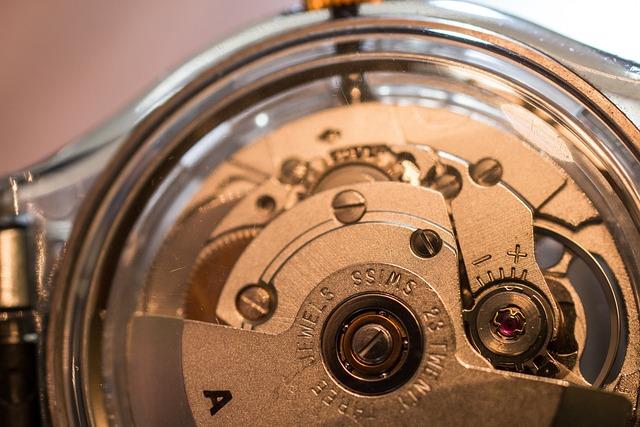
When it comes to mechanical watches, there are several key components that work together to keep the timepiece running smoothly and accurately. Understanding these components is essential for anyone looking to set their mechanical watch correctly. Here are some of the key components to be aware of:
- Movement: The movement is the heart of a mechanical watch and is responsible for keeping time. There are two main types of movements: automatic, which is powered by the movement of the wearer’s wrist, and manual, which must be wound by hand.
- Dial: The dial is the face of the watch and displays the time through hour markers, hands, and sometimes additional features such as date windows or subdials.
- Hands: The hands of a watch are attached to the movement and indicate the hours, minutes, and seconds. Each hand moves independently but in sync to display the correct time.
- Crown: The crown is used to set the time and date on a mechanical watch. It can also be used to wind the watch if it is a manual movement.

Setting the Time on Your Mechanical Watch
To set the time on your mechanical watch, follow these essential steps:
1. Unscrew the Crown:
Before you can set the time on your mechanical watch, you need to unscrew the crown. The crown is the small knob on the side of the watch that allows you to adjust the time. Gently pull the crown out to its furthest position to ensure you can set the time accurately.
2. Set the Time:
Once the crown is pulled out, you can begin . Turn the crown clockwise to move the hands forward and counterclockwise to move them backward. Take your time and set the hands to the correct time, ensuring they align precisely.
3. Push the Crown back in:
After you have set the time on your mechanical watch, push the crown back in gently. Make sure it is securely in place to prevent any water or dust from entering the watch. Give the crown a final twist to ensure it is tightened properly.
4. Test the Timekeeping:
To confirm that you have set the time correctly on your mechanical watch, observe the timekeeping over the next few hours. If the watch is keeping time accurately, then you have successfully set the time on your mechanical watch. If there are any issues, simply repeat the steps above to adjust the time until it is correct.
Avoid Overwinding Your Mechanical Watch
Essential Steps: How to Set Mechanical Watches
One common mistake watch enthusiasts make is overwinding their mechanical watches, which can negatively impact the watch’s movement. To avoid this issue, follow these essential steps to properly set your mechanical watch:
- Always check the power reserve of your watch before winding it. Most mechanical watches have a power reserve of 40 hours, so winding it once a day should be sufficient.
- When winding your watch, gently turn the crown clockwise in a slow and steady motion. Avoid forcing the crown as it can damage the internal components of the watch.
- Stop winding the watch once you feel resistance. Overwinding can put unnecessary strain on the mainspring, causing it to break or lose accuracy over time.
- Set the time and date on your watch by pulling the crown out to the appropriate position. Be careful not to pull or push the crown too hard, as it can damage the stem and crown assembly.

Troubleshooting Common Setting Issues
When setting a mechanical watch, it’s essential to follow a few key steps to ensure accuracy and proper functionality. One common issue that many watch owners face is not knowing how to properly set the time and date on their timepiece. To troubleshoot this issue, follow these essential steps:
– **Pull the crown out to the first position:** This will allow you to adjust the date on your watch. Turn the crown in a clockwise direction to change the date and in a counterclockwise direction to change the day of the week if applicable.
– **Pull the crown out to the second position:** This will allow you to adjust the time on your watch. Turn the crown in the desired direction to set the correct time.
– **Push the crown back in:** Once you have set the date and time, push the crown back in to its original position. Make sure it is securely pushed in to prevent any water damage to the watch.
By following these simple steps, you can easily troubleshoot any common setting issues you may encounter with your mechanical watch. Remember to take your time and be gentle when adjusting the settings to avoid damaging your timepiece.
Concluding Remarks
In conclusion, setting a mechanical watch can seem daunting at first, but by following these essential steps, you can ensure your timepiece is always running accurately and in sync with your schedule. Remember to always handle your watch with care, pay attention to the crown position, and be patient when making adjustments. By taking these simple steps, you can enjoy the precision and reliability of your mechanical watch for years to come. Keep these key takeaways in mind, and you’ll be a pro at setting your mechanical watch in no time. Thank you for reading, and happy timekeeping!
Get our latest guides, news, and insights highlighted in your Google Search & AI Overviews.