Decoded: What Does Mechanical Watch Mean?
Have you ever wondered what really sets a mechanical watch apart from other timepieces? In this article, we will decode the fascinating world of mechanical watches, exploring what makes them tick and why they continue to hold a special allure for watch enthusiasts around the globe. Whether you’re a seasoned collector or simply curious about the mechanics behind these intricate devices, join us as we unravel the mystery of the mechanical watch.
Contents
– Tips for Caring and Maintaining Your Mechanical Watch
So, you’ve invested in a beautiful mechanical watch, but now you’re wondering how to properly care for and maintain it. Fear not, we’ve got you covered with some expert tips to keep your timepiece ticking perfectly.
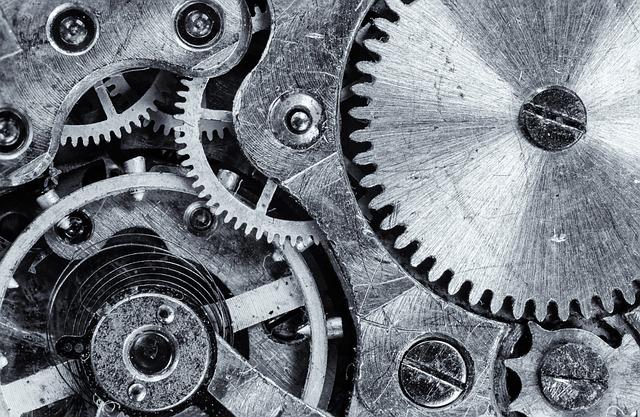
First things first, it’s important to understand what a mechanical watch actually is. Unlike quartz watches that are powered by a battery, mechanical watches are powered by a complex system of gears and springs that are wound either manually or automatically through the movement of your wrist. This intricate mechanism is what makes mechanical watches so special and desirable.
Here are some key tips to help you care for and maintain your mechanical watch:
- Regular Servicing: Make sure to have your watch serviced by a professional watchmaker every 3-5 years to ensure that it continues to function properly.
- Avoid Magnets: Keep your watch away from strong magnets as they can disrupt the movement and accuracy of the watch.
- Water Resistance: If your watch is water-resistant, make sure to have the gaskets and seals checked regularly to maintain its water resistance capabilities.
- Store Properly: When you’re not wearing your watch, store it in a cool, dry place away from direct sunlight to prevent any damage.

– Investing in Quality: The Value of Mechanical Watches
In the world of horology, a mechanical watch is often seen as the pinnacle of craftsmanship and precision. But what exactly does it mean to own a mechanical watch? Let’s decode this fascinating timepiece.
At its core, a mechanical watch is powered by a series of intricate gears, springs, and levers that work together to keep time accurately. Unlike quartz watches that rely on batteries, mechanical watches are powered by the movement of the wearer’s wrist or through manual winding.
What sets mechanical watches apart is their meticulous hand-craftsmanship and attention to detail. Every component is carefully assembled by skilled watchmakers, making each watch a truly unique piece of art.
While the price tag may be higher for a mechanical watch compared to its quartz counterpart, the value lies in its longevity and ability to be passed down through generations. Investing in a quality mechanical watch is not just about telling time – it’s about owning a piece of history and tradition.

– Choosing the Right Mechanical Watch for Your Style and Budget
When it comes to choosing the right mechanical watch for your style and budget, there are several factors to consider. Mechanical watches are known for their intricate craftsmanship and superior quality, making them a timeless accessory that can elevate any outfit. Here are some key points to keep in mind when selecting a mechanical watch:
– **Movement Type:** Mechanical watches are powered by a complex system of gears and springs, which distinguishes them from quartz watches. There are two main types of mechanical movements: manual and automatic. Manual watches require winding by hand, while automatic watches are self-winding through the motion of the wearer’s wrist.
– **Design Aesthetic:** Consider your personal style and aesthetic preferences when choosing a mechanical watch. Whether you prefer a classic, minimalist design or a more bold and statement-making timepiece, there are countless options available to suit your taste.
– **Materials and Construction:** Pay attention to the materials used in the construction of the watch case, band, and dial. High-quality materials such as stainless steel, sapphire crystal, and genuine leather will contribute to the durability and longevity of the watch.
In summary, selecting the right mechanical watch involves a balance of functionality, design, and quality. By carefully considering these factors, you can find a timepiece that not only complements your style but also fits within your budget.
To Wrap It Up
In conclusion, a mechanical watch is a timepiece that operates solely through the intricate mechanical movements of its internal components, without the use of any electronic technology. The craftsmanship and complexity involved in creating a mechanical watch contribute to its enduring appeal and timeless charm. Understanding the essence of a mechanical watch provides insight into the traditions and artistry of horology that have been cherished for centuries. So the next time you glance at a mechanical watch, remember the precision, craftsmanship, and history that make it a truly exceptional timepiece.
Get our latest guides, news, and insights highlighted in your Google Search & AI Overviews.