Essentials For A Watch Collection
The Core 5: Essentials for a Well-Rounded Watch Collection
Building a watch collection can be overwhelming. Discover the foundational categories and essential styles every watch enthusiast needs to curate a balanced and versatile collection.
Contents
Building Your Horological Foundation
Embarking on the journey of watch collecting is an exciting, albeit daunting, endeavor. With thousands of brands, historical references, and wildly differing styles available, it is incredibly easy to lose focus and end up with a disjointed watch box. You might find yourself asking: What are the absolute essentials for a watch collection?
A truly great watch collection isn’t defined by how much money is spent, but by its versatility, balance, and the intention behind each piece. The goal is to have a timepiece suitable for every occasion, from a formal gala to a weekend hike. To help you build a solid foundation, we have outlined the “Core 5” categories that serve as the essential pillars of a complete watch collection.
1. The Everyday Watch (The “GADA” Watch)
The cornerstone of any collection is the “Go Anywhere, Do Anything” (GADA) watch. This is the watch you reach for on a Tuesday morning when you don’t have the time or energy to overthink your outfit.
Characteristics of an Everyday Watch
An everyday watch needs to strike a perfect balance between robust durability and understated style. It shouldn’t be so dressy that it looks out of place with jeans and a t-shirt, nor so sporty that it can’t slide under the cuff of a button-down shirt. Key features include:
- Material: Stainless steel is ideal for its durability and versatility.
- Dial: Simple and legible. Neutral colors like black, white, silver, or navy blue work best.
- Water Resistance: At least 100 meters, allowing you to swim or shower without worry.
- Bracelet: A steel bracelet is versatile, though it should look equally good on a leather strap.
Classic Examples: Rolex Explorer I, Omega Aqua Terra, Tudor Black Bay 36, Seiko SARB033.
2. The Dive Watch
Even if you never plan on scuba diving, the dive watch is an absolute necessity in a modern watch collection. Its rugged aesthetic has defined men’s style since the 1950s.
Characteristics of a Dive Watch
Dive watches are built for extreme conditions, making them incredibly tough companions for everyday life. Their bold designs also make a fantastic statement piece.
- Bezel: A unidirectional rotating bezel used to track elapsed time (originally to track oxygen levels).
- Legibility: Large indices and hands coated in luminous material (Super-LumiNova) for reading in the dark.
- Durability: High water resistance (200m or more) and robust case construction.
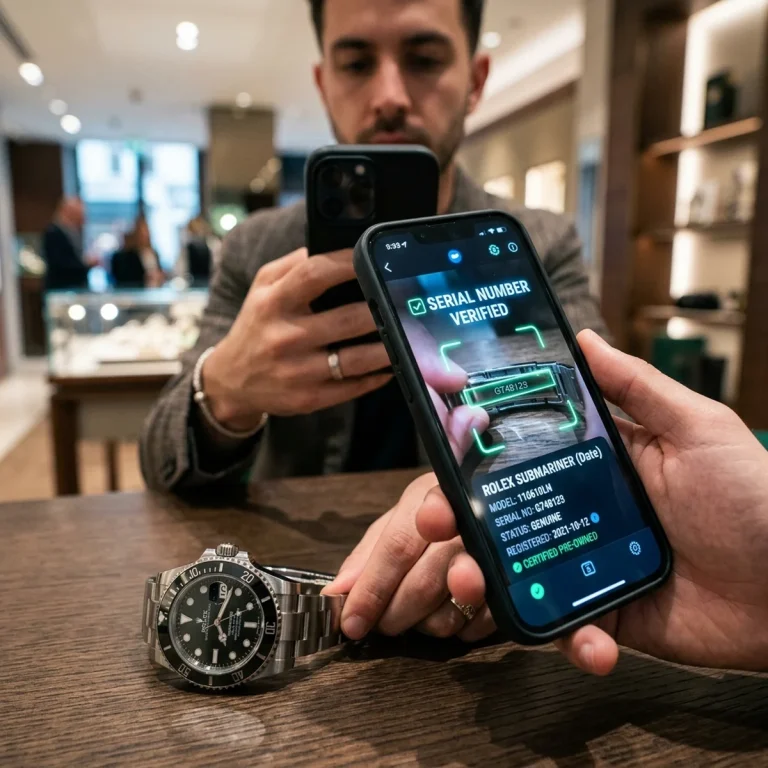
Classic Examples: Rolex Submariner, Omega Seamaster Diver 300M, Blancpain Fifty Fathoms, Seiko SKX007 (or modern Seiko Prospex equivalents).
3. The Dress Watch
There will always be occasions that demand formal attire—weddings, galas, important business meetings. Wearing a chunky dive watch with a tuxedo is a sartorial faux pas. This is where the dress watch shines.
Characteristics of a Dress Watch
A dress watch is all about elegant minimalism. It shouldn’t scream for attention; it should quietly complement your formalwear.
- Profile: Thin and sleek, allowing it to glide effortlessly under a tailored shirt cuff.
- Material: Precious metals like yellow gold, rose gold, or platinum are traditional, though polished stainless steel is perfectly acceptable.
- Dial: Clean and uncluttered. Often featuring Roman numerals or simple baton indices, without luminous paint. Complications should be minimal (time-only or a simple date).
- Strap: A high-quality leather strap (alligator, crocodile, or calfskin) typically in black or dark brown.
Classic Examples: Patek Philippe Calatrava, A. Lange & Söhne Saxonia, Cartier Tank, Orient Bambino.
4. The Chronograph
The chronograph adds a vital element of technical intrigue and mechanical complexity to your collection. Born from the need to time sporting events, aviation, and auto racing, chronographs carry a rich history of action and adventure.
Characteristics of a Chronograph
A chronograph is essentially a watch with a built-in stopwatch feature. They are inherently sporty and intricate.
- Registers: Sub-dials on the main face to track elapsed minutes and hours.
- Pushers: Buttons located on the side of the case (usually at 2 and 4 o’clock) to start, stop, and reset the timer.
- Tachymeter Scale: Often featured on the bezel, this scale is used to compute speed based on travel time or measure distance based on speed.
Classic Examples: Omega Speedmaster Professional (The Moonwatch), Rolex Cosmograph Daytona, Zenith El Primero, Breitling Navitimer.
5. The “Beater” Watch
Finally, every collection needs a watch that can take genuine abuse. When you are mowing the lawn, fixing the car, or hiking through rugged terrain, you don’t want to risk damaging your mechanical luxury pieces.
Characteristics of a Beater Watch
The primary job of a beater watch is survival. It should be tough, reliable, and entirely stress-free to wear.
- Movement: Quartz or digital movements are highly recommended here, as they are less susceptible to shock damage than mechanical movements.
- Material: Resin, titanium, or tough stainless steel cases with scratch-resistant mineral or sapphire crystals.
- Price Point: It must be affordable enough that if it gets scratched, dented, or broken, you won’t lose sleep over it.
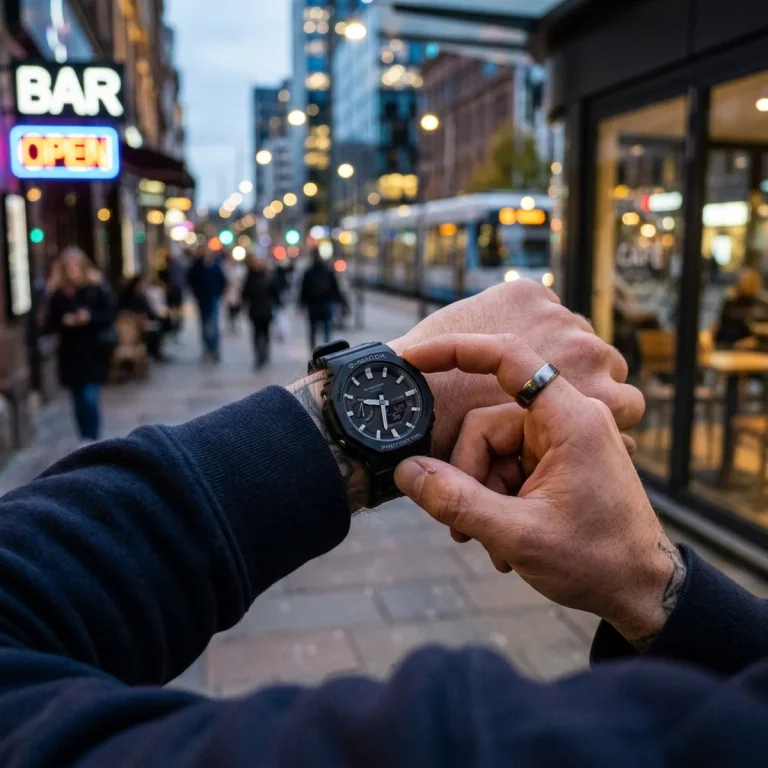
Classic Examples: Any Casio G-Shock (e.g., the classic DW5600), Timex Ironman, Citizen Promaster Tough.
Frequently Asked Questions (FAQs)
How many watches make a good collection?
There is no strict rule, but a 3-to-5 watch collection is generally considered the sweet spot for versatility without creating overwhelming choices. A 3-watch collection might include an Everyday watch, a Dress watch, and a Dive/Sport watch.
What should be my first luxury watch?
Your first luxury watch should ideally be an “Everyday” (GADA) watch or a versatile Dive watch. Models like the Omega Seamaster Aqua Terra or a Tudor Black Bay offer robust build quality, excellent movements, and styling that works in 90% of daily situations.
Do I need a watch winder for my collection?
Watch winders are convenient for keeping automatic watches running when not being worn, particularly those with complex calendar complications that are tedious to reset. However, they are not strictly necessary. Allowing a mechanical watch to wind down and rest when not in use is perfectly safe and can actually reduce wear on the movement.
Conclusion
Curating the perfect watch collection is a deeply personal journey that evolves over time. By focusing on these five essentials—the Everyday Watch, the Diver, the Dress Watch, the Chronograph, and the Beater—you ensure that your collection is grounded in versatility, history, and practicality. Start with the category that fits your daily lifestyle the best, and slowly build your horological arsenal from there. Happy collecting!
Get our latest guides, news, and insights highlighted in your Google Search & AI Overviews.