Swiss Made Replica Watches
The Truth About Swiss Made Replica Watches: A Deep Dive into “Super Clones”
The luxury watch market is booming, and with the skyrocketing demand for iconic timepieces from brands like Rolex, Patek Philippe, and Audemars Piguet, a shadow industry has grown alongside it. A quick internet search will yield countless websites claiming to sell swiss made replica watches. These sites promise the exact look, feel, and weight of a $15,000 luxury timepiece for a fraction of the cost. But what exactly are these watches? Are they truly made in Switzerland, and more importantly, are they worth your hard-earned money?
The world of counterfeit horology has evolved far beyond the cheap, battery-powered knockoffs sold on city street corners. Today’s illicit market is dominated by highly sophisticated “Super Clones” that boast mechanical movements, sapphire crystals, and premium steel. In this comprehensive guide, we will unpack the reality behind the marketing buzzwords, explore the ethical implications, and compare these high-end fakes to authentic luxury watches.
Contents
What Does “Swiss Made Replica” Actually Mean?
The first and most important truth to uncover is a matter of geography. The term swiss made replica watches is almost entirely a marketing fabrication designed to trick buyers into believing they are purchasing a high-quality product manufactured in Europe. In reality, over 99% of all replica watches are manufactured in underground, unregulated factories in China, predominantly in the Guangdong province.
So, why do counterfeiters use the term “Swiss Made”? It usually refers to the movement inside the watch. In the past, high-end replicas were fitted with genuine Swiss ETA mechanical movements (such as the ETA 2824-2 or 7750 chronograph) to provide reliable timekeeping. Today, due to the Swatch Group restricting the sale of ETA movements, counterfeiters use Asian clones of these Swiss movements (like the Seagull ST2130 or the PT5000). The sellers label the watches as “Swiss Replicas” to justify price tags that can range from $500 to over $1,200.
The Rise of the “Super Clone”
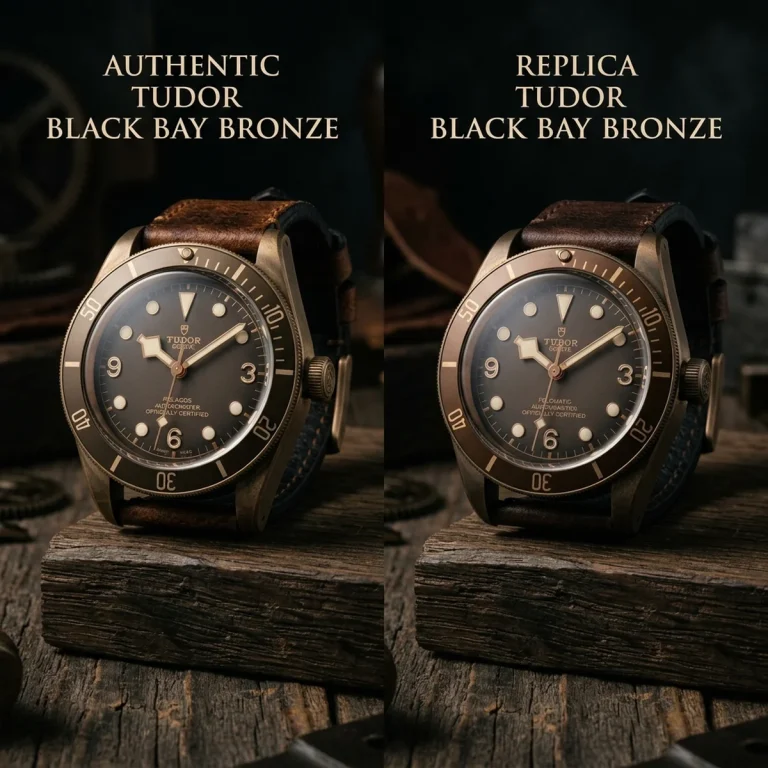
If you dive into replica watch forums on platforms like Reddit, you will frequently encounter the term “Super Clone” or “1:1 Replica.” This represents the pinnacle of the counterfeit market. The factories producing these watches purchase genuine luxury timepieces, completely dismantle them, and use highly advanced CNC machinery and 3D scanning to reverse-engineer every single component.
Cloned Movements
Modern Super Clones don’t just copy the exterior of the watch; they copy the proprietary movements. For example, a high-end replica of a Rolex Submariner might feature an Asian SA3135 movement. When the case back is opened, the movement looks virtually identical to an authentic Rolex caliber 3135, complete with red reversing wheels and engraved bridges. However, the metallurgy and finishing tolerances are vastly inferior to the genuine article.
Material Upgrades
To achieve the “1:1” feel, top-tier replica factories now use 904L stainless steel (the exact alloy used by Rolex, which is more corrosion-resistant than standard 316L steel), genuine scratch-resistant sapphire crystals, and high-quality ceramic bezels with platinum-sputtered numerals.
The Legal and Ethical Implications of Buying Replicas
While wearing a watch that looks like a luxury piece for a tenth of the price might seem harmless, the reality of the replica watch industry is deeply problematic.
- Legality and Customs: In almost every country, the manufacturing, selling, and importing of counterfeit goods bearing trademarked logos is illegal. If customs officials intercept a replica watch in the mail, it will be seized and destroyed, and the buyer loses their money entirely.
- Funding Illicit Activities: The counterfeit watch trade is not run by passionate watchmakers. It is operated by organized crime syndicates. Profits from fake watches are frequently linked to the funding of human trafficking, drug cartels, and other severe criminal enterprises.
- Intellectual Property Theft: Luxury watch brands spend millions of dollars and decades of research developing their designs, movements, and brand heritage. Buying a counterfeit is a direct endorsement of intellectual property theft.
Swiss Made Replica Watches vs. Genuine Luxury Timepieces
If a Super Clone looks exactly like the real thing, why should someone spend $10,000 on the authentic watch? The differences become painfully obvious once you look past the dial.
Quality Control and Water Resistance
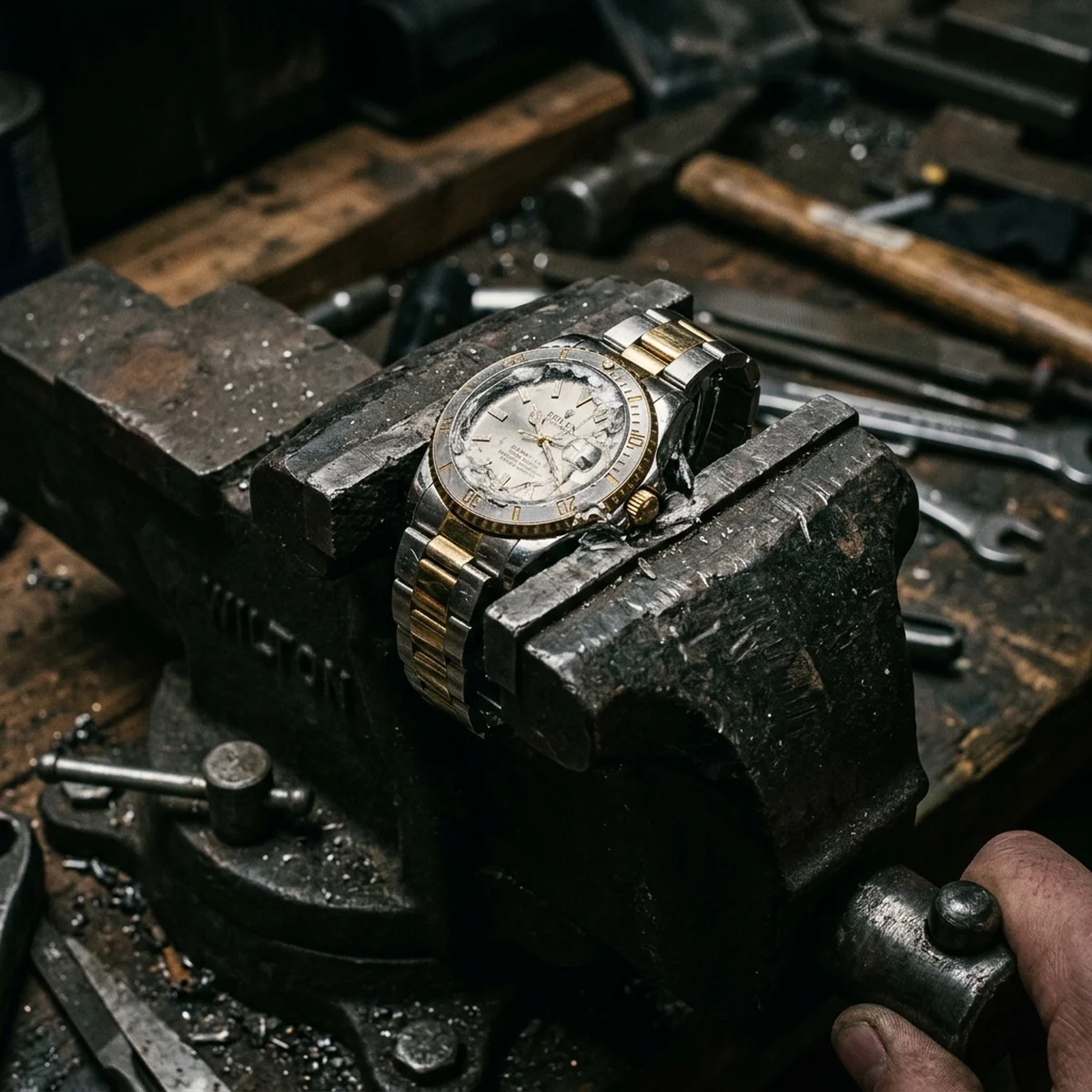
An authentic luxury dive watch is pressure-tested in specialized chambers to guarantee its water resistance to 300 meters or more. A replica factory has zero quality control standards. You could buy a $600 replica Submariner, jump into a swimming pool, and immediately flood the movement because the factory forgot to grease the rubber O-ring gasket. There are no warranties or guarantees in the black market.
Value Retention and Investment
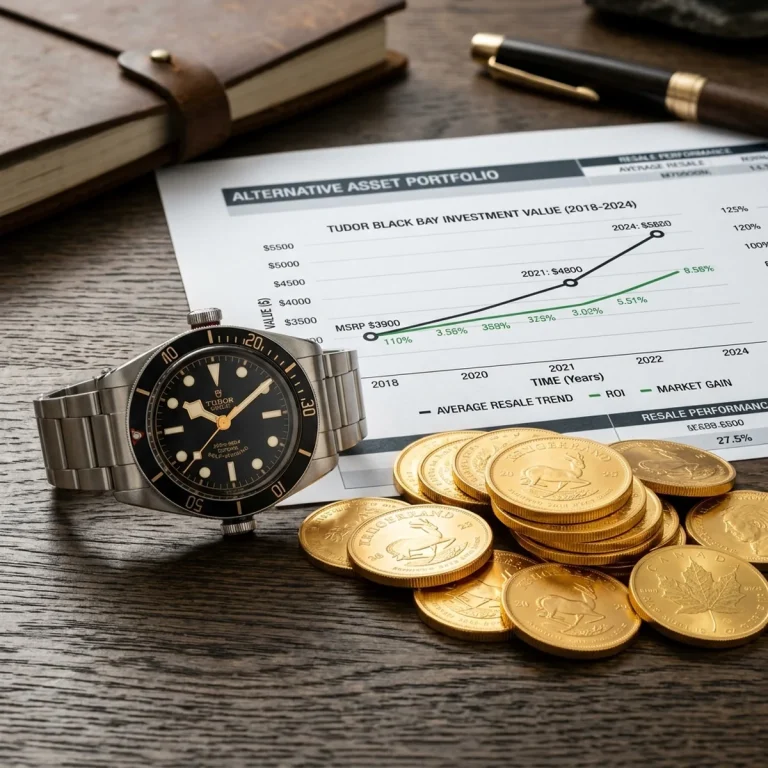
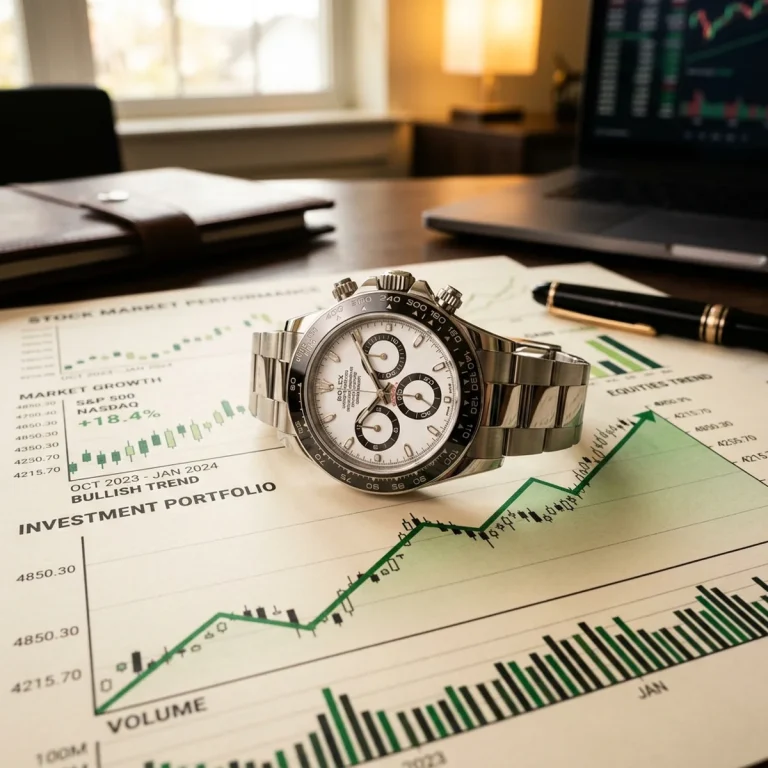
Authentic luxury watches from brands like Rolex, Omega, or Patek Philippe are physical assets. They retain their value incredibly well, and many models actually appreciate over time. A replica watch has zero intrinsic value. The moment you buy it, your money is gone forever.
The Feeling of Ownership
True watch enthusiasts understand that buying a luxury timepiece is about celebrating milestones, appreciating micro-engineering, and wearing a piece of horological history. Wearing a fake watch carries a psychological weight; you, as the wearer, will always know it is a counterfeit, which completely hollows out the pride of ownership.
Better Alternatives to Replica Watches
If you love the aesthetic of iconic luxury watches but don’t have the budget for the real thing, you don’t need to resort to illegal fakes. The watch industry offers fantastic legal alternatives:
Homage Watches
Homage brands create watches that look very similar to iconic designs but use their own branding, logos, and off-the-shelf movements. Brands like Steinhart, San Martin, and Squale offer incredible build quality, reliable Swiss or Japanese movements, and fully backed warranties for a few hundred dollars.
Entry-Level Authentic Swiss
If you genuinely want a watch made in Switzerland with real heritage, look toward the entry-level luxury market. Brands like Tissot, Hamilton, Certina, and Glycine offer spectacular automatic watches with true Swiss pedigree for the exact same price you would pay for a black-market Super Clone.
Frequently Asked Questions (FAQ)
Can jewelers tell if a watch is a Super Clone replica?
Yes. While an untrained eye might be fooled by a high-end replica on the wrist, a professional watchmaker or jeweler will immediately spot a fake upon closer inspection under a loupe or by opening the case back. The finishing on the movement gears and the precision of the hands will always reveal a counterfeit.
Are “Swiss Replicas” actually made in Switzerland?
No. The term is purely a marketing gimmick used by illegal sellers. Virtually all replica watches are manufactured in Asia.
Is it illegal to own a replica watch?
In most countries, like the United States, simply owning or wearing a replica watch is not a crime. However, the act of selling them or importing them is a federal offense.
In conclusion, while the allure of swiss made replica watches is understandable, the reality of the market is fraught with poor quality control, zero value retention, and severe ethical concerns. By choosing legitimate homage brands or entry-level Swiss timepieces, you can enjoy beautiful horology without supporting the illicit counterfeit trade.
Get our latest guides, news, and insights highlighted in your Google Search & AI Overviews.