Explore Timeless Style: Automatic vs Non-Automatic Watch Comparisons
When it comes to timeless style, few accessories make as bold a statement as a classic wristwatch. In the world of horology, the debate between automatic and non-automatic watches has long been a topic of discussion among enthusiasts. In this article, we will delve into the key differences between these two types of timepieces, helping you make an informed decision on which style suits your personality and lifestyle. So, grab your favorite brew and join us as we explore the fascinating world of automatic versus non-automatic watches.
Contents
- Explore the World of Timeless Style
- Automatic Watch vs Non-Automatic Watch: What Sets Them Apart
- Key Differences in Functionality and Maintenance
- Choosing the Right Watch Movement for Your Lifestyle
- Comparing the Design and Craftsmanship of Automatic and Non-Automatic Watches
- The Investment Value of Automatic Watches
- Understanding the Pros and Cons of Each Watch Type
- Automatic Watches:
- Non-Automatic Watches:
- Tips for Maintaining and Caring for Your Timepiece
- Making a Confident Decision: Finding Your Perfect Timepiece
- Concluding Remarks
Explore the World of Timeless Style
When it comes to choosing a watch that exudes timeless style, one of the key decisions to make is whether to opt for an automatic or non-automatic timepiece. Both options offer their own unique features and benefits, so it’s important to understand the differences between the two before making your choice.
<h2>Automatic Watches:</h2>

<ul>

    <li>Powered by the motion of the wearer's wrist</li>

    <li>Do not require a battery</li>

    <li>Often have a sweeping second hand motion</li>

    <li>Considered a more traditional and luxurious choice</li>

</ul>


<h2>Non-Automatic Watches:</h2>

<ul>

    <li>Powered by a battery</li>

    <li>Require regular battery replacements</li>

    <li>Generally have a ticking second hand motion</li>

    <li>Can be more affordable and low-maintenance</li>

</ul>


<p>Ultimately, the choice between an automatic and non-automatic watch comes down to personal preference and lifestyle. Some may prefer the craftsmanship and history of an automatic watch, while others may appreciate the convenience and reliability of a non-automatic option. Whichever you choose, both types of watches can add a touch of sophistication and style to any outfit.</p>
Automatic Watch vs Non-Automatic Watch: What Sets Them Apart
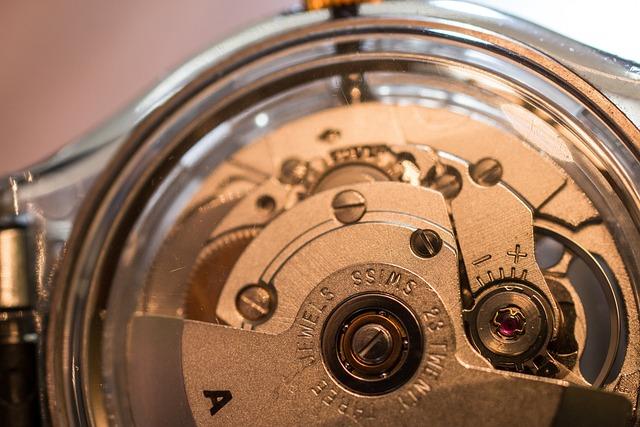
When it comes to choosing between an automatic watch and a non-automatic watch, one of the key factors to consider is the mechanism that powers them. Automatic watches are known for their self-winding mechanism, which means they do not require a battery to operate. Instead, they harness the natural motion of the wearer’s wrist to keep the watch running. On the other hand, non-automatic watches rely on batteries to keep time accurately.
Another important distinction between automatic and non-automatic watches is their craftsmanship and complexity. Automatic watches are often handcrafted with intricate movements and components, making them a favorite among watch enthusiasts. Non-automatic watches, while still meticulously crafted, tend to be simpler in design and functionality.
When it comes to maintenance, automatic watches may require more upkeep compared to non-automatic watches. This is due to the delicate nature of the intricate mechanics inside automatic watches. On the other hand, non-automatic watches are generally easier to maintain and service, as they do not have as many moving parts.
In summary, the choice between an automatic watch and a non-automatic watch ultimately comes down to personal preference and lifestyle. Whether you prefer the timeless elegance of an automatic watch or the practicality of a non-automatic watch, both options offer unique features that cater to different tastes and needs.

Key Differences in Functionality and Maintenance
In terms of functionality and maintenance, automatic watches and non-automatic watches have key differences that may influence your buying decision. Automatic watches, also known as self-winding watches, operate through the movement of the wearer’s wrist. This means they do not require manual winding, making them a convenient choice for those who want a watch that keeps ticking without effort.
On the other hand, non-automatic watches require manual winding to keep accurate time. This type of watch may need to be wound daily or every couple of days, depending on the specific model. While some prefer the ritual of winding their watch, others may find it cumbersome or easily forgotten. This is a crucial aspect to consider when choosing between the two types.
When it comes to maintenance, automatic watches may require more attention due to their intricate internal mechanisms. Regular servicing is recommended to keep the watch in optimal condition, which can add to the overall cost of ownership. Non-automatic watches, on the other hand, tend to be simpler in design and may require less maintenance over time.
In conclusion, the choice between automatic and non-automatic watches ultimately comes down to personal preference and lifestyle. Consider how important convenience and maintenance are to you, as well as your budget, before making a decision. Whether you opt for the classic charm of an automatic watch or the simplicity of a non-automatic watch, both types offer timeless style that can elevate any outfit.
Choosing the Right Watch Movement for Your Lifestyle
When choosing a watch, one of the most important decisions you’ll make is selecting the right movement for your lifestyle. Whether you opt for an automatic or non-automatic watch, each type has its own unique characteristics and benefits that cater to different preferences and needs.
- Automatic Movement:
- Non-Automatic Movement:
| Movement | Advantages |
|---|---|
| Self-winding | Does not require battery replacement |
| Precision | Offers accurate timekeeping |
| Elegance | Provides a sophisticated touch to your outfit |
| Movement | Advantages |
|---|---|
| Battery-powered | Low maintenance |
| Affordability | Generally lower cost compared to automatic watches |
| Durability | Resilient and reliable for everyday wear |
Consider your lifestyle, preferences, and budget when choosing between automatic and non-automatic watches to find the perfect timepiece that suits your style and needs.

Comparing the Design and Craftsmanship of Automatic and Non-Automatic Watches
When it comes to , there are several key factors to consider. Both types of watches have their own unique characteristics that appeal to different preferences and lifestyles.
Design:
- Automatic watches often feature intricate movements that are visible through a transparent case back, adding a touch of sophistication to the overall design.
- Non-automatic watches tend to have a more traditional and classic look, with a focus on simplicity and elegance.
Craftsmanship:
- Automatic watches are typically hand-crafted with precision and attention to detail, making them a favorite among watch enthusiasts.
- Non-automatic watches are also well-crafted, with a focus on reliability and durability, making them a practical choice for everyday wear.
| Feature | Automatic Watches | Non-Automatic Watches |
| Movement | Self-winding movement | Battery-powered movement |
| Design | Intricate and sophisticated | Classic and elegant |
| Craftsmanship | Precision and attention to detail | Reliability and durability |

The Investment Value of Automatic Watches
When looking at , it’s essential to consider the craftsmanship and engineering that goes into creating these timepieces. Automatic watches, also known as self-winding watches, have a mechanical movement that winds itself as you move your wrist throughout the day. This intricate design not only adds a level of sophistication to your style but also increases the overall value of the watch.
One of the key benefits of investing in an automatic watch is its longevity. With proper care and regular servicing, an automatic watch can last a lifetime and even be passed down through generations. This longevity adds to the investment value of the watch as it becomes a timeless piece that holds sentimental and monetary value.
Additionally, automatic watches often retain their value or even appreciate over time, making them a smart investment choice for collectors and watch enthusiasts. The craftsmanship, brand reputation, and limited edition releases all play a role in determining the value of an automatic watch in the secondary market.
- Craftsmanship and engineering add value to automatic watches
- Longevity and durability make automatic watches a timeless investment
- Automatic watches often retain or appreciate in value over time

Understanding the Pros and Cons of Each Watch Type
When it comes to choosing a watch, one of the major decisions you’ll face is whether to go for an automatic or non-automatic watch. Each type has its own unique features and benefits, so it’s important to understand the pros and cons of each.
Automatic Watches:
- Pros:
- Self-winding mechanism powered by wrist movements
- No need for batteries
- Highly accurate timekeeping
- Cons:
- More expensive than non-automatic watches
- Require regular maintenance to keep them running smoothly
- May lose time if not worn regularly
Non-Automatic Watches:
- Pros:
- Quartz movement for precise timekeeping
- More affordable than automatic watches
- Low maintenance required
- Cons:
- Depend on batteries that need to be replaced
- Less traditional appeal compared to automatic watches
- May not have the same craftsmanship and intricate inner workings

Tips for Maintaining and Caring for Your Timepiece
When it comes to maintaining and caring for your timepiece, there are a few key tips to keep in mind to ensure its longevity and functionality. Whether you have an automatic or non-automatic watch, proper care is essential to keep it running smoothly and looking its best. Below are some useful guidelines to help you take care of your beloved timepiece.
- Clean Regularly: Regularly clean your watch with a soft, lint-free cloth to prevent dirt and grime buildup.
- Store Properly: When not in use, store your watch in a cool, dry place away from moisture and extreme temperatures.
- Service Periodically: It is recommended to service your watch every 3-5 years by a professional watchmaker to keep it in top condition.
Whether you have an automatic or non-automatic watch, following these maintenance tips will help ensure that your timepiece remains in excellent working condition for years to come.

Making a Confident Decision: Finding Your Perfect Timepiece
When it comes to choosing the perfect timepiece, there are a few key factors to consider. One of the main decisions you’ll need to make is whether to go with an automatic or non-automatic watch. Both options have their own unique qualities, so it’s important to understand the differences between the two before making your final decision.
Automatic Watches:
- Powered by the movement of your wrist
- Do not require a battery
- Often seen as a symbol of luxury and craftsmanship
- Known for their smooth sweeping second hands
Non-Automatic Watches:
- Require regular winding or battery changes
- Generally more affordable than automatic watches
- Offer precise timekeeping
- Wide range of styles and designs available
| Feature | Automatic Watch | Non-Automatic Watch |
|---|---|---|
| Power Source | Movement of Wrist | Battery/Winding |
| Cost | Higher | Lower |
| Second Hand Movement | Smooth Sweep | Tick-Tock |
| Design Options | Limited | Varied |
Concluding Remarks
In conclusion, choosing between an automatic and non-automatic watch ultimately comes down to personal preference and priorities. While automatic watches offer a sense of tradition and craftsmanship, non-automatic watches provide convenience and precision. Consider your lifestyle, budget, and aesthetic preferences when deciding which type of watch suits you best. Remember, the most important thing is to choose a watch that reflects your own timeless style and personality. Happy shopping!
Get our latest guides, news, and insights highlighted in your Google Search & AI Overviews.