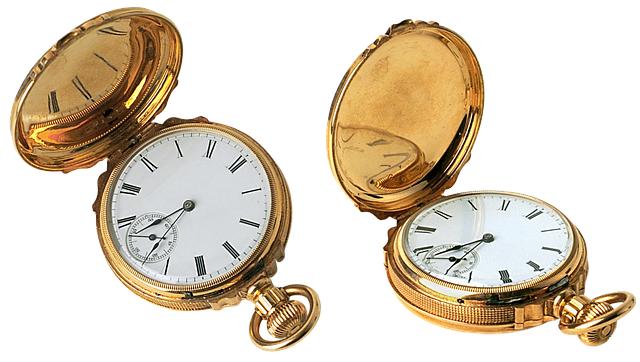
How Do Mechanical Hand Wind Watches Work? Essential Insights
Mechanical hand wind watches have been cherished for centuries for their intricate design and timeless appeal. But have you ever stopped to wonder how these marvels of craftsmanship actually work? In this article, we’ll unravel the mysteries of mechanical hand wind watches, providing you with essential insights into their inner workings. So sit back, relax, and prepare to deepen your understanding of these fascinating timepieces.
Contents
- How Mechanical Hand Wind Watches Operate
- Components and Functions of Mechanical Hand Wind Watches
- Key Mechanisms Behind Mechanical Hand Wind Watches
- The Benefits of Hand Winding Your Watch Regularly
- Understanding the Power Reserve in Mechanical Hand Wind Watches
- Proper Maintenance and Care Tips for Mechanical Hand Wind Watches
- Choosing the Right Hand Wind Watch for Your Style and Needs
- Exploring the History and Heritage of Mechanical Hand Wind Watches
- Common Misconceptions About Mechanical Hand Wind Watches
- Comparing Mechanical Hand Wind Watches to Automatic and Quartz Watches
- Closing Remarks
How Mechanical Hand Wind Watches Operate
Mechanical hand wind watches are fascinating timepieces that operate purely on mechanical movements without the need for batteries or electricity. These watches are powered by the winding of a mainspring, which stores energy and drives the gears that move the hands of the watch. Understanding how mechanical hand wind watches work can provide valuable insights into the intricate craftsmanship and engineering behind these classic timepieces.
Here are essential insights into :
Manual Winding: To power a mechanical hand wind watch, the wearer must manually wind the crown located on the side of the watch. By turning the crown in a clockwise direction, the mainspring is wound up, storing potential energy that will be released gradually to keep the watch running.
Regulating Mechanism: Inside the watch, a series of gears and wheels regulate the release of energy from the mainspring to the escapement, which controls the movement of the watch hands. The balance wheel oscillates back and forth, allowing the hands to move at a consistent rate.
- Maintenance: Mechanical hand wind watches require regular winding to keep them running accurately. Overwinding can damage the watch, so it is essential to follow the manufacturer’s recommendations for winding intervals. Additionally, periodic servicing by a skilled watchmaker is necessary to ensure the watch continues to operate smoothly for years to come.
In conclusion, mechanical hand wind watches are timeless pieces of art that rely on intricate mechanical movements to keep time. By understanding the inner workings of these watches, one can truly appreciate the craftsmanship and precision that goes into creating these mechanical marvels.

Components and Functions of Mechanical Hand Wind Watches
Mechanical hand wind watches are a marvel of engineering, with several components working seamlessly together to keep time accurately. The main components of these watches include the mainspring, gear train, escapement mechanism, and the balance wheel. The mainspring is responsible for storing energy, which is released gradually to power the watch. The gear train transmits this energy through a series of gears, while the escapement mechanism regulates the release of energy to the gear train. Finally, the balance wheel oscillates back and forth, ensuring the accurate measurement of time.
One fascinating aspect of mechanical hand wind watches is the intricate movements of the gears and springs, all working in harmony to keep time ticking. As you wind the crown of the watch, you are essentially winding the mainspring, storing energy to power the watch. This manual winding process is not only functional but also provides a tactile connection to the watch, creating a unique experience for the wearer.
The function of mechanical hand wind watches goes beyond just telling time. These timepieces embody craftsmanship, precision, and a connection to the art of watchmaking. Each component plays a crucial role in the overall functioning of the watch, creating a symphony of movement that is both mesmerizing and reliable. With proper care and maintenance, a mechanical hand wind watch can last for generations, becoming a cherished heirloom passed down through the years.
Key Mechanisms Behind Mechanical Hand Wind Watches
Mechanical hand wind watches are powered by the energy generated through winding the crown of the watch manually. Unlike automatic watches that are powered by the movement of the wearer’s wrist, hand wind watches require manual winding to keep them running. The key mechanisms behind these watches involve intricate components that work together to ensure accurate timekeeping:
Main Spring: The main spring is the primary source of energy in a hand wind watch. When the crown is wound, the main spring is tightened, storing potential energy that is released gradually to power the watch.
Gear Train: The gear train transmits the energy from the main spring to the escapement, regulating the release of energy to ensure consistent timekeeping.
Escapement: The escapement is a crucial component that controls the release of energy from the main spring in precise increments. It consists of the pallet fork and escape wheel, allowing the gear train to advance at regular intervals.
- Balance Wheel: The balance wheel oscillates back and forth, controlling the movement of the gear train and providing the necessary impulse to keep the watch ticking accurately. It is crucial for maintaining the watch’s timekeeping accuracy.
In summary, the intricate mechanisms inside a mechanical hand wind watch work together seamlessly to ensure precise timekeeping through manual winding of the crown. These watches are a testament to traditional watchmaking craftsmanship and continue to be cherished by watch enthusiasts for their timeless appeal.
The Benefits of Hand Winding Your Watch Regularly
Hand winding your mechanical watch regularly has numerous benefits that can help ensure the longevity and accuracy of your timepiece. By engaging in this simple practice, you can enjoy the following advantages:
- Improved Timekeeping: Hand winding your watch regularly helps to keep the mainspring at optimal tension, leading to more accurate timekeeping.
- Prevents Stagnation: Regularly winding your watch prevents the lubricants from hardening and helps to keep the movement running smoothly.
- Enhanced Power Reserve: Hand winding your watch ensures that the mainspring is fully wound, providing you with a longer power reserve.
| Benefit | Description |
| Improved Timekeeping | Hand winding keeps the mainspring at optimal tension for accuracy. |
| Prevents Stagnation | Regular winding prevents lubricants from hardening and movement issues. |
| Enhanced Power Reserve | Full winding means longer power reserve for your watch. |
Overall, hand winding your watch regularly not only benefits the timekeeping and performance of your timepiece but also ensures that it remains in excellent working condition for years to come.

Understanding the Power Reserve in Mechanical Hand Wind Watches
One of the fascinating aspects of mechanical hand wind watches is the power reserve feature, which indicates how much longer the watch can run without being wound again. Understanding the power reserve can help you manage the maintenance of your watch and ensure it continues to function smoothly.
The power reserve in mechanical hand wind watches works by storing energy in a mainspring through manual winding. When you wind the watch, you tighten the mainspring, which then slowly releases energy to power the movement of the watch. The power reserve indicates the amount of energy remaining in the mainspring before it needs to be wound again.
Having a longer power reserve can be beneficial for those who may not wear their watch every day, as it allows the watch to keep accurate time even when not in use. It is recommended to wind your mechanical hand wind watch regularly to ensure the mainspring is fully charged and the power reserve is maximized.
Overall, is essential for maintaining the functionality and accuracy of your timepiece. By paying attention to the power reserve and winding your watch regularly, you can enjoy the craftsmanship and reliability of a mechanical hand wind watch for years to come.
Proper Maintenance and Care Tips for Mechanical Hand Wind Watches
When it comes to preserving the longevity and performance of your mechanical hand wind watch, proper maintenance and care are essential. Here are some tips to help you keep your timepiece in top condition:
- Wind Regularly: To ensure smooth operation, make sure to wind your watch regularly, preferably at the same time each day.
- Avoid Over-Winding: Be careful not to over-wind your watch, as this can cause damage to the movement.
- Store Properly: When you’re not wearing your watch, store it in a cool, dry place away from direct sunlight and moisture.
- Get Regular Servicing: It’s important to have your watch serviced by a professional watchmaker every 3-5 years to keep it in optimal condition.
Table: Daily Maintenance Routine
| Action | Frequency |
|---|---|
| Wind the watch | Once a day |
| Check for time accuracy | Weekly |
| Polish the case | Monthly |

Choosing the Right Hand Wind Watch for Your Style and Needs
When it comes to , there are a few key factors to consider. Mechanical hand wind watches operate without the use of batteries, relying instead on manual winding to keep the watch running smoothly. Understanding how these watches work can help you make an informed decision when selecting the perfect timepiece.
One essential insight to keep in mind is that mechanical hand wind watches feature a mainspring, which is wound by turning the crown of the watch. As the mainspring tightens, it stores energy that is slowly released to power the movement of the watch. This manual winding process allows for a more traditional and classic feel in comparison to automatic watches.
Additionally, mechanical hand wind watches often have a longer power reserve than automatic watches, meaning they can typically run for 36-48 hours on a full wind. This can be a practical feature for individuals who prefer to rotate their watches or wear them occasionally.
Overall, choosing a mechanical hand wind watch involves considering your personal style preferences, as well as how often you are willing to manually wind the watch. Whether you prioritize the connection to traditional watchmaking or simply enjoy the ritual of winding your timepiece, understanding the inner workings of these watches can guide you towards the perfect choice for your collection.

Exploring the History and Heritage of Mechanical Hand Wind Watches
The intricate mechanisms of mechanical hand wind watches have fascinated horology enthusiasts for centuries. These timepieces rely on manual winding to keep them ticking, a tradition that dates back to the 15th century. Understanding how these watches work can deepen your appreciation for their craftsmanship and heritage.
**Key Components of Mechanical Hand Wind Watches:**
– **Main Spring:** Stores energy when wound up, which powers the watch.
– **Gear Train:** Transfers energy from the main spring to the escapement.
– **Escapement:** Controls the release of energy to regulate the movement of the watch.
– **Balance Wheel:** Oscillates back and forth, ensuring accurate timekeeping.
**Winding Process:**
To wind a mechanical hand wind watch, you can either use the crown to turn the mainspring directly or utilize a dedicated key on older models. As you wind the watch, tension builds in the mainspring, storing energy to keep the timepiece running until the next winding session.
**Benefits of Mechanical Hand Wind Watches:**
– **Connection to Tradition:** Embracing the ritual of winding a watch can connect you to a bygone era.
– **Enhanced Craftsmanship:** The intricate mechanics of hand wind watches showcase the artistry of watchmaking.
– **Sustainable Timekeeping:** No need for batteries or external power sources, making them eco-friendly options.
Common Misconceptions About Mechanical Hand Wind Watches
There are several that are important to address. One of the biggest myths is that these watches are old-fashioned and outdated. In reality, mechanical hand wind watches are a timeless and elegant choice that appeal to watch enthusiasts around the world.
Another misconception is that mechanical hand wind watches are difficult to use and require constant winding. While it is true that these watches need to be wound regularly to keep them running, many people find the ritual of winding their watch to be a calming and enjoyable experience.
Some people also believe that mechanical hand wind watches are less accurate than their quartz counterparts. While quartz watches are known for their precision, mechanical hand wind watches are prized for their craftsmanship and intricate mechanics. They may require more maintenance, but the beauty of a well-made mechanical watch is unmatched.
Overall, it is important to debunk these myths and highlight the beauty and craftsmanship of mechanical hand wind watches. By understanding how these watches work and appreciating the artistry behind them, more people can enjoy the unique experience of owning and wearing a mechanical hand wind watch.

Comparing Mechanical Hand Wind Watches to Automatic and Quartz Watches
When it comes to comparing different types of watches, it’s important to understand the unique qualities of mechanical hand wind watches. These timepieces are powered by manually winding the crown, which tightens the mainspring and stores energy to keep the watch running. Here are some essential insights into how mechanical hand wind watches work:
- Mechanical hand wind watches require regular winding to maintain accuracy and power reserve.
- These watches often have a more traditional and vintage appeal, appealing to those who appreciate the artistry of watchmaking.
- The movement of a mechanical hand wind watch is intricate, with small gears and springs working together to keep time.
Compared to automatic and quartz watches, mechanical hand wind watches have a unique charm and appeal that sets them apart. The ritual of winding the watch each day can be a meditative experience for watch enthusiasts, connecting them to the craftsmanship and history of timekeeping.
Closing Remarks
In conclusion, mechanical hand-wind watches rely on manual winding to power the movement and keep accurate time. By turning the crown, the mainspring is tensioned, which in turn drives the gears and hands of the watch. Understanding the inner workings of these timepieces can help you appreciate the craftsmanship and precision involved in their design. So next time you wind your mechanical watch, you can feel a deeper connection to the intricate mechanisms ticking away on your wrist. Remember, these watches are not just timepieces, but intricately engineered pieces of art.
Get our latest guides, news, and insights highlighted in your Google Search & AI Overviews.