Geneva Mechanism in Watches: Understanding Timepiece Engineering
Have you ever wondered how mechanical watches accurately measure time with precision and elegance? One of the key components behind this ingenious technology is the Geneva mechanism. In this article, we will delve into the intricate world of timepiece engineering and unravel the mysteries behind this crucial element in watchmaking. Join us as we explore the fascinating workings of the Geneva mechanism and gain a deeper understanding of how it plays a pivotal role in keeping our watches ticking perfectly in sync.
Contents
- Overview of Geneva Mechanism in Mechanical Watches
- Functionality and Design of Geneva Mechanism in Timepieces
- Advantages and Limitations of Geneva Mechanism in Watch Engineering
- Advantages of Geneva Mechanism in Watch Engineering
- Limitations of Geneva Mechanism in Watch Engineering
- Key Components of Geneva Mechanism in Luxury Watches
- Importance of Precision and Durability in Geneva Mechanism Engineering
- Innovations and Evolutions in Geneva Mechanism Technology
- Tips for Maintaining and Caring for Watches with Geneva Mechanism
- Choosing the Right Watch with Geneva Mechanism for Your Style and Needs
- Future Outlook
Overview of Geneva Mechanism in Mechanical Watches
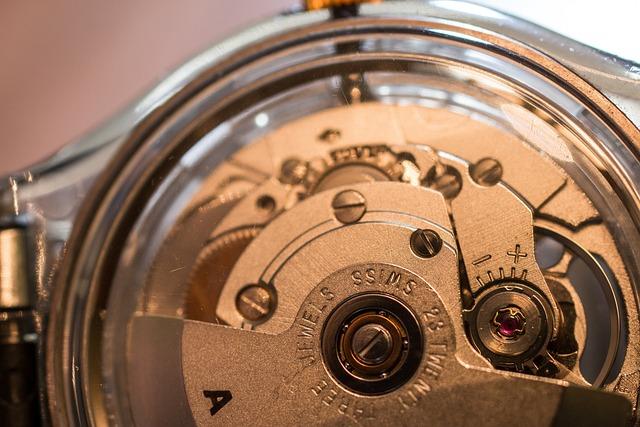
The Geneva mechanism, also known as the Maltese cross mechanism, is a widely used system in mechanical watches to control the movement of the seconds hand. This intricate mechanism is crucial in ensuring precise timekeeping in timepieces. The Geneva mechanism consists of a rotating disk with pitted teeth that engage with a stationary driver pin, causing intermittent motion in the seconds hand.
One of the key features of the Geneva mechanism is its ability to provide a smooth and reliable movement to the seconds hand, creating a visually pleasing ticking motion that is synonymous with traditional mechanical watches. The careful design and engineering of this mechanism make it an essential component in high-quality watchmaking.
In addition to its functional benefits, the Geneva mechanism also adds a level of craftsmanship and sophistication to mechanical watches. The precision required in manufacturing and assembling this mechanism speaks to the attention to detail and skill of watchmakers. It is a testament to the artistry and engineering prowess that goes into creating a fine timepiece.
Overall, the Geneva mechanism plays a vital role in the operation and aesthetic appeal of mechanical watches, showcasing the intricate world of timepiece engineering and design.

Functionality and Design of Geneva Mechanism in Timepieces
The Geneva Mechanism is a key component in the intricate engineering of timepieces, particularly in watches. This mechanism is responsible for the precise intermittent motion that drives the hands on the watch dial, allowing for accurate timekeeping. Understanding the functionality and design of the Geneva Mechanism is essential for appreciating the craftsmanship behind these intricate timepieces.
Functionality:
- The Geneva Mechanism consists of a rotating drive wheel with a raised circular hub and an oscillating driven wheel with a series of radial slots.
- As the drive wheel rotates, the raised hub engages with one of the slots on the driven wheel, causing it to move forward in a sudden, precise motion.
- This intermittent motion is what translates into the smooth and accurate movement of the hands on the watch dial, ensuring that the time is displayed correctly.
Design:
- The design of the Geneva Mechanism is elegant and efficient, with minimal moving parts to reduce friction and wear.
- The precision of the mechanism is achieved through careful calculations of the size and spacing of the hub and slots, allowing for consistent and reliable operation.
- The design of the Geneva Mechanism showcases the ingenuity and attention to detail that watchmakers put into creating timepieces that are not only functional but aesthetically pleasing as well.
In conclusion, the Geneva Mechanism is a crucial element in the engineering of watches, providing the precise and reliable motion that is essential for accurate timekeeping. Understanding the functionality and design of this mechanism can deepen your appreciation for the craftsmanship and artistry that goes into creating these timeless pieces.
Advantages and Limitations of Geneva Mechanism in Watch Engineering
Advantages of Geneva Mechanism in Watch Engineering
The Geneva mechanism, also known as the Maltese cross mechanism, is widely used in watch engineering for its precision and reliability. Some of the key advantages of this mechanism include:
- Accurate timekeeping: Geneva mechanisms are known for providing precise movement, resulting in accurate timekeeping for the watch.
- Simple design: The mechanism is relatively simple in design, making it easier to manufacture and maintain.
- Smooth operation: The Geneva mechanism ensures smooth and consistent movement of the watch hands, enhancing the overall user experience.
Limitations of Geneva Mechanism in Watch Engineering
While the Geneva mechanism offers several advantages, it also has some limitations that watchmakers need to consider:
- Complex assembly: Despite its simple design, the Geneva mechanism can be complex to assemble, requiring precision and expertise.
- Limited functionality: The mechanism may not be suitable for watches with advanced features, such as chronographs or moonphase displays.
- Cost: The precision and craftsmanship required to implement the Geneva mechanism can result in higher production costs for watches.
Key Components of Geneva Mechanism in Luxury Watches
The Geneva Mechanism, also known as the Geneva Drive, is a key component in luxury watches that plays a crucial role in keeping accurate time. This intricate mechanism is responsible for the smooth and precise movement of the watch hands, ensuring that every second is accounted for with precision.
One of the main components of the Geneva Mechanism is the Geneva wheel, a uniquely shaped disc with equally spaced slots that work in tandem with the driving pin to advance the movement of the watch hands. The precision and craftsmanship required to create these components are what set luxury watches apart from their counterparts.
Another essential component of the Geneva Mechanism is the driving pin, a small metal pin that engages with the Geneva wheel to create the controlled movement of the watch hands. This pin is meticulously designed and machined to ensure seamless interaction with the Geneva wheel, providing the smooth and accurate timekeeping that luxury watches are known for.
In luxury watches, attention to detail is key, and the Geneva Mechanism is a shining example of the meticulous engineering that goes into creating these timepieces. The precision and craftsmanship required to design and manufacture each component of this mechanism are what make luxury watches a true work of art.
Importance of Precision and Durability in Geneva Mechanism Engineering
In the intricate world of watchmaking, precision and durability play a crucial role in the engineering of Geneva mechanisms. These mechanisms, also known as Geneva drives or Maltese crosses, are used to provide intermittent rotary motion in devices such as watches. The precise movement of these mechanisms ensures accurate timekeeping, while their durability guarantees longevity and reliability.
Geneva mechanisms consist of a gear with a specially shaped drive pin that advances the wheel one step at a time. The precision of these movements is essential for accurately tracking time down to the smallest fraction of a second. Engineers meticulously design and manufacture Geneva mechanisms to ensure smooth and consistent operation, allowing the watch to function flawlessly.
Furthermore, the durability of Geneva mechanisms is paramount in ensuring the longevity of a timepiece. These mechanisms undergo rigorous testing to withstand the wear and tear of daily use, ensuring that the watch continues to operate smoothly for years to come. With the right combination of precision and durability, watchmakers can create timepieces that are not only accurate but also reliable and long-lasting.

Innovations and Evolutions in Geneva Mechanism Technology
Geneva Mechanism technology has been an integral part of watchmaking for centuries, providing precise and reliable movement in timepieces. As technology continues to evolve, innovations in Geneva Mechanism technology have led to even more accurate and efficient timepiece engineering.
One of the key advancements in Geneva Mechanism technology is the use of advanced materials in manufacturing. High-quality materials such as stainless steel and ceramic are being used to create more durable and long-lasting components, ensuring that watches equipped with Geneva Mechanisms stand the test of time.
Furthermore, advancements in digital modeling and computer-aided design have allowed manufacturers to fine-tune the intricate workings of Geneva Mechanisms, resulting in smoother and more precise movements. This level of precision is crucial in ensuring that watches keep accurate time and function seamlessly.
Overall, the evolution of Geneva Mechanism technology in watches continues to push the boundaries of timepiece engineering, resulting in more sophisticated and reliable watches for consumers. With ongoing advancements in materials, design, and manufacturing processes, the future of Geneva Mechanism technology in watches looks brighter than ever.

Tips for Maintaining and Caring for Watches with Geneva Mechanism
When it comes to maintaining and caring for watches with Geneva mechanism, there are a few key tips to keep in mind to ensure your timepiece stays in top condition for years to come.
- Regular Cleaning: Make sure to clean your watch regularly with a soft, dry cloth to remove any dust or dirt that may have accumulated. Avoid using harsh chemicals or abrasive materials as they can damage the delicate components of the Geneva mechanism.
- Store Properly: When not wearing your watch, store it in a cool, dry place away from direct sunlight and moisture. Consider investing in a watch box or case to protect your timepiece from dust and scratches.
- Avoid Magnetic Fields: Keep your watch away from magnetic fields such as cell phones, speakers, and magnets, as they can disrupt the movement of the Geneva mechanism and cause inaccurate timekeeping.
- Regular Servicing: It’s important to have your watch serviced by a professional watchmaker every 3-5 years to ensure that all the components of the Geneva mechanism are in good working order. This will help prevent any potential issues and extend the lifespan of your watch.

Choosing the Right Watch with Geneva Mechanism for Your Style and Needs
When it comes to choosing a watch with a Geneva mechanism, there are several factors to consider in order to find the perfect timepiece that suits your style and needs. The Geneva mechanism, also known as the Maltese cross mechanism, is a key component in many high-quality luxury watches. It provides a smooth and precise movement, making it a popular choice among watch enthusiasts.
One important factor to consider when choosing a watch with a Geneva mechanism is the design and style of the timepiece. Whether you prefer a classic and elegant look or a more modern and bold design, there are watches with Geneva mechanisms available in a variety of styles to suit your taste. Some popular watch brands known for their Geneva mechanism watches include Patek Philippe, Vacheron Constantin, and Audemars Piguet.
In addition to the design, it is important to consider the features and functions of the watch when making your decision. Some Geneva mechanism watches come with additional complications such as chronograph, moon phase, and date functions, while others focus on simplicity and elegance. Think about how you will be using the watch on a daily basis and choose a timepiece that offers the features that are most important to you.
Overall, when choosing a watch with a Geneva mechanism, it is essential to consider your personal style, preferences, and needs. By taking the time to research and compare different options, you can find a high-quality timepiece that not only looks great on your wrist but also provides reliable and accurate timekeeping for years to come.
Future Outlook
In conclusion, the Geneva mechanism plays a crucial role in the operation of mechanical watches, allowing for precise and accurate timekeeping. Understanding this intricate piece of engineering provides a deeper appreciation for the craftsmanship involved in creating timepieces. By learning about the Geneva mechanism, you can gain insight into the inner workings of a watch and the attention to detail required in its design. Keep exploring the world of timepiece engineering to further enhance your understanding of the fascinating world of watchmaking.
Get our latest guides, news, and insights highlighted in your Google Search & AI Overviews.