How to Fix a Automatic Watch: Troubleshooting Guide
Welcome, fellow watch enthusiasts, to our guide??? on how ???to wind your Seiko automatic watch properly. As horology aficionados ourselves, we understand the joy and satisfaction that comes with owning a beloved??? timepiece. Whether you’re??? a seasoned collector or new to the world of mechanical watches, we’re here ???to share??? some ???valuable tips??? and tricks to ensure your Seiko stays in prime ticking condition. So,??? grab your watch ???and let’s delve into the fascinating world of winding!
Contents
- How ???to Wind a Seiko Automatic Watch: A Comprehensive Guide
- Understanding the Mechanism of Seiko Automatic Watches
- Tips to Properly Wind Your Seiko Automatic Watch
- 1. Understand??? the Power Reserve
- 2. Manual ???vs. Automatic Winding
- 3. Wind Regularly
- 4. Be Patient and Consistent
- Knowing the Ideal Winding Time for ???Your Seiko Automatic Watch
- The Right Technique to Wind a Seiko Automatic Watch
- Avoiding Overwinding: Precautions and Best Practices
- Optimal Frequency for Winding Your Seiko Automatic Watch
- Factors to Consider When Winding ???Your ???Seiko Automatic Watch
- Expert Recommendations for??? Winding ???Your Seiko ???Automatic Watch
- Manual Winding Specific Seiko Models: Seiko 5 and DX Series
- How to Service an Automatic Watch
- Frequently Asked Questions About Winding Seiko Watches
- Frequently Asked Questions: How To Wind Seiko Automatic Watch Properly Tips And Tricks
- Concluding Remarks
- Comprehensive Collector’s Guide and Horological Analysis: How To Service An Automatic Watch
How ???to Wind a Seiko Automatic Watch: A Comprehensive Guide
There’s no??? denying the enduring??? charm of Seiko automatic watches. These ???timepieces are not??? just precision instruments, but??? also a reflection of your ???personal style. To keep your Seiko automatic watch ???running smoothly and??? accurately, it’s essential to know how to??? wind it properly. ???In this comprehensive guide, we’ll share some tips??? and tricks to help you master the art of winding your Seiko automatic watch.Understand the ???power source: Seiko automatic watches are powered by the movement of??? your wrist. The watch’s rotor ???transfers this kinetic energy to a mainspring, which ???stores the??? power needed to keep the watch ???running. Unlike quartz watches that ???require batteries, automatic watches rely on regular winding or wearing to maintain their accuracy.
Consistent winding: To ensure a consistent power supply for your Seiko automatic watch, it’s crucial to wind it regularly. Ideally, you should wind??? the watch at the same time each day to establish a routine. By winding it??? fully, you provide ???the mainspring with enough power to keep the??? watch running for approximately 24-48 hours.
The winding process: When winding your Seiko automatic watch, gently unscrew the crown (the small knob on the side of the watch) and pull it??? out to the second position. This will activate the winding function. Rotate the crown clockwise ???in a smooth??? and steady motion until you??? feel a slight resistance. Be careful not to over-wind the watch, as this can damage the delicate internal components.
- Know when to stop: So how do you know when to stop??? winding your Seiko automatic watch? Pay attention to the crown’s position. As??? you ???wind the watch, you’ll feel the crown??? becoming??? tighter. Once you??? reach a point where it ???becomes ???noticeably harder to ???rotate, stop winding. Over-winding ???can put unnecessary ???strain on the??? mechanism and affect the watch’s??? accuracy.
Remember, winding your Seiko automatic watch is not only essential for its proper functioning ???but also an opportunity to connect with this timeless piece of craftsmanship. By following these tips and tricks,??? you can ensure that your Seiko??? automatic watch remains a reliable ???companion for years to come.
Understanding the Mechanism of Seiko Automatic Watches
Seiko automatic watches are??? renowned for their exceptional ???craftsmanship and cutting-edge technology. These timepieces have a unique mechanism that allows them to self-wind ???using the natural motion of the wearer’s wrist. Understanding how to wind a Seiko automatic watch properly is essential to ensure??? its??? optimal performance and longevity. In this article, we will share some valuable tips and tricks to help you maintain your??? prized??? Seiko timepiece.Rotate the crown: The first step in winding your Seiko automatic watch is to ???locate the??? crown, which is a small knob on ???the side of the watch case. Gently unscrew or pull out the crown to??? its neutral position. Then, rotate the crown in a clockwise direction for about 30-40 turns. This will wind the mainspring and power the??? watch.
Avoid ???excessive force: Although it may??? be tempting to exert excessive??? force while winding the watch, it??? is crucial to be gentle and avoid unnecessary pressure. Seiko ???automatic watches are designed to wind smoothly and effortlessly. Applying excessive force may damage the delicate internal components, leading to unsatisfactory performance.
Consistent wear: Regularly wearing your Seiko automatic watch is ???another effective way to??? ensure ???its proper functioning. The ???natural motion of your wrist will keep the watch wound, ???eliminating the need for frequent manual winding. However, if you do not wear your watch for??? more than 48 hours, it is advisable to manually wind it to maintain accuracy.
- Set the time: After winding your Seiko automatic watch, it is essential to set the correct time. Pull ???the crown out ???to its time-setting position, then rotate it in either direction to adjust the hands accordingly.??? It is recommended to set the time in a counter-clockwise direction to avoid any potential damage. Finally, ???push the crown back to its neutral position and screw it in gently to ensure water resistance.
Properly winding ???and caring for your Seiko automatic watch will not only optimize its performance but also enhance its lifespan. By following ???these tips and tricks, you can enjoy accurate timekeeping and the timeless elegance of your ???Seiko timepiece for years to come.
Tips to Properly Wind Your Seiko Automatic Watch
Seiko ???automatic watches are renowned for their precision and reliability.??? But just like??? any other mechanical timepiece, the proper winding technique is essential to maintain its accuracy ???and performance. In this post, we will share some useful tips and ???tricks on how to wind your Seiko automatic watch ???properly.
1. Understand??? the Power Reserve
Before winding your Seiko automatic ???watch, it’s crucial to understand its power reserve.??? The power reserve is the ???length of time ???your watch can function without being wound. Most Seiko ???automatic watches have a power reserve of around 40-50 hours. So, if you haven’t worn your watch for a day or two, it’s likely that it has stopped and needs to be wound manually.
2. Manual ???vs. Automatic Winding
There are two methods to wind your Seiko automatic watch: manual winding and automatic winding. Manual winding involves turning the crown clockwise until you feel resistance, indicating that the mainspring is fully wound. On the other hand, automatic winding utilizes the natural motion of your wrist ???to wind the watch automatically. If you ???choose to manually wind your watch, be gentle and avoid applying excessive force to prevent damage to the movement.
3. Wind Regularly
To ensure your Seiko automatic watch functions accurately and operates smoothly, it’s recommended to wind it regularly. Ideally, you should wind your watch once a ???day, especially if you haven’t ???worn it for an extended period. This practice ???helps to keep the movement lubricated ???and ???prevents any internal components from drying out.
4. Be Patient and Consistent
Winding your Seiko ???automatic watch ???requires patience and consistency. Avoid rushing the process, as the delicate mechanisms inside the watch require gentle handling. Take your time while ???winding the crown and ensure each turn is deliberate and controlled. Consistency ???is also key – establish a routine and wind your watch at the ???same time every day ???to maintain optimal performance.

Knowing the Ideal Winding Time for ???Your Seiko Automatic Watch
When it comes to keeping your Seiko automatic watch running smoothly, ???understanding the ideal winding time is essential. Properly winding your watch ensures its accuracy and longevity, while maintaining its exceptional craftsmanship. Here are some tips and tricks to help you wind your Seiko automatic watch properly:
- Know Your Automatic Watch: Before winding your Seiko automatic watch, it???s important to familiarize yourself with its specific features and functions. Check the instruction manual or visit the official Seiko website for detailed information about your particular watch model.
- Winding Frequency: Seiko automatic watches are designed to be wound by the movement of your wrist during ???daily wear. However, if your watch has not ???been worn for a while or has stopped running, it may require manual winding. It is generally recommended to wind your Seiko automatic watch fully once a month to ensure optimal performance.
- Winding Technique: To wind your Seiko automatic watch properly, gently unscrew the crown (located on the side of the watch) ???until it pops out. Turn the crown clockwise in smooth, even motions, without applying excessive force. It is important not to overwind the ???watch, as this could potentially damage its delicate ???internal components. Once the desired winding time is reached, push the crown back in and screw it down firmly to secure it in place.
- Setting the Time and Date: After winding your Seiko automatic watch, you may need to adjust the time and date. This can be done by ???pulling the crown out to the desired position and turning it accordingly. Again, refer to the instruction manual for specific instructions on how to set the time and date for your particular watch model.
By following these tips and tricks, you can ensure that your Seiko automatic watch remains ???accurate and functional for years to come. Remember to handle your watch with care and avoid exposing it to extreme temperatures or strong magnetic fields, as these factors can affect its performance. Regular maintenance and servicing from??? a reputable watch specialist are also recommended to keep your Seiko automatic watch in optimal ???condition.

The Right Technique to Wind a Seiko Automatic Watch
If you’re a proud owner of a Seiko Automatic Watch, you may have wondered about the right technique to wind it properly. Winding your Seiko Automatic Watch correctly ensures its longevity and accuracy. Here are some tips and tricks to ???help you ???maintain your Seiko Automatic Watch.
1. Understand the movement: Seiko Automatic Watches use a self-winding mechanism that converts the wearer’s motion ???into energy to power the watch. ???It’s essential to know that overwinding can damage the watch’s delicate internal components. Therefore, it’s advisable to wind your watch gently to avoid any potential harm.
2. Regular winding: To ensure your Seiko Automatic Watch stays accurately calibrated, it’s essential to wind it regularly. Aim to wind your watch at least once every couple of weeks, especially if it hasn’t been worn for an extended period. ???This practice keeps the watch’s mainspring tensioned and allows it to perform optimally.
3. Let it rest: Seiko Automatic Watches possess a power reserve that varies ???depending on the model. However, gently shaking the watch for 30 seconds and wearing it ???for ???a few hours should provide adequate energy. If the watch stops operating before you take it off, you can manually wind it by rotating the crown clockwise in its initial position.
4. Avoid excessive force: ??? When winding your Seiko Automatic Watch, always apply gentle and even pressure to the crown. Avoid excessive force, as it may lead to crown damage or even accidentally changing the date or time settings. Treat your ???watch with care to preserve its functionality and aesthetics.
Conclusion: Winding your Seiko Automatic Watch ???properly is crucial to ???maintain its accuracy and longevity. By understanding the movement, regularly winding the watch, allowing it to rest, and avoiding excessive force, you can ensure your Seiko Automatic Watch functions optimally for ???years to come.

Avoiding Overwinding: Precautions and Best Practices
Properly winding your Seiko automatic watch is crucial to ???its longevity and functionality. Overwinding, where the mainspring is wound beyond its capacity, can lead to damage or even breakage. To ensure ???the smooth operation of your timepiece, follow these precautions and best ???practices:
1. Gentle Winding Technique: When winding your Seiko automatic watch, use a gentle touch. Apply light and consistent force to prevent overexertion of the mainspring. Avoid ???forcing the crown, ???as excessive pressure can strain the delicate internal components. Slow and steady turns of the crown are the key to preventing overwinding.
2. Respect the Power Reserve: Seiko automatic watches have a power reserve that dictates how long ???they can function without winding. ???It is essential to know your watch’s power reserve and not exceed it. Overwinding occurs when the mainspring is already fully wound, and you continue to apply force. Respect your watch’s limits to avoid unnecessary strain on the ???mechanism.
3. Pay Attention to Resistance: As you wind your Seiko automatic watch, pay attention to the resistance felt through the crown. Once you feel a consistent level of resistance, it indicates that the mainspring is fully wound. Do not continue to wind beyond ???this point, as it can lead to overwinding. Being mindful of the subtle cues your watch provides helps ensure its safe operation.
4. Use a Watch Winder: Investing in a ???quality watch winder can help prevent overwinding and keep your Seiko automatic watch in optimal condition. A watch winder ???is a device that mimics the natural motion of your wrist, keeping the watch wound when not in use. It eliminates the need for manual winding and ensures that the watch receives the right amount of winding without ???risking overwinding.
Preventing overwinding is essential to maintain the performance and longevity of your Seiko automatic watch. By following these precautions and best practices, ???you can enjoy accurate timekeeping and extend the lifespan of your timepiece. Remember, a gentle touch and respect for your watch’s power reserve are the keys to avoiding any ???potential damage caused by overwinding.
Optimal Frequency for Winding Your Seiko Automatic Watch
A Seiko automatic watch is a precision timepiece that relies on the movements of your wrist to keep it wound. However, there may be times ???when you need to manually wind your watch to ensure optimal performance. In this article, we’ll ???explore the ??? and share some tips and tricks to help you do it properly.
1. Understand Your Watch’s Power Reserve:
Most Seiko automatic
watches ???have a power ???reserve of up ???to 40 hours. This means that once fully wound, the ???watch will continue to run for up to ???40 hours without any
additional
winding. It’s important to ???note that if you consistently let your watch run down ???to zero power, it may
affect its accuracy. To prevent this, it
is ???recommended to wind your watch every day ???or every other
day to ensure
a consistently accurate timekeeping.
2. The Right Technique for Winding:
When manually
winding your Seiko automatic watch, it’s essential to
use the
proper technique to avoid any
damage. Here’s how to do it:
– ???Unscrew or pull out the crown (the small knob on the side of ???the ???watch) to its first or ???second position.
??? – Gently rotate the crown clockwise for
about 30 to 40 turns. ???Be careful not to force it.
– If you
feel resistance while winding, stop immediately to prevent damaging the watch.
3. Overwinding Precautions:
While winding your ???Seiko automatic watch, it’s crucial to be mindful of overwinding.??? Seiko watches have a built-in mechanism that prevents overwinding by disengaging the winding gears once the
mainspring is fully wound. However, it’s
still advisable not ???to ???continue winding once you feel resistance. Overwinding
can put unnecessary strain on the internal components and may affect the watch’s accuracy and longevity.
Factors to Consider When Winding ???Your ???Seiko Automatic Watch
Winding your Seiko automatic watch properly is essential to ensure its longevity and accuracy. Here are??? some important factors to consider when winding your watch:
- Movement Type: Before winding your Seiko automatic watch, it is crucial to identify ???its movement type. Seiko offers different types of automatic ???movements, including the 4R, 6R, and ???8L series. Each movement has ???specific winding requirements, so it’s important to refer to the user manual or Seiko’s official website for the correct winding instructions.
- Winding??? Direction: Seiko automatic watches can wind in either clockwise or counterclockwise direction, depending on the specific movement. Incorrect winding direction can lead to damage or inaccurate timekeeping. Again, referring to the user manual or Seiko’s official ???resources will provide the necessary guidance on the proper direction to wind your watch.
- Winding Duration: Overwinding ???an automatic watch can cause damage to the movement. Therefore, it is essential to wind your Seiko watch for the appropriate duration. Most Seiko automatic watches have a power reserve of around 40 hours, so winding the watch fully will typically provide sufficient power to keep it running accurately for at least a day or two.
- Consistency: ???Consistency in winding your Seiko automatic watch is crucial to maintain its accuracy. It is recommended ???to wind your watch at the same time ???every day to prevent fluctuations in timekeeping. A regular winding routine also helps in keeping the watch ???lubricated ???and running smoothly.
By considering these factors and following the correct winding techniques, you ???can ensure that your Seiko automatic watch remains reliable, accurate, and enjoys a prolonged lifespan. Remember, proper care ???and maintenance are key to preserving the performance and beauty of your beloved timepiece.

Expert Recommendations for??? Winding ???Your Seiko ???Automatic Watch
As proud ???owners of Seiko automatic watches, it’s important to know the proper way ???to wind them to ensure optimal performance and longevity. Here are some expert recommendations and tips to help you wind your Seiko automatic watch properly:
- Rotate the crown clockwise: Start by unscrewing the crown (if your watch has a screw-down crown) and gently pulling it out to the winding position. Then, rotate the crown clockwise in a smooth and steady motion. Avoid excessive force or over-winding.
- Give it??? a gentle shake: If your Seiko automatic watch has been idle for some time??? and needs ???a power boost, give it a ???gentle shake from side to side. This will help to ???jumpstart the movement and get the rotor rotating.
- Don’t overwind: It is important to know that a Seiko automatic watch cannot be overwound. Once the mainspring is fully wound, the winding mechanism will simply disengage, preventing any further winding.
- Regular winding schedule: ???To keep your Seiko automatic watch in optimal condition, try to wind it at least once every two weeks, even if you wear it regularly. This ???ensures that the movement remains lubricated and the watch keeps accurate time.
By following these expert recommendations, you can rest assured that your Seiko automatic watch will continue to ???function flawlessly and be a reliable companion for years to come.??? Remember, proper winding leads to precise timekeeping and a watch that stands the??? test of??? time.
Manual Winding Specific Seiko Models: Seiko 5 and DX Series
As you explore horology and learn how to wind seiko watch movements correctly, you will likely encounter different calibers across vintage and modern collections. Two of the most common inquiries from collectors revolve around specific legacy and entry-level models: specifically, whether you can hand-wind them without damaging the internal mechanism.
Many vintage watch enthusiasts often ask, “can i manually wind seiko dx automatic watch models from the 1960s and 1970s?” The answer depends heavily on the specific movement inside your timepiece. Many classic Seiko DX models house the revered 6106 or 7019 calibers. These classic movements are designed strictly as self-winding mechanisms without auxiliary hand-winding capabilities. To start a classic DX model, you should gently sway or swirl the watch horizontally for about 30 to 60 seconds to get the rotor spinning and build initial tension in the mainspring before strapping it to your wrist.
Similarly, beginners frequently wonder, “is it okay to manually wind seiko 5 automatic watch collections?” For traditional Seiko 5 models equipped with the legendary 7S26 caliber, manual winding via the crown is not supported; they rely entirely on the motion of your wrist or a gentle side-to-side oscillation to generate power. However, modern Seiko 5 Sports models upgraded with the newer 4R36 movement explicitly feature auxiliary hand-winding and hacking capabilities. For these modern iterations, turning the crown clockwise in its neutral position is completely safe and an excellent way to jumpstart the power reserve!
How to Service an Automatic Watch
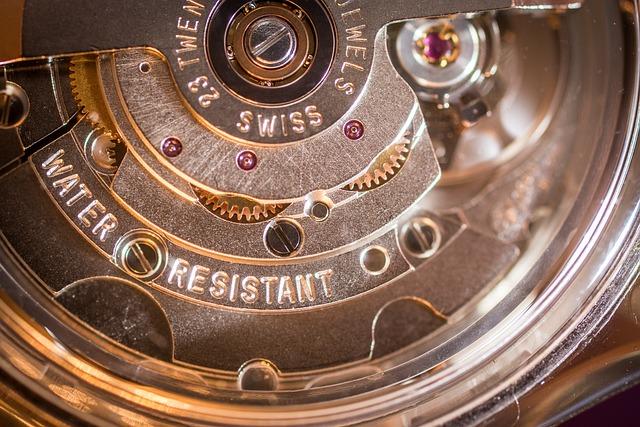
Beyond daily winding and care, learning how to service an automatic watch ensures its intricate internal mechanisms remain accurate for decades. An automatic watch relies on a delicate mechanical watch movement where kinetic energy stored in the coiled mainspring is continuously released through an escapement and regulated by the high-frequency oscillation of the balance wheel. Over several years of continuous operation, synthetic oils break down and microscopic friction debris can accumulate, making regular servicing essential.
When understanding how to service an automatic watch, the comprehensive overhaul performed by a certified watchmaker involves several critical steps:
- Complete Movement Disassembly: The watchmaker carefully decases the movement, removes the hands and dial, and completely dismantles every bridge, train wheel, pallet fork, balance assembly, and mainspring barrel into individual micro-components.
- Ultrasonic Cleaning & Inspection: Each dismantled component is submerged in specialized multi-stage ultrasonic solvent baths to eliminate coagulated lubricants, dust, and micro-particles before undergoing microscopic inspection for pivot or tooth wear.
- Horological Micro-Lubrication & Reassembly: The movement is meticulously reconstructed while applying specific synthetic horological lubricants (such as specialized Moebius oils and greases) to friction points, jewel bearings, escapement pallets, and the mainspring arbor.
- Electronic Positional Regulation & Gasket Sealing: The balance wheel is calibrated across 5 to 6 positional orientations using an electronic timegrapher for maximum rate accuracy. Finally, new case gaskets are installed and the watch undergoes dry/wet pressure chamber testing to guarantee water resistance.
Frequently Asked Questions About Winding Seiko Watches
How often should you service an automatic watch?
Generally, you should service an automatic watch every 3 to 5 years depending on the manufacturer’s recommendation. Knowing how to service an automatic watch and keeping up with regular overhaul intervals protects the delicate watch movement, mainspring, and escapement from premature friction wear.
What is the best way to learn how to wind seiko watch models correctly?
The best approach to understand how to wind seiko watch calibers is to first identify your specific movement number (located on the case back or dial edge). Once identified, determine if your movement supports manual winding via the crown (like the 4R, 6R, or 8L series) or relies strictly on kinetic rotor movement (such as the 7S26 caliber). Always rotate the crown gently clockwise and never force it beyond natural resistance.
Can I manually wind seiko dx automatic watch movements?
Most vintage Seiko DX automatic watches (often powered by calibers like the 6106 or 7019) do not feature auxiliary manual winding through the crown. Instead of attempting to turn the crown to wind them, simply hold the watch horizontally and gently swing it side to side in an arc for 30 to 60 seconds to initiate the mainspring power before wearing it.
Is it okay to manually wind seiko 5 automatic watch models?
Yes, it is completely okay to manually wind modern Seiko 5 automatic watches that are equipped with the 4R36 movement or similar contemporary calibers. However, if you own an older or classic Seiko 5 powered by the 7S26 movement, it does not support manual hand-winding from the crown, and attempting to force the crown will not wind the mainspring.
Can you overwind a Seiko automatic watch?
No, modern Seiko automatic watches are built with a specialized bridle and slipping spring mechanism inside the mainspring barrel. Once the mainspring reaches full tension, it smoothly slips along the inside wall of the barrel, preventing any overwinding or mechanical damage.
Frequently Asked Questions: How To Wind Seiko Automatic Watch Properly Tips And Tricks
What is the most important thing to know about how to wind seiko watch?
The most important aspects include a solid understanding of the fundamentals and regular practice. Topics like can i manually wind seiko dx automatic watch, is it okay to manually wind seiko 5 automatic watch, how may times do you wind the seiko s5? are essential for anyone looking to achieve better results. Experts recommend combining theory with practical application.
How can you improve your performance in can i manually wind seiko dx automatic watch, is it okay to manually wind seiko 5 automatic watch, how may times do you wind the seiko s5??
Consistent practice and staying current with the latest trends are key to success. Focus on proven methods and track your progress systematically. Our comprehensive guide provides detailed information on every aspect.
Concluding Remarks
In conclusion, properly winding your Seiko automatic watch is essential to keep it running smoothly and accurately. By following these simple tips and tricks, you can ensure that your timepiece remains in top condition for years to come. Remember to wind your watch ???regularly, but be cautious not to overwind it, as this can cause damage. Additionally, always??? set the correct time and date before wearing your watch to avoid any complications. Lastly, if you’re unsure or have any ???questions, it’s always best??? to consult the manufacturer’s instructions or seek assistance from a professional watchmaker. With these guidelines in mind, you can confidently enjoy the longevity and flawless operation of your Seiko automatic watch. Happy winding!Comprehensive Collector’s Guide and Horological Analysis: How To Service An Automatic Watch
In the realm of fine horology and luxury timepieces, understanding the nuances of how to service an automatic watch is essential for both seasoned collectors and discerning enthusiasts. Whether evaluating movement architecture, case finishing, historical lineage, or secondary market value retention, comprehensive analysis ensures an informed acquisition strategy.
High-grade mechanical watchmaking relies on strict tolerances, premium materials (such as 316L/904L stainless steel, titanium, ceramic, and precious metals), and meticulously decorated calibers featuring Côtes de Genève, perlage, and hand-beveled anglage. When evaluating timepieces related to how to service an automatic watch, attention to dial symmetry, luminescence longevity, bezel action, and water resistance integrity provides critical indicators of enduring craftsmanship.
| Evaluation Dimension | Key Horological Standards | Collector Considerations |
|---|---|---|
| Movement & Caliber | In-house vs. certified chronometer ebauches (COSC / METAS certified) | Power reserve efficiency, escapement material (silicon hairspring), beat rate (28,800 vph) |
| Case & Finishing | Zaratsu polishing, brushed bevels, scratch-resistant sapphire crystal | Wearability, lug-to-lug proportion, anti-reflective coating durability |
| Market & Provenance | Full box and original papers, verified serial registry, production vintage | Liquidity, collector demand curve, brand prestige and long-term value stability |
For collectors exploring opportunities surrounding how to service an automatic watch, maintaining proper service records, utilizing appropriate watch winders for perpetual calendars, and storing pieces in humidity-controlled environments safeguard both mechanical reliability and monetary value over generations.
Frequently Asked Questions: How To Service An Automatic Watch
What makes how to service an automatic watch significant in modern watch collecting?
It represents a crucial intersection of historical prestige, mechanical precision, and collector demand, reflecting key trends in luxury horology and timepiece valuation.
How should one verify authenticity and condition?
Always inspect serial engravings under magnification, verify caliber markings against reference specifications, check timegrapher amplitude and beat error, and confirm documentation with authorized archives.
Get our latest guides, news, and insights highlighted in your Google Search & AI Overviews.