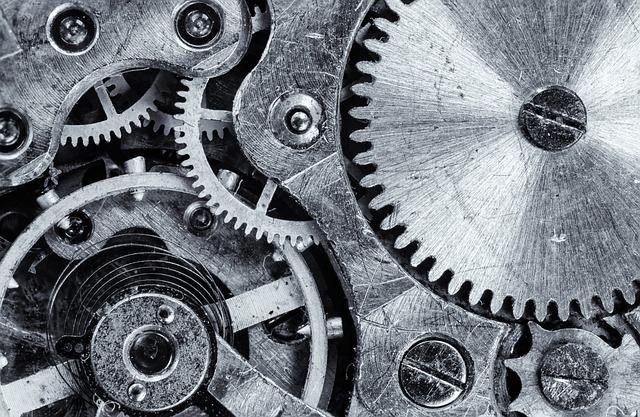
History of Mechanical Watch Movement: Tracing the Evolution of Timekeeping
Throughout history, the evolution of timekeeping has been a fascinating journey. From sundials and water clocks to the intricate mechanical movements of modern watches, the quest for precision and reliability has driven innovation in the world of timepieces. In this article, we will explore the history of mechanical watch movement, tracing its evolution from the early days of horology to the sophisticated mechanisms that power our watches today. Join us as we delve into the fascinating world of mechanical timekeeping.
Contents
- History of Mechanical Watch Movement
- Understanding the Core Components of Mechanical Watches
- Evolution of Timekeeping Mechanisms in Mechanical Watches
- Exploring the Different Types of Mechanical Watch Movements
- The Role of Innovations in Advancing Mechanical Watch Technology
- Examining the Impact of Swiss Watchmaking Tradition on Mechanical Movements
- Challenges Faced by Watchmakers in Perfecting Mechanical Movements
- Significance of Precision and Accuracy in Mechanical Watches
- Notable Milestones in the History of Mechanical Watch Movement
- Closing Remarks
History of Mechanical Watch Movement
The evolution of mechanical watch movements can be traced back centuries, starting with the invention of the very first mechanical clock in the 14th century. Over the years, watchmakers have refined and improved upon this early technology, leading to the intricate and precise movements we see in modern watches today.
One of the major advancements in mechanical watch movement came in the 17th century with the invention of the balance spring. This small, coiled spring allowed for more consistent timekeeping by regulating the speed at which the gears of the watch turned. This innovation revolutionized timekeeping and laid the foundation for the development of more accurate and reliable watches.
In the 19th century, the introduction of jewel bearings further improved the durability and accuracy of mechanical watch movements. By using synthetic jewels, such as rubies, to reduce friction between moving parts, watchmakers were able to create watches that could run for longer periods of time without needing maintenance.
Today, mechanical watch movements continue to be appreciated for their craftsmanship and artistry. While quartz movements have become more popular for their accuracy and affordability, many watch enthusiasts still prefer the tradition and sophistication of a well-crafted mechanical watch.

Understanding the Core Components of Mechanical Watches
When it comes to mechanical watches, there are several core components that work together to keep time ticking accurately. Understanding these components is essential for anyone interested in the intricate world of watch movements.
The main components of a mechanical watch movement include:
- 1. Main Spring: This is the part of the movement that stores the energy used to power the watch.
- 2. Escapement Mechanism: The escapement is responsible for regulating the release of energy from the main spring to the rest of the movement.
- 3. Gear Train: The gear train transmits the energy from the mainspring to the hands of the watch, allowing them to move in a controlled manner.
- 4. Balance Wheel: The balance wheel oscillates back and forth, controlling the speed at which the gears turn and ultimately regulating the timekeeping of the watch.
Each of these components is crucial in ensuring the accuracy and precision of a mechanical watch. As you delve deeper into the history of mechanical watch movements, you will discover the evolution of these components and how they have been refined over time to create the timepieces we know and love today.

Evolution of Timekeeping Mechanisms in Mechanical Watches
In the world of horology, the is a rich and fascinating tale that spans centuries. From simple sundials to intricate, precision-engineered movements, the history of mechanical watch movement is a testament to human ingenuity and craftsmanship.
One of the earliest forms of mechanical timekeeping was the water clock, also known as a clepsydra. These devices used the flow of water to measure time, with markings on the vessel indicating hours and minutes. Eventually, mechanical clocks were developed, using gears and springs to regulate the movement of hands on a dial.
Over time, watchmakers refined their craft, honing their skills and innovating new technologies to improve accuracy and reliability. The introduction of the mainspring, balance wheel, and escapement mechanism revolutionized the world of timekeeping, allowing for more precise measurements and smaller, portable timepieces.
Today, modern mechanical watches continue to push the boundaries of innovation, with complications like tourbillons, perpetual calendars, and moon phases capturing the imagination of watch enthusiasts worldwide. The evolution of timekeeping in mechanical watches is a testament to the enduring appeal of traditional craftsmanship and the quest for precision in a digital age.
Exploring the Different Types of Mechanical Watch Movements
When it comes to mechanical watch movements, there is a rich history filled with innovation and craftsmanship. These intricate mechanisms have been evolving over the centuries, each type offering its own unique characteristics and functions. Let’s dive into the different types of mechanical watch movements to explore the fascinating world of timekeeping.
In the world of mechanical watch movements, there are three main types: manual, automatic, and chronograph. Each type has its own set of advantages and features, catering to the diverse preferences of watch enthusiasts. Here’s a closer look at each type:
- Manual Movements: Also known as hand-wound movements, manual movements require regular winding by turning the crown. These movements are cherished for their traditional craftsmanship and connection to watchmaking heritage.
- Automatic Movements: Automatic movements, also called self-winding movements, harness the motion of the wearer’s wrist to wind the watch. This eliminates the need for manual winding and is a popular choice for those looking for convenience.
- Chronograph Movements: Chronograph movements add additional functionality to the watch, allowing for the measurement of elapsed time. These movements are often seen in sporty and versatile timepieces.
As technology advances, watchmakers continue to push the boundaries of mechanical watch movements, creating innovative designs and features that enhance the art of timekeeping. Whether you prefer the classic charm of a manual movement or the practicality of an automatic movement, there is a mechanical watch movement out there for every taste and style.

The Role of Innovations in Advancing Mechanical Watch Technology
Innovations have played a crucial role in advancing mechanical watch technology throughout history. From the earliest timepieces to modern luxury watches, advancements in design, materials, and engineering have continually pushed the boundaries of timekeeping precision and functionality.
One of the key innovations in mechanical watch movement was the invention of the escapement mechanism. This crucial component regulates the release of energy from the mainspring to the gear train, allowing for consistent and accurate timekeeping. Over the centuries, watchmakers have refined and improved the design of the escapement to increase accuracy and efficiency.
Another important innovation in mechanical watch technology is the development of self-winding movements. Also known as automatic movements, these mechanisms harness the natural motion of the wearer’s wrist to wind the watch’s mainspring. This innovation eliminated the need for manual winding, making watches more convenient and user-friendly.
Advancements in materials science have also played a significant role in the evolution of mechanical watch technology. The use of high-tech materials such as ceramic, titanium, and carbon fiber has enabled watchmakers to create timepieces that are lighter, more durable, and more resistant to wear and tear. These materials have opened up new possibilities for design and engineering, allowing for the creation of watches that are both beautiful and highly functional.
Examining the Impact of Swiss Watchmaking Tradition on Mechanical Movements
Swiss watchmaking tradition has long been synonymous with precision, quality, and innovation. The impact of this tradition on mechanical movements cannot be overstated. The intricate craftsmanship and attention to detail exhibited in Swiss watchmaking have greatly influenced the evolution of mechanical movements over the centuries.
One of the key contributions of Swiss watchmaking tradition to mechanical movements is the development of the escapement mechanism. This crucial component controls the release of energy in a regulated manner, allowing the timepiece to keep accurate time. Swiss watchmakers have perfected various types of escapements, such as the lever escapement, ensuring the reliability and accuracy of mechanical movements.
The use of high-quality materials, such as stainless steel, gold, and platinum, in Swiss watchmaking has also had a significant impact on the durability and performance of mechanical movements. These materials are not only aesthetically pleasing but also ensure that the watch movement functions smoothly and efficiently over time.

Challenges Faced by Watchmakers in Perfecting Mechanical Movements
One of the biggest is achieving precision and accuracy in timekeeping. This requires intricate craftsmanship and attention to detail in the design and assembly of each component within the movement.
Another challenge watchmakers face is ensuring durability and longevity in mechanical movements. With constant wear and tear, it is crucial to create movements that can withstand the test of time and continue to function properly for years to come.
Additionally, watchmakers must also contend with the complexities of miniaturization. Mechanical movements consist of hundreds of tiny parts that must work together seamlessly in a confined space. Achieving this level of precision and efficiency can be a daunting task for even the most experienced watchmakers.
Lastly, advancements in technology present a unique challenge for traditional watchmakers. With the rise of quartz and digital movements, mechanical watchmakers must find ways to differentiate themselves and continue to appeal to a niche market that values the craftsmanship and artistry of mechanical timepieces.
Significance of Precision and Accuracy in Mechanical Watches
Throughout the history of mechanical watch movements, precision and accuracy have always been paramount. The evolution of timekeeping can be traced back to the earliest mechanical watches, where craftsmen meticulously handcrafted each intricate component to ensure the watch kept accurate time.
– **Craftsmanship**: Skilled artisans were essential in creating precise movements that could accurately measure time.
– **Innovation**: Over the centuries, watchmakers have continuously innovated and refined the mechanisms within mechanical watches to improve accuracy.
– **Technology**: The introduction of new technologies, such as the balance spring and escapement, revolutionized the accuracy of mechanical watches.
– **Legacy**: Today, the continues to be highly valued, carrying on a legacy of craftsmanship and dedication to excellence in timekeeping.
In conclusion, the history of mechanical watch movement is a testament to the importance of precision and accuracy in timekeeping, showcasing the ingenuity and skill of generations of watchmakers.
Notable Milestones in the History of Mechanical Watch Movement
Over the centuries, the mechanical watch movement has evolved significantly, marking key milestones in the history of timekeeping. These advancements have shaped the way we perceive and measure time, turning watches into both functional and intricate pieces of art. Let’s take a closer look at some of the most notable milestones in the evolution of mechanical watch movements:
- The Invention of the Balance Spring: In the 17th century, Dutch scientist Christiaan Huygens introduced the concept of the balance spring, a crucial component that improved the accuracy of watches by regulating the oscillations of the balance wheel.
- The Introduction of the Lever Escapement: In the 18th century, English watchmaker Thomas Mudge developed the lever escapement, a mechanism that enhanced the efficiency and precision of timekeeping in mechanical watches.
- The Emergence of Automatic Movements: In the early 20th century, watchmaking pioneers like John Harwood introduced self-winding or automatic movements, eliminating the need for manual winding and revolutionizing the way watches were powered.
| Year | Advancement |
|---|---|
| 1675 | Invention of the Balance Spring by Christiaan Huygens |
| 1754 | Introduction of the Lever Escapement by Thomas Mudge |
| 1923 | Emergence of Automatic Movements by John Harwood |
From the invention of the balance spring to the introduction of automatic movements, each milestone in the history of mechanical watch movement has contributed to the advancement of timekeeping technology. These achievements have laid the foundation for the intricate, precise, and innovative watches we enjoy today.
Closing Remarks
In conclusion, the history of mechanical watch movement is a fascinating journey that showcases the evolution of timekeeping technology over the centuries. From the simple designs of early mechanical timepieces to the complex and precise movements of modern watches, each innovation has contributed to the development of our understanding and measurement of time. By tracing this evolution, we can appreciate the craftsmanship, innovation, and dedication that have gone into creating the timeless beauty and functionality of mechanical watches. So next time you glance at your wrist to check the time, take a moment to reflect on the rich history behind that simple yet intricate piece of machinery. Time truly is a marvel worth treasuring.
Get our latest guides, news, and insights highlighted in your Google Search & AI Overviews.